Providence St Joseph Hospital is a nursing home community in Chewelah, WA.
Information last verified:
500 East Webster, Chewelah, WA 99109
For more information about senior living options: (866) 208-4318
3.6 from 29 reviews
5 stars
17
4 stars
1
3 stars
2
2 stars
1
1 stars
8
Overall Review of Providence St Joseph Hospital
common19 reviews mention this
Care teams are often described warmly
Residents and families frequently describe the staff as kind and attentive.
Many reviews emphasize compassionate, competent care from nurses, techs, and doctors, including quick rooming and help from check-in through discharge. Several families specifically call out professional, welcoming interactions and say they felt respected and cared for. A few comments also mention specific staff by name, reinforcing that day-to-day support is a consistent strength.
caveat5 reviews mention this
Long ER waits come up
Some visitors report long waits in the ER.
A recurring criticism is that time spent waiting can be extended, with some reviewers describing delays of hours without being checked on. Even when staff eventually addressed the issue, commenters describe feeling overlooked during the wait. Others balance this with fast care in particular visits, suggesting results may vary.
caveat3 reviews mention this
Doctor experiences can be mixed
Some reviewers criticize doctor bedside manner and follow-through.
A handful of reviews focus on doctor communication, perceived rudeness, or lack of follow-through on next steps like labs. Others contrast this with better nurse support during the same visits, which shapes how the experience feels overall. At the same time, many other reviews describe professional, helpful clinicians, so these negatives are not universal.
caveat3 reviews mention this
Billing and consent concerns appear
Some reviews raise concerns about charges and consent.
Several critical reviews mention problems with how billing is handled, including delayed decisions about what is owed and concerns about transparency. One review also calls out receiving unexpected or additional charges, and another questions the value of a billed visit tied to a brief treatment. These comments are a recurring caution for families reviewing the financial side of care.
common2 reviews mention this
Rooms are described as clean
Clean facilities and rooms are noted by reviewers.
Some reviewers describe the facility as clean, and others say the rooms feel well maintained with a fresh smell. One review separately criticizes a visitor bathroom, but overall cleanliness is still a clear positive theme in the comments that mention it. This suggests the physical environment is generally viewed favorably, even if certain areas may fall short for some visitors.
How we summarize
Counts show how many written reviews mention each theme; a review can touch several themes, and only frequently mentioned themes are displayed.
Features
Housing
40 resident community capacity
Types of Care
Skilled Nursing Facility
Amenities
Beauty salon
Cable or satellite TV
Dining room
Fully furnished
Garden
Housekeeping services
Kitchenette
Move-in coordination
Outdoor space
Restaurant-style dining
Small library
Telephone
Wi-Fi/high-speed internet available
Care Services
24-hour call system
24-hour supervision
Activities of daily living assistance
Assistance with bathing
Assistance with dressing
Assistance with transfers
Diabetes diet
Meal preparation and service
Medication management
Mental wellness program
Special dietary restrictions
Dining
Diabetes diet
Special dietary restrictions
Activities
Community-sponsored activities
Resident-run activities
Scheduled daily activities
Nearby Places of Interest
Physicians
Chewelah Community Health Center (0 miles)
Chewelah Associated Physicians (0.2 miles)
Places of Worship
St Mary Of The Rosary (0.1 miles)
St Mary's Catholic Church (0.2 miles)
Abundant Life Fellowship (0.2 miles)
Chewelah United Church of Christ (0.2 miles)
Chewelah Evangelical Free (0.2 miles)
Community Service Center (0.3 miles)
St Paul Lutheran Church (0.3 miles)
Restaurants
Mondo's Italian Cafe (0.1 miles)
ChewVino Wine Bar (0.1 miles)
The Q (0.1 miles)
Monica's Buttermilk Kitchen (0.1 miles)
Sportsman's Bar and Grill (0.2 miles)
The Chalet (0.2 miles)
Fired Up Pizza (0.2 miles)
Cafes
Jean Bean's Coffee (0.2 miles)
Paul's A Coffee Bar (0.2 miles)
Flowery Trail Coffee (0.2 miles)
Dad's Espresso (0.7 miles)
Judy's Java & More (7.9 miles)
E T's Java (20.2 miles)
Big AL's Coffee Shop (20.4 miles)
Pharmacies
Valley Drug Co. (0.2 miles)
Akers United Drug (0.2 miles)
Safeway Pharmacy (20.7 miles)
Super 1 Foods (21.5 miles)
Parks
Chewelah park (0.3 miles)
Chewelah City Park (0.3 miles)
Yep Kanum Park (20.1 miles)
Colville Recreation Department (20.1 miles)
Transportation
U-Haul Neighborhood Dealer (0.6 miles)
Bluecreek Airport (6.4 miles)
Greyhound Bus Lines (8 miles)
U-Haul Neighborhood Dealer (22.3 miles)
U-Haul (22.6 miles)
Hospitals
Providence Mount Carmel Hospital Maternity Unit (20 miles)
Unlimited Health Resources of Northeast Washington (20.5 miles)
Palliative care enhances the quality of life for seriously ill patients by providing comprehensive support at home through a multidisciplinary team, addressing various needs and prioritizing comfort over curative treatments. While it offers personalized care and involves family in decision-making, challenges like caregiver stress and logistical issues persist, with growing demand prompting advancements in technology and healthcare policies to improve access.
Palliative home care focuses on improving the quality of life for individuals with serious illnesses by providing comfort, symptom management, and emotional support in their own homes. This approach includes personalized care plans, regular assessments, and resources for family caregivers, all while prioritizing person-centered treatment that aligns with patients' goals.
Skilled nursing facilities (SNFs) provide high-level medical care and rehabilitation for short-term recovery, typically covered by Medicare after hospitalization, while nursing homes focus on ongoing custodial care for chronic conditions, mainly funded by Medicaid or private payments. The staffing and regulatory structures differ significantly between the two, necessitating clarity for families in choosing appropriate long-term care options.
Get PricingAsk A QuestionSchedule A TourContact Senior Advisor
By clicking submit, you agree to our Partner's Terms of Use. You
also consent to receive calls and texts, which may be autodialed, from our Partner. Your consent is not a condition to
using our Partner's service. Please visit our Partner's Privacy Policy for information about their privacy practices.

 40 resident community capacity
 Skilled Nursing Facility
 Beauty salon
 Cable or satellite TV
 Dining room
 Fully furnished
 Garden
 Housekeeping services
 Kitchenette
 Move-in coordination
 Outdoor space
 Restaurant-style dining
 Small library
 Telephone
 Wi-Fi/high-speed internet available
 24-hour call system
 Activities of daily living assistance
 Assistance with bathing
 Assistance with dressing
 Assistance with transfers
 Diabetes diet
 Medication management
 Mental wellness program
 Special dietary restrictions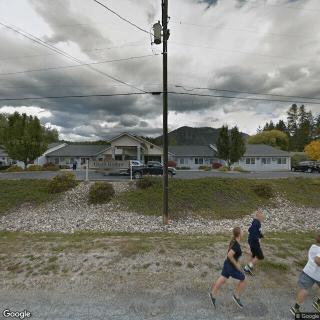
 Affordable private rooms with extensive activities and comprehensive care services.

 Exploring Palliative Care in the Home: A Comprehensive Overview
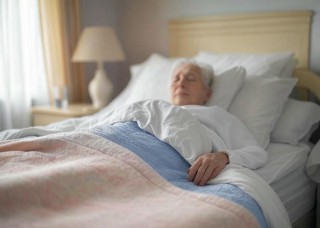 Comprehensive Insights into Palliative Home Care: What It Is and What to Expect
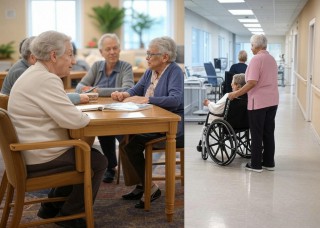 Skilled Nursing Facilities vs. Nursing Homes: Making Sense of the Differences