
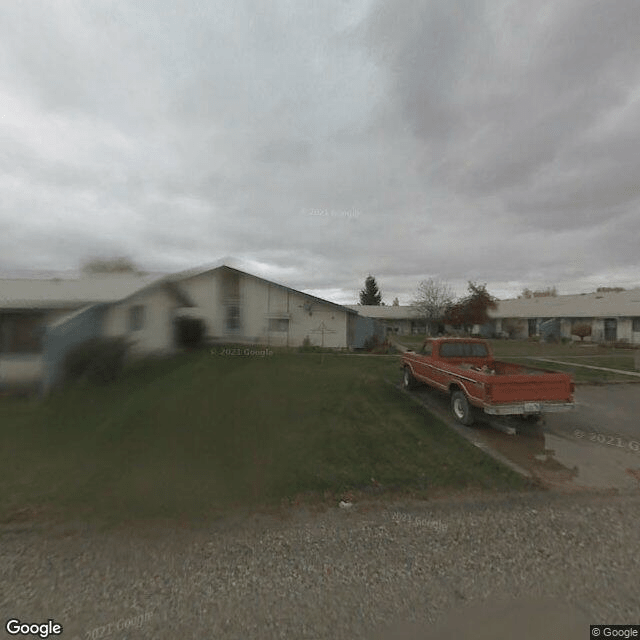
401 S 5th St. E, Chewelah, WA 99109
For more information about senior living options: (866) 208-4318
Overall Review of Sunny Acres Senior Housing
Pros
 No positive statements are present in the provided review.
Cons
 The facility is supposed to be assisted living, but residents are at the mercy of a neglectful manager.
- They won’t change light bulbs.
- Doors to the buildings are locked hours early, stopping needed pharmaceutical deliveries and preventing residents from getting food and mail.
- Doors are locked before 5 pm when 8 is the supposed time.
- Residents feel they have no choice with the Sunny Acres manager.
Review
Sunny Acres Senior Housing in Chewelah, WA is best suited for residents who can live with minimal staff intervention and who do not rely on timely, reliable assisted living services. Based on a single, strongly negative experience, the community appears to cater to a level of independence where daily support is optional at best and unreliable at worst. Families should understand that this setting is likely not appropriate for seniors who depend on prompt medication delivery, regular meals, or ongoing help with basic needs. In short, the safest fit is someone who can navigate a mostly self-directed environment without expecting consistent professional oversight.
The most salient red flags center on a neglectful managerial approach that directly undermines everyday safety and access. The account depicts a manager who not only fails to keep essential tasks current (such as changing light bulbs) but also actively restricts critical services, doors are locked hours earlier than posted, pharmaceutical deliveries are halted, and residents are blocked from obtaining mail and meals. The claim that doors can be locked before the stated hours creates a dangerous disconnect between what residents and families are promised and what actually occurs. Residents feeling they have no real choice speaks to a management dynamic that erodes trust and predictability, which are non-negotiables in any assisted-living arrangement.
These operational lapses translate into tangible, layered consequences for residents. Security and safety are compromised when doors snap shut well before necessary access, potentially delaying urgent needs or deliveries. The interruption of pharmaceutical services risks missed doses or delayed treatments, which is plainly unacceptable for anyone with chronic conditions or complex medication schedules. Blocking meals and mail compounds isolation and frustration, removing essential daily routines and connections to services and loved ones. The emotional toll, curiosity about whether help will arrive, frustration with unresponsive staff, and a sense of helplessness, can accelerate declines in well-being, even for those who previously managed well in independent settings.
There are virtually no documented positives in the available account to offset these major concerns. The setting would need to demonstrate reliable staffing, consistent service delivery, and transparent communications to counterbalance the described failures. Without evidence of dependable maintenance, timely meals, medication handling, and open access to personal deliveries, the supposed advantages of a simple, lower-cost, or more autonomous environment do not materialize. In this context, potential cost savings or privacy are overshadowed by the risk and the ongoing disruption to everyday living.
For families evaluating options, concrete steps are essential. Ask for a detailed service agreement that specifies when medications are delivered, who administers them, and how med errors are handled. Request a tour during a typical service hour and observe whether staff are responsive to residents’ requests, whether light maintenance issues are addressed promptly, and how mail and meal provisions are actually managed. Speak with current residents or their families to gauge consistency of care and communication. Verify licensing status with Washington’s ALTSA and inquire about any open complaints or enforcement actions. Compare with nearby communities that offer clearly stated hours, reliable service delivery, and transparent management practices to ensure a safer, more predictable orbit of care.
In the end, Sunny Acres should be approached with heightened skepticism unless substantial, verifiable improvements in management and operations are demonstrated. For seniors who require dependable assistance, this community represents a high-risk choice that could not only fail to meet daily needs but also undermine trust between residents and administrators. Families are advised to pursue alternatives that show consistent, accountable leadership, documented care processes, and open channels for deliveries, meals, and essential communications. A deliberate, per-room assessment of strengths, weaknesses, and contingency plans is the prudent path, prioritizing safety, reliability, and peace of mind over any potential but unproven advantages.
 Active Adult Communities (55+)

 Managing Nursing Home Expenses After Medicare Coverage Ends
 Is a Geriatric Care Manager the Right Choice for Your Family?
 Compassionate Conversations: How to Comfort Someone Who Is Grieving