For more information about senior living options: (866) 208-4318
2.8 from 120 reviews
5 stars
45
4 stars
7
3 stars
5
2 stars
3
1 stars
60
Overall Review of Lake Taylor Hosp
differentiator
Rehab and therapy drive results
Physical and occupational therapy are a frequent highlight in resident experiences here.
Many reviews describe strong outcomes tied to therapy, including improved mobility and progress after surgery or hospitalization. Several residents and families praise the therapy teams as attentive, encouraging, and focused on goals, with visits to the gym mentioned as a daily part of recovery. A few reviews also point to therapy quality as the main reason they would choose the facility, even when other aspects were mixed.
common
Caring, responsive staff stand out
Staff members are repeatedly described as kind, supportive, and easy to reach for help.
A consistent theme across many reviews is staff kindness and helpfulness, from nursing and aides to social workers and therapy teams. Several reviewers say communication was frequent—updated regularly on progress and supportive during rehab and long-term care transitions. Even negative reviews often still acknowledge there are some staff members who were better than others, suggesting the experience varies by unit and shift.
common
Facility cleanliness is mentioned often
The facility’s cleanliness is something multiple reviewers notice and call out.
Across both positive and mixed experiences, reviewers mention that rooms and the overall building look clean or well maintained. Some reviews also use cleanliness alongside upbeat staff and overall organization to explain why they felt safe there. In negative reviews, cleanliness is not always denied, but it is sometimes described as unable to offset concerns about care responsiveness or follow-through.
caveat
Food quality is inconsistent
Food is described positively by some families but negatively by others.
Some reviews say meals were good, warm, or well prepared, with one mentioning variety and another describing dining as a bright spot. Others report that food was not good, bad, or not tailored correctly, including complaints related to diabetic needs and dietary restrictions. A few comments tie the dining experience to overall satisfaction, while other reviews treat it as an additional weakness alongside staffing or medication issues.
caveat
Medication timing and call response
Residents and families complain about delays in medication and slow responses to call buttons.
Several negative reviews describe medication not being administered on time or being delayed by hours, sometimes requiring repeated follow-ups to get help. Others say call bells were ignored or it took a long time for staff to arrive, leading to distress or unmet basic needs. These concerns appear alongside claims that staff availability or attentiveness was not consistent, especially during nights or periods of understaffing.
caveat
Safety and fall prevention concerns
Some residents experienced serious incidents, including falls, that families say felt preventable.
A recurring criticism in multiple reviews is that residents experienced repeated falls and serious consequences, with families describing a lack of supervision or follow-through. One review describes transfers to the ER after falls and urges better safety interventions for dementia-related risk. Other negative comments also describe residents being left alone or experiencing neglect-related outcomes, reinforcing the overall safety concern theme.
How we summarize
We summarize when many written reviews mention each theme; a review can touch several themes, and only frequently mentioned themes are displayed.
Features
Housing
192 resident community capacity
Types of Care
Skilled Nursing Facility
Amenities
Air-conditioning
Beauty salon
Cable or satellite TV
Computer center
Dining room
Fitness room
Fully furnished
Gaming room
Garden
Housekeeping services
Kitchenette
Move-in coordination
Outdoor space
Private bathrooms
Restaurant-style dining
Small library
Telephone
Wellness center
Wi-Fi/high-speed internet available
Transportation
Norfolk International (2 miles away)
Newport News Williamsburg International (24 miles away)
Community operated transportation
Transportation arrangement
Transportation arrangement (non-medical)
Transportation to doctors appointments
Care Services
12-16 hour nursing
24-hour call system
24-hour supervision
Activities of daily living assistance
Assistance with bathing
Assistance with dressing
Assistance with transfers
Diabetes diet
Meal preparation and service
Medication management
Mental wellness program
Special dietary restrictions
Dining
Diabetes diet
Special dietary restrictions
Activities
Community-sponsored activities
Concierge services
Fitness programs
Planned day trips
Resident-run activities
Scheduled daily activities
Nearby Places of Interest
Restaurants
Hooters (0.4 miles)
Olive Garden (0.8 miles)
Chick-Fil-A (1 miles)
Sonic Drive-In (3.7 miles)
Hardee's (3.8 miles)
Longboards East Beach (4.1 miles)
Village Inn (4.1 miles)
Pharmacies
Walgreens (0.4 miles)
CVS Pharmacy (1.3 miles)
Grifols (1.4 miles)
Walgreens (1.9 miles)
Rite Aid (2 miles)
CVS Pharmacy (2.6 miles)
Irwin's Pharmacy (3.3 miles)
Cafes
Panera Bread (0.5 miles)
Starbucks (1.5 miles)
Starbucks (4.2 miles)
Starbucks (4.2 miles)
Coalescence Coffee (4.5 miles)
Starbucks (4.7 miles)
Cafe Stella (4.8 miles)
Physicians
Internal Medicine Kidney and Hypertension Center (0.9 miles)
Virginia Ophthalmology Associates (1.2 miles)
Pariser Dermatology Specialists (1.3 miles)
Austin Warren Md Norfolk (1.4 miles)
Sentara Comprehensive Weight Loss Solutions (1.7 miles)
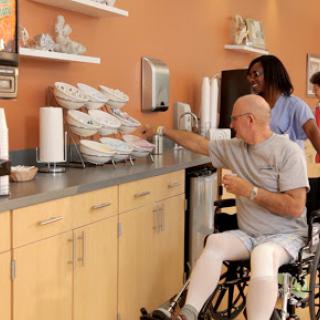
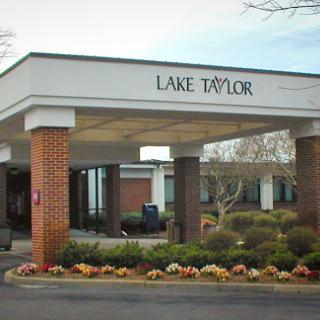
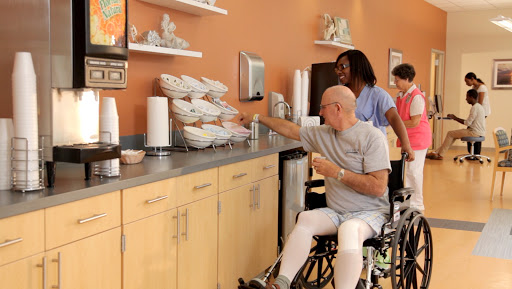
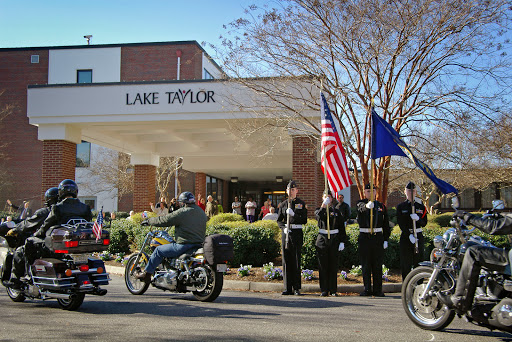
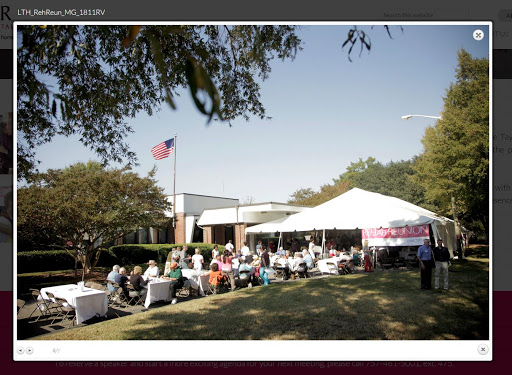
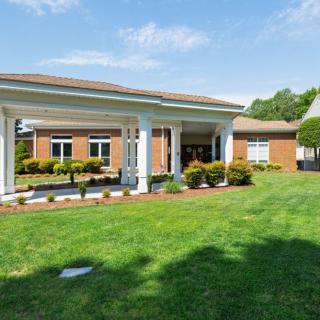
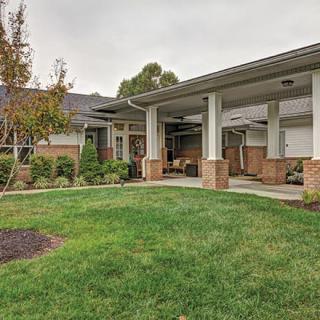
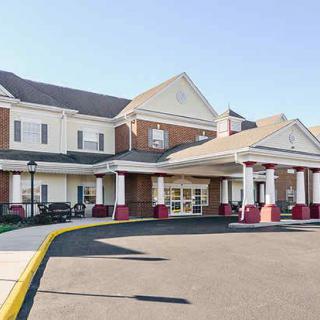
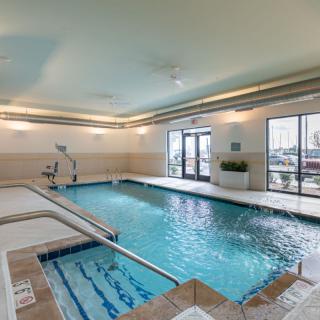
Lake Taylor Hosp on seniors.fyi includes 6 photos including images showing healthcare, flag, entrance, landscaping, exterior, wheelchair, caregiver, assistance, and more.
Nearby Communities
Commonwealth Senior Living at Leigh Hall
Norfolk, VA
4.3 from 180 reviews
$3,450 to $5,040 / month
Warm staff, welcoming atmosphere, and well-maintained facilities with engaging activities.
Autumn Care Of Norfolk
Norfolk, VA
3.1 from 125 reviews
Some rehab staff are caring and therapy is positive; facility appears clean.
ResCare
Norfolk, VA
Excellent proximity to cafes, parks, dining, healthcare, and transportation.
Medicare provides limited coverage for skilled nursing home care, covering full benefits for the first 20 days and partial benefits up to 100 days under certain conditions, after which families must explore alternative funding options like Medicaid or long-term care insurance to manage potentially high costs. Proactive planning is essential to navigate the complexities of financing ongoing care once Medicare coverage ends.
Geriatric care managers create personalized care plans for older adults, addressing their medical, social, financial, and psychological needs while coordinating services and advocating for their well-being. They help families navigate caregiving challenges but may be hindered by high costs and a shortage of qualified professionals.
The article highlights the importance of empathy and open communication when comforting someone who is grieving, noting that grief is unique to each individual and emphasizing the need for sincere expressions of condolence, active listening, and ongoing support. It also addresses cultural differences in mourning practices and encourages tailored approaches to provide effective comfort.
Get PricingAsk A QuestionSchedule A TourContact Senior Advisor
By clicking submit, you agree to our Partner's Terms of Use. You
also consent to receive calls and texts, which may be autodialed, from our Partner. Your consent is not a condition to
using our Partner's service. Please visit our Partner's Privacy Policy for information about their privacy practices.




 192 resident community capacity
 Skilled Nursing Facility
 Air-conditioning
 Beauty salon
 Cable or satellite TV
 Computer center
 Dining room
 Fitness room
 Fully furnished
 Gaming room
 Garden
 Housekeeping services
 Kitchenette
 Move-in coordination
 Outdoor space
 Private bathrooms
 Restaurant-style dining
 Small library
 Telephone
 Wellness center
 Wi-Fi/high-speed internet available
 Norfolk International (2 miles away)
 Community operated transportation
 12-16 hour nursing
 24-hour call system
 Activities of daily living assistance
 Assistance with bathing
 Assistance with dressing
 Assistance with transfers
 Diabetes diet
 Medication management
 Mental wellness program
 Special dietary restrictions
 Concierge services
 Planned day trips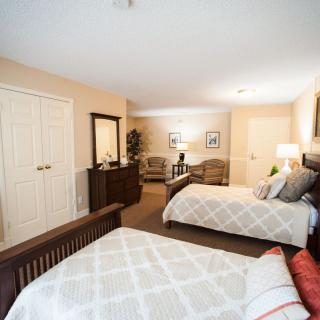
 Warm staff, welcoming atmosphere, and well-maintained facilities with engaging activities.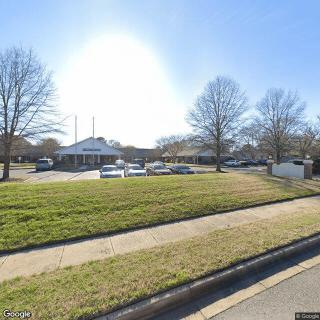

 Managing Nursing Home Expenses After Medicare Coverage Ends
 Is a Geriatric Care Manager the Right Choice for Your Family?
 Compassionate Conversations: How to Comfort Someone Who Is Grieving