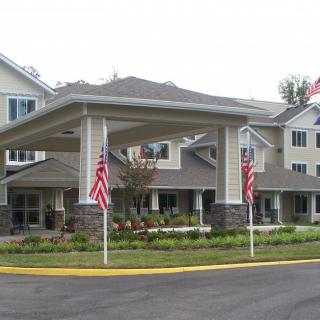
Information last verified:
11611 Robious Rd, Midlothian, VA 23114
For more information about senior living options: (844) 490-3973
Laurels of Willow Creek offers a competitive pricing structure for its private rooms, with a monthly cost of $5,280. While this price is higher than the averages in Chesterfield County and throughout Virginia - where costs are approximately $4,733 and $4,684 respectively - it reflects the comprehensive care and amenities provided at this facility. The slight premium can be attributed to the quality of services and personalized attention residents receive, ensuring a comfortable and enriching living environment tailored to individual needs. As families consider options for senior care, it's important to weigh these factors alongside the financial aspects to make an informed decision that best suits their loved ones.
| Floor plans | Laurels of Willow Creek | Chesterfield County | Virginia |
|---|---|---|---|
| Private | $5,280 | $4,733 | $4,684 |
Laurels of Willow Creek in Midlothian, Virginia, is best suited for families seeking a rehabilitation-centric senior care option where therapy teams, nursing staff, and admissions professionals coordinate to bring residents back to independence. The community shines for adults recovering from surgery, fractures, or acute illness, who benefit from an organized rehab schedule, a well-equipped therapy gym, and an atmosphere that feels warm and welcoming from first contact through discharge. It is especially well-matched for those who prize attentive admissions guidance, consistent contact with care coordinators, and a social milieu that keeps residents engaged through a robust activities calendar. When the emphasis is on getting back on one’s feet, Laurels of Willow Creek delivers a compelling blend of medical oversight, practical therapy, and a home-like setting that many families want during a vulnerable recovery window.
That said, alternatives should be on the radar for families prioritizing consistently flawless daily care and uninterrupted basic needs management. Several reviews flag variability in staffing and in the timeliness of essential tasks, particularly on nights and weekends. Some experiences describe call-bell delays, gaps in personal hygiene routines, and inconsistent wound care, factors that can become critical for residents who require constant supervision or have complex, ongoing needs. Roommate matching and spacing also surface as practical concerns for long-term residents, suggesting that a move with Laurels may be best approached with careful attention to the resident’s temperament, mobility level, and care goals. In short, households with significant long-term nursing dependencies or a preference for strict, steady day-to-day reliability may want to survey other options as part of a broader search.
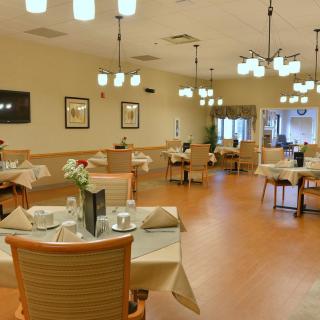
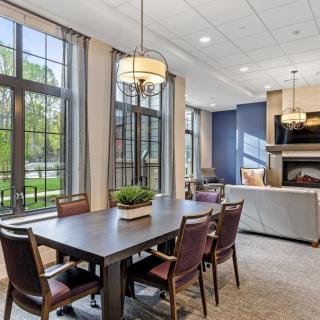
The strongest pro package centers on rehabilitation excellence and the people delivering it. The PT/OT/Speech Therapy teams are repeatedly praised for their professionalism, enthusiasm, and effectiveness, often pushing residents to regain strength quickly and safely. The facility’s cleanliness, inviting common spaces, and the on-site dining program contribute to a dignified experience that families notice and appreciate. Admissions and social work prove to be genuine differentiators, Ginny Lockett and Mary O’Brien, in particular, are frequently cited as knowledgeable, compassionate guides who help families navigate admissions, coordinate care, and smooth transitions. The frontline nursing and therapy teams routinely earn praise for approachability, respect, and evident commitment to residents’ long-term well-being, making Laurels a credible choice for those who want a strong, proactive rehabilitation pathway.
Yet, the cons cited most often carry weight in real-world decision-making. A recurring concern is staffing consistency across shifts, with some reviewers describing understaffed units during off-peak hours and inconsistent attention to basic needs, including hygiene, toileting, and timely assistance. Several accounts highlight problematic experiences with grafted or short-staffed conditions that impacted call-bell response and ongoing care management. Wound care and preventative skin integrity sometimes appear neglected without persistent advocacy, and a number of comments reflect frustration with administration or communication gaps when problems arise. These patterns do not negate the genuine successes seen in therapy and recovery, but they do underscore a critical reality: outcomes at Laurels can vary by shift, unit, and individual caregiver, making active family involvement and explicit expectations essential.
Despite these concerns, the professional and personal strengths at Laurels can meaningfully offset many challenges when the fit is right. For residents focused on regaining function, the therapy program represents a primary driver of progress, with measurable gains that translate into shorter hospital stays and greater independence at discharge. The community’s environment, clean, bright, and oriented toward social engagement, reduces anxiety and supports emotional well-being during recovery. The admissions team’s responsiveness and the ongoing collaboration among nursing, rehab, and social services create a strong framework for navigating complex care needs and facilitating transitions back home or to more supportive long-term arrangements. In this sense, Laurels earns a decisive edge for rehabilitation-focused families who are ready to engage with the care team and monitor progress closely.
The practical takeaway is clear: Laurels of Willow Creek is a compelling choice for families prioritizing rehab outcomes and a respectful, upbeat environment, provided diligence is exercised around staffing, daily caregiving quality, and ongoing communication. Prospective families should plan multiple visits, ideally at different times, to observe therapy sessions, speak with residents across shifts, and understand how call-bell responsiveness is managed. Asking pointed questions about wound care protocols, roommate assignments, and the cadence of discharge planning will reveal how well the facility translates its strengths into day-to-day reliability. If these conversations yield confidence, Laurels becomes a powerful ally in recovery; if they expose persistent gaps, alternatives with more consistent staffing and tighter basic-care protocols should be pursued. In the end, Laurels of Willow Creek is not a universal fit, but for those whose priority is a proactive rehab pathway within a compassionate, engaging setting, it remains a top-tier option worth pursuing with clear expectations and active oversight.
Laurels of Willow Creek in Midlothian, VA is a welcoming and vibrant assisted living community that offers a range of amenities and services to enhance the quality of life for its residents. Located in a convenient neighborhood, the community is surrounded by various establishments that cater to different needs.
For those who enjoy socializing over a cup of coffee or a light snack, there are three cafes nearby where residents can meet friends or family members for a casual gathering. The close proximity of three parks allows residents to explore nature, take leisurely walks, or engage in outdoor activities. This provides opportunities for individuals to maintain an active lifestyle and enjoy the serene surroundings.
Healthcare is also easily accessible at Laurels of Willow Creek, with nine pharmacies and 19 physicians located nearby. Residents can conveniently fill their prescriptions and seek medical attention whenever needed. Additionally, two hospitals situated close by ensure prompt medical assistance should an emergency arise.
To satisfy culinary cravings, there are ten restaurants in the vicinity offering diverse menus and dining experiences. Whether residents prefer fine dining or casual meals with friends, they have plenty of options to choose from without having to travel far from their community.
For spiritual fulfillment and connection to one's faith, three places of worship are within reach. These places provide solace and opportunities for residents to engage in religious practices within their preferred denomination.
Entertainment enthusiasts will find delight in knowing that there is a theater nearby where they can catch movies or live performances. This allows residents to immerse themselves in cultural experiences without having to travel long distances.
Overall, Laurels of Willow Creek offers its residents a comfortable and engaging lifestyle with various amenities and services within easy reach. From convenient healthcare options to recreational facilities and opportunities for socializing, this assisted living community strives to provide an enriched living experience for its residents while ensuring accessibility to essential resources nearby.
Laurels of Willow Creek offers a competitive pricing structure for its private rooms, with a monthly cost of $5,280. While this price is higher than the averages in Chesterfield County and throughout Virginia - where costs are approximately $4,733 and $4,684 respectively - it reflects the comprehensive care and amenities provided at this facility. The slight premium can be attributed to the quality of services and personalized attention residents receive, ensuring a comfortable and enriching living environment tailored to individual needs. As families consider options for senior care, it's important to weigh these factors alongside the financial aspects to make an informed decision that best suits their loved ones.
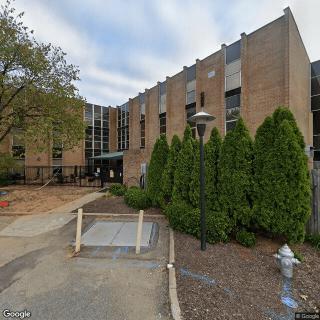
Laurels of Willow Creek is located at 11611 Robious Rd, Midlothian, VA 23114 in Chesterfield County, Virginia
Is a Geriatric Care Manager the Right Choice for Your Family?

Geriatric care managers create personalized care plans for older adults, addressing their medical, social, financial, and psychological needs while coordinating services and advocating for their well-being. They help families navigate caregiving challenges but may be hindered by high costs and a shortage of qualified professionals.
Compassionate Conversations: How to Comfort Someone Who Is Grieving

The article highlights the importance of empathy and open communication when comforting someone who is grieving, noting that grief is unique to each individual and emphasizing the need for sincere expressions of condolence, active listening, and ongoing support. It also addresses cultural differences in mourning practices and encourages tailored approaches to provide effective comfort.
Home Health Care Aides: Understanding Their Role and Supporting Your Family
Home health care aides provide vital medical and non-medical support to individuals at home, assisting with daily living activities and promoting emotional well-being, while the demand for these services increases due to an aging population. Families benefit from in-home care's flexibility and cost-effectiveness but face challenges like scheduling consistency and caregiver turnover.