For more information about senior living options: (866) 208-4318
3.9 from 111 reviews
5 stars
55
4 stars
26
3 stars
11
2 stars
6
1 stars
13
Sunrise at Bon Air Costs & Pricing
Sunrise at Bon Air offers a range of living options at price points that reflect the premium services and amenities provided. For semi-private rooms, residents can expect to pay $5,520 per month, which is significantly higher than the average costs in Richmond city ($3,174) and across Virginia ($3,991). The two-bedroom unit is priced at $5,837, again surpassing both local and state averages. Studio apartments are available for $6,540, while one-bedroom accommodations come in at $11,220 - substantially more than the typical costs of $3,749 in Richmond city and $4,257 statewide. These figures illustrate that while Sunrise at Bon Air may be more costly than other options in the area, this investment reflects a commitment to providing high-quality care and a supportive environment for its residents.
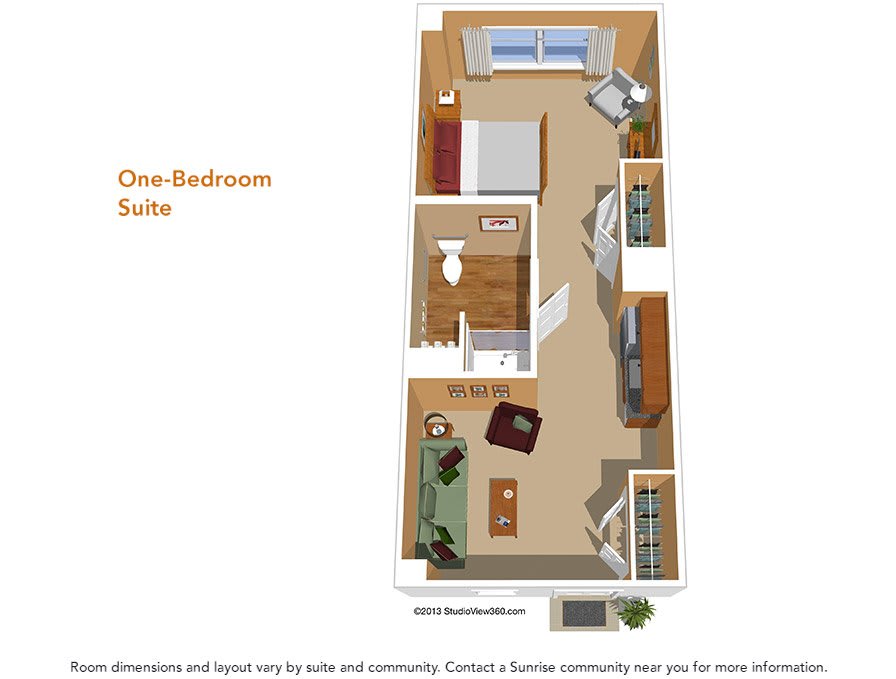
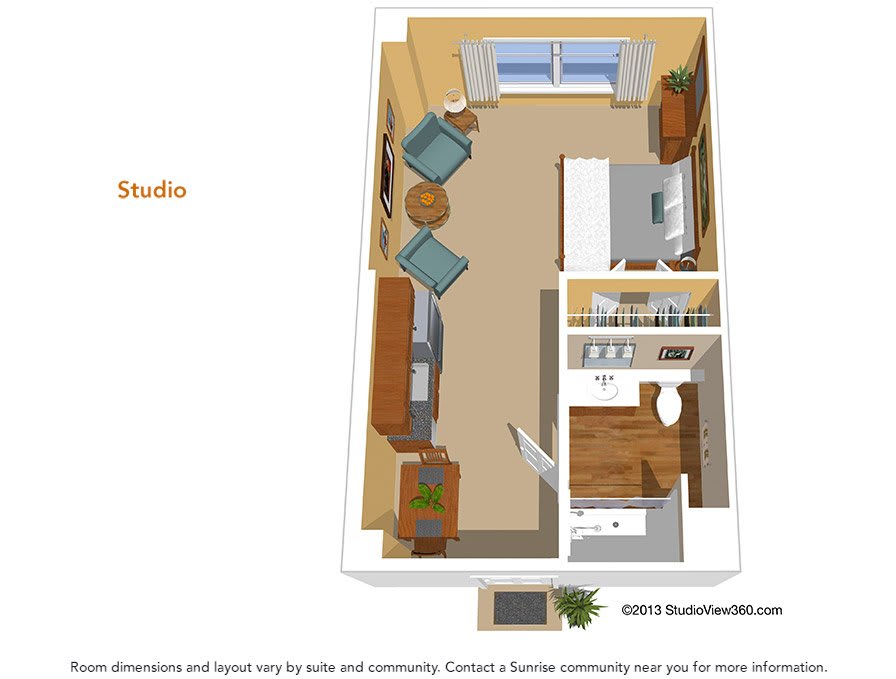
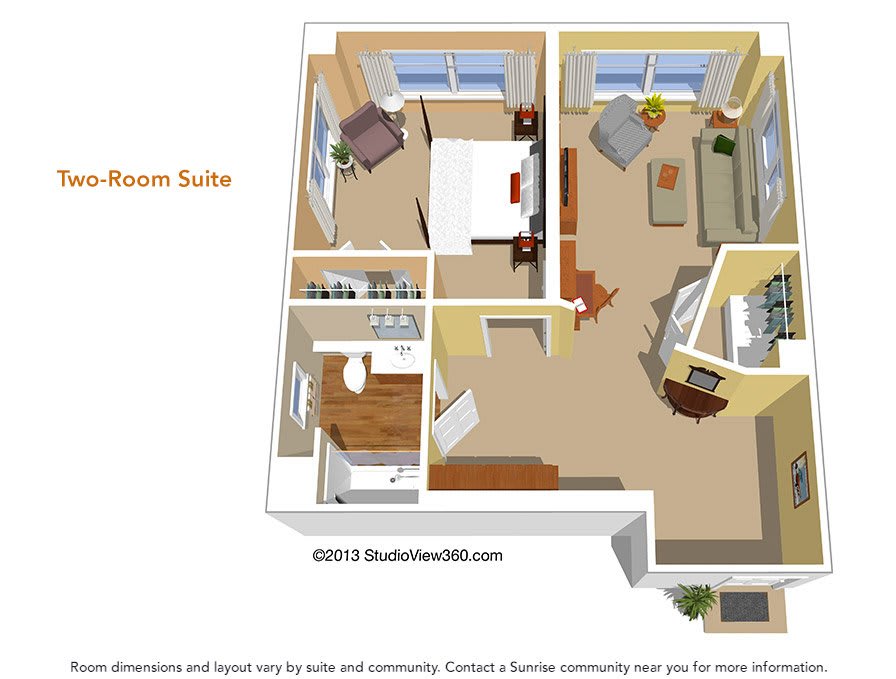
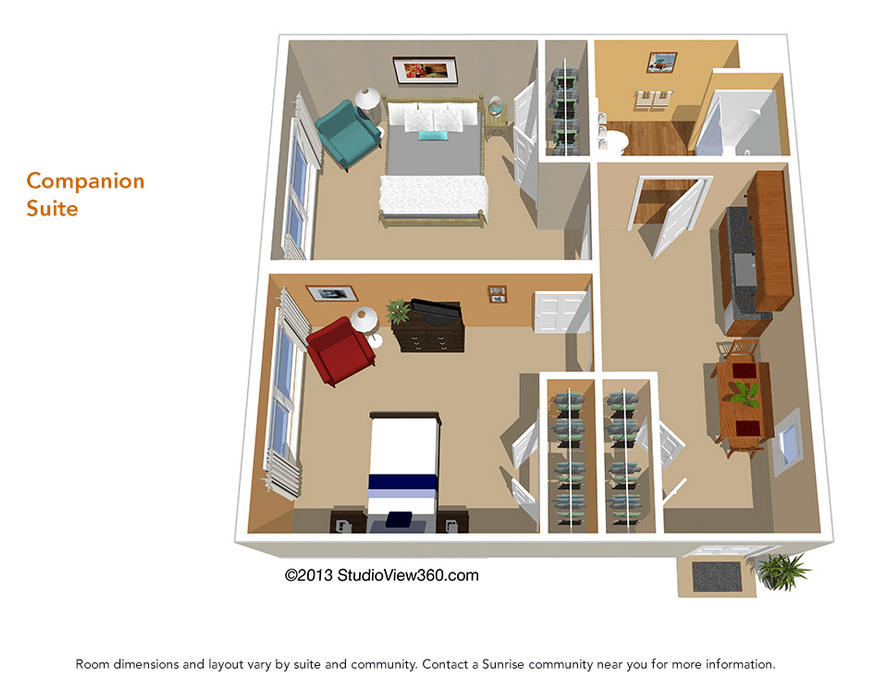
Floor plans
Sunrise at Bon Air
Richmond city
Virginia
Semi-Private
$5,520
$3,174
$3,991
2 Bedrooms
$5,837
$3,533
$4,602
Studio
$6,540
$3,749
$4,436
1 Bedroom
$11,220
$3,668
$4,257
Memory care communities with a similar price nearby
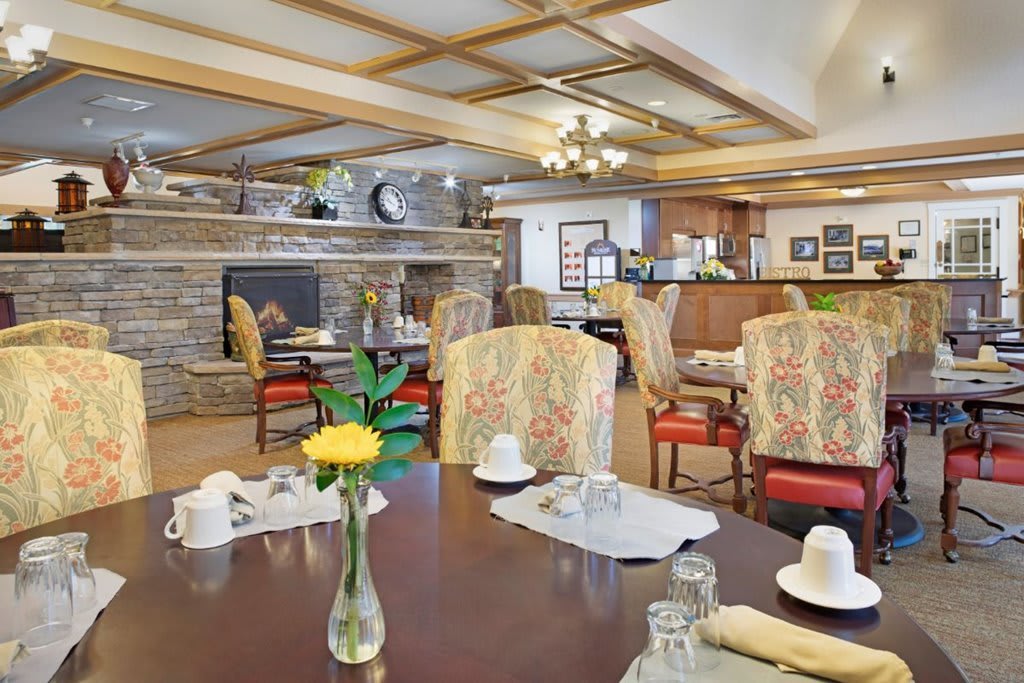
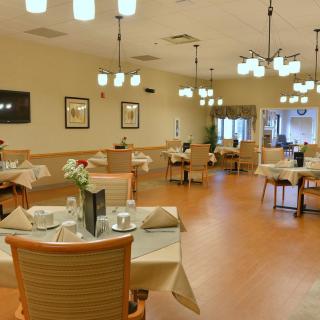
Residents and families describe the meals as varied and satisfying.
Food is one of the most consistently praised day-to-day parts of Sunrise at Bon Air, with multiple reviews calling out tasty, diverse meals and plentiful options. Several residents and families mention having enough staff support to help at mealtimes when assistance is needed. A few reviews mention occasional issues like vegetables being over-cooked or dining not being great, but the overall tone stays positive. This matches the community’s restaurant-style dining setup and chef-prepared meal approach.
common10 reviews mention this
Activities keep residents engaged
Many reviews describe daily activities and resident entertainment.
Reviews frequently mention an active schedule with group activities such as bingo, games, and music, along with outings and day trips. Families also talk about residents enjoying things in-house, and one review notes more limited activity options for memory care while still finding the resident engaged. A couple of reviews raise concerns about timing or whether the activity calendar is fully followed, but the majority describe meaningful engagement. The community also emphasizes planned programming and a mix of on-site and off-site options.
common12 reviews mention this
Staff communication feels hit-or-miss
Residents and families often describe caring, attentive help from staff.
Many reviews say staff are friendly, helpful, and responsive, and that they stay engaged with residents by learning names and checking in. Some families also describe strong teamwork between caregivers and outside providers, and praise how staff handle changes in needs. At the same time, a recurring negative thread is that care can feel inconsistent, especially for residents who require more frequent attention, along with concerns about follow-through and communication with outside care like hospice. Overall, the staff experience varies by unit and situation.
caveat8 reviews mention this
Memory care complaints are serious
Several reviews describing dementia care report neglect or inadequate oversight.
A notable portion of the negative feedback focuses on dementia and memory care, with families describing long stretches without staff help and a lack of meaningful engagement. Some reviews also describe unsafe or neglectful situations, including concerns about monitoring, responsiveness to call bells, and medication or hygiene problems. While a few reviews acknowledge kindness from individual staff members in the memory care area, the complaints emphasize inconsistency and unmet expectations. Residents in memory care may have very different experiences depending on staffing and follow-through.
caveat10 reviews mention this
Cost stands out as the drawback
Multiple reviewers say the monthly cost is too high.
Pricing comes up repeatedly, with families calling Sunrise “expensive” and describing it as beyond what they could afford. Some negative reviews also connect the high cost to frustration with care quality and billing issues, including delays in credits or additional charges. Even positive reviews commonly mention the expense as a tradeoff. Across unit types, the listed pricing is substantially above both county and state benchmarks.
caveat2 reviews mention this
Parking can be difficult
Some reviews report limited or inconvenient parking for visitors.
A few families mention trouble finding parking and describe staff using visitor-only spaces. One review adds that overflow parking is across the street at a church, but still suggests the main parking situation could be better. This is a smaller, more specific frustration compared with the larger themes of care and cost.
How we summarize
Counts show how many written reviews mention each theme; a review can touch several themes, and only frequently mentioned themes are displayed.
Features
Housing
94 resident community capacity
1-bedroom apartments
Studio apartments
Types of Care
Assisted Living
Memory Care
Amenities
Activities off-site
Activities on-site
Air-conditioning
Beautician on-site
Beauty salon
Cable or satellite TV
Computer center
Devotional services off-site
Devotional services on-site
Dining room
Fitness room
Fully furnished
Gaming room
Garden
Ground floor units
Handicap accessible
Housekeeping services
Indoor common areas
Kitchenette
Laundry
Move-in coordination
Outdoor common areas
Outdoor space
Party space
Private bathrooms
Respite or short term stays offered
Restaurant-style dining
Small library
Telephone
Wellness center
Wheelchair accessible showers
Wi-Fi/high-speed internet available
Transportation
Richmond International (16 miles away)
Community operated transportation
Transportation arrangement
Transportation arrangement (non-medical)
Care Services
12-16 hour nursing
24-hour call system
24-hour supervision
Activities of daily living assistance
Assistance with bathing
Assistance with dressing
Assistance with transfers
Coordination with health care providers
Diabetes diet
Diabetic care
High acuity care
Incontinence care
Meal preparation and service
Medication management
Mental wellness program
Mild cognitive impairment
Special dietary restrictions
Specialized memory care programming
Transportation arrangement (medical)
Transportation to doctors appointments
Dining
Diabetes diet
Guest meals
Low / no sodium
Meals provided
No Sugar
Professional chef
Restaurant style dining
Special dietary restrictions
Special dining programs
Activities
Activities off-site
Activities on-site
Art classes
Community-sponsored activities
Concierge services
Day trips and outings
Devotional activities offsite
Devotional activities on-site
Educational speakers / life long learning
Fitness programs
Happy hour
Live well programs
Other religious services
Pet-focused programs
Planned day trips
Religious services
Resident-run activities
Scheduled daily activities
Languages Spoken
English
Nearby Places of Interest
This part of Richmond, Virginia, offers a convenient and diverse range of amenities for seniors looking to settle in the area. With several pharmacies located within close proximity, access to medical care is easily accessible. The abundance of parks provides opportunities for outdoor recreation and relaxation. There are also plenty of dining options nearby, ranging from fast food to sit-down restaurants. For healthcare needs, there are various physician offices and hospitals within a short distance. Additionally, places of worship are available for spiritual fulfillment. Overall, this neighborhood offers a comfortable and vibrant environment for seniors to consider for their next chapter in life.
Sunrise at Bon Air offers a range of living options at price points that reflect the premium services and amenities provided. For semi-private rooms, residents can expect to pay $5,520 per month, which is significantly higher than the average costs in Richmond city ($3,174) and across Virginia ($3,991). The two-bedroom unit is priced at $5,837, again surpassing both local and state averages. Studio apartments are available for $6,540, while one-bedroom accommodations come in at $11,220 - substantially more than the typical costs of $3,749 in Richmond city and $4,257 statewide. These figures illustrate that while Sunrise at Bon Air may be more costly than other options in the area, this investment reflects a commitment to providing high-quality care and a supportive environment for its residents.
The comprehensive features offered at Sunrise at Bon Air play a crucial role in supporting residents with dementia or Alzheimer's disease by creating a safe, engaging, and nurturing environment. With 24-hour supervision, staff can promptly address the needs of residents, ensuring their safety and comfort at all times. Assistance with daily living activities such as bathing, dressing, and transfers helps maintain personal hygiene and dignity while fostering independence where possible. Coordination with healthcare providers ensures that medical needs are met efficiently, while medication management keeps residents on track with their prescribed treatments. Incontinence care adds an extra layer of support for maintaining dignity in challenging situations. Meal preparation and service tailored to the dietary requirements of residents promote health and well-being, while specialized memory care programming offers cognitive stimulation suited to varying stages of memory loss. Mental wellness programs enhance emotional health by providing social engagement and therapeutic activities. Additionally, transportation arrangements for medical appointments facilitate access to necessary healthcare services. Each feature is designed not only to assist but also to enrich the lives of residents, addressing both their physical and emotional needs comprehensively.
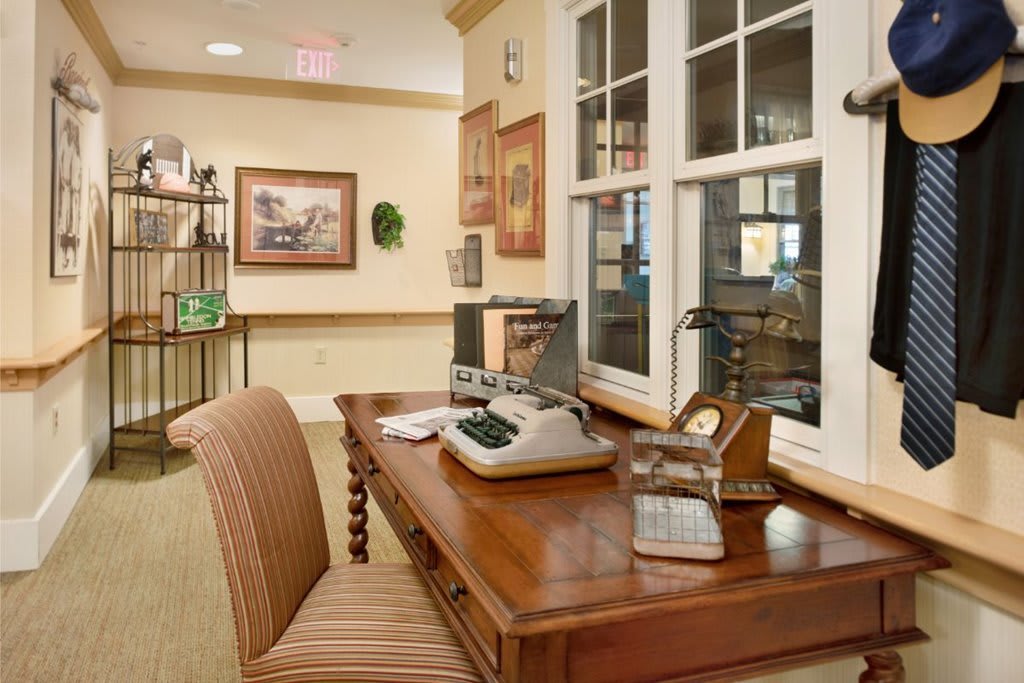
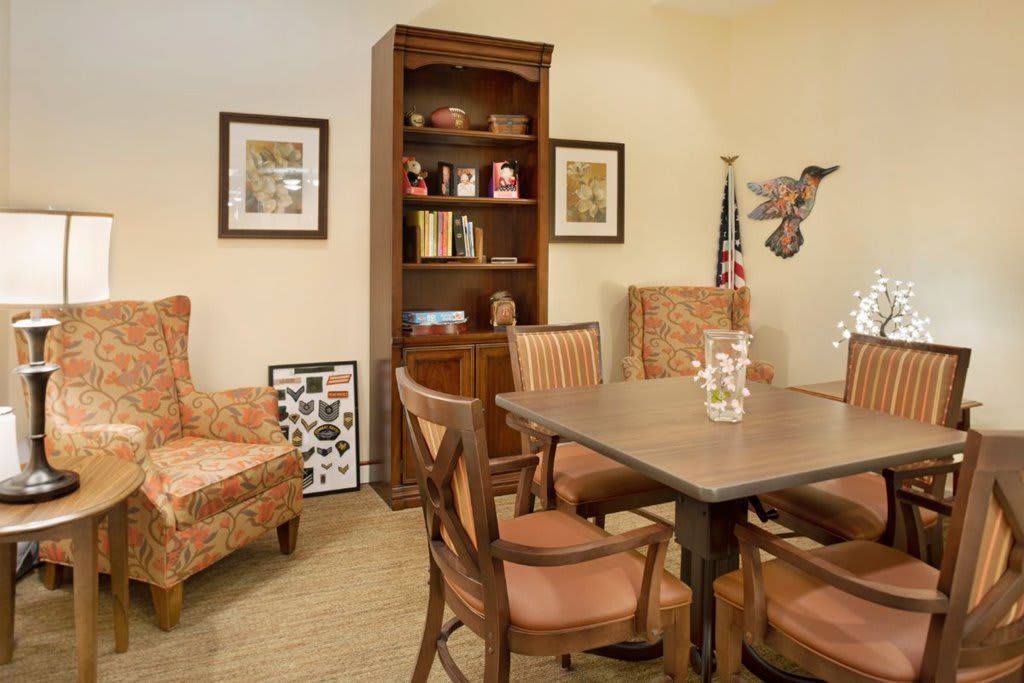
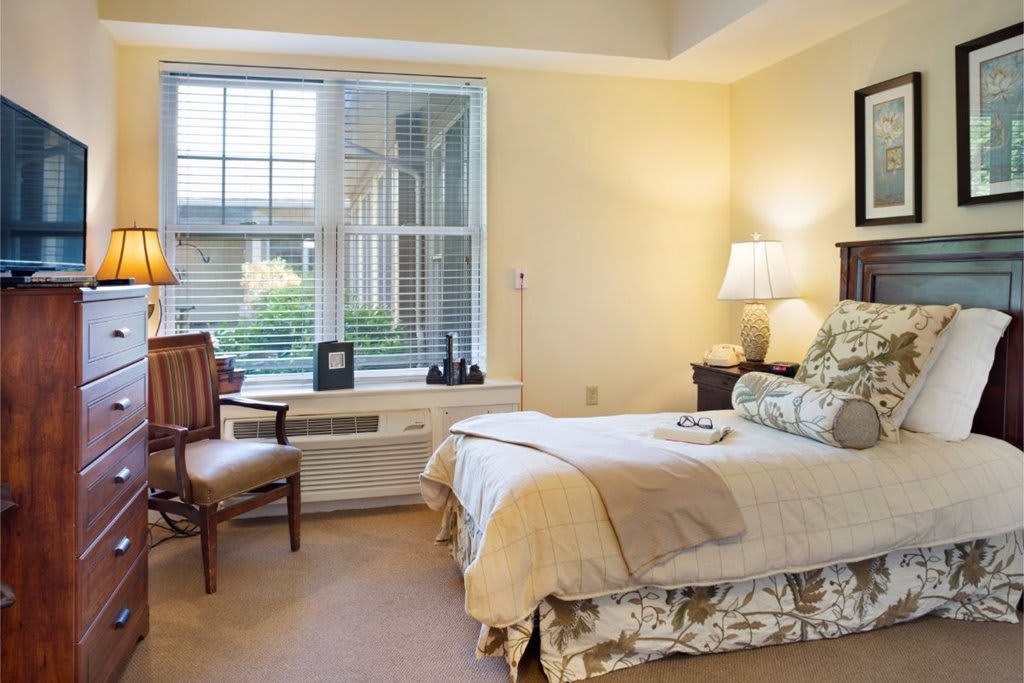
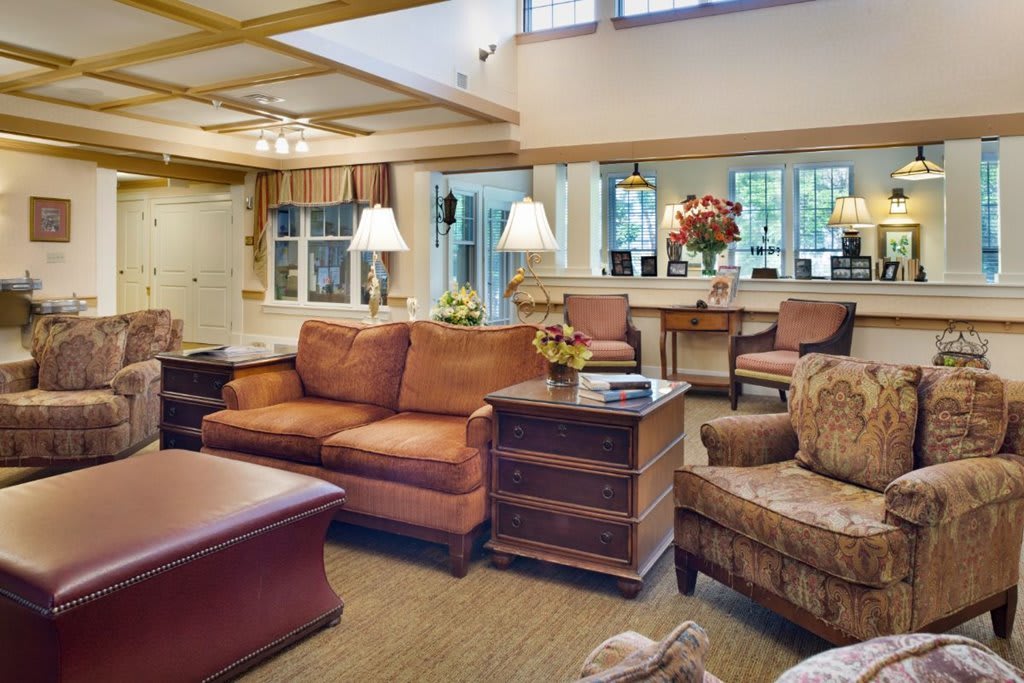
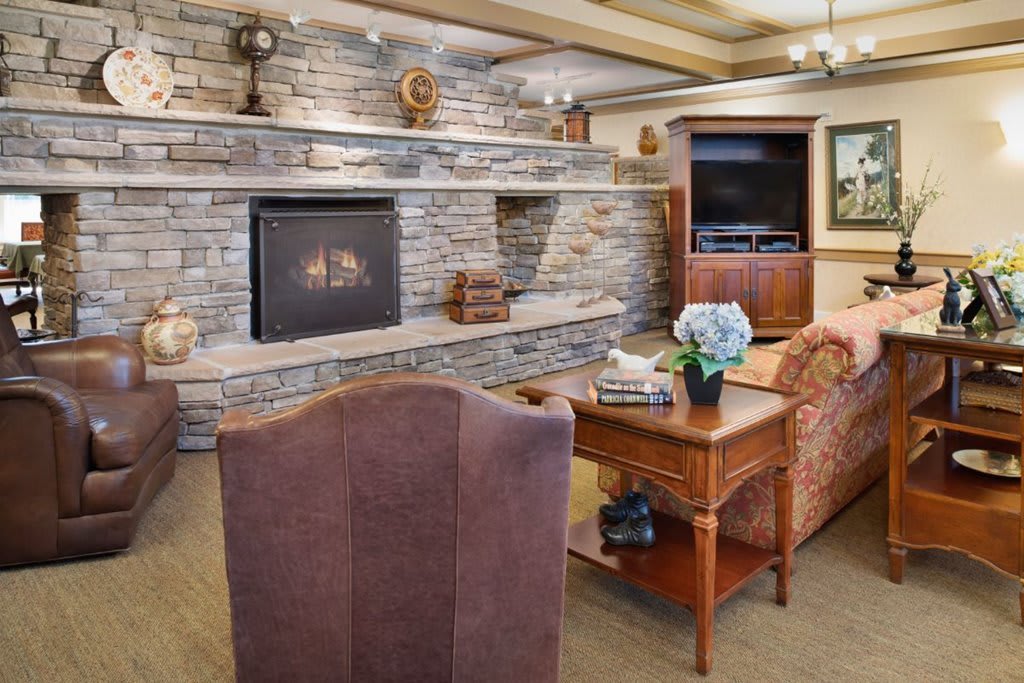
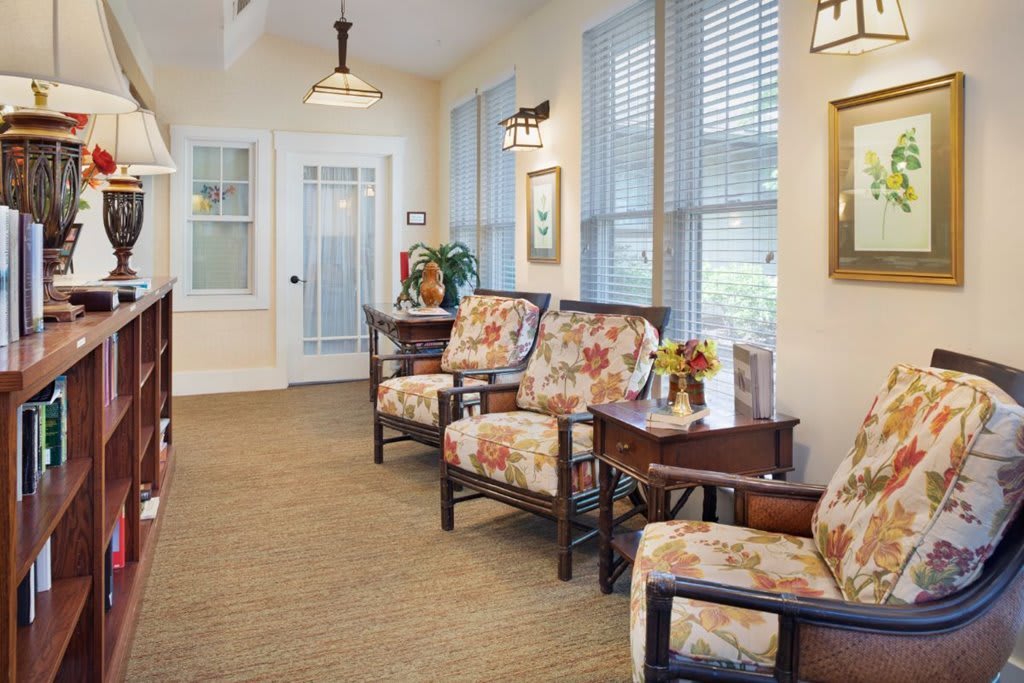
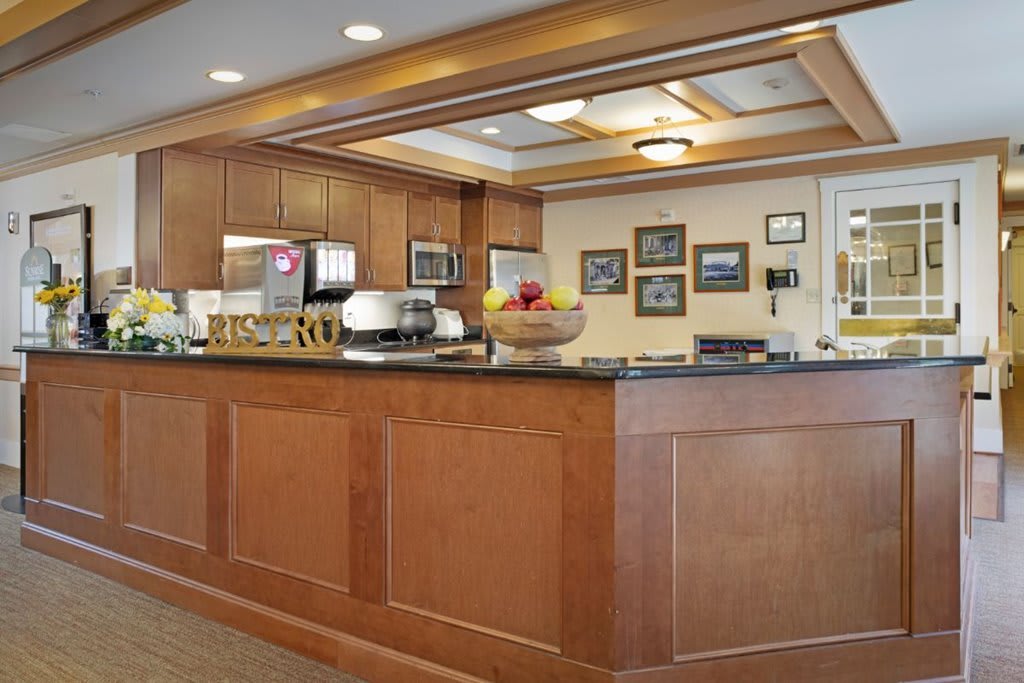
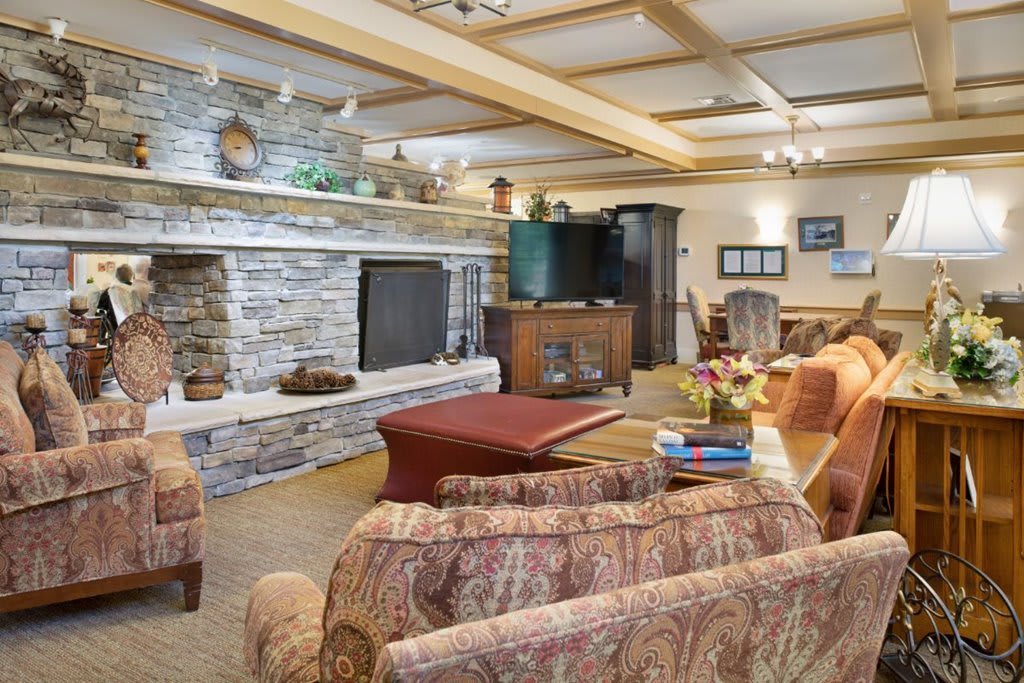
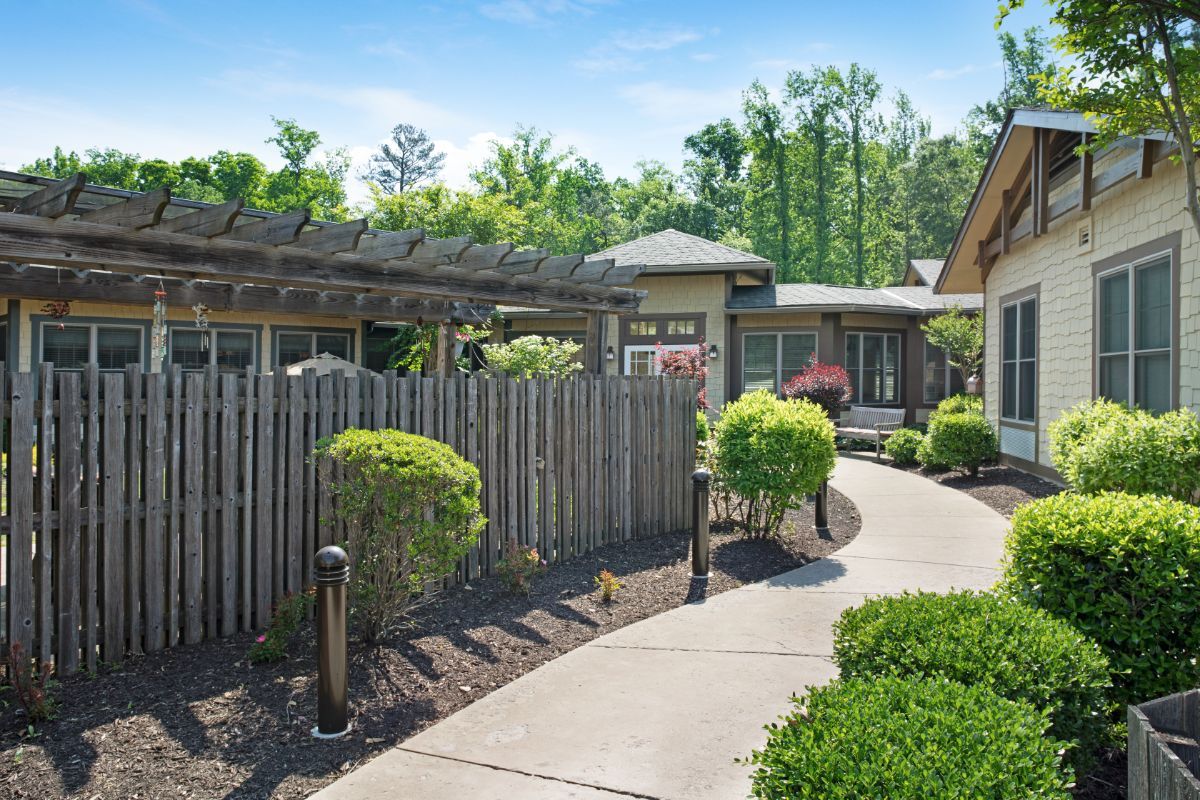
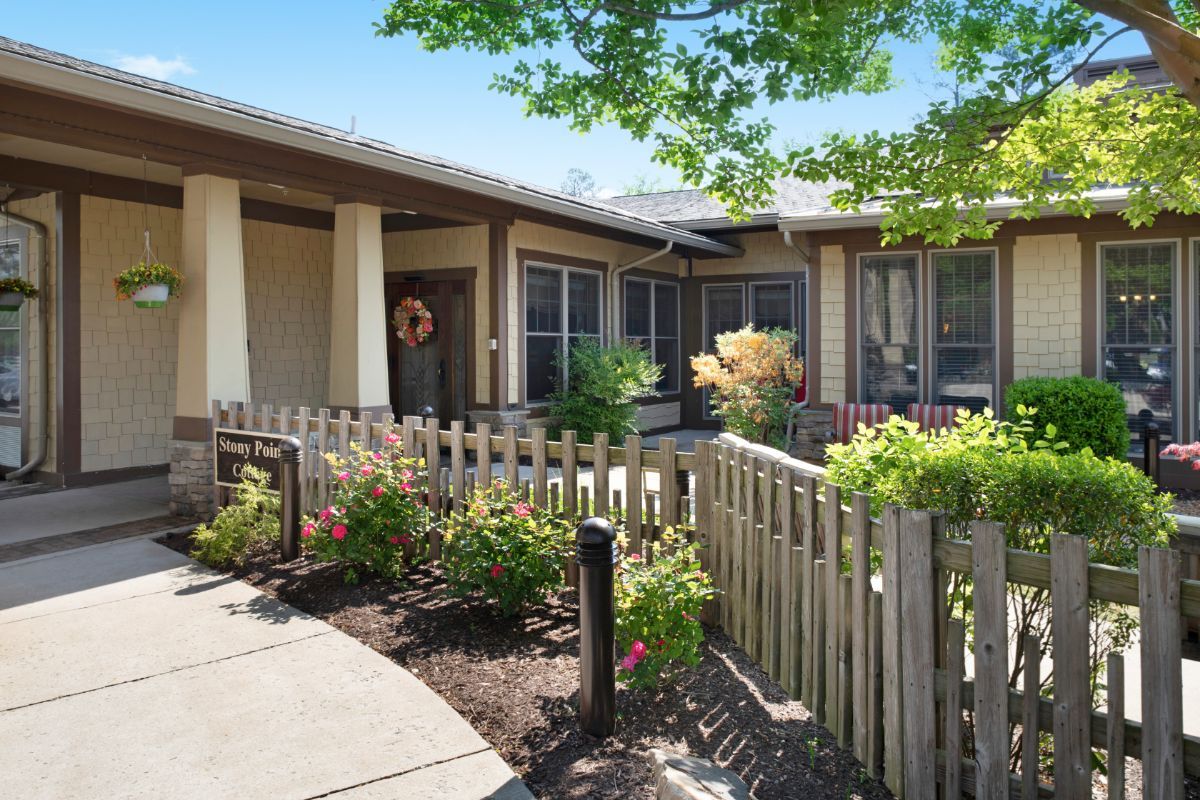
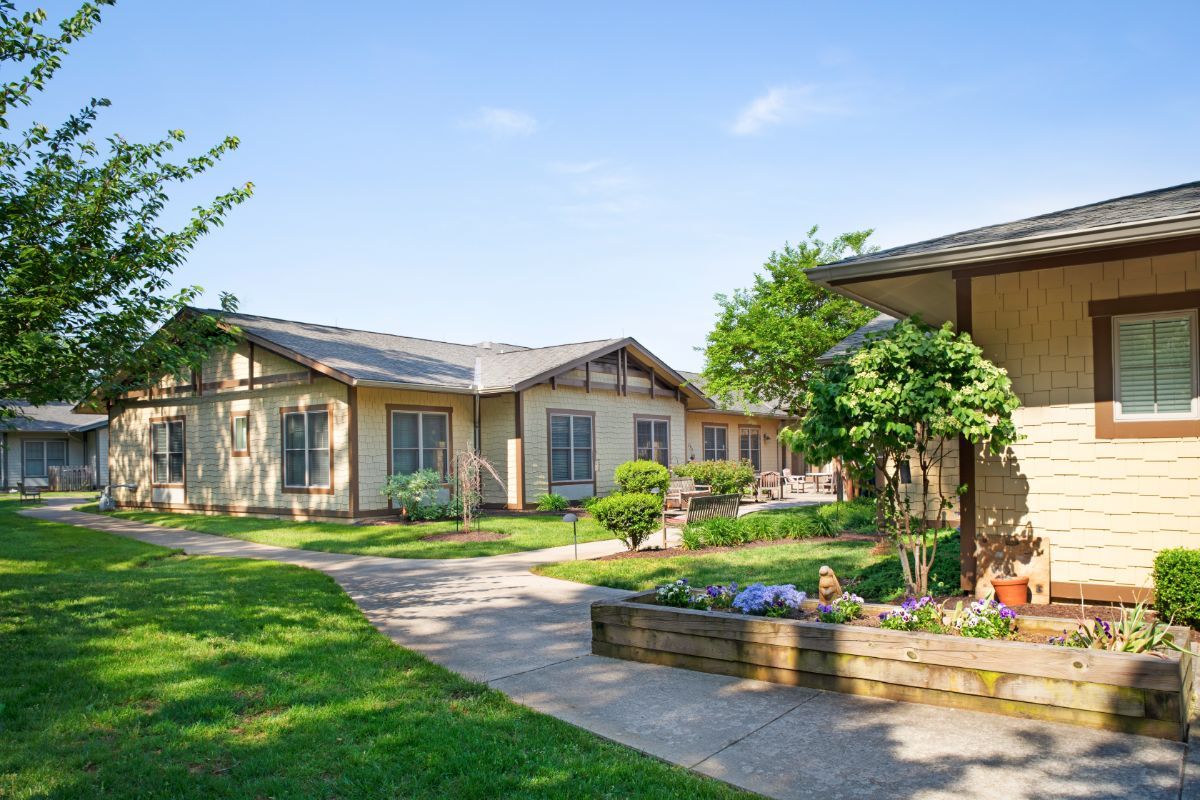
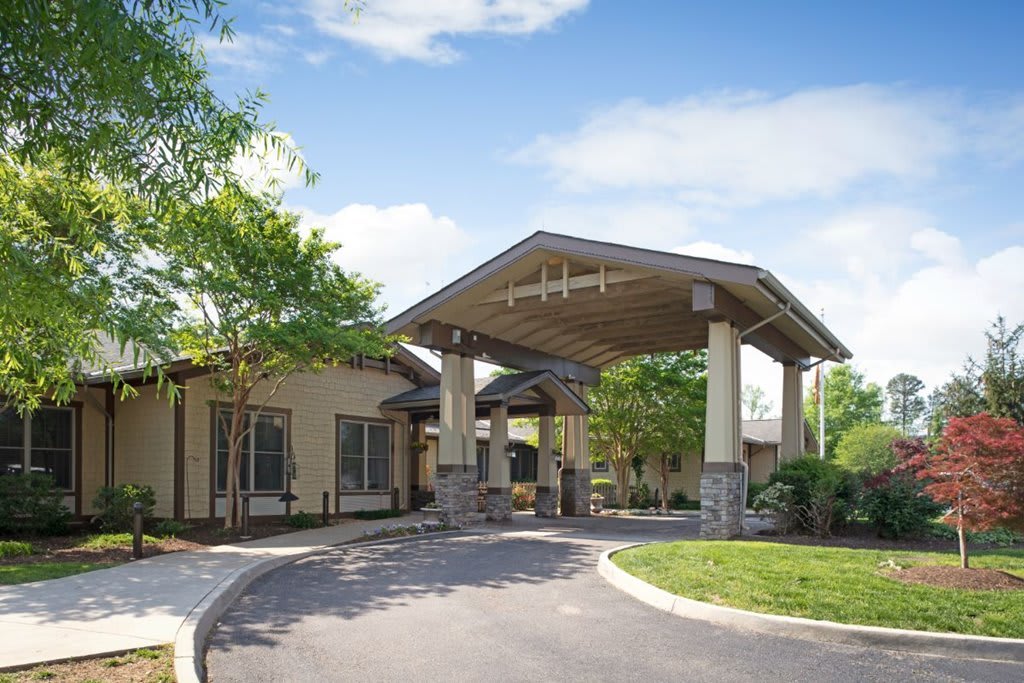
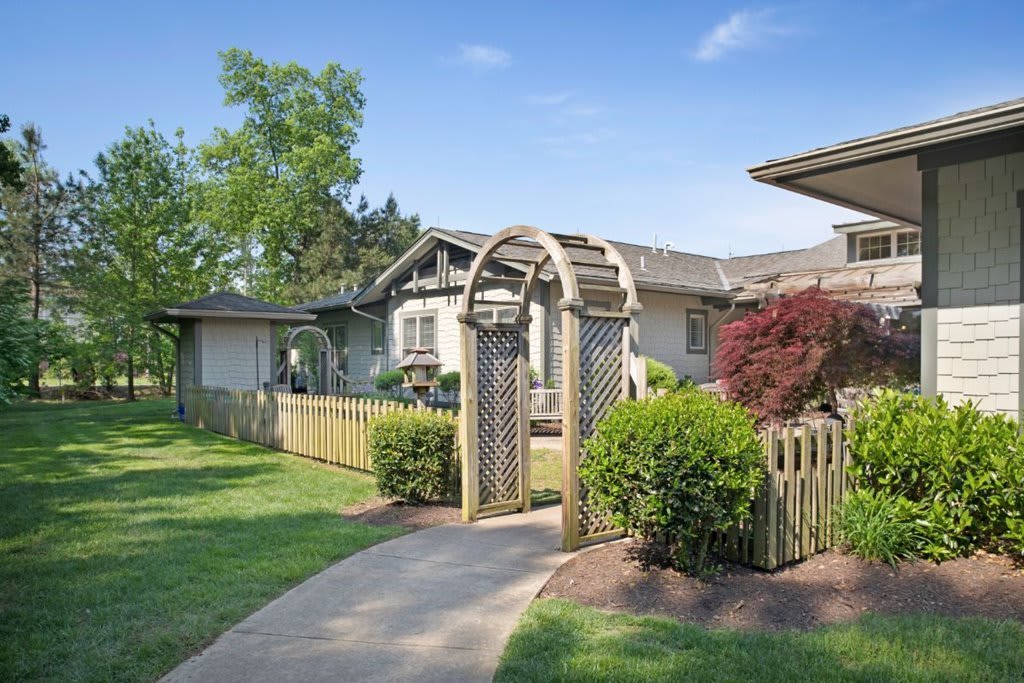
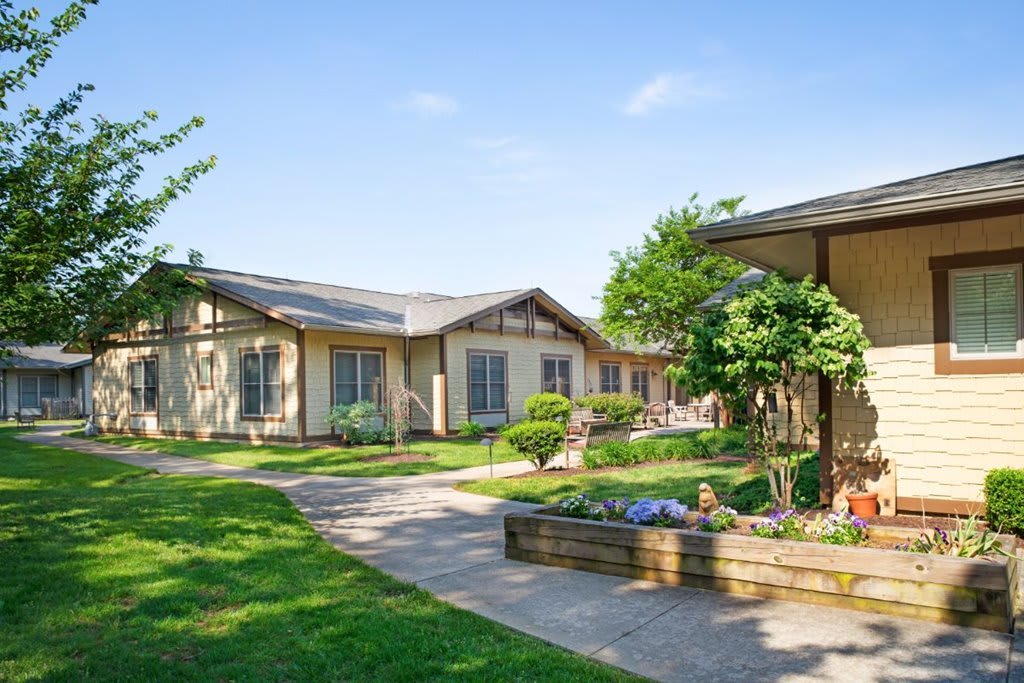
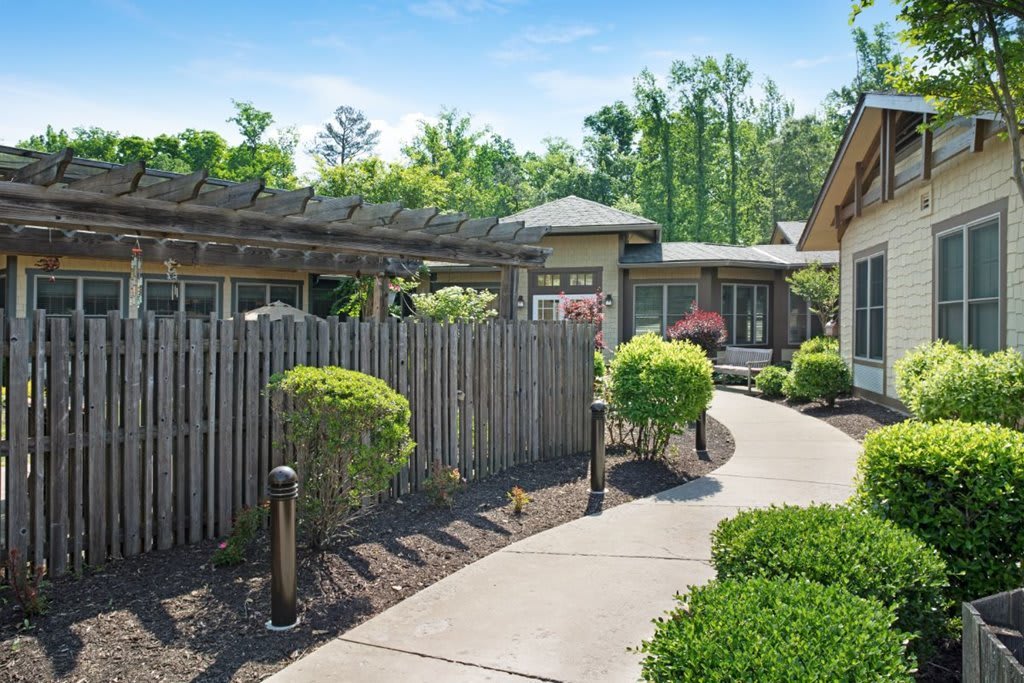
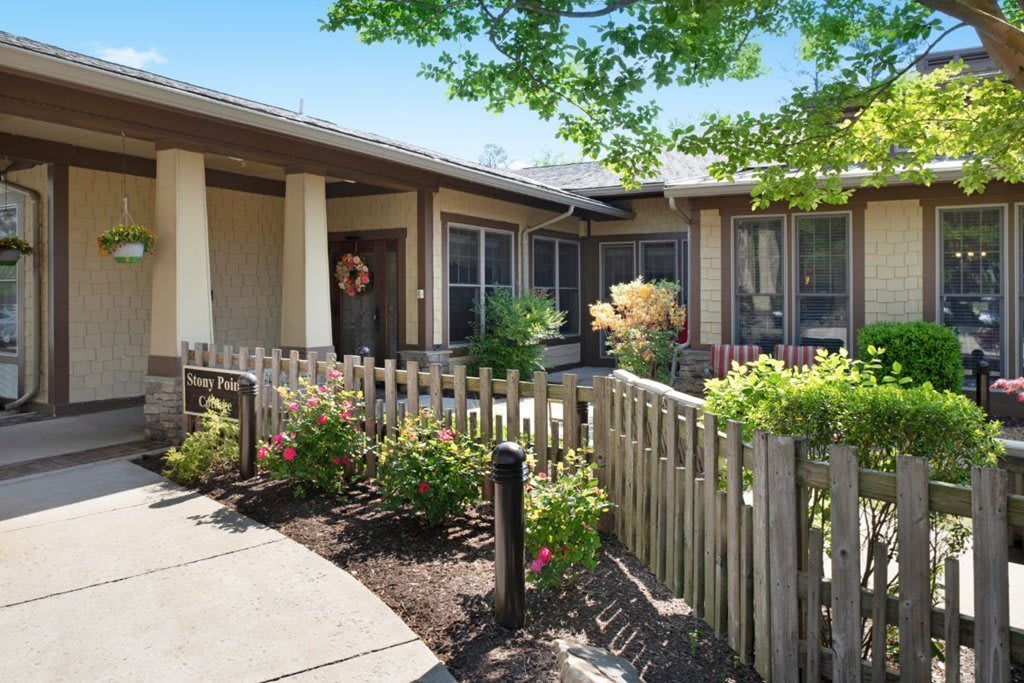
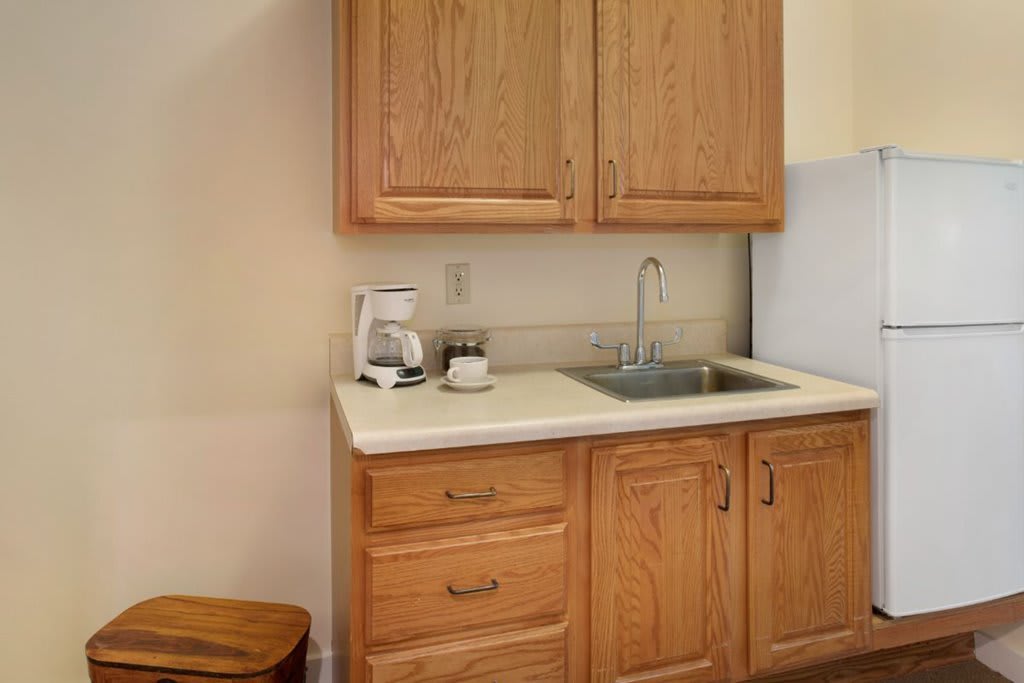
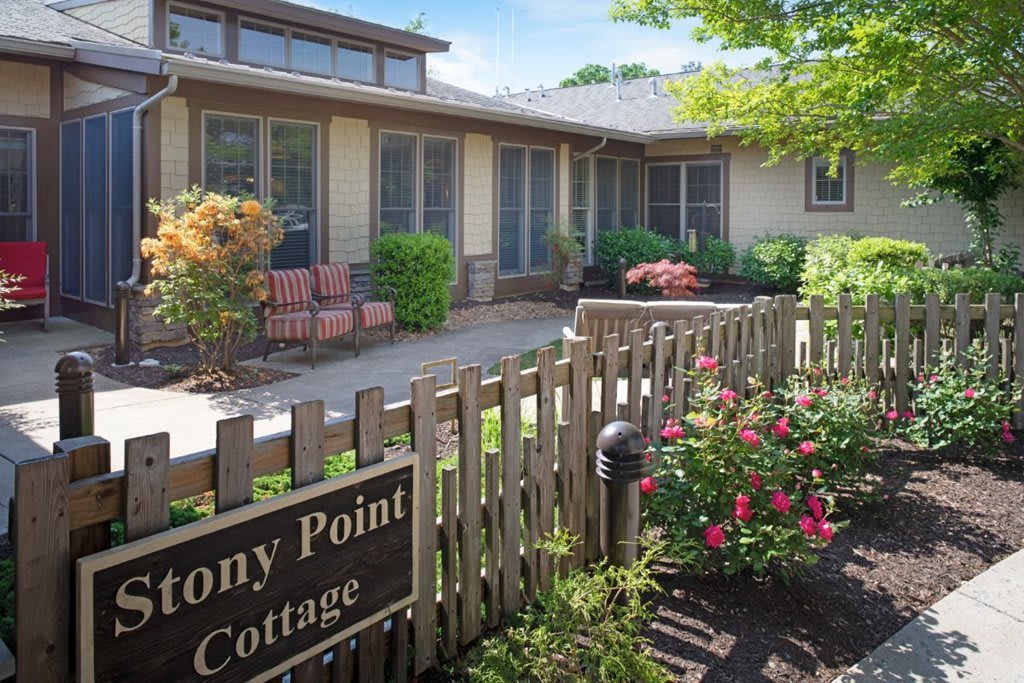
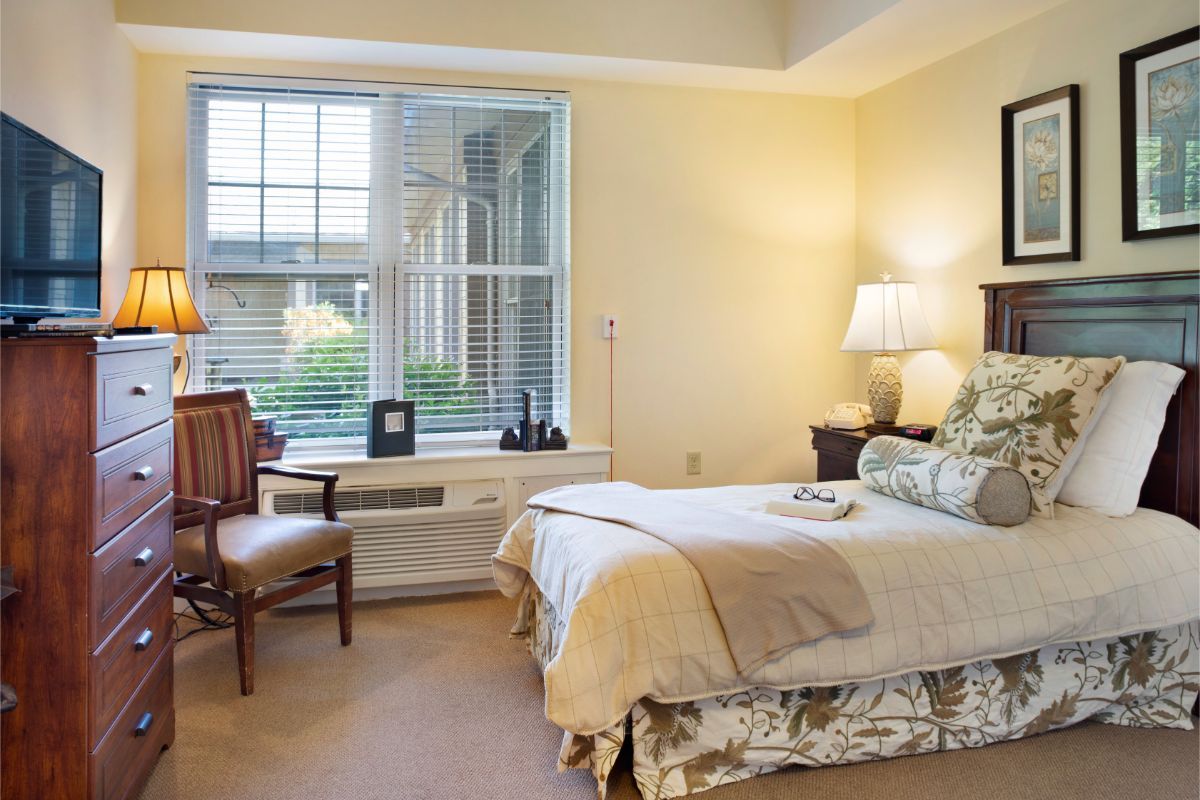
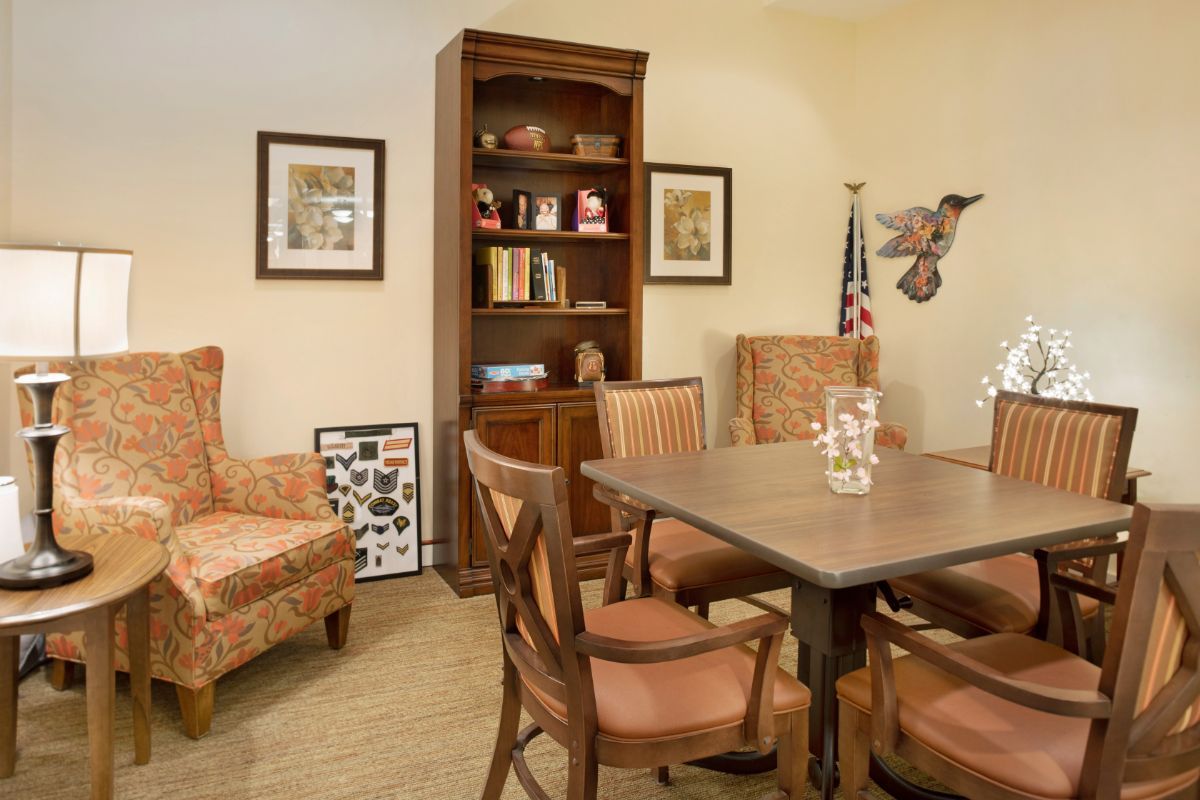
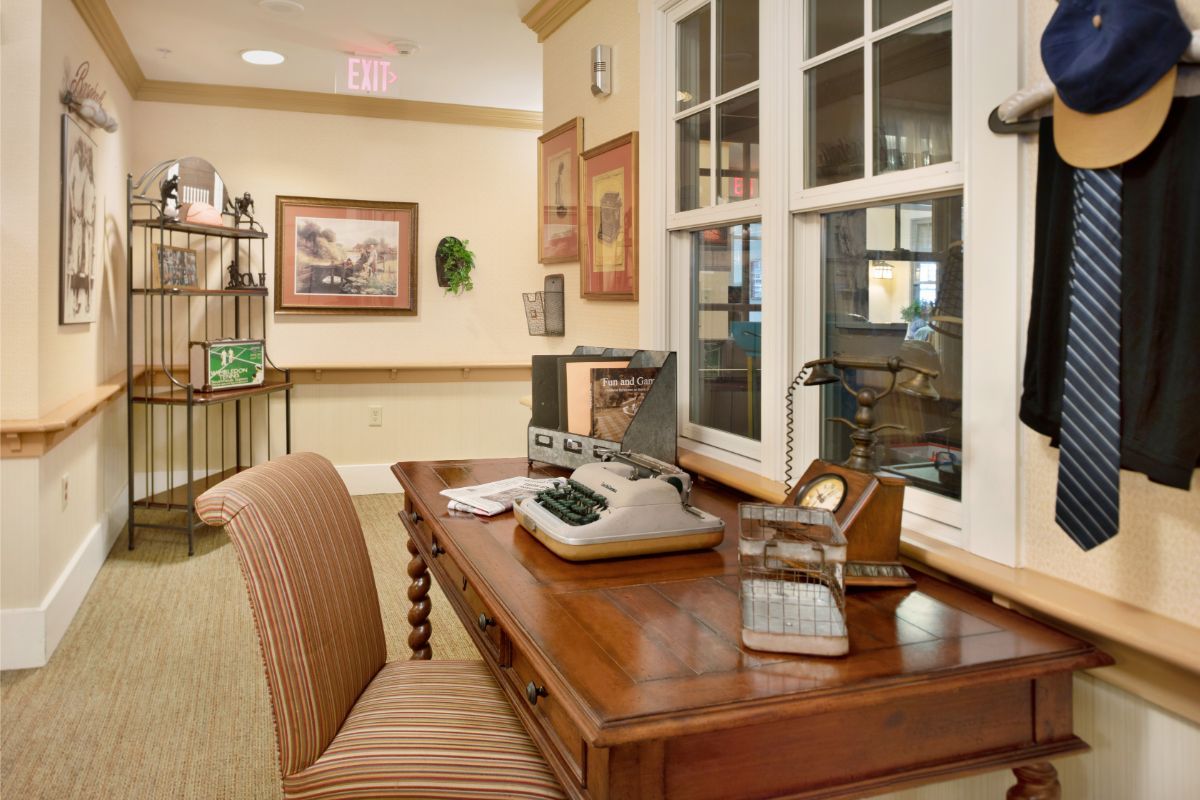
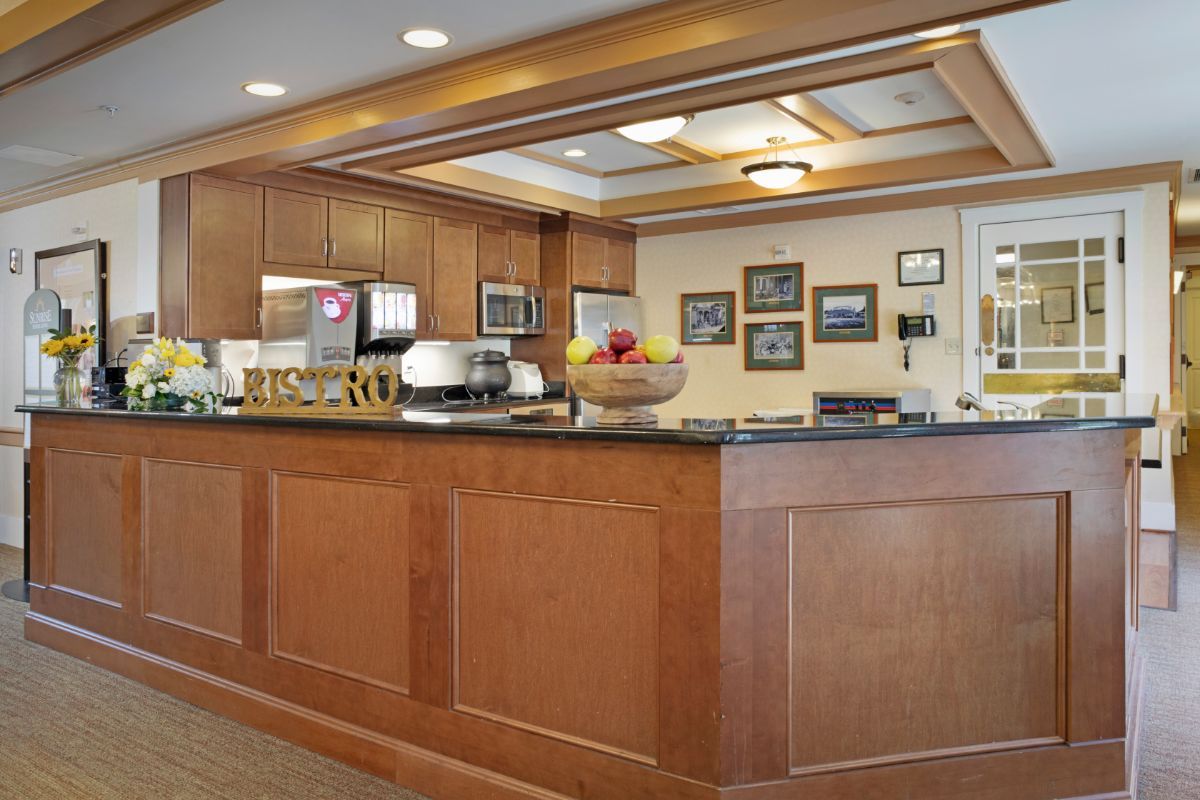
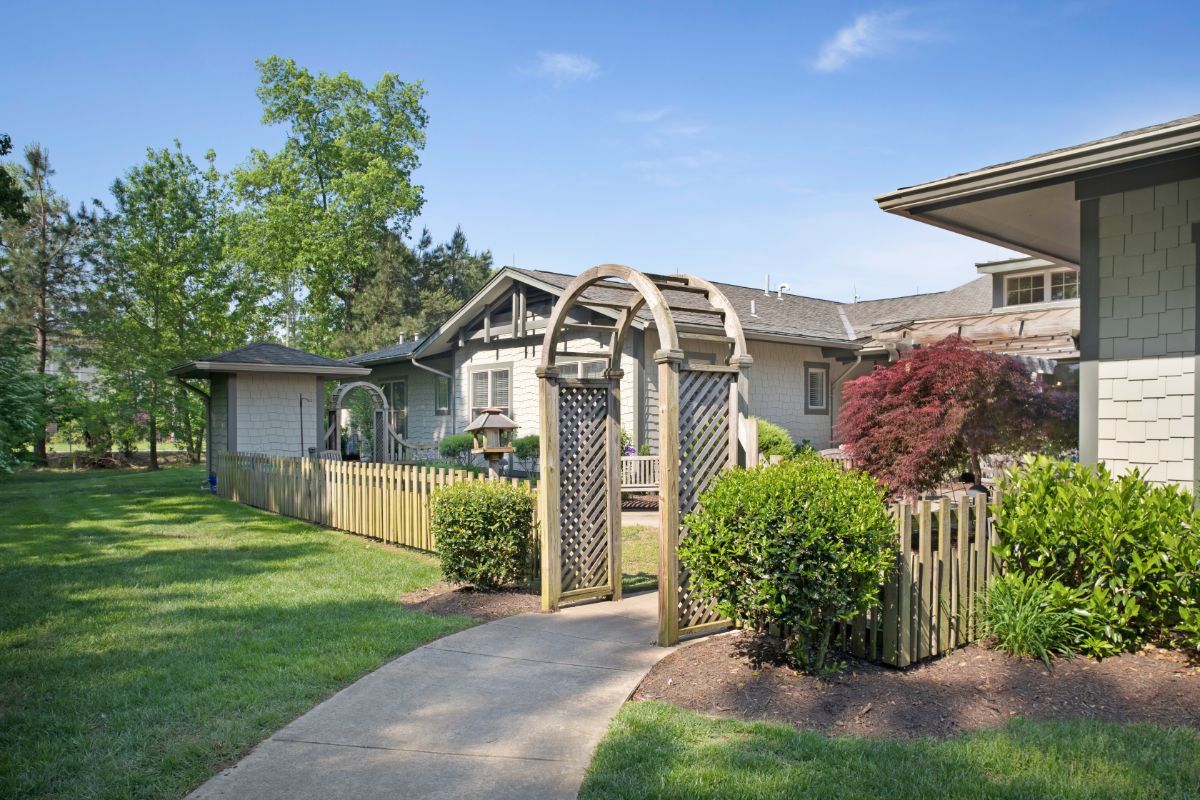
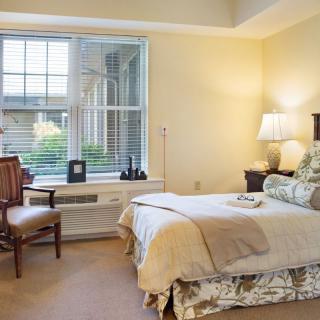
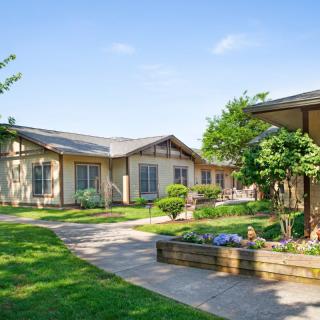
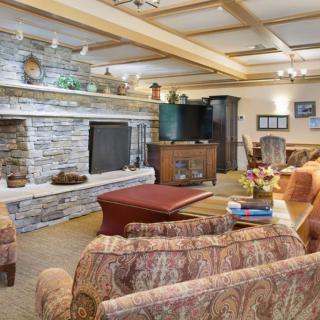
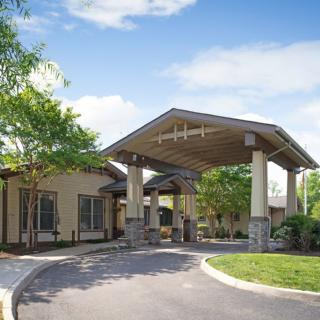
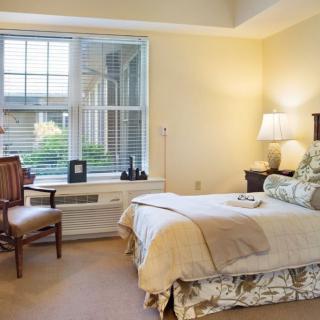
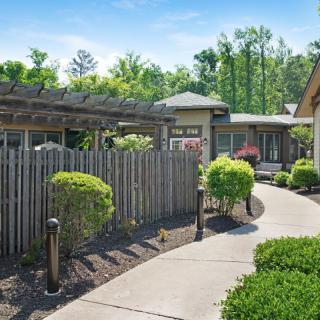
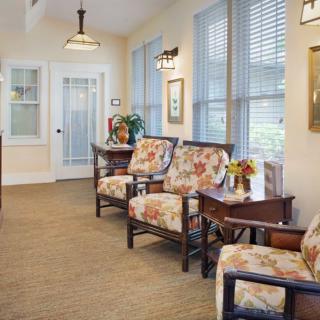
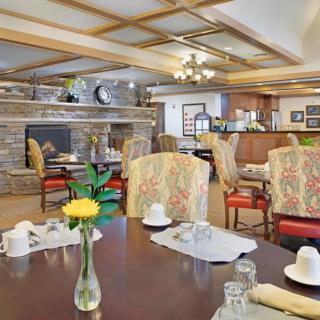
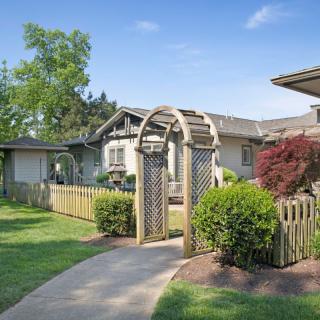
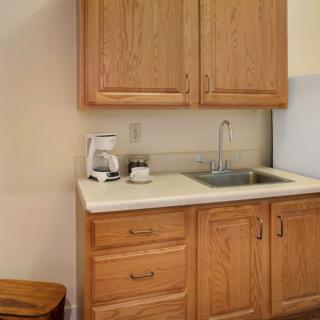
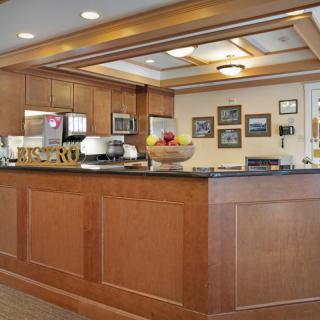
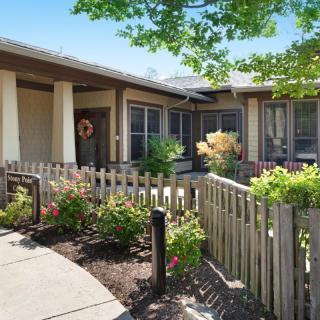
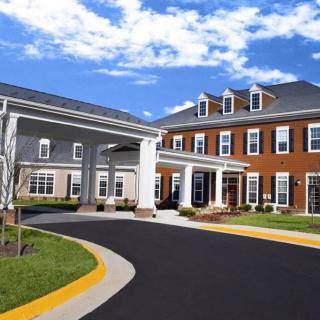
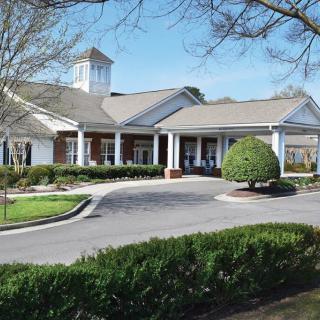
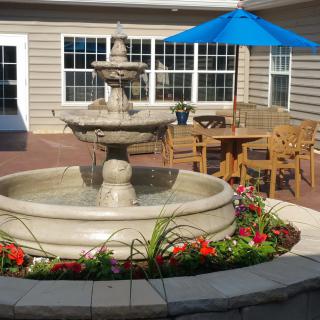
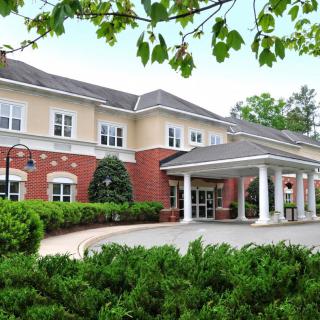
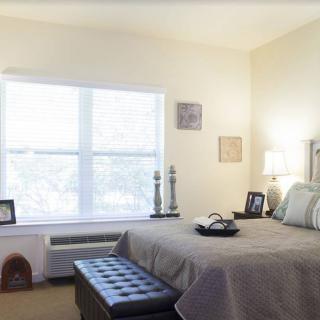
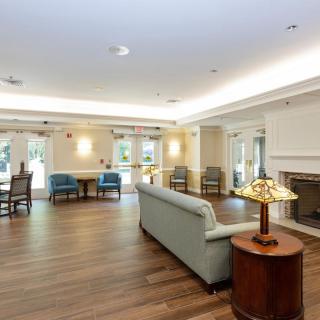
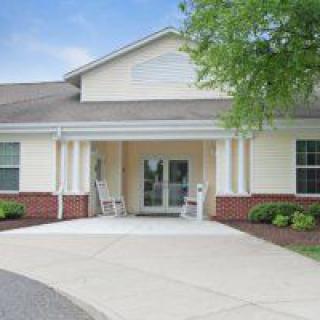
Sunrise at Bon Air on seniors.fyi includes 30 photos including images showing interior, landscaping, decor, garden, pathway, floor plan, trees, fence, and more.
Nearby Communities
Anthology Of Midlothian
Richmond, VA
4.7 from 90 reviews
24/7 supervision with memory-care programming and a wide range of amenities (dining, fitness, beauty salon, transportation, housekeeping) and engaging activities.
Bickford Of Chesterfield
Midlothian, VA
4.6 from 53 reviews
Caring, attentive staff in a warm, home-like setting with engaging activities.
Laurels of Willow Creek
Midlothian, VA
4.4 from 146 reviews
$5,280 / month
Engaging activities and friendly staff.
The Laurels Of Willow Creek
Midlothian, VA
4.6 from 100 reviews
Broad on-site amenities and comprehensive care services.
Morningside Of Bellgrade
Midlothian, VA
4 from 115 reviews
$2,950 to $4,475 / month
Caring staff with improved management and engaging activities.
Dementia is characterized by cognitive decline, with nutrition playing a vital role in brain health; while no specific diet can prevent or reverse it, a nutrient-dense diet rich in antioxidants and healthy fats may support cognitive function. The MIND diet, which emphasizes beneficial foods and limits processed items, along with proper hydration and individualized meal strategies, can enhance the well-being of dementia patients.
Dementia affects memory and cognitive function in older adults, presenting challenges for caregivers due to behavioral changes such as confusion and mood swings. Compassionate, person-centered care that considers individual history and preferences, along with effective communication and environmental modifications, is essential for supporting both patients and their caregivers.
Dementia leads to cognitive impairment and can cause emotional and behavioral changes, including aggression that arises from frustration, confusion, or fear. Effective coping strategies for caregivers include understanding dementia's nature, recognizing triggers, using empathetic communication, and employing non-pharmacological interventions like music and art therapy.
Get PricingAsk A QuestionSchedule A TourContact Senior Advisor
By clicking submit, you agree to our Partner's Terms of Use. You
also consent to receive calls and texts, which may be autodialed, from our Partner. Your consent is not a condition to
using our Partner's service. Please visit our Partner's Privacy Policy for information about their privacy practices.



 94 resident community capacity
 1-bedroom apartments
 Assisted Living
 Memory Care
 Activities off-site
 Air-conditioning
 Beautician on-site
 Cable or satellite TV
 Computer center
 Devotional services off-site
 Dining room
 Fitness room
 Fully furnished
 Gaming room
 Garden
 Ground floor units
 Handicap accessible
 Housekeeping services
 Indoor common areas
 Kitchenette
 Laundry
 Move-in coordination
 Outdoor common areas
 Party space
 Private bathrooms
 Respite or short term stays offered
 Restaurant-style dining
 Small library
 Telephone
 Wellness center
 Wheelchair accessible showers
 Wi-Fi/high-speed internet available
 Richmond International (16 miles away)
 Community operated transportation
 12-16 hour nursing
 24-hour call system
 Assistance with bathing
 Assistance with dressing
 Assistance with transfers
 Diabetes diet
 Diabetic care
 High acuity care
 Incontinence care
 Medication management
 Mental wellness program
 Special dietary restrictions
 Transportation arrangement (medical)
 Art classes
 Concierge services
 Day trips and outings
 Educational speakers / life long learning
 Happy hour
 Pet-focused programs
 English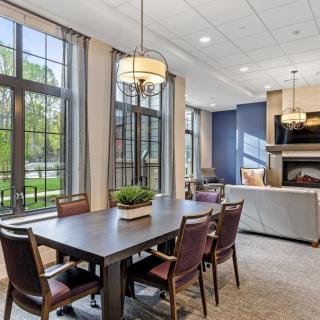
 24/7 supervision with memory-care programming and a wide range of amenities (dining, fitness, beauty salon, transportation, housekeeping) and engaging activities.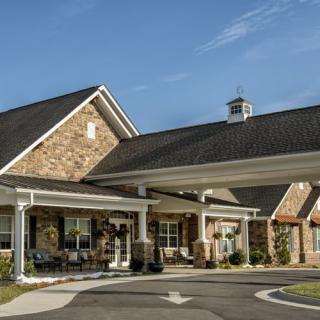



 Nourishing the Mind: Essential Dietary Approaches for Dementia
 Understanding Dementia Behaviors: Practical Insights and Strategies for Caregivers
 When Dementia Sparks Anger and Aggression: Understanding the Connection and Ways to Cope