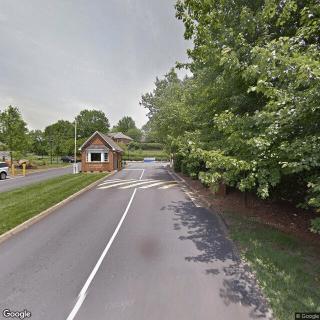
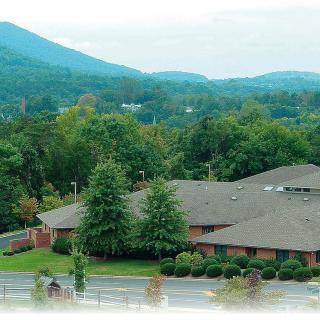
Louisa Health & Rehabilitation Center in Louisa, VA

Save

Louisa Health & Rehabilitation Center in Louisa, VA

210 Elm Street, Louisa, VA 23093

For more information about senior living options: (844) 490-3973

4.6 from 100 reviews
5 stars
88
4 stars
4
3 stars
0
2 stars
0
1 stars
8

Skilled Nursing Facility

Overall Review of Louisa Health & Rehabilitation Center

Pros

  • pro The therapy staff are phenomenal and dedicated to helping residents regain independence.
  • pro The nursing staff lead their teams with grace and consistently provide attentive care.
  • pro The facility is clean, well-kept, and has a welcoming atmosphere.
  • pro The activities department offers engaging and enjoyable programs for residents.
  • pro Families report that residents are treated like family and that staff genuinely care.
  • pro The front desk and administration are friendly, helpful, and responsive.
  • pro The dining and food services are praised for quality and delicious meals.
  • pro The staff go above and beyond to ensure residents' comfort and safety.
  • pro The rehab and therapy teams have helped residents achieve meaningful progress.

Cons

  • pro One reviewer warns others not to trust the positive reviews and recounts a worst experience where medications were not given as prescribed, leading to hospital readmission.
  • pro A critic claims the staff are horrible and the facility should be shut down, citing malnourishment and stage 3 bedsores that led to hospice care.
  • pro Another reviewer describes awful communication, noting a lack of updates and mishandling of care (including PT and meals) that resulted in deterioration.
  • pro A family member says it is one of the worst places to leave a loved one and that they cannot wait to bring them home.
  • pro A post simply labels the facility as neglectful, underscoring serious concerns about care.
  • pro A commenter reports hygiene failures and loss of personal items, implying neglect and poor management.
  • pro A critic asserts that if the staff do not show care and dignity toward residents, the facility should not remain open.

Review

Louisa Health & Rehabilitation Center is best suited for families seeking strong rehabilitation outcomes in a warm, community-focused setting. This community excels for residents who respond to hands-on therapy and daily engagement, and for caregivers who value visible compassion from a stable nursing team. Reviewers consistently praise a clean facility, attentive front-desk staff, and leadership that places resident well-being at the center. Therapy is practical and goal-driven, with many residents progressing toward independence and even reclaiming walking ability under the care of seasoned PT/OT professionals. The atmosphere feels like a close-knit town where families are kept informed and involved, and where activity programming aims to include everyone in meaningful ways.

On the other hand, prospective entrants should consider alternatives if risk management and airtight communication are paramount. The reviews include candid warnings from families who experienced lapses in care that led to serious consequences, including hospital readmissions, bedsores, and even deterioration in medical status. A pattern of concerns about medication delivery, timely responses to needs, and inconsistent updates to families appears in a subset of experiences. For residents with complex medical needs, memory-care requirements, or a history of fragile health, these factors may make other facilities a safer fit. In short, the strongest endorsements come with a caveat: care consistency must be actively verified.

The most persuasive strengths lie in the front-line care and the culture of engagement. The nursing team, often highlighted as steadfast and personable, provides reliable daily attention even when staffing pressures are noted, and the administration is described as hands-on and supportive. The cleaning, laundry, and maintenance crews keep the environment pristine, and the kitchen leadership - especially the Dietary Manager - receives praise for meals that look appealing and are served in a timely fashion. The activities department, led by Rochelle with strong support from Melissa and Keria, creates a robust calendar of events that resonates with residents and families alike, contributing to a sense of belonging and normalcy that underpins emotional well-being during recovery.

However, the cons cited by a portion of families cannot be ignored. There are repeated complaints about gaps in communication and about medication management, with at least one family reporting a failure to receives prescribed medicines promptly and the resulting negative health impact. Other reviews recount adverse outcomes such as pressure ulcers and weight loss after admission, and a handful describe disorganization or seemingly inconsistent discharge expectations. Loss of personal items and the perception of mixed messages from staff also surface in some accounts. While these appear as outliers within a generally positive overall rating, they are serious red flags that demand rigorous scrutiny before choosing this community.

The key question becomes whether the positives can reasonably offset the risks. For families prioritizing aggressive rehab, transparent progress updates, and a caring environment that treats residents like family, Louisa Health & Rehabilitation Center can deliver meaningful gains and daily happiness. The consistent praise for therapy effectiveness, staff warmth, and a thriving activity program suggests real value when the goal is mobility, mood, and social engagement. Yet the existence of credible reports of care gaps means the decision cannot rest on warmth and awards alone. Verification of current staffing levels, real-time med administration practices, and ongoing family communication is essential before committing.

The practical path to a confident decision is deliberate, not reactive. Prospective families should request a candid tour focused on staffing patterns, med-pass routines, and the pace of response to care requests. Ask for a current clinical liaison or charge nurse to review a sample week of resident care plans, therapy progress notes, and incident logs. Review the latest survey findings and ask to speak with several families who have recent experience, including those whose loved ones required intensive rehab or long-term care. If Louisa is chosen, set expectations with a written care plan, a defined family communication cadence, and a trial period for rehab with explicit goals and accountability. In the right circumstances, this community offers sincere value; in others, a more tightly regulated environment with stronger oversight may be the safer path.

Features

Housing

  • 90 resident community capacity 90 resident community capacity

Types of Care

  • Skilled Nursing Facility Skilled Nursing FacilitySkilled Nursing Facilities are crucial for seniors as they provide round-the-clock medical care, rehabilitation services, and assistance with daily activities. These facilities ensure that seniors receive the specialized care they need to maintain their health and well-being as they age.

Amenities

  • Air-conditioning Air-conditioningAir conditioning is important for seniors as they are more vulnerable to heat-related illnesses and may have underlying health conditions that make it difficult for them to regulate their body temperature. It helps to keep them comfortable, safe, and healthy in hot weather.
  • Beauty salon Beauty salonBeauty salons are important for seniors because they provide a space for them to feel pampered, socialize, and maintain their personal grooming and hygiene. Regular visits to a beauty salon can help boost seniors' self-esteem and overall well-being.
  • Cable or satellite TV Cable or satellite TVCable or satellite TV is important for seniors because it provides entertainment, news, and companionship, helping to combat loneliness and boredom. It also offers a wide range of programming options tailored to different interests and preferences.
  • Computer center Computer centerA computer center is essential for seniors as it provides access to technology, communication tools, and resources that can enhance their daily lives. It allows them to stay connected with loved ones, engage in online activities, and learn new skills, ultimately promoting socialization and mental stimulation.
  • Dining room Dining roomDining rooms are important for seniors as they provide a space for socialization, connection, and nutritious meals. They offer opportunities for residents to bond over shared meals, foster a sense of community, and promote healthy eating habits. Dining rooms also ensure that seniors have access to well-balanced meals tailored to their dietary needs and preferences.
  • Fitness room Fitness roomHaving a fitness room in a senior living community is essential for seniors to stay active, maintain their physical health, and improve their overall well-being. Regular exercise can help prevent falls, reduce the risk of chronic diseases, and promote mental sharpness. It also provides social opportunities for residents to connect with others and enjoy a sense of community.
  • Fully furnished Fully furnishedFully furnished senior living communities are important for seniors because they provide convenience, comfort, and a hassle-free moving experience. Seniors can easily settle into their new living space without the stress of having to buy and move furniture. This allows them to focus on enjoying their new home and community.
  • Gaming room Gaming roomGaming rooms are important for seniors as they provide a fun and engaging environment for socializing, cognitive stimulation, and physical activity. Games can improve memory, problem-solving skills, and overall mental well-being while fostering friendships and reducing feelings of isolation.
  • Garden GardenGardens are important for seniors as they provide a peaceful and therapeutic environment for relaxation, physical activity, and socialization. Being in nature has been shown to reduce stress, improve mood, and promote overall well-being. Gardens also offer opportunities for seniors to engage in gardening activities, which can improve mobility, flexibility, and cognitive function. Additionally, gardens create a sense of community and connection with others who share a passion for plants and outdoor spaces.
  • Housekeeping services Housekeeping servicesHousekeeping services are important for seniors because they help maintain a clean and safe living environment, promote independence, and reduce the risk of accidents or illnesses. Additionally, having assistance with household chores can alleviate physical strain and allow seniors to focus on other aspects of their well-being.
  • Kitchenette KitchenetteKitchenettes are important for seniors living in senior living communities because they provide the convenience and independence of being able to prepare simple meals and snacks in the comfort of their own living space. This can help promote a sense of autonomy and well-being for seniors, allowing them to maintain some level of control over their dietary choices and daily routines.
  • Move-in coordination Move-in coordinationMove-in coordination is important for seniors because it helps ease the transition into their new living environment. It ensures that all logistics, such as packing, organizing movers, and setting up utilities are taken care of, allowing seniors to focus on settling in and adjusting to their new home. Having a smooth move-in process can alleviate stress and anxiety, making the transition smoother and more enjoyable for seniors.
  • Outdoor space Outdoor spaceOutdoor spaces are important for seniors as they provide opportunities for physical activity, social interaction, exposure to natural light and fresh air, and a sense of connection to nature. Having access to outdoor spaces can improve overall well-being and quality of life for older adults living in senior communities.
  • Private bathrooms Private bathroomsPrivate bathrooms are important for seniors in senior living communities because they provide independence, dignity, and comfort. Having a private bathroom allows seniors to maintain their personal hygiene routines without the need for assistance, promoting a sense of autonomy and privacy. Additionally, private bathrooms help prevent the spread of infections and provide a safe and clean environment for seniors to navigate safely.
  • Restaurant-style dining Restaurant-style diningRestaurant-style dining is important for seniors because it allows them to enjoy delicious, nutritious meals in a social and upscale setting. This enhances their dining experience, promotes healthy eating habits, and fosters socialization with fellow residents, ultimately contributing to their overall well-being and quality of life.
  • Small library Small librarySmall libraries are important for seniors as they provide access to a variety of reading materials, including books, newspapers, and magazines. This can help stimulate their minds, keep them engaged, and provide a sense of community through book clubs and other social activities. Additionally, reading has been shown to improve cognitive function and overall mental well-being in older adults.
  • Telephone TelephoneTelephones are important for seniors as they provide a lifeline for communication with loved ones, emergency services, and healthcare providers. They offer a sense of security and independence, enabling seniors to stay connected and access assistance when needed.
  • Wellness center Wellness centerWellness centers are important for seniors because they offer a variety of programs and services that promote physical, mental, and emotional well-being. These centers provide opportunities for exercise, socialization, education, and relaxation, helping seniors maintain their overall health and quality of life.
  • Wi-Fi/high-speed internet available Wi-Fi/high-speed internet availableWi-Fi/high-speed internet is important for seniors to stay connected with loved ones, access online resources, and participate in virtual activities to combat feelings of loneliness and isolation. It also allows them to easily manage healthcare needs, access entertainment, and engage in lifelong learning opportunities.

Transportation

  • Community operated transportation Community operated transportationCommunity operated transportation is crucial for seniors as it provides them with the means to access essential services, social activities, and medical appointments. It allows seniors to maintain their independence and quality of life by ensuring they can participate in activities outside of their homes. Additionally, community-operated transportation services offer a safe and reliable way for seniors to travel without having to rely on family or friends for assistance.
  • Transportation arrangement Transportation arrangementTransportation arrangements are crucial for seniors as they may face challenges with driving, mobility, or access to public transportation. Having reliable transportation services ensures that seniors can easily attend appointments, social activities, and maintain their independence and quality of life.
  • Transportation arrangement (non-medical) Transportation arrangement (non-medical)Transportation arrangements are essential for seniors as they provide access to essential services, activities, and social interactions outside the home. This service helps maintain independence, mobility, and overall well-being for seniors who may have limited transportation options.
  • Transportation to doctors appointments Transportation to doctors appointmentsTransportation to doctors appointments is crucial for seniors as it ensures they have access to necessary medical care and support, promoting their health and well-being. It allows them to receive timely treatment, monitor existing conditions, and address any new health concerns efficiently. Additionally, transportation services can help seniors maintain their independence and quality of life by enabling them to stay connected with their healthcare providers.

Care Services

  • 12-16 hour nursing 12-16 hour nursing12-16 hour nursing care is crucial for seniors in order to ensure around-the-clock monitoring, timely medication administration, and prompt response to any health concerns or emergencies. This level of care helps to promote the overall well-being and safety of seniors living in senior living communities.
  • 24-hour call system 24-hour call system24-hour call systems are important for seniors because they provide peace of mind and immediate assistance in case of emergencies. This technology ensures that help is always available, promoting safety and security for elderly individuals living alone or in assisted living facilities.
  • 24-hour supervision 24-hour supervision24-hour supervision is important for seniors to ensure their safety, well-being, and access to immediate assistance in case of emergencies or health issues. This constant support provides peace of mind for both seniors and their loved ones, allowing them to age in place with dignity and security.
  • Activities of daily living assistance Activities of daily living assistanceActivities of daily living assistance are important for seniors because they provide essential support with tasks such as eating, bathing, dressing, and mobility. This assistance helps seniors maintain their independence, dignity, and overall quality of life as they age.
  • Assistance with bathing Assistance with bathingAssistance with bathing is crucial for seniors as it helps maintain personal hygiene, prevents infections, and ensures their overall well-being and comfort. It also provides a sense of dignity and independence for seniors who may struggle with this task on their own.
  • Assistance with dressing Assistance with dressingAssistance with dressing is important for seniors because it helps maintain their independence, promotes personal hygiene, prevents accidents and injuries, and improves overall quality of life. This service ensures that seniors can continue to dress comfortably and confidently, despite any physical limitations they may have.
  • Assistance with transfers Assistance with transfersAssistance with transfers is crucial for seniors as it helps prevent falls and injuries, maintains their independence, and ensures they can safely navigate their living environment. It also provides peace of mind for both seniors and their loved ones.
  • Diabetes diet Diabetes dietA diabetes diet is crucial for seniors as it helps manage blood sugar levels, reduce risks of complications, and improve overall health and well-being. By following a balanced and nutritious diet tailored to their specific needs, seniors can better control their diabetes and enhance their quality of life.
  • Meal preparation and service Meal preparation and serviceMeal preparation and service are crucial for seniors as they may have limited mobility or energy to cook nutritious meals. Having access to healthy and convenient food options can ensure they are getting the proper nutrition needed to maintain their overall health and well-being.
  • Medication management Medication managementMedication management is crucial for seniors to ensure they are taking the right medications at the correct dosages and times. This helps prevent adverse drug interactions, reduces the risk of medication errors, and promotes overall health and well-being. Proactive management also allows for adjustments as needed based on changing health conditions or new prescriptions.
  • Mental wellness program Mental wellness programMental wellness programs are essential for seniors as they promote cognitive stimulation, emotional support, and social engagement. These programs help prevent isolation, depression, and cognitive decline, ultimately enhancing the overall quality of life for older adults.
  • Special dietary restrictions Special dietary restrictionsSpecial dietary restrictions are important for seniors because age-related changes in metabolism and health conditions can make it difficult for their bodies to process certain foods. By following a diet tailored to their specific needs, seniors can maintain their overall health and well-being, manage chronic conditions, and reduce the risk of complications such as malnutrition or food interactions with medications.

Dining

  • Diabetes diet Diabetes dietA diabetes diet is crucial for seniors as it helps manage blood sugar levels, reduce risks of complications, and improve overall health and well-being. By following a balanced and nutritious diet tailored to their specific needs, seniors can better control their diabetes and enhance their quality of life.
  • Special dietary restrictions Special dietary restrictionsSpecial dietary restrictions are important for seniors because age-related changes in metabolism and health conditions can make it difficult for their bodies to process certain foods. By following a diet tailored to their specific needs, seniors can maintain their overall health and well-being, manage chronic conditions, and reduce the risk of complications such as malnutrition or food interactions with medications.

Activities

  • Community-sponsored activities Community-sponsored activitiesCommunity-sponsored activities are important for seniors as they provide opportunities for social interaction, mental stimulation, and physical activity. These activities can help improve overall well-being, combat loneliness and isolation, and promote a sense of belonging and purpose among older adults.
  • Concierge services Concierge servicesConcierge services are essential for seniors as they provide assistance with daily tasks and errands, enhance their quality of life by offering convenience and personalized care, and promote a sense of safety and security.
  • Fitness programs Fitness programsFitness programs are crucial for seniors as they help improve strength, flexibility, balance, and overall well-being. Staying active can reduce the risk of chronic diseases, improve mental health, and enhance quality of life in older adults.
  • Planned day trips Planned day tripsPlanned day trips are important for seniors because they offer opportunities for socialization, mental stimulation, and physical activity. They provide a change of scenery and help seniors stay engaged and connected to their community, promoting overall well-being and quality of life.
  • Resident-run activities Resident-run activitiesResident-run activities are important for seniors as they encourage social interaction, creativity, and a sense of autonomy. These activities empower seniors to stay engaged and active in their community while fostering meaningful connections with their peers.
  • Scheduled daily activities Scheduled daily activitiesScheduled daily activities are important for seniors because they provide structure, socialization, mental stimulation, and physical activity. Engaging in regular activities can improve overall well-being and quality of life for seniors living in a community setting.

Description

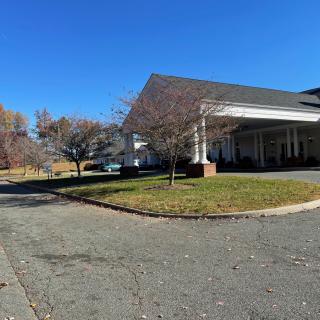
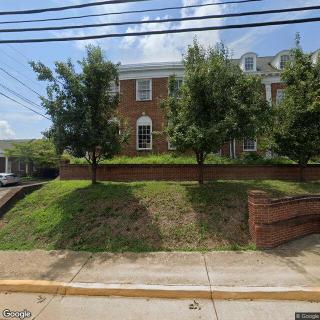
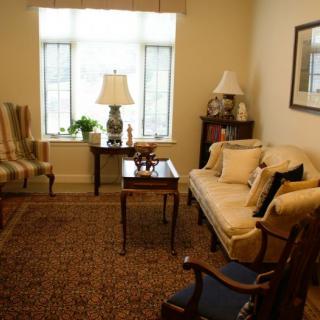
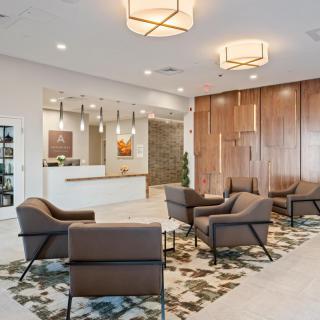
Louisa Health & Rehabilitation Center in Louisa, VA is a premier assisted living community that provides a comprehensive range of amenities and care services to enhance the well-being and comfort of its residents. The center offers a variety of amenities to cater to each individual's needs and preferences, including a beauty salon, cable or satellite TV, community operated transportation, a computer center, a dining room for communal meals, a fitness room for physical activity, fully furnished accommodations for convenience, a gaming room for entertainment purposes, a lovely garden area for relaxation and outdoor enjoyment.

Residents can also enjoy the convenience of housekeeping services to maintain cleanliness and tidiness in their living spaces. Each unit comes with private bathrooms for privacy and convenience. Meals are served in a restaurant-style dining setting where delicious and nutritious food is prepared and served to meet special dietary restrictions.

The center also prioritizes resident engagement and socialization by providing various activities such as concierge services for personalized assistance, fitness programs to promote physical health and strength, planned day trips to explore nearby attractions, resident-run activities to encourage camaraderie among residents, and scheduled daily activities to ensure there is always something exciting happening.

Additionally, Louisa Health & Rehabilitation Center offers exceptional care services including 24-hour call system for immediate assistance when needed, 24-hour supervision to ensure safety at all times, assistance with activities of daily living such as bathing and dressing to provide support in maintaining personal hygiene and grooming standards. The staff assists with transfers to ensure mobility is not limited. Medication management is provided to ensure proper administration of medications according to doctors' orders.

The center also places importance on mental wellness by offering mental wellness programs that focus on promoting emotional well-being among residents. Transportation arrangements are made both for non-medical purposes as well as transportation to doctors' appointments.

Nearby the community are several cafes, pharmacies, physicians' offices, restaurants and places of worship providing convenient access within close proximity.

At the Louisa Health & Rehabilitation Center, residents can expect a high level of comfort, convenience, and personalized care in a warm and welcoming environment.

Nearby Places of Interest

Physicians

  • Louisa Family Practice (0.2 miles)
  • Rizk Alex H MD - Medical Associates of Louisa (1.8 miles)
  • Medical Associates of Louisa (1.8 miles)
  • Primary and Specialty Care Zion Crossroads (11.6 miles)
  • Orange Family Physicians (15.5 miles)
  • Dermatology PLC (17 miles)
  • Orange Pediatrics (17.6 miles)

Places of Worship

  • Louisa Christian Church (0.2 miles)
  • Southern Baptist Convention (0.2 miles)
  • Memorial Baptist Church of Louisa (0.2 miles)
  • Southern Baptist Convention (0.4 miles)
  • Louisa Baptist Church (0.4 miles)
  • Southern Baptist Convention (0.9 miles)
  • Church of Jesus Christ of Latter Day Saints (0.9 miles)

Restaurants

  • Obrigado Restaurant (0.3 miles)
  • AnnieMac's Kitchen (0.3 miles)
  • Court Cafe And Pu (0.3 miles)
  • Los Tres Potrillos (0.5 miles)
  • Weston Farm Vineyard & Winery (0.5 miles)
  • Roma Italian Restaurant (0.5 miles)
  • McDonald's (0.5 miles)

Cafes

  • Dapper Cat Coffee (0.3 miles)
  • The Market at Grelen (16.1 miles)
  • Horton Cellars Winery (17.2 miles)

Pharmacies

  • Walgreens (0.6 miles)
  • CVS Pharmacy (0.7 miles)
  • Walmart Pharmacy (11.5 miles)
  • UVA Zion Crossroads Pharmacy (11.6 miles)
  • Gordonsville Pharmacy Butcher Shop & Market (13.1 miles)
  • Gordonsville Medical Pharmacy (13.1 miles)
  • CVS Pharmacy (17.7 miles)

Transportation

  • U-Haul Neighborhood Dealer (5.4 miles)
  • Laban's Taxidermy (6.5 miles)
  • U-Haul (8.2 miles)
  • Orange County Airport (15.7 miles)

Theaters

  • Goochland Drive In Theater (12.2 miles)

Parks

  • VFW (13.3 miles)
  • Sprinkler Park (16.5 miles)
  • Hazel Segdwick Park (16.6 miles)

Frequently Asked Questions

Where is Louisa Health & Rehabilitation Center?
What photos are available for Louisa Health & Rehabilitation Center in Louisa, Virginia?

Nearby Communities

  • Noble Senior Living at Louisa

    Noble Senior Living at Louisa

    Louisa, VA

    4.7 from 21 reviews
    $4,000 to $9,166 / month

    pro Clean, well-maintained with friendly, personalized care.

  • The Village At Gordon House

    The Village At Gordon House

    Gordonsville, VA

    3.2 from 11 reviews
    $4,350 to $6,240 / month

    pro Caring staff with personalized care in a homey, active setting.

  • Lake Anna Elder Care,  Inc.

    Lake Anna Elder Care, Inc.

    Bumpass, VA

    4.4 from 5 reviews
    $4,500 / month

    pro Competitive pricing for private rooms with high-acuity care and pet-friendly options.

  • President Madison Inn

    President Madison Inn

    Orange, VA


    pro Peaceful setting with easy access to parks, healthcare, dining, transport, and worship.

  • Heritage Hill Apartments

    Heritage Hill Apartments

    Orange, VA

    3 from 4 reviews
     

    pro Quiet, amenity-rich location with easy access to parks, healthcare, dining, transport, and worship.

  • Dogwood Village Of Orange County Senior Living

    Dogwood Village Of Orange County Senior Living

    Orange, VA

    4.2 from 43 reviews
     

    pro Friendly, well-trained staff in a clean, active environment.

  • Anthology of Charlottesville

    Anthology of Charlottesville

    Charlottesville, VA

    4.2 from 117 reviews
    $3,199 to $5,349 / month

    pro Modern, clean, and well-maintained facility with extensive amenities and engaging activities.

  • Westminster-Canterbury of the Blue Ridge

    Westminster-Canterbury of the Blue Ridge

    Charlottesville, VA

    4.3 from 56 reviews
     

    pro Beautiful campus with scenic views, extensive amenities, and a friendly, engaged community.

  • The Heritage Inn

    The Heritage Inn

    Charlottesville, VA

    4.5 from 124 reviews
    $3,585 to $5,200 / month

    pro Warm, home-like atmosphere with attentive staff and well-maintained facilities.

Related Resources

  • how to pay for nursing home care with social securityFinancing Long-Term Nursing Home Care Through Social Security: A Thorough Exploration

    The article explores the complexities of using Social Security to finance long-term nursing home care in the U.S., detailing eligibility requirements and misconceptions, while emphasizing that these benefits often do not cover full costs and highlighting the need for strategic financial planning and professional guidance.

  • pneumonia in elderlyEssential Knowledge on Pneumonia in Older Adults

    Pneumonia significantly affects older adults due to weakened immune systems and atypical symptoms that complicate diagnosis, necessitating early detection and tailored treatment. Risk factors include chronic diseases and cognitive impairments, with preventive measures like vaccinations and healthy lifestyles being crucial for reducing risk.

  • palliative care at homeExploring Palliative Care in the Home: A Comprehensive Overview

    Palliative care enhances the quality of life for seriously ill patients by providing comprehensive support at home through a multidisciplinary team, addressing various needs and prioritizing comfort over curative treatments. While it offers personalized care and involves family in decision-making, challenges like caregiver stress and logistical issues persist, with growing demand prompting advancements in technology and healthcare policies to improve access.