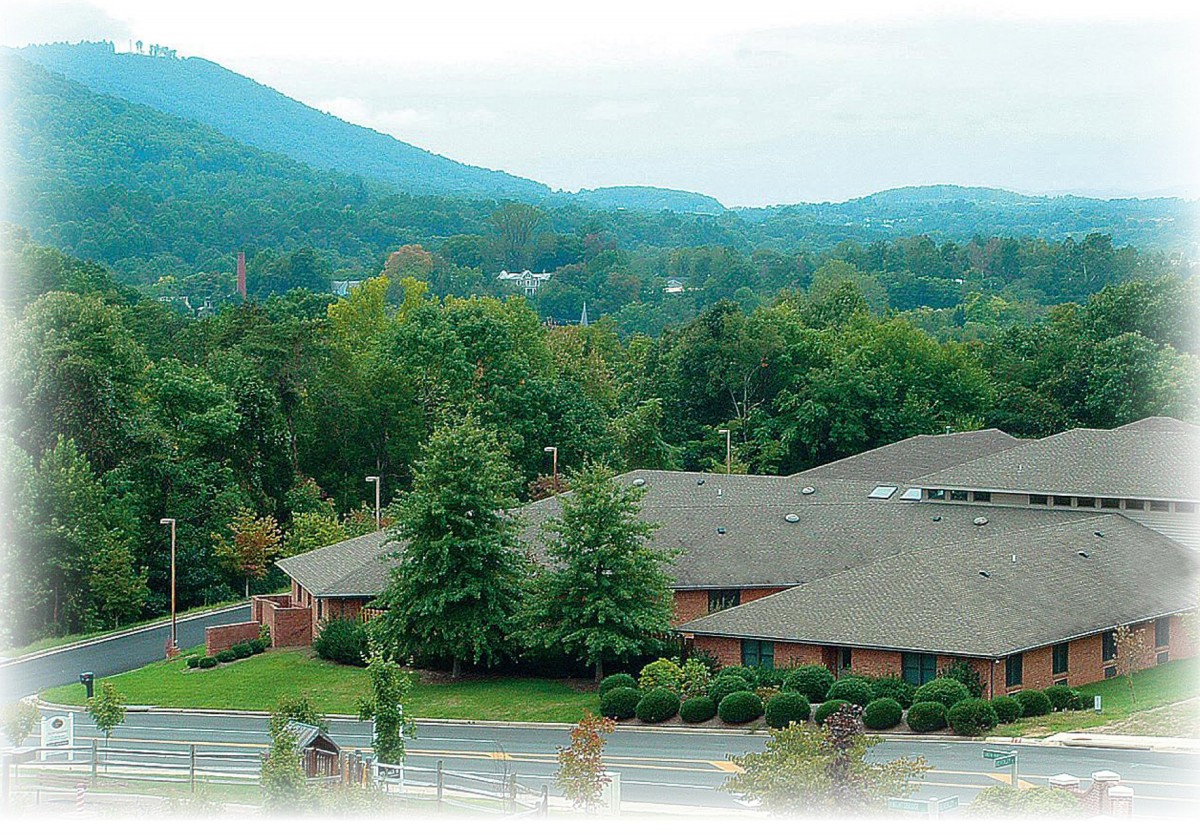
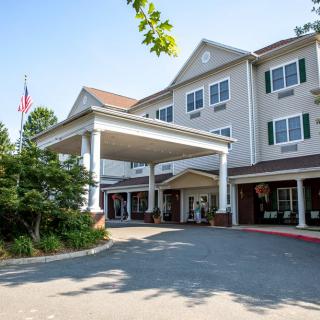
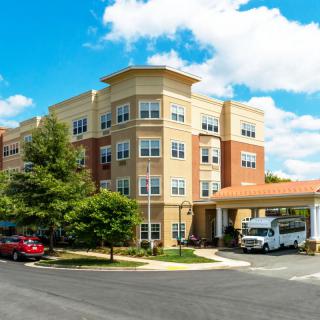
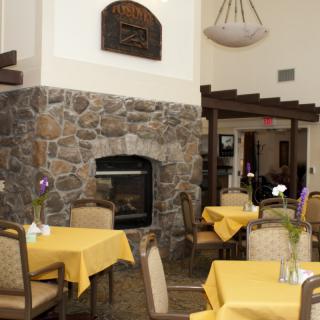
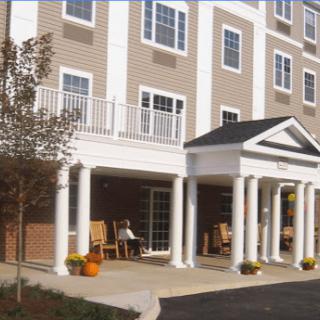
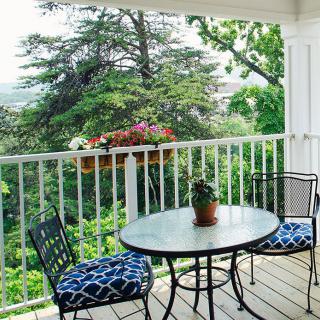
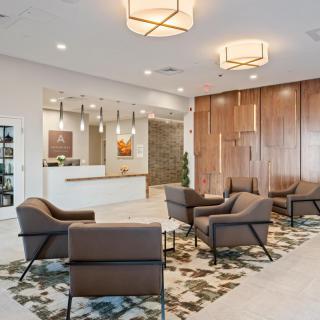
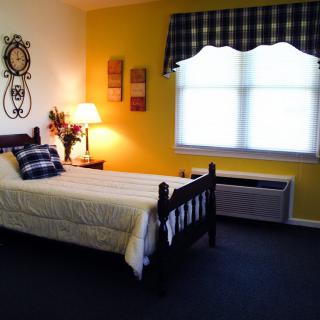
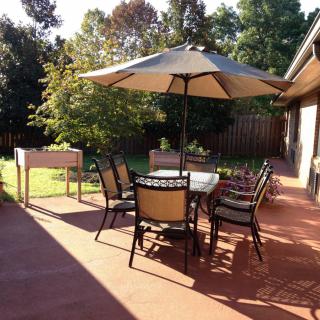
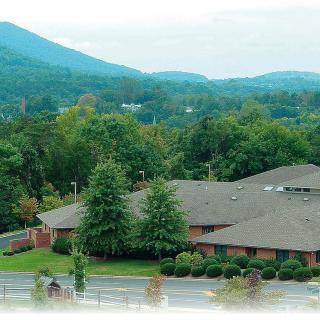
The Heritage Inn in Charlottesville, VA

Save

The Heritage Inn in Charlottesville, VA

220 South Pantops Drive, Charlottesville, VA 22911

For more information about senior living options: (844) 490-3973

4.5 from 124 reviews
5 stars
92
4 stars
14
3 stars
10
2 stars
3
1 stars
5

Assisted Living Memory Care Respite Care

The Heritage Inn Costs & Pricing

At The Heritage Inn, the monthly costs for various room types present an appealing option compared to both Albemarle County and the broader state of Virginia. For a semi-private room, residents can expect to pay $3,585, which is notably lower than the county's average of $4,088 and only slightly below the state's average of $3,991. The studio option is priced at $4,300; while this is higher than Albemarle's rate of $3,936, it remains competitive with Virginia's average of $4,436. Finally, those considering a one-bedroom unit will find The Heritage Inn's rate of $5,200 exceeds both local and state averages considerably - $3,660 in Albemarle and $4,257 statewide. Overall, The Heritage Inn offers unique value in comparison to its regional counterparts while catering to a variety of preferences and needs among potential residents.

Floor plansThe Heritage InnAlbemarle CountyVirginia
Semi-Private$3,585$4,088$3,991
Studio$4,300$3,936$4,436
1 Bedroom$5,200$3,660$4,257

Overall Review of The Heritage Inn

Pros

  • pro The Heritage Inn is regarded as very good, and among the best facilities reviewers have seen.
  • pro The staff are caring professionals who handle the basics and pay attention to details.
  • pro Residents are treated with love and respect, and feel like family.
  • pro The environment is warm, home-like, welcoming, and comforting.
  • pro The team is described as friendly, patient, and genuinely dedicated to residents.
  • pro Management and staff are professional, attentive, and responsive.
  • pro The memory care team demonstrates compassion, patience, and a strong sense of security.
  • pro Families feel welcomed, informed, and supported during visits and tours.
  • pro The community offers engaging activities, social events, and outings that keep residents active.
  • pro Meals are prepared with care, served on time, and accommodate individual needs.
  • pro The facility is consistently clean, well-maintained, and pleasant for residents and visitors.
  • pro Families express trust and gratitude for the care provided to their loved ones.

Cons

  • pro The reviewer notes that communication is nonexistent and phone calls aren't returned.
  • pro The reviewer accuses the owner and director of dishonesty, including keeping prepaid funds.
  • pro The reviewer warns of a bait-and-switch, moving a resident to Daybreak without choice and with a distinctly different atmosphere.
  • pro The reviewer describes the director as rude and accuses staff of poor oral care for residents.
  • pro The reviewer claims residents smell and appear unbathed, and that staff talk loudly using profanity around visitors.
  • pro The reviewer complains of excessive staff turnover and of a memory care unit that is depressing with an awful outdoor area.

Review

Heritage Inn in Charlottesville is best suited for families seeking a warm, home-like assisted living and memory-care environment where staff treat residents as family and leadership stays closely involved in daily care. It fits households that want attentive help with meals, laundry, and daily routines, coupled with practical medical oversight available on site. The memory-care component, Daybreak, signals a structured setting comfortable with wandering residents and a steady rhythm of activities. Residents and families often describe a welcoming, low-frills campus where dignity and personal attention trump upscale polish. For many, that combination provides peace of mind that a patient-centered, relationship-driven approach is more important than glitzy amenities.

Those who insist on private rooms, resort-style finishes, or a campus with cutting-edge facilities may want alternatives. Several reviews flag occasional communication gaps and unclear delineation of responsibilities, and a minority accuse management of missteps or lack of transparency. Cost sensitivity and add-on charges also surface, with some families feeling priced out or surprised by extras. For households prioritizing crystal-clear governance, predictable pricing, and a hands-off admissions process, the Heritage Inn may not be the first choice.

Yet the positives resonate clearly. The staff are described as exceptionally caring and consistent, with many longtime employees who know residents well and treat them with real warmth. The environment feels like a family, with clean spaces, reliable housekeeping, reliable meals, and a level of personal engagement that reduces isolation. On-site geriatric oversight plus responsive nursing and therapy teams provides families practical comfort that medical needs are monitored. Admissions, tours, and ongoing family communication often come through smoothly when guided by proactive leaders, and the overall tone is one of respect, patience, and genuine affection for residents.

Memory care is the standout strength. Daybreak offers structured routines, supervised activities, and caregivers who emphasize relationships, which helps residents stay engaged and peaceful. The homey layout, with comfortable living spaces, supports a sense of belonging that many families prize over hospital-like designs. Families repeatedly note that staff go above and beyond to support both residents and relatives, including coordination with external providers and quick responses to health concerns. The flipside is that some families worry about potential transfers into Daybreak or perceive the main campus as a touch more institutional; for others, the dementia-focused model delivers essential safety and daily purpose.

Practical next steps include touring both the main campus and Daybreak, requesting current pricing sheets, and asking about private-room options. Inquiries should cover room layouts, meal plans, activity calendars, and transportation needs such as shuttle services mentioned in reviews. Families should verify transfer policies between units and ask for a clear explanation of any add-on charges or services not included in base pricing. It pays to speak with admissions and operations staff about VA benefits, care planning, and how the team communicates with families during changes in care.

Bottom line: Heritage Inn is a compelling choice for memory-care?oriented, family-centered care, especially when the priority is consistent staffing, a humane culture, and hands-on leadership. It delivers reliable daily care, meaningful activities, and strong personal attention that many families value highly. Those seeking a newer building, private rooms, or a strictly cost-controlled package may want to explore alternatives. A deliberate, in-person evaluation that includes conversations with frontline staff, administrators, and current residents' families will reveal whether this community aligns with specific needs and expectations. When it does, Heritage Inn offers a trusted, homelike home where seniors can flourish with dignity.

Features

Housing

  • 74 resident community capacity 74 resident community capacity

Types of Care

  • Assisted Living Assisted LivingAssisted living facilities provide crucial support and care for seniors who may need help with daily tasks such as medication management, bathing, and meal preparation. These communities offer a safe and comfortable environment where seniors can maintain their independence while receiving the assistance they need to thrive in their golden years.
  • Memory Care Memory CareMemory care is crucial for seniors as it provides specialized support and services for individuals with dementia or Alzheimer's disease. These programs offer a safe and secure environment where residents receive personalized care, cognitive stimulation, and help with daily activities. Memory care helps seniors maintain their independence, quality of life, and dignity while also providing peace of mind for their families.
  • Respite Care Respite CareRespite care provides temporary relief for caregivers, allowing them to recharge and attend to their own needs. It also gives seniors the opportunity to socialize, receive professional care, and experience a change of scenery, promoting overall well-being and reducing feelings of isolation.

Pets

  • Cats allowed Cats allowed"Pet friendly" senior living communities are important for seniors because pets provide companionship, reduce feelings of loneliness and depression, promote physical activity and mental stimulation, and offer a sense of purpose and responsibility. Pets can improve overall well-being and quality of life for seniors in many ways.
  • Dogs allowed Dogs allowed"Pet friendly" senior living communities are important for seniors because pets provide companionship, reduce feelings of loneliness and depression, promote physical activity and mental stimulation, and offer a sense of purpose and responsibility. Pets can improve overall well-being and quality of life for seniors in many ways.

Amenities

  • Activities off-site Activities off-siteEngaging in off-site activities is crucial for seniors to maintain social connections, stay active, and stimulate their minds. It promotes overall well-being and helps combat feelings of isolation and loneliness.
  • Activities on-site Activities on-siteActivities on-site are important for seniors because they provide opportunities for socialization, mental stimulation, physical activity, and overall well-being. Engaging in activities can help seniors stay active, maintain their independence, and improve their quality of life.
  • Air-conditioning Air-conditioningAir conditioning is important for seniors as they are more vulnerable to heat-related illnesses and may have underlying health conditions that make it difficult for them to regulate their body temperature. It helps to keep them comfortable, safe, and healthy in hot weather.
  • Beautician on-site Beautician on-siteHaving a beautician on-site at a senior living community is important for seniors as it allows them to easily access grooming and personal care services, boosting their self-esteem and overall well-being. It also provides convenience and helps seniors maintain their sense of independence and personal style.
  • Beauty salon Beauty salonBeauty salons are important for seniors because they provide a space for them to feel pampered, socialize, and maintain their personal grooming and hygiene. Regular visits to a beauty salon can help boost seniors' self-esteem and overall well-being.
  • Cable or satellite TV Cable or satellite TVCable or satellite TV is important for seniors because it provides entertainment, news, and companionship, helping to combat loneliness and boredom. It also offers a wide range of programming options tailored to different interests and preferences.
  • Computer center Computer centerA computer center is essential for seniors as it provides access to technology, communication tools, and resources that can enhance their daily lives. It allows them to stay connected with loved ones, engage in online activities, and learn new skills, ultimately promoting socialization and mental stimulation.
  • Devotional services off-site Devotional services off-siteDevotional services off-site are important for seniors as they provide spiritual nourishment, social engagement, and a sense of community outside of the senior living facility. This can enhance overall well-being and help combat feelings of isolation and loneliness often experienced by older adults.
  • Devotional services on-site Devotional services on-siteDevotional services on-site provide seniors with spiritual support and a sense of community, as well as an opportunity for reflection and guidance during their senior living experience. This can promote emotional well-being and connection to others, leading to a more fulfilling and enriching lifestyle in their later years.
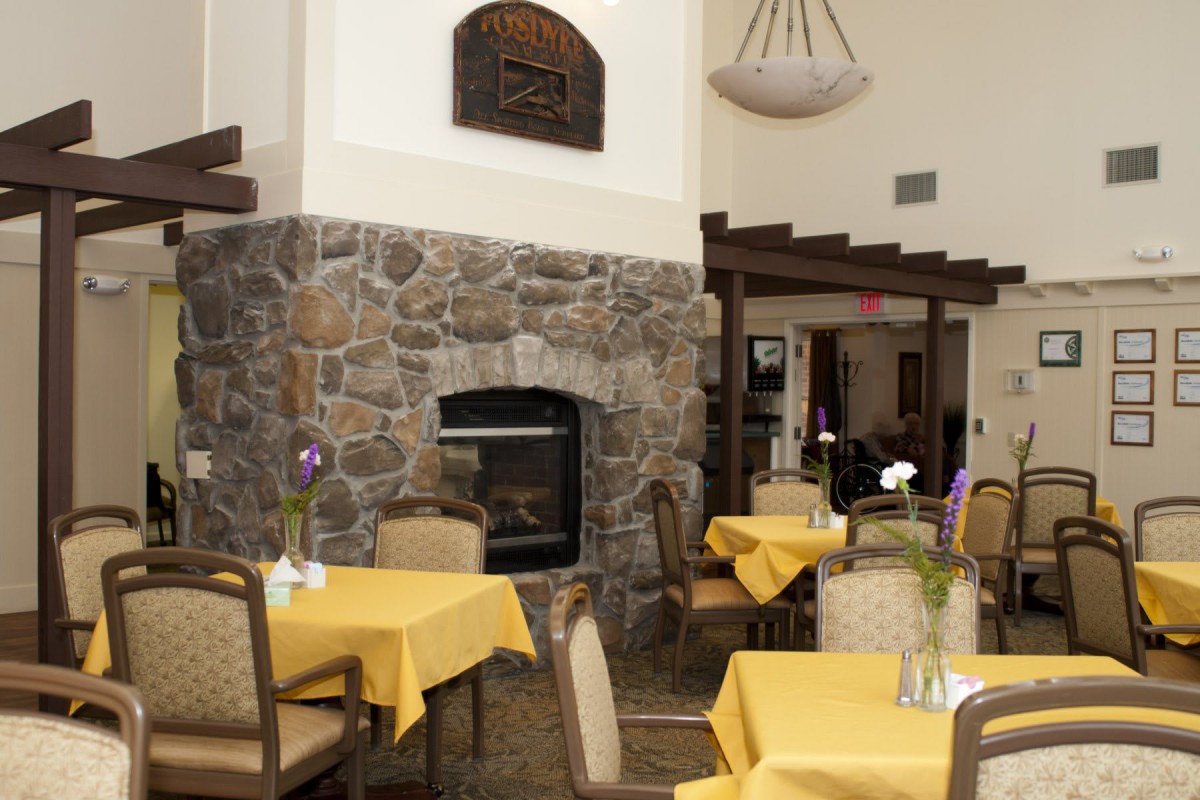
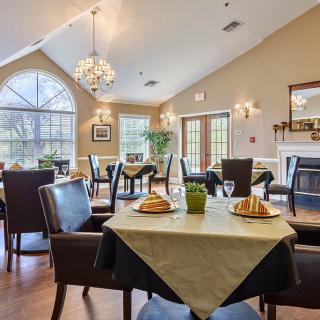
  • Dining room Dining roomDining rooms are important for seniors as they provide a space for socialization, connection, and nutritious meals. They offer opportunities for residents to bond over shared meals, foster a sense of community, and promote healthy eating habits. Dining rooms also ensure that seniors have access to well-balanced meals tailored to their dietary needs and preferences.
  • Fitness room Fitness roomHaving a fitness room in a senior living community is essential for seniors to stay active, maintain their physical health, and improve their overall well-being. Regular exercise can help prevent falls, reduce the risk of chronic diseases, and promote mental sharpness. It also provides social opportunities for residents to connect with others and enjoy a sense of community.
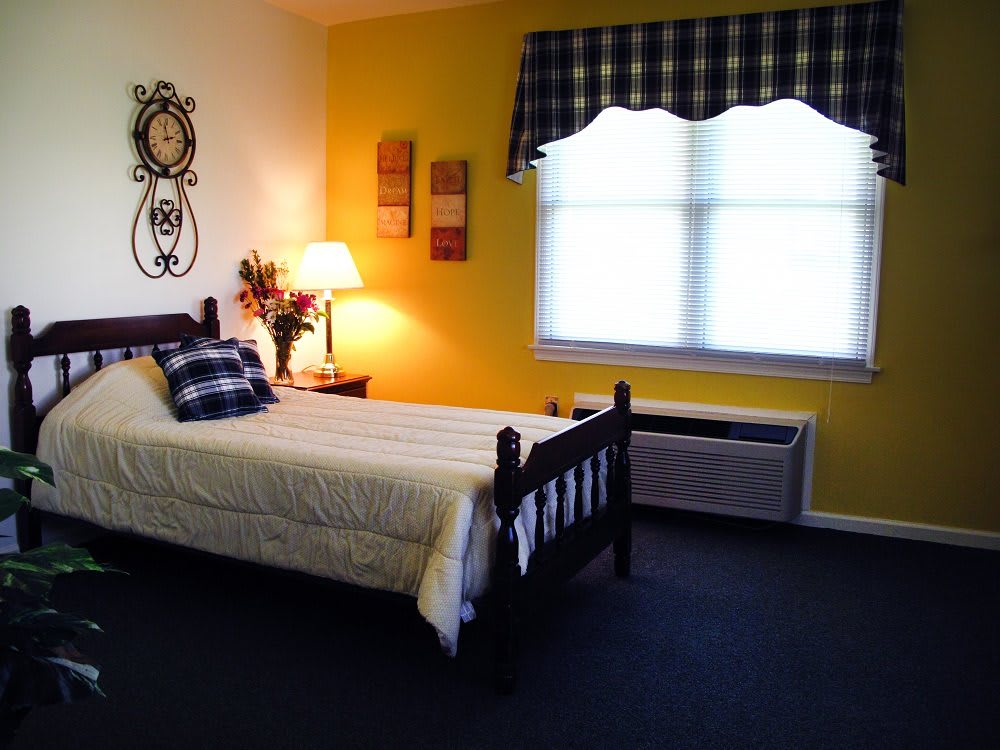
  • Fully furnished Fully furnishedFully furnished senior living communities are important for seniors because they provide convenience, comfort, and a hassle-free moving experience. Seniors can easily settle into their new living space without the stress of having to buy and move furniture. This allows them to focus on enjoying their new home and community.
  • Gaming room Gaming roomGaming rooms are important for seniors as they provide a fun and engaging environment for socializing, cognitive stimulation, and physical activity. Games can improve memory, problem-solving skills, and overall mental well-being while fostering friendships and reducing feelings of isolation.
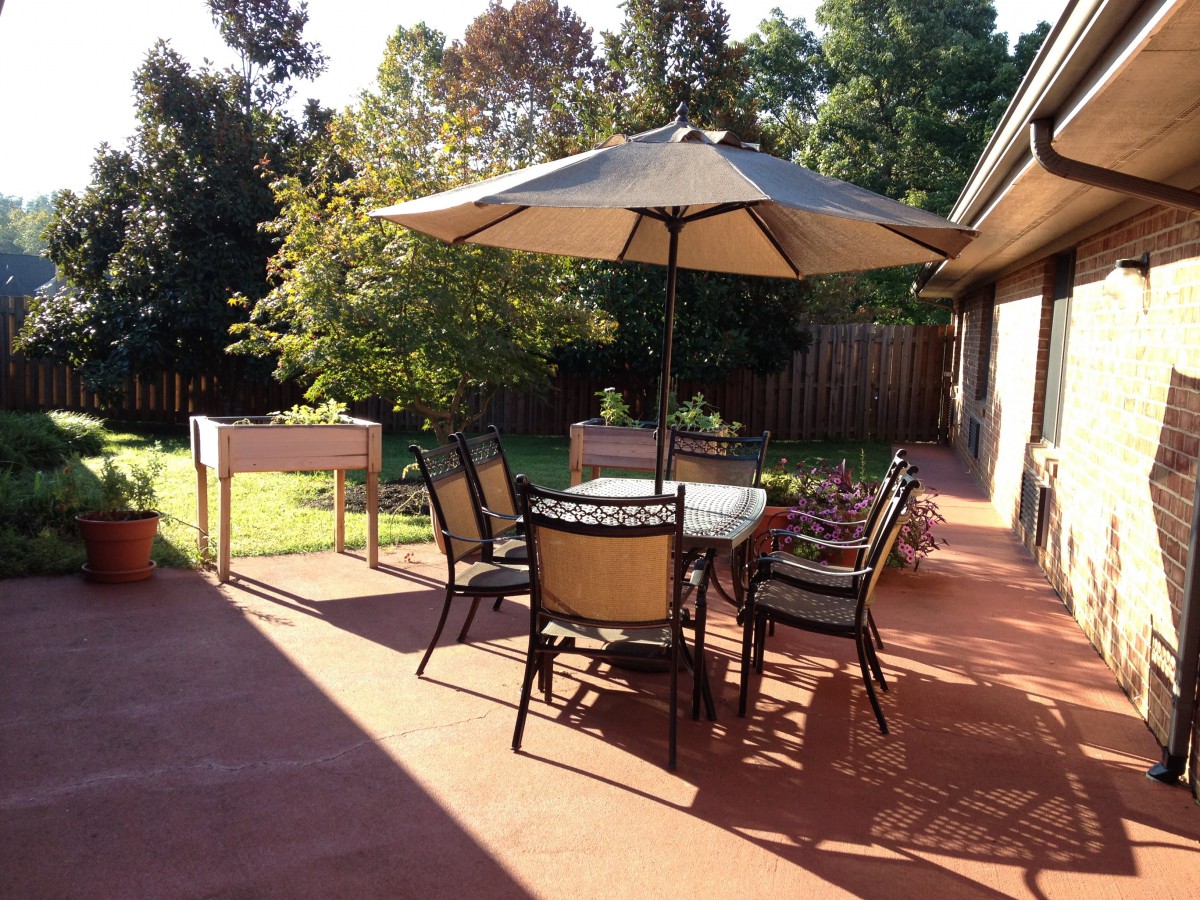
  • Garden GardenGardens are important for seniors as they provide a peaceful and therapeutic environment for relaxation, physical activity, and socialization. Being in nature has been shown to reduce stress, improve mood, and promote overall well-being. Gardens also offer opportunities for seniors to engage in gardening activities, which can improve mobility, flexibility, and cognitive function. Additionally, gardens create a sense of community and connection with others who share a passion for plants and outdoor spaces.
  • Housekeeping services Housekeeping servicesHousekeeping services are important for seniors because they help maintain a clean and safe living environment, promote independence, and reduce the risk of accidents or illnesses. Additionally, having assistance with household chores can alleviate physical strain and allow seniors to focus on other aspects of their well-being.
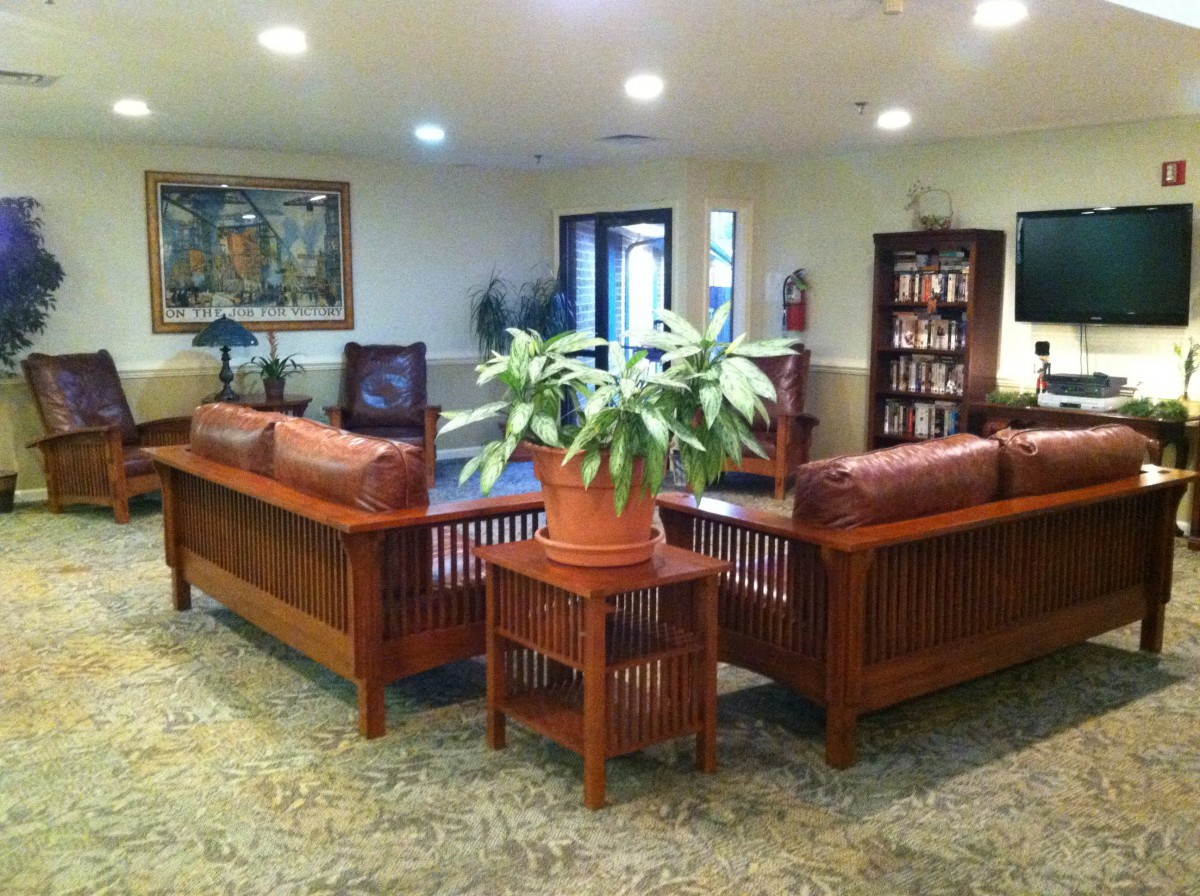
  • Indoor common areas Indoor common areasIndoor common areas are crucial for seniors as they provide a space for socialization, recreation, and community engagement, promoting overall well-being and reducing feelings of isolation and loneliness.
  • Kitchenette KitchenetteKitchenettes are important for seniors living in senior living communities because they provide the convenience and independence of being able to prepare simple meals and snacks in the comfort of their own living space. This can help promote a sense of autonomy and well-being for seniors, allowing them to maintain some level of control over their dietary choices and daily routines.
  • Move-in coordination Move-in coordinationMove-in coordination is important for seniors because it helps ease the transition into their new living environment. It ensures that all logistics, such as packing, organizing movers, and setting up utilities are taken care of, allowing seniors to focus on settling in and adjusting to their new home. Having a smooth move-in process can alleviate stress and anxiety, making the transition smoother and more enjoyable for seniors.
  • Outdoor common areas Outdoor common areasOutdoor common areas are important for seniors as they provide a space for socialization, physical activity, and relaxation. Being outside in nature can improve mood and overall well-being, while also encouraging movement and engagement with others. These spaces can help combat feelings of isolation and promote a sense of community among residents.
  • Outdoor space Outdoor spaceOutdoor spaces are important for seniors as they provide opportunities for physical activity, social interaction, exposure to natural light and fresh air, and a sense of connection to nature. Having access to outdoor spaces can improve overall well-being and quality of life for older adults living in senior communities.
  • Private bathrooms Private bathroomsPrivate bathrooms are important for seniors in senior living communities because they provide independence, dignity, and comfort. Having a private bathroom allows seniors to maintain their personal hygiene routines without the need for assistance, promoting a sense of autonomy and privacy. Additionally, private bathrooms help prevent the spread of infections and provide a safe and clean environment for seniors to navigate safely.
  • Respite or short term stays offered Respite or short term stays offeredRespite or short term stays provide seniors with a temporary solution when their regular caregiver is unavailable, offering them the opportunity to receive additional care and support during times of need, while also giving caregivers a chance to rest and recharge.
  • Restaurant-style dining Restaurant-style diningRestaurant-style dining is important for seniors because it allows them to enjoy delicious, nutritious meals in a social and upscale setting. This enhances their dining experience, promotes healthy eating habits, and fosters socialization with fellow residents, ultimately contributing to their overall well-being and quality of life.
  • Small library Small librarySmall libraries are important for seniors as they provide access to a variety of reading materials, including books, newspapers, and magazines. This can help stimulate their minds, keep them engaged, and provide a sense of community through book clubs and other social activities. Additionally, reading has been shown to improve cognitive function and overall mental well-being in older adults.
  • Telephone TelephoneTelephones are important for seniors as they provide a lifeline for communication with loved ones, emergency services, and healthcare providers. They offer a sense of security and independence, enabling seniors to stay connected and access assistance when needed.
  • Wellness center Wellness centerWellness centers are important for seniors because they offer a variety of programs and services that promote physical, mental, and emotional well-being. These centers provide opportunities for exercise, socialization, education, and relaxation, helping seniors maintain their overall health and quality of life.
  • Wheelchair accessible showers Wheelchair accessible showersWheelchair accessible showers are crucial for seniors as they provide a safe and independent bathing option for those with mobility challenges. These showers help prevent falls and allow seniors to maintain their dignity and autonomy while ensuring they can bathe comfortably.
  • Wi-Fi/high-speed internet available Wi-Fi/high-speed internet availableWi-Fi/high-speed internet is important for seniors to stay connected with loved ones, access online resources, and participate in virtual activities to combat feelings of loneliness and isolation. It also allows them to easily manage healthcare needs, access entertainment, and engage in lifelong learning opportunities.

Transportation

  • Charlottesville-Albermarle (8 miles away) Charlottesville-Albermarle (8 miles away)
  • Community operated transportation Community operated transportationCommunity operated transportation is crucial for seniors as it provides them with the means to access essential services, social activities, and medical appointments. It allows seniors to maintain their independence and quality of life by ensuring they can participate in activities outside of their homes. Additionally, community-operated transportation services offer a safe and reliable way for seniors to travel without having to rely on family or friends for assistance.
  • Transportation arrangement Transportation arrangementTransportation arrangements are crucial for seniors as they may face challenges with driving, mobility, or access to public transportation. Having reliable transportation services ensures that seniors can easily attend appointments, social activities, and maintain their independence and quality of life.
  • Transportation arrangement (non-medical) Transportation arrangement (non-medical)Transportation arrangements are essential for seniors as they provide access to essential services, activities, and social interactions outside the home. This service helps maintain independence, mobility, and overall well-being for seniors who may have limited transportation options.
  • Transportation to doctors appointments Transportation to doctors appointmentsTransportation to doctors appointments is crucial for seniors as it ensures they have access to necessary medical care and support, promoting their health and well-being. It allows them to receive timely treatment, monitor existing conditions, and address any new health concerns efficiently. Additionally, transportation services can help seniors maintain their independence and quality of life by enabling them to stay connected with their healthcare providers.

Care Services

  • 12-16 hour nursing 12-16 hour nursing12-16 hour nursing care is crucial for seniors in order to ensure around-the-clock monitoring, timely medication administration, and prompt response to any health concerns or emergencies. This level of care helps to promote the overall well-being and safety of seniors living in senior living communities.
  • 24-hour call system 24-hour call system24-hour call systems are important for seniors because they provide peace of mind and immediate assistance in case of emergencies. This technology ensures that help is always available, promoting safety and security for elderly individuals living alone or in assisted living facilities.
  • 24-hour supervision 24-hour supervision24-hour supervision is important for seniors to ensure their safety, well-being, and access to immediate assistance in case of emergencies or health issues. This constant support provides peace of mind for both seniors and their loved ones, allowing them to age in place with dignity and security.
  • Activities of daily living assistance Activities of daily living assistanceActivities of daily living assistance are important for seniors because they provide essential support with tasks such as eating, bathing, dressing, and mobility. This assistance helps seniors maintain their independence, dignity, and overall quality of life as they age.
  • Assistance with bathing Assistance with bathingAssistance with bathing is crucial for seniors as it helps maintain personal hygiene, prevents infections, and ensures their overall well-being and comfort. It also provides a sense of dignity and independence for seniors who may struggle with this task on their own.
  • Assistance with dressing Assistance with dressingAssistance with dressing is important for seniors because it helps maintain their independence, promotes personal hygiene, prevents accidents and injuries, and improves overall quality of life. This service ensures that seniors can continue to dress comfortably and confidently, despite any physical limitations they may have.
  • Assistance with transfers Assistance with transfersAssistance with transfers is crucial for seniors as it helps prevent falls and injuries, maintains their independence, and ensures they can safely navigate their living environment. It also provides peace of mind for both seniors and their loved ones.
  • Diabetes diet Diabetes dietA diabetes diet is crucial for seniors as it helps manage blood sugar levels, reduce risks of complications, and improve overall health and well-being. By following a balanced and nutritious diet tailored to their specific needs, seniors can better control their diabetes and enhance their quality of life.
  • Diabetic care Diabetic careDiabetic care is crucial for seniors as they are more susceptible to developing diabetes due to aging and other health conditions. Proper management of diabetes can help prevent complications such as heart disease, vision loss, and nerve damage, improving the overall quality of life for seniors in senior living communities.
  • Incontinence care Incontinence careIncontinence care is essential for seniors to maintain their dignity, hygiene, and overall quality of life. By addressing incontinence issues promptly and effectively, seniors can enjoy a sense of independence and comfort in their daily activities.
  • Meal preparation and service Meal preparation and serviceMeal preparation and service are crucial for seniors as they may have limited mobility or energy to cook nutritious meals. Having access to healthy and convenient food options can ensure they are getting the proper nutrition needed to maintain their overall health and well-being.
  • Medication management Medication managementMedication management is crucial for seniors to ensure they are taking the right medications at the correct dosages and times. This helps prevent adverse drug interactions, reduces the risk of medication errors, and promotes overall health and well-being. Proactive management also allows for adjustments as needed based on changing health conditions or new prescriptions.
  • Mental wellness program Mental wellness programMental wellness programs are essential for seniors as they promote cognitive stimulation, emotional support, and social engagement. These programs help prevent isolation, depression, and cognitive decline, ultimately enhancing the overall quality of life for older adults.
  • Mild cognitive impairment Mild cognitive impairment"Mild cognitive impairment" is important for seniors because it is an early stage of cognitive decline that can potentially progress to more severe conditions such as dementia. Recognizing and addressing mild cognitive impairment can help seniors receive appropriate care and support to maintain their quality of life and independence for as long as possible.
  • Special dietary restrictions Special dietary restrictionsSpecial dietary restrictions are important for seniors because age-related changes in metabolism and health conditions can make it difficult for their bodies to process certain foods. By following a diet tailored to their specific needs, seniors can maintain their overall health and well-being, manage chronic conditions, and reduce the risk of complications such as malnutrition or food interactions with medications.
  • Specialized memory care programming Specialized memory care programmingSpecialized memory care programming is crucial for seniors with cognitive impairments such as dementia or Alzheimer's disease. These programs provide a safe and supportive environment tailored to the unique needs of individuals with memory loss, helping them maintain their independence, dignity, and quality of life.

Dining

  • Anytime dining Anytime diningAnytime dining is important for seniors because it allows them the flexibility to eat when they are hungry, rather than being restricted to set meal times. This can be especially beneficial for those with medical conditions or medications that affect their appetite, as well as those who may have difficulty adhering to a strict dining schedule. Overall, anytime dining promotes independence and overall well-being for seniors in senior living communities.
  • Diabetes diet Diabetes dietA diabetes diet is crucial for seniors as it helps manage blood sugar levels, reduce risks of complications, and improve overall health and well-being. By following a balanced and nutritious diet tailored to their specific needs, seniors can better control their diabetes and enhance their quality of life.
  • Guest meals Guest mealsGuest meals are important for seniors living in senior living communities because they provide an opportunity for socialization and companionship. Sharing a meal with friends, family, or new acquaintances can help combat feelings of loneliness and isolation, promote a sense of community, and enhance overall well-being. Additionally, guest meals allow seniors to enjoy delicious food in a comfortable setting without the hassle of cooking or cleaning up, making dining a pleasurable and stress-free experience.
  • Low / no sodium Low / no sodiumLow/no sodium options are important for seniors because excessive sodium intake can lead to high blood pressure, heart disease, and other health issues commonly experienced by older adults. By choosing low/no sodium foods, seniors can better manage their health and reduce their risk of developing these conditions.
  • Meals provided Meals provided"Meals provided" are crucial for seniors in assisted living communities as it ensures they have access to nutritious, balanced meals without the stress of meal planning and preparation. This can help promote overall health and well-being for seniors who may have limited mobility or cognitive abilities.
  • No Sugar No SugarNo sugar diets are important for seniors because they can help prevent or manage chronic conditions such as diabetes, heart disease, and obesity. Sugar can also contribute to cognitive decline and inflammation in the body, so reducing sugar intake can lead to overall improved health and well-being in older adults.
  • Special dietary restrictions Special dietary restrictionsSpecial dietary restrictions are important for seniors because age-related changes in metabolism and health conditions can make it difficult for their bodies to process certain foods. By following a diet tailored to their specific needs, seniors can maintain their overall health and well-being, manage chronic conditions, and reduce the risk of complications such as malnutrition or food interactions with medications.

Activities

  • Activities off-site Activities off-siteEngaging in off-site activities is crucial for seniors to maintain social connections, stay active, and stimulate their minds. It promotes overall well-being and helps combat feelings of isolation and loneliness.
  • Activities on-site Activities on-siteActivities on-site are important for seniors because they provide opportunities for socialization, mental stimulation, physical activity, and overall well-being. Engaging in activities can help seniors stay active, maintain their independence, and improve their quality of life.
  • Birthday parties Birthday partiesBirthday parties are important for seniors as they provide an opportunity for celebration, socialization, and joy. They allow seniors to feel special and appreciated, boosting their mood and overall well-being. Additionally, birthday parties can help combat feelings of isolation and loneliness by fostering connections with friends, family, and community members.
  • Community-sponsored activities Community-sponsored activitiesCommunity-sponsored activities are important for seniors as they provide opportunities for social interaction, mental stimulation, and physical activity. These activities can help improve overall well-being, combat loneliness and isolation, and promote a sense of belonging and purpose among older adults.
  • Concierge services Concierge servicesConcierge services are essential for seniors as they provide assistance with daily tasks and errands, enhance their quality of life by offering convenience and personalized care, and promote a sense of safety and security.
  • Devotional activities offsite Devotional activities offsiteDevotional activities offsite are important for seniors because they provide social engagement, spiritual growth, and a sense of community outside of their living environment. This can improve overall well-being, mental health, and combat feelings of isolation or loneliness.
  • Devotional activities on-site Devotional activities on-siteDevotional activities on-site provide seniors with a sense of community, spiritual fulfillment, and emotional support, promoting overall well-being and a positive sense of purpose in their lives.
  • Fitness programs Fitness programsFitness programs are crucial for seniors as they help improve strength, flexibility, balance, and overall well-being. Staying active can reduce the risk of chronic diseases, improve mental health, and enhance quality of life in older adults.
  • Holiday parties Holiday partiesHoliday parties are important for seniors because they provide opportunities for socialization, community involvement, and mental stimulation. These festive events offer a sense of belonging and connection during a time that can be lonely for many older adults. Additionally, participating in holiday celebrations can boost mood and overall well-being for seniors living in senior living communities.
  • Live musical performances Live musical performancesLive musical performances can provide seniors with a sense of joy, nostalgia, and connection. Music has the power to evoke emotions and memories, improve mood and cognitive function, and foster social interaction among seniors. It can also serve as a form of therapy and stress relief for older adults, making it an important activity to include in senior living communities.
  • Planned day trips Planned day tripsPlanned day trips are important for seniors because they offer opportunities for socialization, mental stimulation, and physical activity. They provide a change of scenery and help seniors stay engaged and connected to their community, promoting overall well-being and quality of life.
  • Resident-run activities Resident-run activitiesResident-run activities are important for seniors as they encourage social interaction, creativity, and a sense of autonomy. These activities empower seniors to stay engaged and active in their community while fostering meaningful connections with their peers.
  • Scheduled daily activities Scheduled daily activitiesScheduled daily activities are important for seniors because they provide structure, socialization, mental stimulation, and physical activity. Engaging in regular activities can improve overall well-being and quality of life for seniors living in a community setting.

Languages Spoken

  • English EnglishEnglish is important for seniors as it allows them to communicate effectively with healthcare providers, understand important information related to their health and medications, stay connected with loved ones, and engage in social activities within their communities. It also opens up opportunities for lifelong learning and intellectual stimulation.

Description

The Heritage Inn in Charlottesville, VA is an exceptional assisted living community that offers a range of care services to meet the unique needs of its residents. With a focus on Memory Care and Respite Care, this community provides specialized assistance and support for individuals with memory impairments or those in need of short-term stays.

Residents at The Heritage Inn enjoy a wide array of amenities designed to enhance their comfort and enjoyment. They can participate in engaging activities right within the community, stay cool with air-conditioning, and maintain their appearance with the convenience of an on-site beautician and beauty salon. The availability of cable or satellite TV ensures entertainment options, while community-operated transportation makes outings a breeze. A computer center allows residents to stay connected, and devotional services are offered both on-site and off-site. The dining experience is exceptional with restaurant-style dining provided in a lovely dining room.

Care is at the heart of The Heritage Inn's philosophy, with round-the-clock support available through their 24-hour call system and supervision. Trained staff provide assistance with various daily activities like bathing, dressing, and transfers, ensuring residents' comfort and safety. Specialized care for diabetes patients includes diet management and diabetic care, while incontinence care is also provided when needed.

Delicious meals prepared by skilled chefs cater to various dietary needs such as low/no sodium diets or no sugar diets. Medication management guarantees that residents receive their medications accurately and on time, promoting overall wellness. A mental wellness program is available to address any cognitive impairments or concerns. Furthermore, transportation arrangements are made for non-medical purposes as well as for doctor's appointments.

The plethora of activities provided by The Heritage Inn fosters an active and vibrant lifestyle for residents. Celebrations like birthday parties and holiday parties bring joy to everyone's lives while live musical performances add a touch of cultural entertainment. Planned day trips create opportunities for exploration beyond the community grounds, whereas resident-run activities encourage engagement and creativity. Concierge services are also available for added convenience.

The location of The Heritage Inn is highly advantageous, with numerous cafes, parks, pharmacies, physicians, restaurants, and places of worship in close proximity. This ensures that residents have easy access to various amenities and services.

Overall, The Heritage Inn in Charlottesville, VA is a premier assisted living community that prioritizes the well-being of its residents by offering exceptional care services, a wide range of amenities, engaging activities, and convenient location options.

Nearby Places of Interest

This part of Charlottesville, Virginia, offers a variety of essential amenities for senior living. With several physicians' offices nearby such as Piedmont Otolaryngology and Blue Ridge Endocrinology, residents have easy access to medical care. There are also pharmacies like Walgreens and CVS within a short distance for convenient prescription refills. The area boasts a selection of cafes including Starbucks and Mudhouse for relaxed meetups with friends or family. For those who enjoy dining out, popular restaurants like Chipotle Mexican Grill and Bojangles' Famous Chicken 'n Biscuits are in close proximity. Additionally, there are peaceful parks like Riverview Park and Darden Towe Park for leisurely walks or outdoor activities. In terms of transportation, Amtrak is easily accessible for any travel needs. Overall, this neighborhood provides a well-rounded environment that caters to the needs and comfort of seniors looking to settle in Charlottesville.

Physicians

  • Piedmont Otolaryngology (0.3 miles)
  • The Pediatric Connection (0.3 miles)
  • Blue Ridge Endocrinology (0.3 miles)
  • Charlottesville Orthopaedic Center Plc (0.3 miles)
  • Blue Ridge Body Contour & Wellness Center (0.3 miles)
  • Charlottesville Eye Associates (0.3 miles)
  • Charlottesville Pain Management Center (0.4 miles)

Cafes

  • Starbucks (0.3 miles)
  • Mudhouse (1.8 miles)
  • J Bird Supply (1.8 miles)
  • Starbucks (2.2 miles)
  • Shenandoah Joe Coffee Roasters (2.3 miles)
  • Kung Fu Tea (2.5 miles)

Restaurants

  • Bojangles' Famous Chicken 'n Biscuits (0.3 miles)
  • Chipotle Mexican Grill (0.4 miles)
  • Guadalajara (0.4 miles)
  • Chick-Fil-A (0.5 miles)
  • McDonald's (0.6 miles)
  • The Piedmont Bar & Kitchen (0.7 miles)
  • Decipher Brewing (0.7 miles)

Parks

  • Riverview Park (0.4 miles)
  • Darden Towe Park (1 miles)
  • Pen Park (1.5 miles)
  • IX Art Park (1.7 miles)
  • Belmont Park (1.8 miles)
  • Tonsler Park (2.2 miles)

Pharmacies

  • Walgreens (0.5 miles)
  • CVS Pharmacy (0.8 miles)
  • Timberlakes Drug Store (1.6 miles)
  • CVS Pharmacy (1.7 miles)
  • CVS Pharmacy (2.8 miles)

Transportation

  • Amtrak (2.3 miles)

Places of Worship

  • University Baptist Church (2.6 miles)

Hospitals

  • UVA 3 Central (2.6 miles)
  • UVA Hospital 4 Central (2.6 miles)
  • University of Virginia Health System : Infectious Diseases Clinic (2.7 miles)
  • University Hospital (2.7 miles)

Frequently Asked Questions

How much does it cost to live at The Heritage Inn in Charlottesville, VA?
Where is The Heritage Inn?
Does The Heritage Inn provide care for residents with dementia or Alzheimer's disease?
Does The Heritage Inn allow residents to have pets?
What photos are available for The Heritage Inn in Charlottesville, Virginia?

Nearby Communities

  • Park View at South Pantops

    Park View at South Pantops

    Charlottesville, VA

    3.4 from 26 reviews
    $987 to $1,180 / month

    pro Dedicated staff and a quiet, secure community.


  • The Independence of Charlottesville

    The Independence of Charlottesville

    Charlottesville, VA

    4.9 from 49 reviews
    $1,340 to $1,615 / month

    pro Welcoming community with friendly staff and engaging activities.

  • Westminster-Canterbury of the Blue Ridge

    Westminster-Canterbury of the Blue Ridge

    Charlottesville, VA

    4.3 from 56 reviews
     

    pro Beautiful campus with scenic views, extensive amenities, and a friendly, engaged community.

  • Westminster Canterbury Of The Blue Ridge

    Westminster Canterbury Of The Blue Ridge

    Charlottesville, VA

    4.5 from 50 reviews
     

    pro Continuum of care (CCRC) with memory care and 24-hour supervision, plus extensive on-site amenities and services.

  • Riverdale Assisted Living

    Riverdale Assisted Living

    Charlottesville, VA

    2.6 from 5 reviews
     

    pro Private rooms with on-site medical staff at an affordable price.

  • Commonwealth Senior Living At Charlottesville

    Commonwealth Senior Living At Charlottesville

    Charlottesville, VA

    4.2 from 116 reviews
    $2,400 to $4,200 / month

    pro Friendly, knowledgeable staff; well-maintained, spacious apartments with private outdoor spaces; three meals daily in a social dining setting; quiet, convenient location.

  • Martha Jefferson House

    Martha Jefferson House

    Charlottesville, VA

    4.7 from 39 reviews
    $5,500 to $6,500 / month

    pro Home-like setting with a caring, attentive staff and an odor-free, clean environment.

  • Anthology of Charlottesville

    Anthology of Charlottesville

    Charlottesville, VA

    4.2 from 117 reviews
    $3,199 to $5,349 / month

    pro Modern, clean, and well-maintained facility with extensive amenities and engaging activities.

  • Rosewood Village Greenbrier

    Rosewood Village Greenbrier

    Charlottesville, VA

    4.6 from 124 reviews
    $4,050 to $5,950 / month

    pro Friendly staff with attentive care in a warm, family-owned atmosphere.

Assisted Living in Nearby Cities

Related Resources

  • does medicaid pay for assisted livingHow and When Medicaid May Cover Assisted Living Costs

    Medicaid coverage for assisted living varies by state and is primarily available to low-income individuals, with eligibility dependent on strict income and asset limits. Some states offer HCBS waivers for specific services in assisted living, but families must generally cover room and board costs, and should verify facility acceptance of Medicaid while considering potential waiting lists.

  • assisted living waiver programA Detailed Exploration of Assisted Living Medicaid Waivers Across the United States

    Medicaid waivers for assisted living services provide vital support for seniors and individuals with disabilities in need of long-term care, with varying state-specific eligibility criteria and benefits. These waivers cover personal care and case management but often do not fully cover room and board, leading to waiting lists for many applicants.

  • assisted living vs skilled nursingExploring the Contrasts Between Assisted Living and Skilled Nursing

    The article compares assisted living and skilled nursing facilities, detailing their differing levels of assistance, medical support, cost structures, and day-to-day experiences. It emphasizes that assisted living is for those needing help with daily activities while maintaining independence, whereas skilled nursing facilities provide intensive medical care with 24-hour staff supervision.