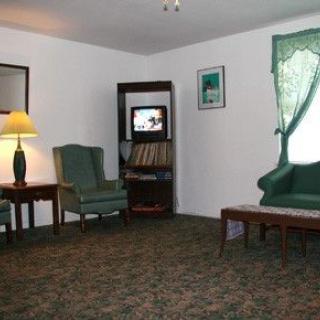
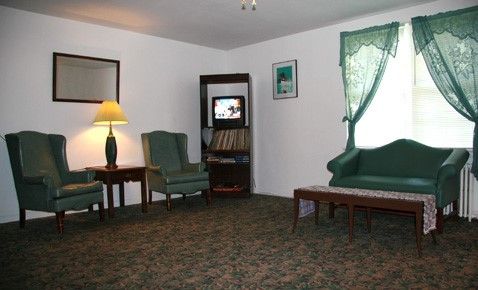

1329 Riverdale Dr, Charlottesville, VA 22902
To contact a resident: (434) 293-9845
For more information about senior living options: (866) 208-4318
Overall Review of Riverdale Assisted Living
Pros
 They have their own room.
- They have nurses and doctors.
- The place is the cheapest option for their parents.
- The facility is very clean.
- The staff are all nice.
Cons
 The Google listing incorrectly shows a retirement home at this address.
- The property is now an apartment; the retirement home moved out years ago.
- Google needs to update its page to reflect the current status.
- There is no retirement home at this address anymore.
Review
Riverdale Assisted Living in Charlottesville is best suited for seniors who want private space, straightforward medical oversight, and an affordable entry point into assisted living, provided they are comfortable with apartment-style living rather than a traditional, campus-style retirement home. The property has largely shifted to apartment living, with on-site nursing support, which matters as families weigh expectations against reality. The Google listing still calling it a retirement home is a misalignment that can sow confusion, but the core offer remains: personal rooms, basic health monitoring, and a clean, manageable environment. For households watching every dollar, and for residents who prize autonomy and a quiet, predictable routine, Riverdale ticks important boxes without inflating costs.
Those with a need for a clearly branded, fully licensed program with visible accreditation and a robust schedule of activities may want to consider alternatives. The branding inconsistency, an address still listed as a retirement home despite the property functioning as apartments, raises questions about governance and ongoing oversight. Additionally, families needing higher levels of care or more intensive assistance may encounter limits in the apartment-based model. If social programming, structured care tiers, or a formal reputation matters, explore other nearby options that present a straightforward “assisted living” identity and up-to-date licensing.
Key advantages are tangible: residents typically have their own room, which supports privacy and personalized routines; there are nurses and doctors on site to handle routine medical needs, plus the support staff who are described as pleasant and accommodating. The facility is reported as clean, and the lower cost relative to other local options is a meaningful differentiator for families balancing budget with care quality. In situations where care demands are moderate and independence is valued, these positives can drive practical day-to-day satisfaction, offsetting some ambiguities about branding or long-term care trajectory.
However, the cons are not trivial. The most visible red flag is the misalignment between what the listing says and what the physical operation provides, which can undermine confidence in resource availability and provider accountability. Mixed online reviews, two five-star experiences versus a cluster of one-star ratings, paint a picture of uneven experiences, often tied to expectations versus reality in communication and service delivery. These factors do not erase the value of private rooms or medical access, but they do tilt the calculation toward caution for families who need reliable branding, predictable service levels, and transparent cost structures.
Before making a commitment, prospective movers should verify the current status with the administrator, request a formal tour, and obtain copies of licensure and annual surveys. Clarify what “assisted living” covers in daily routines, what level of medical assistance is included, and what would incur extra charges. Obtain a detailed monthly rate with a clear breakdown of meals, housekeeping, transportation, and activities. Inquire about staffing patterns, shift coverage, and response times for emergencies. Finally, confirm the facility’s licensing status with the Virginia Department of Social Services or the relevant oversight body, to ensure the model aligns with expectations for long-term care.
Riverdale presents a pragmatic option for budget-conscious families who value private rooms, on-site medical access, and a clean, well-kept environment. The upside is real, but the downside, branding ambiguity and potential miscommunication, demands thorough diligence. For those who prize a clearly labeled, fully accredited assisted living with a transparent service menu, alternatives should be pursued alongside a careful on-site visit. If the search is anchored in affordability and autonomy rather than prestige and branding, Riverdale deserves consideration, provided the due-diligence checks confirm current status, licensure, and reliable care capabilities.
 29 resident community capacity
 Studio apartments
 Assisted Living
 Respite Care
 Skilled Nursing Facility
 Activities on-site
 Beauty salon
 Cable or satellite TV
 Devotional services off-site
 Dining room
 Fully furnished
 Garden
 Housekeeping services
 Indoor common areas
 Kitchenette
 Move-in coordination
 Outdoor space
 Restaurant-style dining
 Small library
 Telephone
 Wi-Fi/high-speed internet available
 Charlottesville-Albermarle (7 miles away)
 24-hour call system
 Ambulatory care
 Assistance with bathing
 Assistance with dressing
 Assistance with transfers
 Diabetes diet
 Diabetic care
 Medication management
 Mental wellness program
 Special dietary restrictions
 English








 Beyond the Bingo Hall: 50+ Enriching Activities for Seniors in Assisted Living
 Understanding the Distinctions: Assisted Living and Memory Care Explained
 Guiding Elderly Parents Who Refuse Assisted Living: 6 Practical Steps