



905 Cousins Avenue, Hopewell, VA 23860
For more information about senior living options: (866) 208-4318
Overall Review of Hopewell Health Care Center
Pros
 The staff were friendly and courteous.
- The people were compassionate and friendly.
- Overall, the relative was satisfied with the nursing care.
- Issues are resolved quickly when reported.
Cons
 The facility was not cleaned very well and not kept up.
- The place was very run down and lacked resources to provide compassionate or hygienic care.
- The transfer process took almost a week, making it feel like he was held hostage by bureaucracy.
- He was placed in a dirty room with feces on the toilet and on the floor.
- It looked like there may have been flooding or damage under the furniture, with rusted metal parts showing wear.
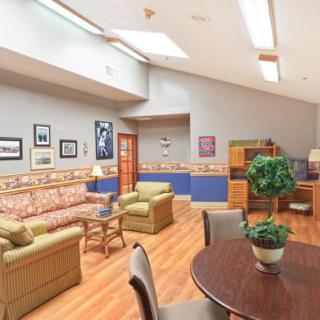
- The structure is run down with holes in the walls and lighting that patients cannot always reach.
- Entry to the facility was not controlled, with no one at the desk to enforce sign-in and doors not locked at the stated times.
Review
Hopewell Health Care Center is best suited for families seeking steady, compassionate nursing oversight in a budget-conscious setting and prepared to contend with an aging physical plant. The clearest strength is bedside care: staff described as friendly and patient, with nursing teams that provide reliable attention when concerns are raised. In practice, care quality can be dependable, and issues tend to be addressed promptly rather than delayed. Yet the environment itself is worn, with repairs and upkeep lagging behind, so daily life is shaped by visible signs of fatigue in the building and systems. That dynamic matters because it colors every interaction and decision about where to place a loved one.
Those who should consider alternatives are families prioritizing cleanliness, durability, and security in the living environment. Reviews describe a facility that feels run down, with holes in walls and unreliable overhead lighting, plus a noticeable lag in after-hours maintenance. More troubling are safety concerns: entry is not consistently monitored, doors are sometimes left unlocked, and the sign-in process is not actively enforced. If a resident requires a clean, modern setting, predictable maintenance, and a consistently supervised entrance, this center may fall short. For families with higher expectations about odor control, sanitation, and physical safety, stronger options elsewhere will offer greater peace of mind.
How the positives stack against the negatives shows a nuanced picture. The main upside is compassionate nursing care and a staff willingness to resolve issues quickly, which means medical attention and daily assistance can stay responsive even when the building is imperfect. That helps offset some frustration with the physical environment, but cannot compensate for persistent structural wear, hygiene lapses, and maintenance gaps. Food is described as fair hospital fare, adequate, but not a feature that will draw or retain residents on its own. Taken together, residents may receive solid clinical care in a less-than-ideal setting, but daily comfort hinges on factors beyond the bedside team.
Environmental and safety details demand close consideration. The most troubling examples include a dirty room upon transfer and adjoining spaces that raise questions about infection control. Signs of water damage or termite-like deterioration, and rusted metal parts point to longer-term neglect rather than isolated incidents. Lighting is often inconsistent, with pull cords out of reach for some residents, and maintenance coverage after hours appears limited. The combination creates a landscape where safety and dignity can be compromised if issues are not promptly addressed. Families should view a current room and a recent maintenance log to assess how persistent these problems are.
Resident-fit guidance and planning should focus on practical oversight. For a resident who mainly needs routine supervision and basic medical oversight, an older, less polished setting may still work if there is a strong care discipline and vigilant family oversight. Prospective residents must request a clear maintenance plan, arrange a tour at different times of day, and secure written assurances about repair response times. Ask about staffing levels, the availability of rehabilitative therapy, and the nurse-call system; verify that security protocols are actively enforced. A realistic plan for evening and weekend coverage will help determine whether the center can sustain safe, dignified living over time.
Bottom line: this community does not appear to be a premier choice for families prioritizing pristine facilities or rigorous environmental controls, but it can serve as a viable option for those valuing steady, compassionate care at a lower cost. The decisive move is to demand a concrete improvement plan, verify maintenance responsiveness, and compare with alternatives that emphasize cleanliness, security, and modern amenities. If selecting this center, implement a structured oversight plan: insist on regular housekeeping updates, visible repair schedules, and clear accountability. In the final assessment, the decision should hinge on whether the warmth of the caregiving staff justifies the compromises in environment and safety, or whether a more modern, well-kept setting will better align with the residentā€™s needs and family expectations.
 130 resident community capacity
 Skilled Nursing Facility
 Air-conditioning
 Beauty salon
 Cable or satellite TV
 Computer center
 Dining room
 Fitness room
 Fully furnished
 Gaming room
 Garden
 Housekeeping services
 Kitchenette
 Move-in coordination
 Outdoor space
 Private bathrooms
 Restaurant-style dining
 Small library
 Telephone
 Wellness center
 Wi-Fi/high-speed internet available
 Richmond International (17 miles away)
 Community operated transportation
 12-16 hour nursing
 24-hour call system
 Activities of daily living assistance
 Assistance with bathing
 Assistance with dressing
 Assistance with transfers
 Diabetes diet
 Medication management
 Mental wellness program
 Special dietary restrictions
 Concierge services
 Planned day trips


 California's Form 602A: An In-Depth Examination of Senior Care Assessment
 Comprehensive Look at Senior Blood Pressure Charts: Normal and Elevated Levels by Age
 Top Canine Companions for Older Adults