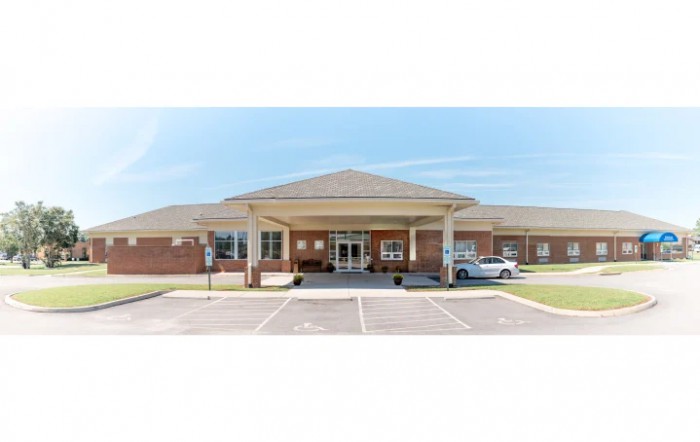
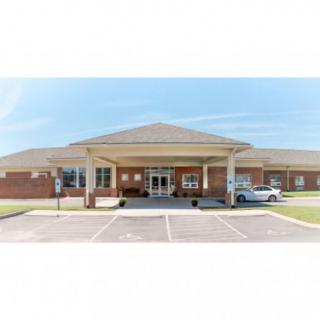
214 Weaver Avenue, Emporia, VA 23847
For more information about senior living options: (866) 208-4318
Overall Review of Greensville Health And Rehabilitation Center
Pros
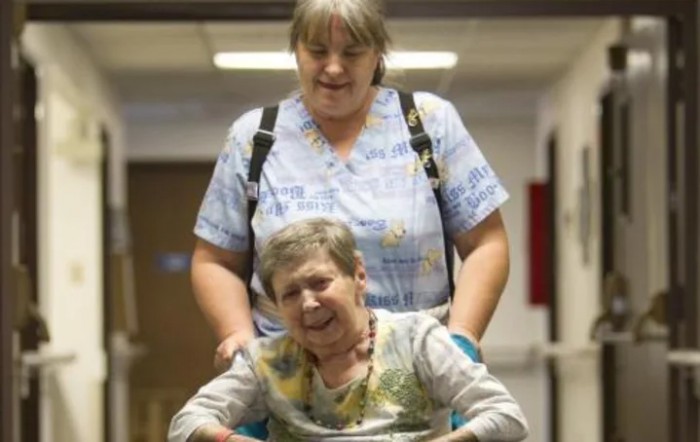
 Greensville Health and Rehab is a fantastic facility; the staff are caring and the facility is always clean.
- The environment is clean, fresh, and welcoming.
- Whitney is one of the best and goes above and beyond for everyone at the facility.
- The activity director, Mrs. Karin Turner, is awesome and a valuable asset to the facility; the social gatherings are fun and uplifting.
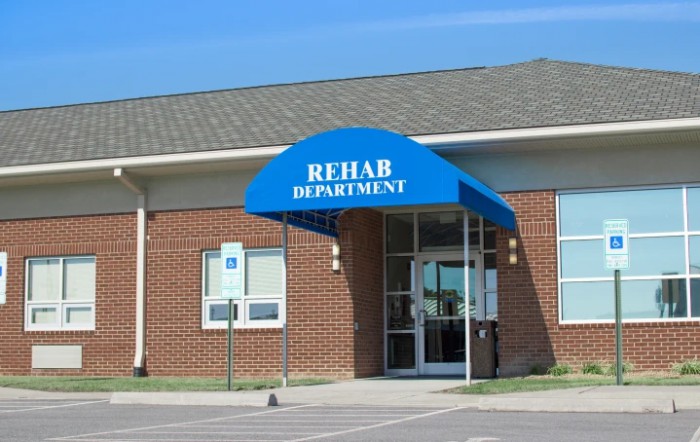
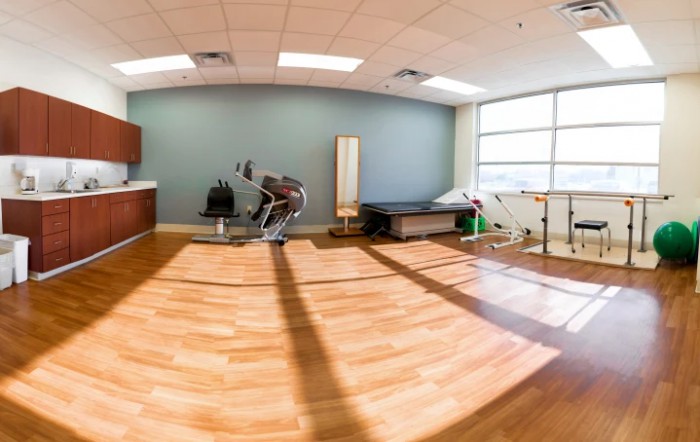
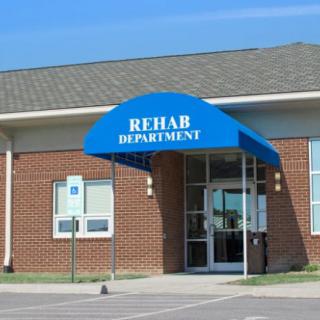
- The physical therapy department has an outstanding staff.
- The dietary department makes sure residents are served foods they like and that foods they cannot have are avoided.
- Mrs. Carolyn Foster, LPN, is a highly skilled nurse.
Cons
 Negativity among staff members at the front desk has been heard, even as others are doing their jobs.
Review
Greensville Health and Rehabilitation Center in Emporia, VA, is best suited for families seeking a skilled-nursing environment with a clear rehab emphasis and a warm, family-like culture. It shines for short-term post-acute rehabilitation after a hospital stay, where therapists and nursing teams collaborate to restore mobility and independence. The center also serves residents seeking longer-term care in a setting where daily life is anchored by courteous staff, clean surroundings, and active social engagement. The atmosphere feels welcoming and respectful rather than clinical, and families report that residents are treated like members of a local community, not just patients. That combination makes it a predictable, reliable choice for recovery and ongoing care.
Who should consider alternatives? For families prioritizing highly specialized medical complexity or extensive memory-care needs, other facilities with deeper capabilities in those areas may be more appropriate. While the general care is consistently strong, a cautionary note about occasional desk-level tension signals that front-desk communication and internal collaboration are not immune to hiccups. If those factors matter, especially for arranging discharge planning, coordinating family input, or scheduling therapy, use tours and direct conversations with the administrator to assess consistency across shifts. A thoughtful comparison will reveal whether the practical pace and culture align with specific medical or cognitive-care requirements.
Core strengths show up across the board: the environment is consistently clean, fresh, and welcoming; staff are described as polite, friendly, and knowledgeable; and the therapy team earns frequent praise for helping residents regain walking ability and independence. The activity director is highlighted as a standout, making group social gatherings uplifting and inclusive for families as well. Social work and admissions staff are repeatedly cited for thorough discharge planning, ensuring services and resources are in place after leaving the facility. The kitchen staff adapt menus to preferences and dietary restrictions, an often-overlooked comfort factor in daily life and recovery.
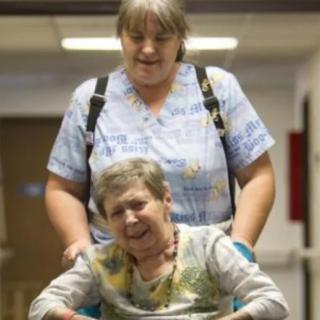
These strengths offset the less desirable note about occasional desk-level negativity by showing that care quality is consistent, pervasive, and reliable. When a resident needs a walker, a chair, or a bed placed for near-home access, the team responds, neighbors report experiences where staff go above and beyond to accommodate personal needs. The nurses, CNAs, and therapists are described as caring and patient, with the result that patients not only improve clinically but also maintain dignity and morale. The community aspect, church-band entertainment, social events, and a supportive network, helps families feel reassured about ongoing engagement and safety, turning daily care into a cohesive, hopeful routine.
Real-world outcomes back the narrative: a patient who could not feed himself or walk was helped to regain independence; a family member notes that discharge planning connected them with services at the exact moment needed; a husband in rehab benefited from a bed close to home, easing caregiving logistics. The staff’s consistency across departments, from the dietary team to the PT department to the front-office crew, creates a momentum where progress accrues day by day. In short, Greensville translates compassionate intention into measurable mobility, function, and confidence for both residents and their families, reinforcing the facility as a dependable hub of recovery and everyday support.
Bottom line: Greensville Health and Rehabilitation Center is a strong, practical choice for seniors requiring short-term rehab plus steady, compassionate care or long-term support in a genuinely neighborly setting. For families seeking highly specialized medical subspecialties or intensive memory-care programming, it is prudent to compare options and visit to verify that the facility’s strengths align with needs. Prospective residents should engage with the D.O.N., the social worker, and the therapy team to understand discharge planning, activity calendars, and safety measures. When these pieces fit, this community delivers dependable, community-rooted care that keeps mobility, dignity, and morale at the forefront.
 65 resident community capacity
 Skilled Nursing Facility
 Air-conditioning
 Beauty salon
 Cable or satellite TV
 Computer center
 Dining room
 Fitness room
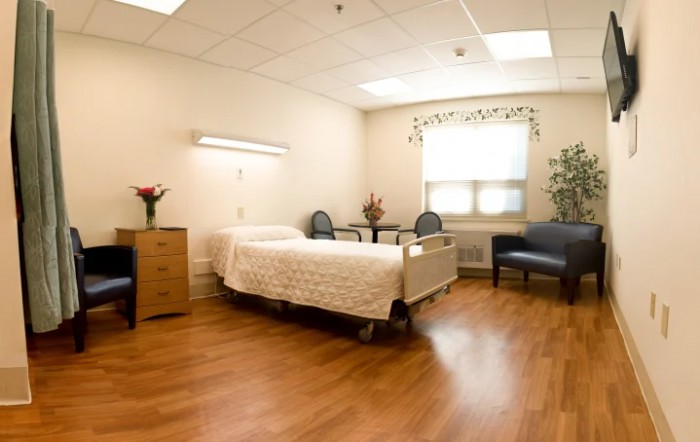
 Fully furnished
 Gaming room
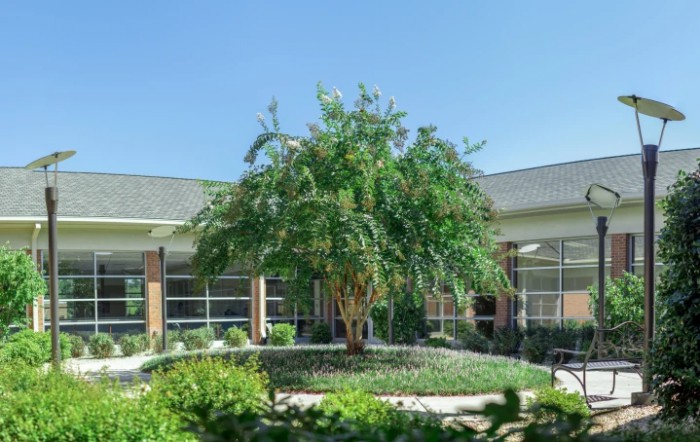
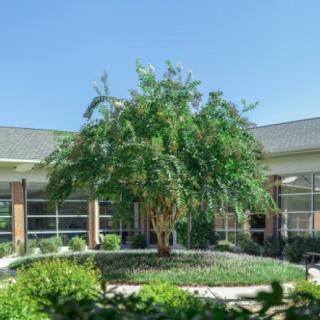
 Garden
 Housekeeping services
 Kitchenette
 Move-in coordination
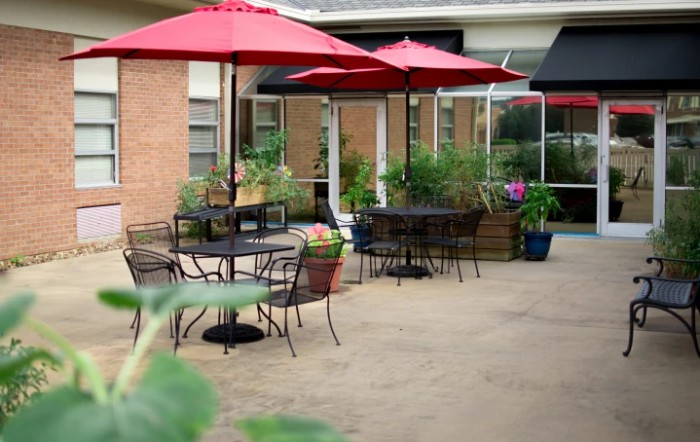
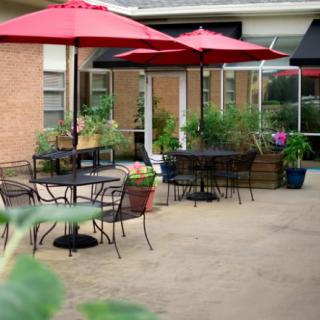
 Outdoor space
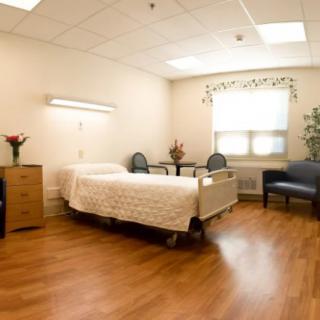
 Private bathrooms
 Restaurant-style dining
 Small library
 Telephone
 Wellness center
 Wi-Fi/high-speed internet available
 Community operated transportation
 12-16 hour nursing
 24-hour call system
 Activities of daily living assistance
 Assistance with bathing
 Assistance with dressing
 Assistance with transfers
 Diabetes diet
 Medication management
 Mental wellness program
 Special dietary restrictions
 Concierge services
 Planned day trips





 Senior Move Management: Understanding the Role, Value, and Associated Costs
 Weight Training for Seniors: Building Strength and Vitality
 Understanding the Sandwich Generation: Stress and Responsibilities for Multigenerational Caregivers