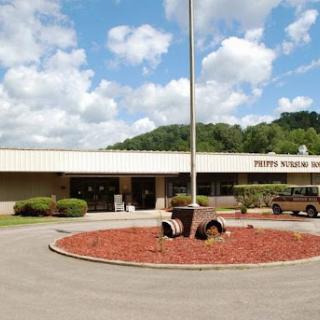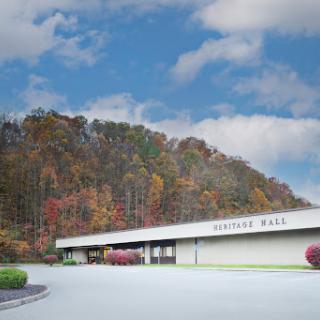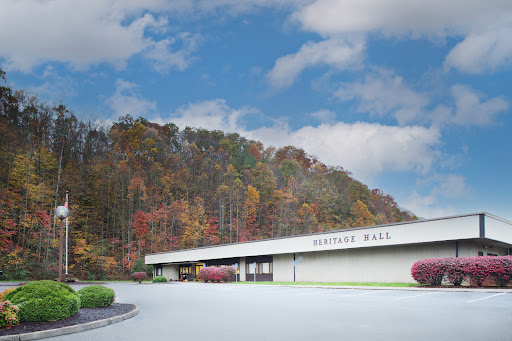
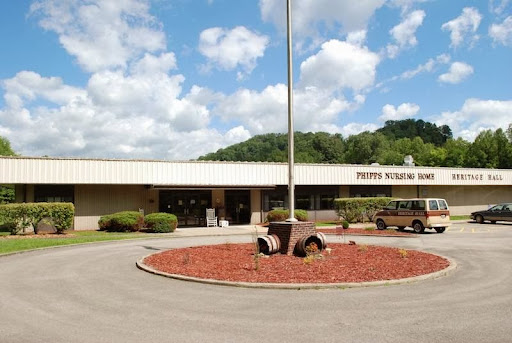
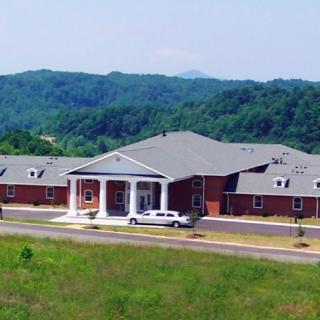
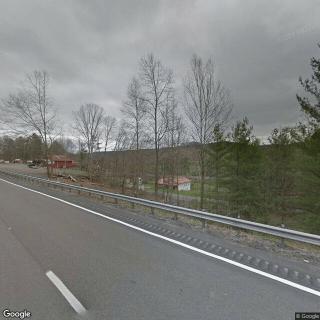
1225 Clintwood Main Street, Route 607 Po Box 909, Clintwood, VA 24228
For more information about senior living options: (866) 208-4318
Overall Review of Heritage Hall Clintwood
Pros
 Heritage Hall provided excellent care to the resident.
 - The staff at Heritage Hall were amazing and provided excellent care.
- The family was pleased with the care their mother received at Heritage Hall.
- The team at Heritage Hall Clintwood is friendly, and residents appear happy and well cared for.
- The dietary team provides an excellent meal.
- The management staff is great, and they are very knowledgeable and professional.
Cons
 A reviewer described the facility as sucking, with horrible food and a level of care that is a joke, noting CNAs often don’t want to do their jobs and never answer call lights.
- Another reviewer claimed the staff don’t care for residents properly, recounting a black eye on their mother and bills still being sent a year after her death.
- A commenter stated they would never place anyone there again.
- One review noted that staff are very overworked, even though the attitudes are nice.
- A critic argued that problem patients aren’t punished or addressed until it’s almost too late.
- Another impression was that the facility’s billing continued after death, implying ongoing issues.
Review
Heritage Hall Clintwood is best suited for seniors whose families prioritize compassionate end-of-life support, strong nutritional service, and a management team that is accessible and engaged. The care model shines most clearly when a resident needs hospice-ready attention and when family members value being able to stay with their relative through the final days. Reviewers repeatedly highlight care teams that treat patients and their kin with dignity, and they praise the dietary program as a notable strength. The leadership presence, management cited as knowledgeable and professional, adds a layer of reassurance for families navigating complex decisions. In essence, this community earns its keep when care teams are consistently present, meals meet expectations, and families are welcomed into the caregiving process as partners rather than observers.
Those who should consider alternatives are families whose loved one requires near-constant, flawless supervision or who demand uniformly dependable day-to-day care. A subset of reviews describe slower call-light responses, a sense that some CNAs are overextended, and inconsistencies in daily care. For residents with higher acuity or behaviors that require immediate, proactive intervention, these gaps can be meaningful risk factors. Additional caution is warranted for families prioritizing robust safety protocols, highly specialized memory care, or strict, transparent billing practices. Not every shift will feel equally strong, and for some, that variability will be a deal-breaker.
On the upside, Heritage Hall Clintwood demonstrates a clear strength in hospice-appropriate caregiving. Several families recount that their loved ones received exceptional attention as illness progressed, with staff going the extra mile to support both patient and family. The dietary program earns consistent praise, contributing to a sense of normalcy and comfort around meals. Reviewers also signal that the management team, often named by staff and families, acts with competence and kindness, fostering trust during difficult transitions. When care is focused on preserving dignity, providing clear communication, and maintaining a supportive atmosphere, these elements create genuine value even amid broader staffing tensions.
At the same time, the facility faces credible concerns that repeat in multiple accounts. Descriptions of overworked staff, uneven responsiveness, and occasional lapses in care carry real weight for families choosing where to place a loved one. The most troubling anecdotes, a resident with a black eye and subsequent billing after death, are alarming and demand serious attention from leadership and potential residents alike. While many staff members are described as pleasant and well-meaning, the impression of systemic strain on busy shifts cannot be dismissed. These conflicting voices suggest a care environment that can be compassionate and professional, but only under certain conditions and with careful oversight.
The pros offset the cons most meaningfully for families that can accept some day-to-day variability in exchange for proven hospice-compatible care, meaningful family involvement, and solid nutritional support. The ability to have family members present during sensitive times is a meaningful differentiator, and it often translates into a calmer, more controlled end-of-life experience. Accessible management is another strong point, delivering reassurance that concerns will be heard and addressed. Yet this offset depends on transparent policies and concrete guarantees: what staffing ratios look like across shifts, how incidents are documented and corrected, and how billing is reconciled when a resident passes. Without clear answers on these points, the value proposition becomes uncertain for risk-averse families.
Bottom line: Heritage Hall Clintwood can be a solid choice for those who prize compassionate, hospice-capable care, engaging leadership, and dependable meals, all within a family-inclusive environment. It is not the best fit for families seeking unwavering, uniform day-to-day consistency or for those needing rigid, fail-safe safety controls. Prospective residents should approach with a concrete plan: tour with questions about call-light etiquette, staffing levels on all shifts, incident reporting rigor, and a clear path to billing closure after a passing. If the responses reassure concerns, the community can deliver a meaningful quality of life and respectful end-of-life care that eases a difficult transition. If not, it makes sense to compare nearby options known for steadier staffing, tighter safety protocols, and more predictable daily operations.
 100 resident community capacity
 Skilled Nursing Facility
 Air-conditioning
 Beauty salon
 Cable or satellite TV
 Computer center
 Dining room
 Fitness room
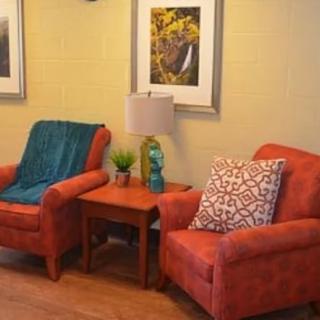
 Fully furnished
 Gaming room
 Garden
 Housekeeping services
 Kitchenette
 Move-in coordination
 Outdoor space
 Private bathrooms
 Restaurant-style dining
 Small library
 Telephone
 Wellness center
 Wi-Fi/high-speed internet available
 Community operated transportation
 12-16 hour nursing
 24-hour call system
 Activities of daily living assistance
 Assistance with bathing
 Assistance with dressing
 Assistance with transfers
 Diabetes diet
 Medication management
 Mental wellness program
 Special dietary restrictions
 Concierge services
 Planned day trips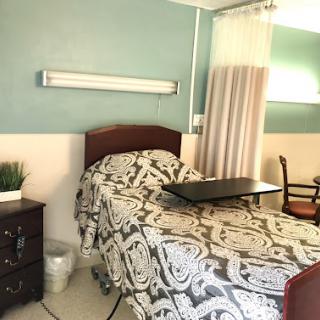


 Weight Training for Seniors: Building Strength and Vitality
 Understanding the Sandwich Generation: Stress and Responsibilities for Multigenerational Caregivers
 8 Essential Assistive Devices for Older Adults