For more information about senior living options: (866) 208-4318
3.9 from 121 reviews
5 stars
76
4 stars
10
3 stars
8
2 stars
4
1 stars
23
Overall Review of Albemarle Health And Rehabilitation Center
common32 reviews mention this
Caring staff stands out
Residents and families repeatedly describe kind, supportive care from the team.
Many reviews emphasize the kindness and responsiveness they saw from nurses, caregivers, and therapists. Several mention staff going out of their way to support families with communication and day-to-day needs, and to help residents feel more comfortable during recovery. There are also a few sharper negative reviews about staff behavior and respect, but the dominant pattern is people feeling taken care of by the staff they encountered.
common16 reviews mention this
Clean building and rooms
Multiple reviewers point to a clean, well-kept facility.
A recurring point in the feedback is that the facility looks clean and maintained, including common areas and rooms. Some reviewers specifically mention a clean reception area and an overall impression of cleanliness during visits. A smaller set of reviews describe dirty rooms or unsanitary linens, which contrasts with the more common cleanliness comments.
differentiator7 reviews mention this
Rehab therapy leads to progress
Therapists are repeatedly credited with helping residents improve.
Several reviews describe physical and occupational therapy as a major driver of recovery, including residents becoming more independent and able to participate in therapy sessions. Reviewers also mention supportive therapy interactions and praise for specific therapists. At the same time, a few highly negative reviews describe poor care coordination or medication issues, which shows therapy quality isn’t consistently experienced across every stay.
common4 reviews mention this
Activities team adds structure
Residents and visitors highlight engagement through planned activities.
Some reviewers call out the activities team as especially helpful and passionate, and they mention organized daily activity. A few reviews also connect the presence of activities to a more positive experience for residents during rehabilitation. Reviews about activities are more mixed than feedback about staff and cleanliness, but when mentioned positively, it’s tied to day-to-day engagement.
caveat8 reviews mention this
Food quality is a frequent complaint
Food quality and meal consistency draw repeated criticism.
Several reviews say the food quality isn’t good, describing it as cold, poorly portioned, or not matching what residents expect from menus. Others add concerns about dining options and the overall dining experience. While a few reviewers say they liked the food, the more common dining feedback is that meals can be disappointing during a stay.
caveat12 reviews mention this
Communication and call response concerns
Some families report difficulty reaching staff and slow responses to needs.
A number of reviews describe problems with communication after arrival, including delays in getting answers, returned calls, or follow-up on paperwork. Multiple reviews also mention long waits when using the call button or being left without prompt help. There are also a few reviews that describe staff as responsive and quick to help, but the negative communication pattern is prominent enough to stand out.
How we summarize
Counts show how many written reviews mention each theme; a review can touch several themes, and only frequently mentioned themes are displayed.
Features
Housing
120 resident community capacity
Types of Care
Skilled Nursing Facility
Amenities
Air-conditioning
Beauty salon
Cable or satellite TV
Computer center
Dining room
Fitness room
Fully furnished
Gaming room
Garden
Housekeeping services
Kitchenette
Move-in coordination
Outdoor space
Private bathrooms
Restaurant-style dining
Small library
Telephone
Wellness center
Wi-Fi/high-speed internet available
Transportation
Charlottesville-Albermarle (10 miles away)
Community operated transportation
Transportation arrangement
Transportation arrangement (non-medical)
Transportation to doctors appointments
Care Services
12-16 hour nursing
24-hour call system
24-hour supervision
Activities of daily living assistance
Assistance with bathing
Assistance with dressing
Assistance with transfers
Diabetes diet
Meal preparation and service
Medication management
Mental wellness program
Special dietary restrictions
Dining
Diabetes diet
Special dietary restrictions
Activities
Community-sponsored activities
Concierge services
Fitness programs
Planned day trips
Resident-run activities
Scheduled daily activities
Nearby Places of Interest
Pharmacies
Wegmans (0.9 miles)
CVS Pharmacy (1.2 miles)
Timberlakes Drug Store (2.5 miles)
CVS Pharmacy (2.5 miles)
CVS Pharmacy (2.6 miles)
CVS Pharmacy (3.4 miles)
Restaurants
Timberwood Tap House (1 miles)
Taco Bell (1.1 miles)
Burger King (1.1 miles)
Brazos Tacos (2.1 miles)
Three Notch'd Craft Kitchen & Brewery (2.2 miles)
Durty Nelly's Pub-Wayside Deli (2.2 miles)
Southern Crescent Galley and Bar (2.3 miles)
Theaters
Alamo Drafthouse Charlottesville (1.1 miles)
Parks
Belmont Park (1.8 miles)
Tonsler Park (2.1 miles)
IX Art Park (2.2 miles)
Riverview Park (2.9 miles)
Cafes
J Bird Supply (2.1 miles)
Starbucks (2.1 miles)
Kung Fu Tea (2.5 miles)
Mudhouse (2.5 miles)
Shenandoah Joe Coffee Roasters (3 miles)
Physicians
Pathways Developmental Pediatrics (2.3 miles)
Downtown Family Health Care (2.4 miles)
UVA Adult Neurology Clinic (2.4 miles)
UVA Pulmonary Clinic (2.4 miles)
Stephanie Ficht, NNP (2.4 miles)
UVA West Complex (2.5 miles)
Elson Student Health Center (2.5 miles)
Hospitals
UVA 3 Central (2.4 miles)
University of Virginia Health System : Infectious Diseases Clinic (2.4 miles)
UVA Hospital 4 Central (2.4 miles)
University Hospital (2.5 miles)
Rector & Visitors of The University of Virginia (2.8 miles)
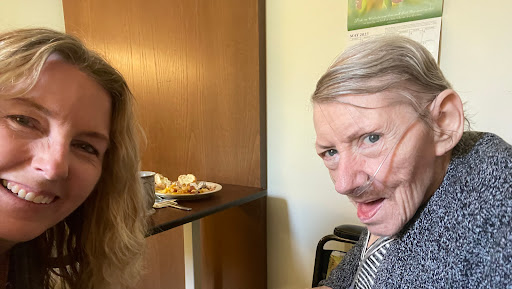
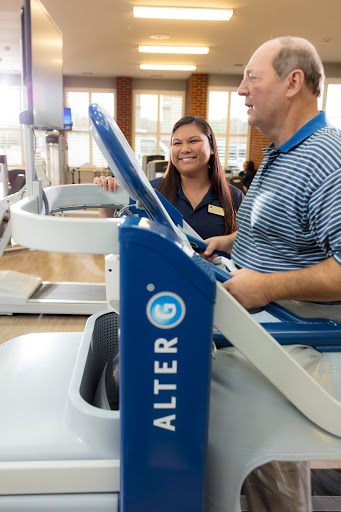
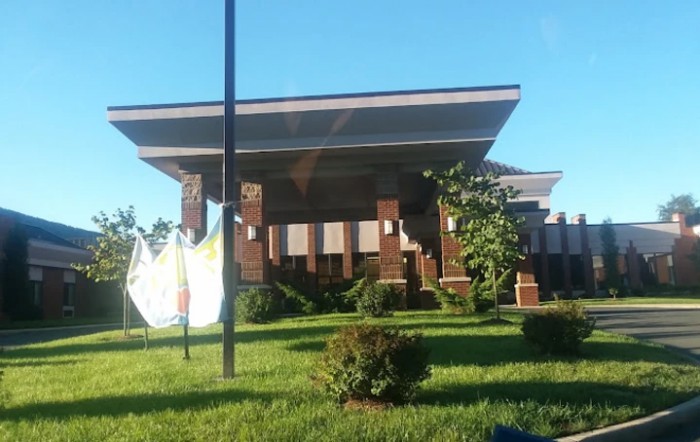
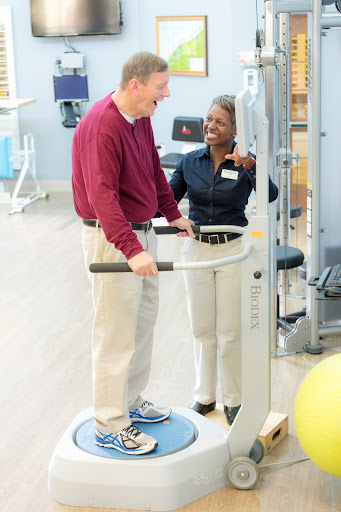
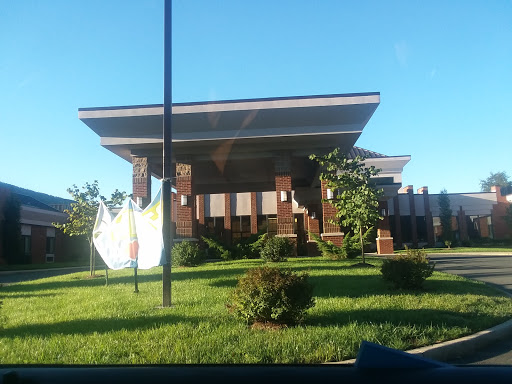
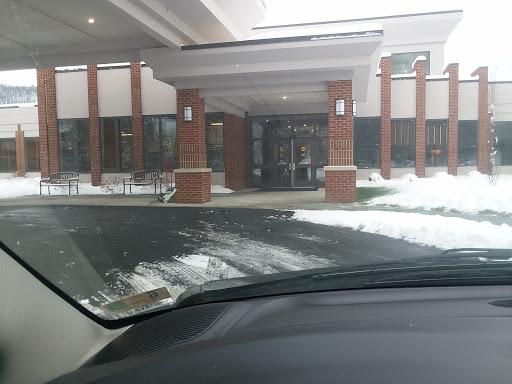
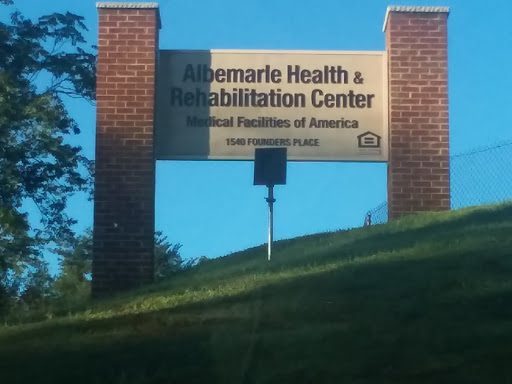
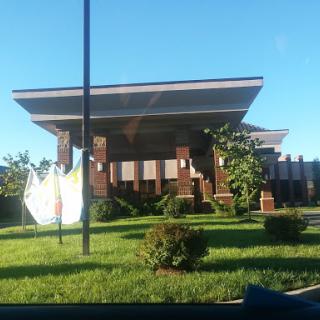
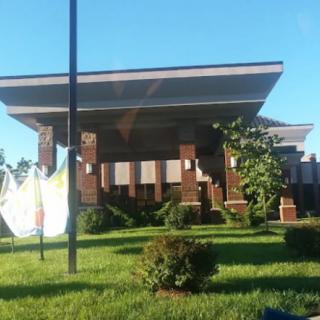
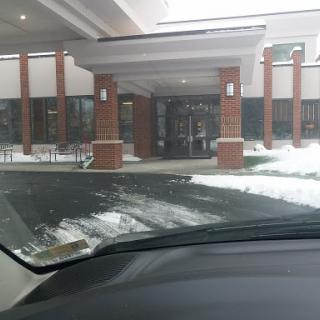
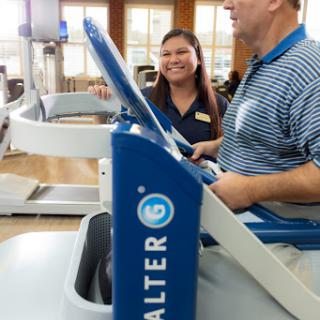
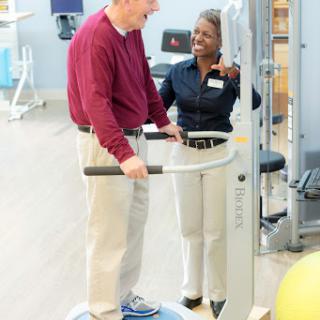
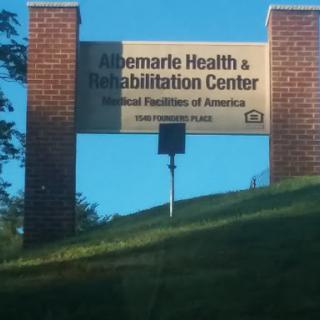
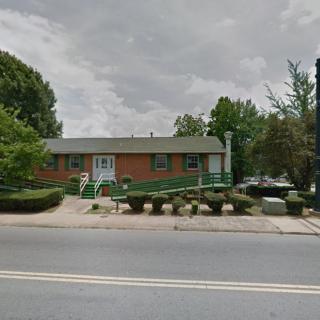
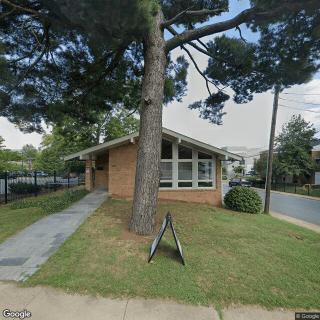
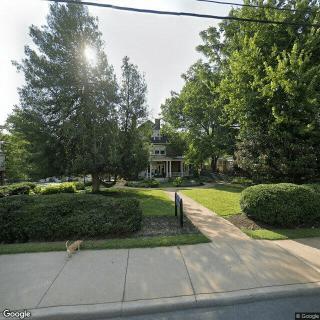
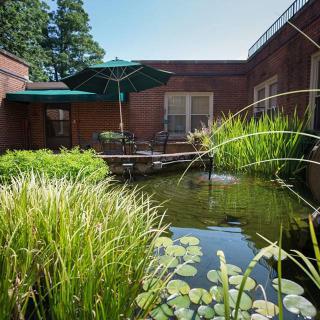
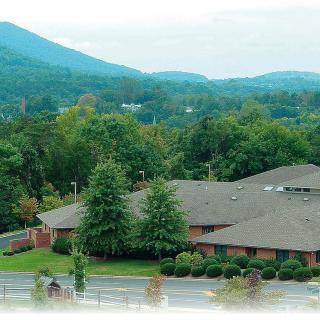
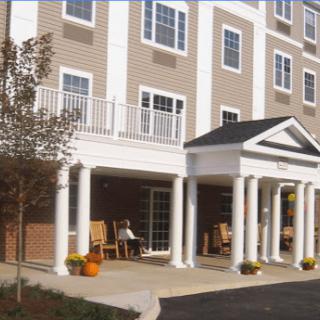
Albemarle Health And Rehabilitation Center on seniors.fyi includes 7 photos including images showing landscaping, fitness, rehabilitation, gym, building, physical therapy, interior, park, and more.
Nearby Communities
Nalle Street Home For Adults
Charlottesville, VA
4.5 from 111 reviews
Well-connected with ample nearby amenities and services.
Monticello Ridge Crossing ALF
Charlottesville, VA
2 from 4 reviews
$1,500 to $2,500 / month
Happy, content residents in a clean, well-maintained facility.
Monticello Ridge Crossing - ALF
Charlottesville, VA
1 from 2 reviews
Fully furnished apartments with 24/7 care and restaurant-style dining.
Midway Manor
Charlottesville, VA
1 from 1 review
Close to numerous amenities and healthcare options.
Home Instead - Charlottesville, VA
Charlottesville, VA
4.8 from 52 reviews
Compassionate, personalized caregivers with strong office support and clear communication.
Rosewood Manor
Charlottesville, VA
5 from 6 reviews
Excellent access to nearby amenities and healthcare.
Martha Jefferson House
Charlottesville, VA
4.7 from 40 reviews
$5,500 to $6,500 / month
Home-like setting with a caring, attentive staff and an odor-free, clean environment.
The Heritage Inn
Charlottesville, VA
4.5 from 127 reviews
$3,585 to $5,200 / month
Warm, home-like atmosphere with attentive staff and well-maintained facilities.
Nursing home care costs in the U.S. vary significantly based on location, level of care, and amenities, with private room prices ranging from approximately $6,700 to over $30,000 monthly. Families need to explore various payment options and conduct thorough research to manage these expenses effectively.
Nonmedical home care provides assistance with daily activities and companionship for individuals wishing to maintain independence and quality of life at home, without medical intervention. Its growing popularity is driven by an aging population, the need for supportive environments for recovery, and the emotional benefits of caregiver companionship, while costs vary based on service frequency and location.
Maintaining cognitive fitness through engaging in various brain games, both traditional and digital, is crucial for seniors as it enhances memory retention, problem-solving abilities, and emotional well-being while helping to protect against age-related decline. A holistic approach that includes diverse activities, physical exercise, a balanced diet, and social interaction further supports mental health and cognitive function.
Get PricingAsk A QuestionSchedule A TourContact Senior Advisor
By clicking submit, you agree to our Partner's Terms of Use. You
also consent to receive calls and texts, which may be autodialed, from our Partner. Your consent is not a condition to
using our Partner's service. Please visit our Partner's Privacy Policy for information about their privacy practices.

 120 resident community capacity
 Skilled Nursing Facility
 Air-conditioning
 Beauty salon
 Cable or satellite TV
 Computer center
 Dining room
 Fitness room
 Fully furnished
 Gaming room
 Garden
 Housekeeping services
 Kitchenette
 Move-in coordination
 Outdoor space
 Private bathrooms
 Restaurant-style dining
 Small library
 Telephone
 Wellness center
 Wi-Fi/high-speed internet available
 Charlottesville-Albermarle (10 miles away)
 Community operated transportation
 12-16 hour nursing
 24-hour call system
 Activities of daily living assistance
 Assistance with bathing
 Assistance with dressing
 Assistance with transfers
 Diabetes diet
 Medication management
 Mental wellness program
 Special dietary restrictions
 Concierge services
 Planned day trips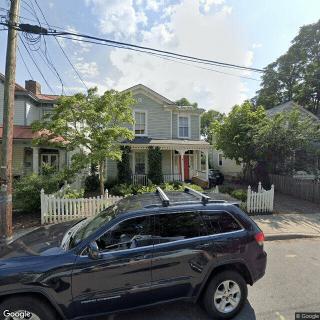
 Well-connected with ample nearby amenities and services.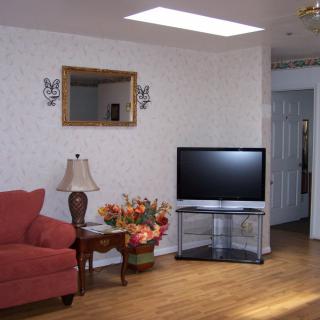
 A Detailed Examination of Nursing Home Costs Across the U.S.
 Exploring Nonmedical Home Care: Understanding Services, Costs, and Financial Approaches
 Engaging Brain Games and Innovative Apps to Keep Senior Minds Active