

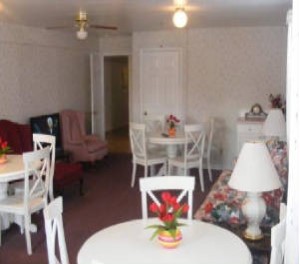
218 Ridge Street, Charlottesville, VA 22901
For more information about senior living options: (866) 208-4318
Overall Review of Monticello Ridge Crossing - ALF
Cons
 The place is awful.
- Mrs. Wright lives in a bedroom there, and the space is so tight that ice for drinks couldn't be obtained.
- The owner is difficult to work with and controlling.
- The owner yells at residents, intimidates them, and threatens eviction.
- The owner says residents must leave for a "higher level of care" even for minor issues like asking for a Band-Aid.
- The reviewer recommends looking elsewhere for a facility because families deserve better.
Review
Monticello Ridge Crossing in Charlottesville is best avoided by families seeking a humane, well-run assisted-living experience. In practical terms, the community only becomes worth considering in the most constrained of circumstances, when all other options have been exhausted and a family is willing to tolerate a highly restrictive governance style and cramped living spaces. Even then, it would be a decision driven by a desperate sense of necessity rather than confidence in quality or safety. For anyone who values resident autonomy, consistent staff support, and a respectful atmosphere, this community should sit far lower on the list than competing facilities that prioritize dignity and clear, compassionate management.
The central red flags revolve around the operatorā€™s approach to control and resident interaction. Reports describe a managing owner who is difficult to work with, overly controlling, and unwilling to accommodate family involvement. The characterization of yelling, intimidation, and threats of eviction for routine acts paints a picture of a hostile environment where residents are pressured rather than cared for. When family members are told they cannot influence care or daily routines, and when legitimate requests are met with punitive responses, trust erodes and the likelihood of a safe, supportive living situation diminishes rapidly.
Space and daily living conditions compound the concerns. One account notes a bedroom so tight that simple conveniences, such as providing ice for drinks, are blocked, signaling not just cramped quarters but a broader disregard for basic resident comfort. Such limitations speak to a culture that deprioritizes resident autonomy and practical needs. In an assisted-living setting, where independence and quality of life hinge on reasonable accommodations, these constraints are incompatible with sound care.
Taken together, the pros that might justify a consideration are either non-existent or overshadowed by the decisive cons. The absence of a supportive, respectful care environment, and the presence of coercive management practices, far outweigh any potential upside. The threat of eviction for ordinary requests, or for disagreeing with how care is administered, creates an atmosphere of fear rather than trust. In a setting where health changes can occur rapidly, this kind of climate undermines resident safety, continuity of care, and psychological wellbeing, making any hidden or assumed benefits negligible.
For families evaluating options, the instruction is clear: prioritize facilities with proven commitment to resident rights, transparent communication, and stable leadership. Alternatives exist that emphasize person-centered care, collaborative care planning, and a culture that welcomes family involvement without fear of retaliatory actions. If time pressures demand a preliminary evaluation of Monticello Ridge Crossing, approach with a structured due-diligence plan: request recent inspection reports, ask to speak with several current residents or their families, review the grievance process, and verify how care plans are developed and updated. Do not rely on promises, seek verifiable practices.
In the end, the decision should hinge on the balance between cost and the fundamental needs for safety, dignity, and trust. Verifying multiple competing options that demonstrate consistent staffing, respectful resident interactions, and clear rules of engagement will protect a family from a choice that compromises wellbeing. If Monticello Ridge Crossing remains a consideration, approach with skepticism, insist on concrete evidence of resident rights protections, and prepare to relocate should there be any sign of deteriorating care or coercive management. The standard to uphold is simple: a setting where elders are treated with dignity, not a place where fear, friction, and control drive daily life.
 30 resident community capacity
 Assisted Living
 Beauty salon
 Cable or satellite TV
 Dining room
 Fully furnished
 Garden
 Housekeeping services
 Kitchenette
 Move-in coordination
 Outdoor space
 Restaurant-style dining
 Small library
 Telephone
 Wi-Fi/high-speed internet available
 Charlottesville-Albermarle (8 miles away)
 24-hour call system
 Activities of daily living assistance
 Assistance with bathing
 Assistance with dressing
 Assistance with transfers
 Diabetes diet
 Medication management
 Mental wellness program
 Special dietary restrictions
 Happy, content residents in a clean, well-maintained facility.







 Comprehensive Supportive Living Arrangements for Adults with Disabilities
 Funding and Affording Assisted Living: A Thorough Overview
 Assisted Living Expenses and Long-Term Care Insurance: A Comprehensive Exploration