For more information about senior living options: (866) 208-4318
4.2 from 92 reviews
5 stars
65
4 stars
9
3 stars
1
2 stars
2
1 stars
15
Overall Review of St George Rehabilitation
differentiator2 reviews mention this
Wound care gets real credit
Residents highlight the wound care team’s fast, hands-on treatment.
One reviewer describes an open wound being found quickly after a missed hospital stay and says the nursing and wound care team cleaned it out and started testing right away. Another says wound care nurses and the broader care team were “amazing” while their family member improved.
common7 reviews mention this
Therapy support is a strong point
Physical and occupational therapy are frequently praised as effective and attentive.
Across multiple reviews, residents or families credit PT/OT with meaningful progress after injuries and hospital transitions. Several comments single out therapists as knowledgeable, patient-focused, and engaged in hands-on rehabilitation, with some reviewers describing improvements soon after starting therapy.
caveat5 reviews mention this
Call lights and basic care can lag
Several reviews say staffing and response times can fall short.
Some reviewers report ignored call buttons or long waits to answer at night, including accounts of delayed help with toileting and changing. A few reviews also describe missed or insufficient care tasks, including concerns about therapy not being carried out as expected or basic communication falling apart on certain days.
common6 reviews mention this
Food quality gets mixed reviews
Residents report both strong meals and recurring concerns about dining.
Several reviews praise the food, mentioning variety and that meals improved compared with a prior stay. Others describe food as horrible, note dietary needs not being met, and say meals were taken away when they asked for alternatives.
common4 reviews mention this
Communication during rehab matters
Family members describe very different experiences with updates and coordination.
Some reviewers say admission and ongoing communication were handled well, including regular updates from a named staff member. Others describe breakdowns in coordination, such as a transfer to the emergency room without notifying family in time, or feeling the facility was pushy during the intake paperwork process.
How we summarize
Counts show how many written reviews mention each theme; a review can touch several themes, and only frequently mentioned themes are displayed.
Features
Housing
99 resident community capacity
Types of Care
Skilled Nursing Facility
Amenities
Air-conditioning
Beauty salon
Cable or satellite TV
Computer center
Dining room
Fitness room
Fully furnished
Gaming room
Garden
Housekeeping services
Kitchenette
Move-in coordination
Outdoor space
Private bathrooms
Restaurant-style dining
Small library
Telephone
Wellness center
Wi-Fi/high-speed internet available
Transportation
St George Muni (2 miles away)
Community operated transportation
Transportation arrangement
Transportation arrangement (non-medical)
Transportation to doctors appointments
Care Services
12-16 hour nursing
24-hour call system
24-hour supervision
Activities of daily living assistance
Assistance with bathing
Assistance with dressing
Assistance with transfers
Diabetes diet
Meal preparation and service
Medication management
Mental wellness program
Special dietary restrictions
Dining
Diabetes diet
Special dietary restrictions
Activities
Community-sponsored activities
Concierge services
Fitness programs
Planned day trips
Resident-run activities
Scheduled daily activities
Nearby Places of Interest
Restaurants
Viva Chicken (0.2 miles)
La Botana (0.3 miles)
Five Guys Burgers & Fries (0.3 miles)
Wendy's (0.3 miles)
Sakura Japanese Steakhouse (0.3 miles)
Frostop (0.3 miles)
The One & Only (0.3 miles)
Physicians
Dixie Pediatrics (0.2 miles)
Rim Rock Orthopedics & Sports Medicine (0.6 miles)
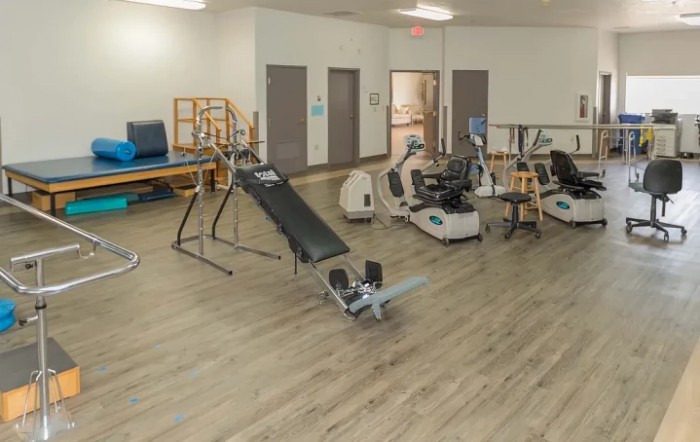
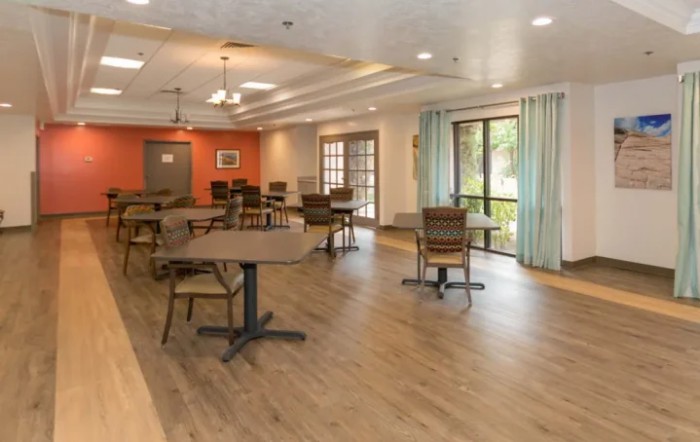
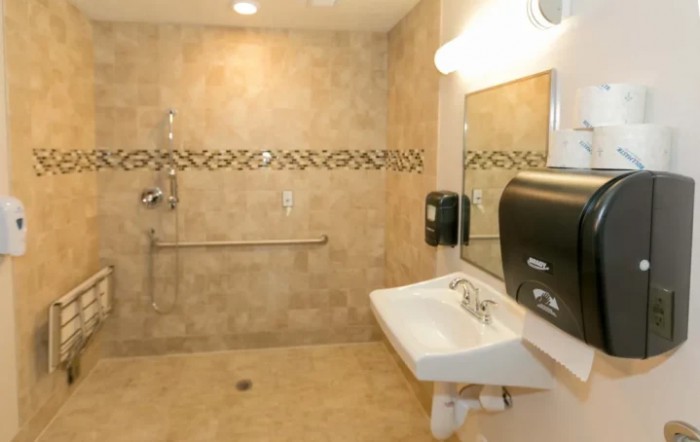
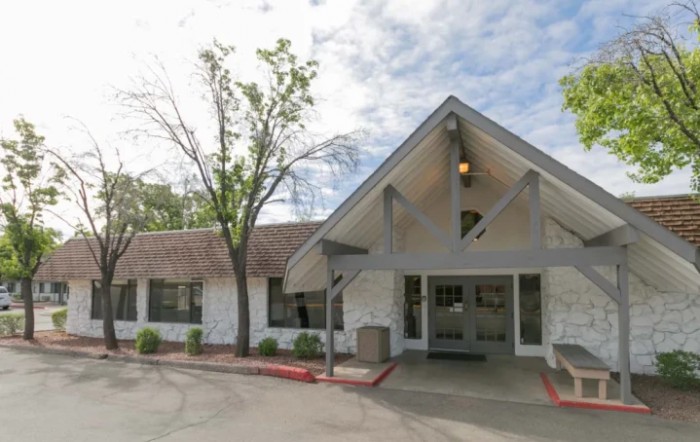
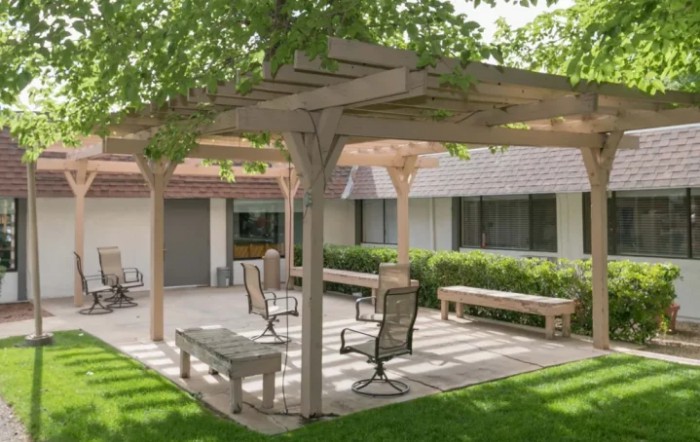
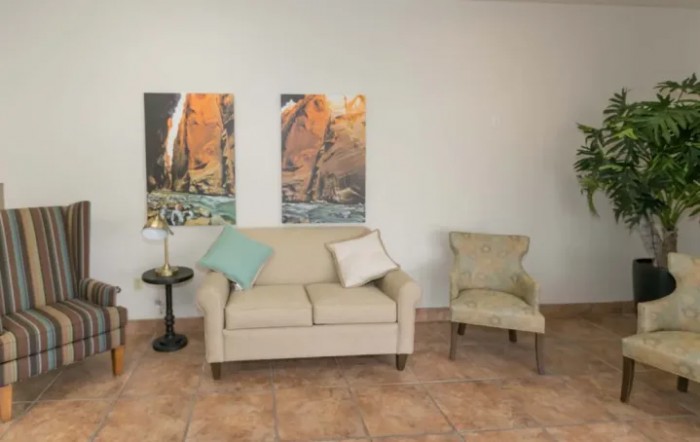
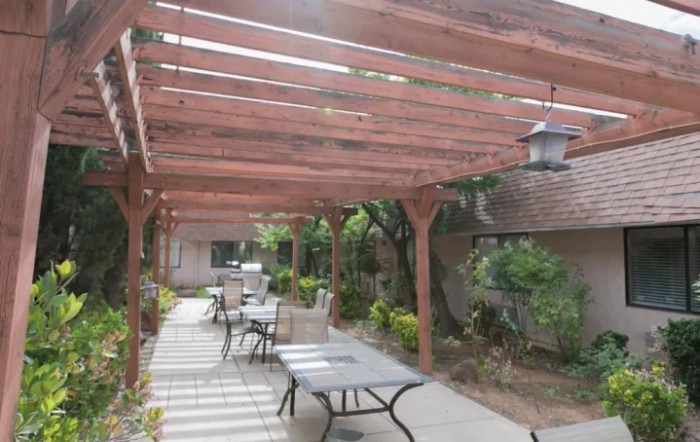
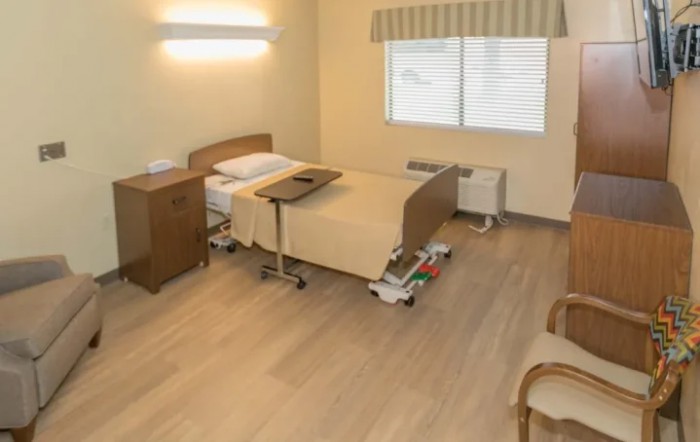
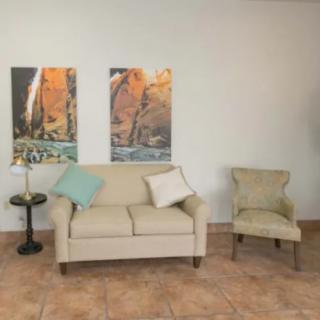
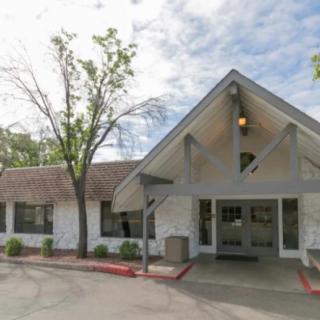
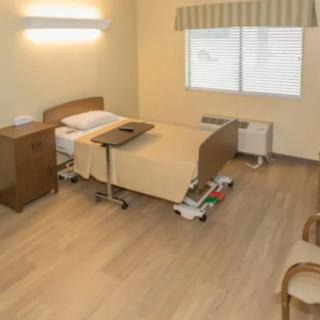
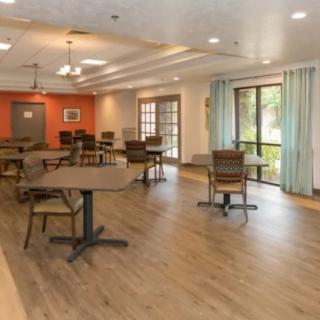
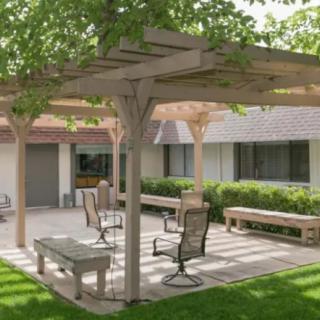
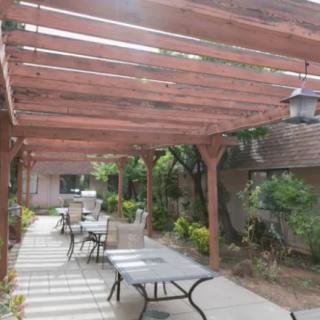
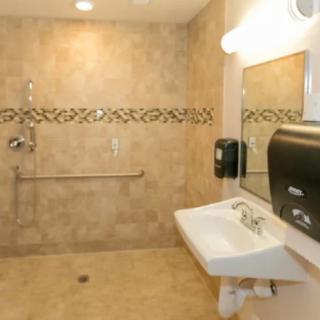
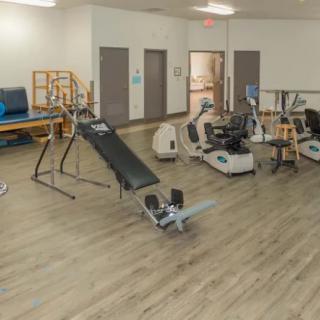
St George Rehabilitation on seniors.fyi includes 8 photos including images showing interior, patio, pergola, outdoor seating, garden, architecture, accessible, outdoors, and more.
Nearby Communities
Bella Terra St George
St George, UT
3.5 from 20 reviews
Compassionate rehab staff and quality physical therapy.
Ridgeview Gardens of St. George
Saint George, UT
4 from 67 reviews
$1,900 to $6,000 / month
Friendly, smaller community with caring staff and engaging activities.
Home Helpers Of St George
St George, UT
24-hour supervision with ADL assistance, medication management, and engaging activities.
Integrated Senior Care Personal Care
St George, UT
5 from 12 reviews
Fully furnished apartments with on-site dining, housekeeping, 24-hour supervision, and medication/ADL support.
Golden Heart Senior Care - Saint George
Saint George, UT
4.6 from 10 reviews
Caring, attentive staff with strong responsiveness and clear communication.
Care to Stay Home - Saint George, UT
Saint George, UT
4.9 from 110 reviews
Excellent caregiver matching and responsive, compassionate staff (especially the owner) who facilitate prompt care arrangements.
The Retreat at Sunbrook
Saint George, UT
4.6 from 40 reviews
$4,325 to $5,325 / month
Warm, attentive staff; clean, appealing facilities with engaging activities and scenic surroundings.
Ovation Sienna Hills
Washington, UT
4.4 from 122 reviews
$3,843 to $4,987 / month
Friendly, attentive staff with a clean, modern campus and abundant amenities that foster a social community.
Seniors benefit from ride-hailing services like Uber and Lyft, which provide convenient and accessible transportation options that promote independence and social engagement, while addressing mobility challenges. These platforms have adapted to meet senior needs with user-friendly features and safety measures, although costs can be a concern; community programs may help subsidize rides for older adults.
The guide outlines the eligibility criteria for home health care services, emphasizing clinical requirements, insurance options, and application processes. It distinguishes between Medicare's strict and Medicaid's flexible qualifications while addressing challenges families may face in securing necessary care at home.
Elder abuse affects many older adults worldwide and includes physical, emotional, neglectful, and financial harm, with about one in six individuals over 60 experiencing abuse annually. Prevention and intervention strategies focus on awareness, support for caregivers, and mandatory reporting, while recovery necessitates comprehensive support for both physical and emotional needs.
Building, Architecture, Trees, Entrance, and Outdoors
Bathroom, Accessible, and Handrails
Garden, Patio, Outdoor Seating, and Pergola
Exercise Equipment, Gym, Fitness, and Workout Room
Get PricingAsk A QuestionSchedule A TourContact Senior Advisor
By clicking submit, you agree to our Partner's Terms of Use. You
also consent to receive calls and texts, which may be autodialed, from our Partner. Your consent is not a condition to
using our Partner's service. Please visit our Partner's Privacy Policy for information about their privacy practices.

 99 resident community capacity
 Skilled Nursing Facility
 Air-conditioning
 Beauty salon
 Cable or satellite TV
 Computer center
 Dining room
 Fitness room
 Fully furnished
 Gaming room
 Garden
 Housekeeping services
 Kitchenette
 Move-in coordination
 Outdoor space
 Private bathrooms
 Restaurant-style dining
 Small library
 Telephone
 Wellness center
 Wi-Fi/high-speed internet available
 St George Muni (2 miles away)
 Community operated transportation
 12-16 hour nursing
 24-hour call system
 Activities of daily living assistance
 Assistance with bathing
 Assistance with dressing
 Assistance with transfers
 Diabetes diet
 Medication management
 Mental wellness program
 Special dietary restrictions
 Concierge services
 Planned day trips
 Compassionate rehab staff and quality physical therapy.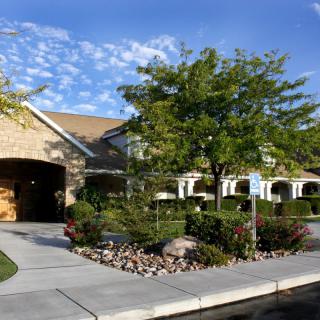




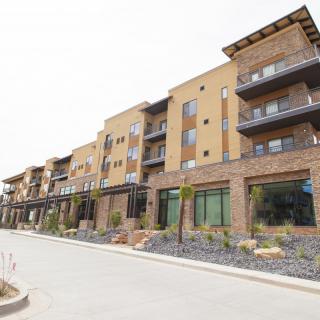
 Seniors and Modern Transportation: Exploring Uber, Lyft, and Other Ride-Hailing Options
 Comprehensive Guide to Qualifying for Home Health Care Services
 Powerful Realities of Elder Abuse and the Most Effective Ways to Report It