
1795 South Chelemes Way, Clearfield, UT 84015
For more information about senior living options: (866) 208-4318
Overall Review of Thatcher Brook Rehabilitation & Care Center
Pros
 The staff took great care of his dad and monitored him consistently.
- The rehabilitation at Thatcher Brook was excellent and the staff were professional.
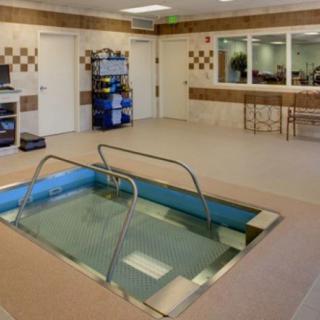
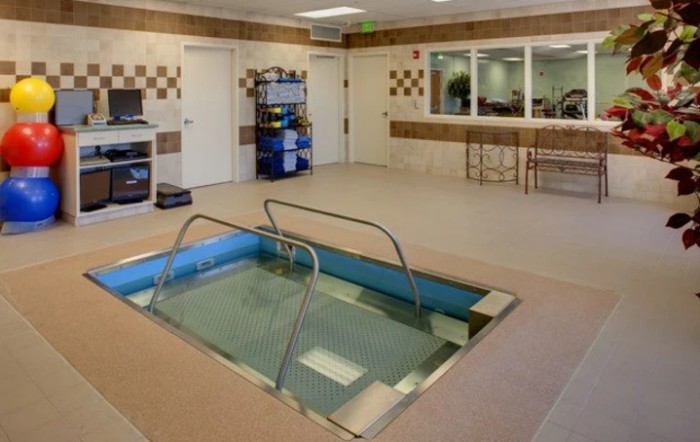
- Thatcher Brook is updating the facility and the staff are great, with in-house pool therapy for gait training.
- The rooms are clean, spacious, bright, and have large windows.
- The meals are made from scratch and the desserts are a highlight.
- Ryan, the physical therapist, brought equipment to the room and allowed her to watch her favorite shows while she worked out.
- The CNAs, nurses, and therapists treat patients with love and respect, making them feel like a rockstar.
- Aaron, the administrator, is attentive and accessible, making families feel welcome.
Cons
 The care in this facility is awful.
- The director of nursing is very rude to patients and their families.
- There is a disconnect between day staff and night staff, leading to dangerous lapses in care.
- A patient was left in a hoyer lift for nearly an hour and left sitting on a dirty bed pan for over an hour.
- The facility smells strong as soon as one enters.
- The kitchen frequently forgets allergies and misses meals, with some meals poorly prepared.
Review
Thatcher Brook Rehabilitation & Care Center in Clearfield is best suited for seniors who emerge from acute care with the goal of reclaiming independence through intensive rehabilitation. The facility earns credibility through hands-on physical therapy and occupational therapy, in-house therapy programs, and staff responsiveness that supports gait training, strength work, and daily activities. For families seeking a home-like atmosphere with visible progress toward returning home, Thatcher Brook’s updated rooms, accessible amenities, and therapy-focused culture can be a solid match. It is especially effective for post-surgical recoveries such as hip replacements and other short-term rehab that prioritizes getting patients back home quickly.
Those evaluating Thatcher Brook should explicitly consider alternatives if long-term memory care or complex medical oversight are required. Several reviews describe serious lapses in care, including delayed responses to distress, dehydration concerns, and inconsistent night-shift support. Odors and cleanliness issues appear in a subset of accounts, and a few families report leadership that feels distant or unresponsive. For loved ones with dementia or those needing constant 24/7 supervision, the risk of uneven care quality across shifts makes alternatives worth weighing carefully.
On balance, the strongest pillar is the rehab program. Positive testimonials highlight skilled therapists, attentive aides, and a team that adjusts routines to individual needs, sometimes bringing equipment to a patient’s room and matching therapy with personal interests. Comfortable, clean rooms and good dining experiences also surface as meaningful positives that support morale during recovery. These advantages often offset everyday irritants when the primary objective is regained independence, yet care gaps can erode confidence quickly if medical monitoring falters or if night staff responses lag.
That dynamic means families should be deliberate in planning a stay. It is essential to obtain a clear care team assignment, a consistent point of contact, and knowledge of where staffing is concentrated at night. Prospective residents should review a realistic daily therapy schedule, menu options, and the process for urgent medical needs after hours. Inquire about staffing patterns, past incident history, and the facility’s approach to dementia care and hydration management. If possible, request a trial period and specify how progress will be measured toward discharge or longer stays.
Thatcher Brook can be an excellent choice for rehab-focused trajectories where the priority is tangible recovery milestones and a supportive, home-like atmosphere. It is less suitable for patients who require unassailable 24/7 medical oversight, who have advanced dementia, or for families seeking uniformly high-quality care across all shifts without exception. The most reliable path blends a candid expectations discussion with a concrete plan for ongoing communication and post-discharge therapy, followed by quick reassessment if care gaps widen or discharge timelines slip.
Overall, Thatcher Brook delivers meaningful rehabilitation with warmth and competence that many families will value during a pivotal recovery. The facility’s advantages, accessible therapy, capable therapists, and well-maintained rooms, are real assets when aligned with a patient’s recovery goals. However, variability in staffing quality and the serious concerns voiced by some families cannot be ignored. For anyone considering Thatcher Brook, concrete safeguards, written care plans, regular progress updates, and a scheduled reassessment, will determine whether the gains outweigh the risks in a given case.
 30 resident community capacity
 Skilled Nursing Facility
 Beauty salon
 Cable or satellite TV
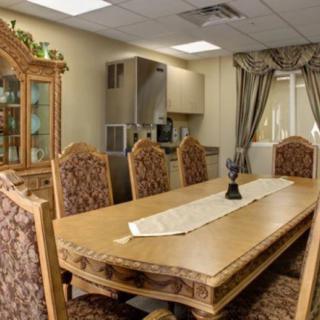
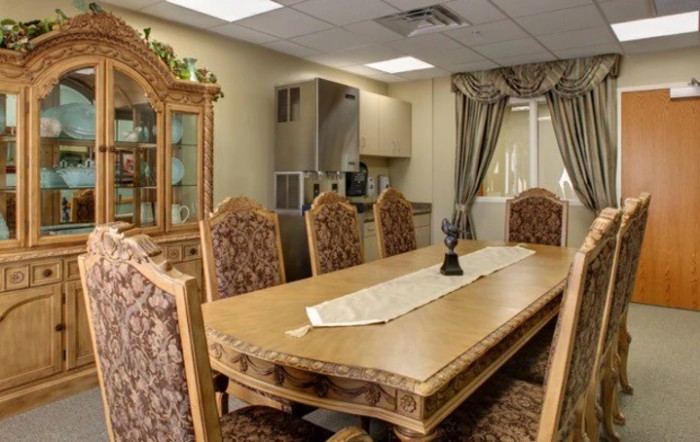
 Dining room
 Fully furnished
 Garden
 Housekeeping services
 Kitchenette
 Move-in coordination
 Outdoor space
 Restaurant-style dining
 Small library
 Telephone
 Wi-Fi/high-speed internet available
 Salt Lake City International (20 miles away)
 24-hour call system
 Activities of daily living assistance
 Assistance with bathing
 Assistance with dressing
 Assistance with transfers
 Diabetes diet
 Medication management
 Mental wellness program
 Special dietary restrictions



 Is a Geriatric Care Manager the Right Choice for Your Family?
 Compassionate Conversations: How to Comfort Someone Who Is Grieving
 Home Health Care Aides: Understanding Their Role and Supporting Your Family