
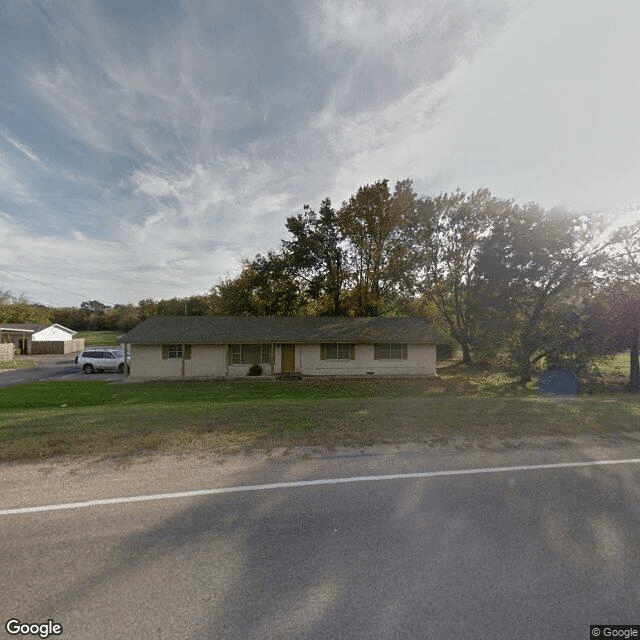
1204 S. Sherman Drive, Whitesboro, TX 76273
To contact a resident: (903) 564-7900
For more information about senior living options: (866) 208-4318
Overall Review of Whitesboro Nursing Home
Pros
 The staff are very helpful and sweet.
- The building looks warm and inviting to guests.
- The staff are wonderful, and the food is tasty.
- The residents seem happy.
- The bingo and activities are loved by the residents.
- The facility is great, with a beautiful update and strong support from the parent company.
- The staff are very personable and knowledgeable.
- The physical therapy department is wonderful.
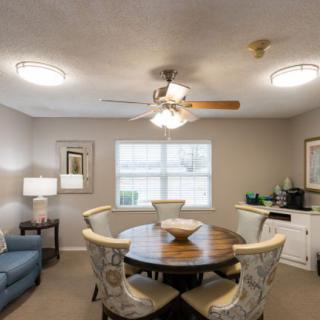
- The facility is nicely remodeled.
Cons
 The reviewers say the staff are lazy and never pick up the phone, and they would never recommend the facility for a loved one.
- They describe the place as a joke, with rehab therapy limited or absent, and accuse the administration of focusing on money and not caring about residents.
- They would give the facility one star and strongly urge others to avoid it.
- The family cannot reach anyone for information, leaves voicemails and messages unreturned, and suspects a lack of transparency or a possible cover-up.
- They claim the place never answers the phone, the food is awful, staff have allegedly hurt a resident, and the facility manipulates residents and turns loved ones away.
Review
Whitesboro Nursing Home is best suited for families seeking a rehab- and activity-oriented environment in a recently refreshed facility, where staff are frequently described as caring and approachable. It can be a strong choice for short-term recovery or step-down stays when the priority is engaging programming, decent meals, and accessible staff who make residents feel welcome. However, it is not a universal pick. Families that require consistently reliable daily communication, predictable therapy scheduling, and transparent administration should actively consider alternatives rather than assuming this community will deliver steady oversight and timely updates.
On the plus side, the campus has undergone meaningful improvements. New ownership and remodels have created a more inviting, cleaner setting that residents and families notice and appreciate. The rehabilitation team is repeatedly praised for knowledge and dedication, and several reviews highlight friendly, compassionate nursing staff. Meals are described as flavorful, and the activity calendar, ranging from bingo to organized programs, helps residents stay socially engaged. In some cases, families report satisfactory dementia care in secured units and comfort with the overall atmosphere during visits.
Yet, the downsides carry substantial weight. A persistent thread in the feedback is difficulty reaching staff and administrators: phones unanswered, voicemails unreturned, and family inquiries left without response. Several accounts claim therapy was inconsistent or curtailed, with residents not receiving expected rehabilitation sessions or discharge planning pushed aggressively by administrative priorities rather than resident need. The sense that money or occupancy concerns overshadow resident well-being appears in multiple critiques, including reports of delayed or limited communication about care, and even accusations of neglect or mistreatment from some reviewers. Those are not trivial risks and demand serious diligence from any family considering this facility.
The favorable elements do not fully offset the main concerns for families prioritizing reliability and safety. The remodeling and brighter environment, combined with a capable rehabilitation team and generally warm staff, can support a positive short-term stay when care coordination holds steady and communication remains open. For residents whose primary need is structured rehab with engaged activity programming and a friendly on-site presence, Whitesboro can deliver meaningful benefits. However, the reliability of daily updates, consistent therapy schedules, and proactive family communication remains a critical gap that can undermine confidence during a stay, especially for those with complex medical needs or advanced dementia requiring vigilant oversight.
For families weighing options, several groups should seriously consider alternatives. Those who require guaranteed, regular communication, firm expectations met with timely calls, messages, and care updates, should look elsewhere where administrative routines prioritize transparent, responsive engagement. Families with residents who need consistent, strict therapy regimens and discharge planning should verify that the rehab department can deliver as scheduled and that therapists have stable, predictable availability. Those who worry about potential safety concerns or feel uncomfortable with reports of neglect or staff unavailability ought to compare state inspection records and speak with multiple families about actual day-to-day operations before deciding.
In the end, Whitesboro Nursing Home presents a practical choice for recovery-focused stays in a refreshed setting, backed by caring staff and active resident programming. The decision hinges on tolerance for variability in administrative responsiveness and therapy consistency. If the priority is a welcoming, engaging environment with solid rehab capacity, and family communications can be calibrated to accommodate occasional delays, this community can be a good fit. If, instead, dependable daily communication, transparent governance, and unambiguous, timely updates are non-negotiable, serious consideration of alternatives is advised, with a structured approach to verify current operations before committing.
 Skilled Nursing Facility







 Exploring the World of Home Health Nurses: Qualifications, Roles, and Hiring Tips
 Navigating Medicare Coverage for In-Home Care Services
 In-Home Care Costs in 2025: A Detailed State-by-State Exploration