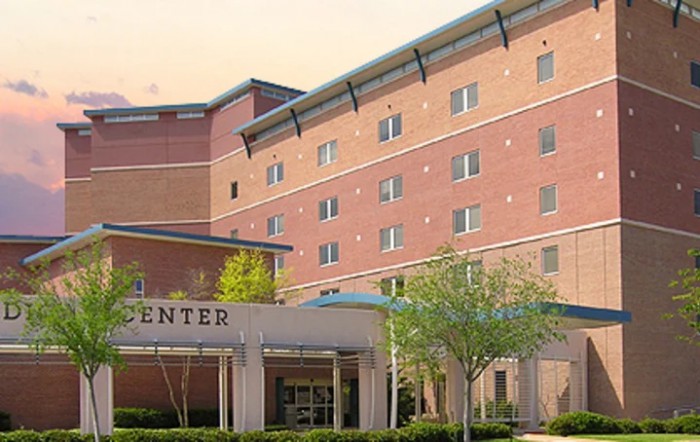
Citizens Medical Center

Save
Citizens Medical Center Citizens Medical Center Citizens Medical Center Citizens Medical Center

Citizens Medical Center

2701 Hospital Drive, Victoria, TX 77901

For more information about senior living options: (844) 490-3973

3.1 from 100 reviews
5 stars
45
4 stars
7
3 stars
3
2 stars
3
1 stars
42

Skilled Nursing Facility

What level of care are you interested in?

Assisted Living

Memory Care

Independent Living

Skilled Nursing Facility

Continuing Care Retirement Community (CCRC)CCRC

Other


Request a tour at Citizens Medical Center

    Overall Review of Citizens Medical Center

    Pros

    • pro Reviewers describe Citizens Medical Center staff as top notch, professional, helpful, and kind.
    • pro The Third South floor team is praised for attentive, compassionate, and thorough care.
    • pro Patients note doctors and nurses were thorough, informative, and took time to explain procedures and medications.
    • pro The facility and rooms are described as clean with high hygiene standards.
    • pro The cafeteria is highlighted as nice and reasonably priced.
    • pro Day-surgery staff and surgeons (e.g., Dr. Junor) are thanked for attentive, supportive care.
    • pro Some ER experiences are described as smooth and staffed by excellent personnel.
    • pro Dr. McDaniel is singled out by a reviewer as the best.

    Cons

    • pro The staff slammed things and talked down to patients, acting superior.
    • pro Registration tablets do not work and wait times are excessively long.
    • pro Front desk staff look bored and seem uninterested in helping patients.
    • pro Patients wait for hours in the ER without being seen.
    • pro Sapphire the imaging center receptionist was rude, even calling a patient dumb.
    • pro Phlebotomy is poor; patients' veins get blown out.
    • pro ER wait times are ridiculous and many leave in frustration.
    • pro The hospital released a patient who was later readmitted with pneumonia, suggesting negligence.
    • pro The ER doctor Satani was described as horrible, misreading charts and ordering unsafe treatment.

    Review

    The collection of experiences at Citizens Medical Center in Victoria, Texas, runs a wide emotional gamut. Some patients speak warmly of their time there, praising front-desk teams, the caliber of clinicians, and the overall atmosphere of care on certain floors. Others raise serious concerns about how people are treated, especially in back-of-house areas, with impressions of rushed, judgmental behavior and a sense that patient calm and dignity can be sidelined in favor of expediency or perceived status. Taken together, the reviews paint a hospital that can be a source of comfort and excellent care for some, while for others it has been a stressful or frustrating experience.

    On the positive end, multiple reviewers describe Citizens Medical Center as "top notch" from Administration through Post Op, with professional, helpful, and kind staff. The Third South unit is singled out repeatedly for outstanding care: nurses who were attentive, compassionate, and willing to go the extra mile; doctors who were thorough, informational, and patient in addressing questions; and a level of cleanliness that contributed to a sense of safety and well-being. A number of patient voices express deep gratitude for the staff's dedication, noting that the team made a difficult time easier and left them with a lasting impression of humane, competent care. Several healthcare professionals - names and roles are listed in the testimonials - are praised for their bedside manner and clinical competence, reinforcing a common theme of high professional standards in portions of the hospital.

    Beyond direct clinical staff, some reviewers highlight the hospital's cafeteria as a pleasant surprise, describing Unidine's operation as offering good value and tasty meals, with a full meal around ten dollars. This smaller but meaningful detail - the quality and affordability of food - adds to the overall impression that some patients felt well cared for in their daily routines during a stay or a visit.

    Yet the same facility attracts a substantial amount of critique centered on administrative processes and some interpersonal dynamics. Several reviews complain about the registration experience and the technology used there, with tablets not functioning and wait times frequently described as long and frustrating. One patient notes that registration can feel slow to the point of impacting care, while another observer labels the process as the hospital's slowest, calling for better systems or increased staffing. The recurring sentiment is that the front desk experience can set a negative tone, with some patients perceiving a lack of engagement or warmth from staff who appear disengaged or overwhelmed.

    The ER environment, for some, has been a particular flashpoint. A number of patients report protracted waits - hours in the lobby before being seen - and instances where care did not feel timely or comprehensive. One review specifically describes being in the ER lobby for four hours with ongoing uncertainty about when or if care would be delivered. Others recount experiences where back-room triage or imaging did not seem to align with the urgency of symptoms, including a case where a high-fever baby appeared to wait longer than expected before receiving attention. While some patients praise the ER staff for kindness and professionalism, others describe slow processes and miscommunications that left them frustrated.

    Interpersonal interactions and the quality of some specific services also drew criticism. A few reviewers report being treated disrespectfully by certain receptionists or staff, including a claim that a receptionist's behavior was rude, and there are mentions of veins being challenging or damaged, suggesting frustration with phlebotomy or vascular access. A reviewer cites a particular imaging center receptionist by name in a negative context, accusing her of unprofessional, dismissive communication with a patient. These experiences contribute to a sense that not all staff interactions meet the same standard of care that others witnessed on the same campus.

    At least one review centers on a deeply negative clinical experience, raising concerns about alleged medical negligence and poor communication. The language is strong, with phrases like "MEDICAL NEGLIGENCE!!!" and stories of discharge followed by rapid deterioration and readmission somewhere else. A patient describes a powerful dissatisfaction with an ER doctor's chart interpretation, alleged misreadings, and a decision that seemingly ignored a patient's history and allergies, paired with praise for the nursing staff who delivered care otherwise. This thread underscores a stark contrast within the same facility: moments of exceptional nursing care and teamwork alongside claims of dangerous missteps in medical decision-making.

    Despite these extremes, other patients recount highly positive, even life-changing experiences. A patient who underwent knee and other procedures describes being treated with appreciation and care during a day-surgery stay, noting specific nurses and surgeons by name and expressing sincere gratitude for the level of attention and the sense of safety and life-preserving care they received. In another thread, a patient recounts a long ER visit but elsewhere notes that a different physician or team delivered effective, compassionate care that changed the course of their condition for the better. The hospital's physicians and outpatient surgery staff appear in several reviews with favorable remarks about their expertise and bedside manner, including mentions of individuals like Desiree Arrambide, PA, Dr. Cano, Dr. Bhesaniya, and Dr. Marroquin, along with thanks to the radiology team and surgical staff who helped them feel comfortable before and after procedures.

    On balance, the set of reviews presents Citizens Medical Center as a place where high-quality clinical care and compassionate bedside service can shine brightly in certain units and with particular teams, especially on the Third South floor and in day-surgery contexts. At the same time, there are consistent, actionable concerns about the patient experience in administration, registration, the ER, and some back-of-house interactions. The common threads call for improved reliability and speed in administrative processes, greater consistency in patient-facing communication and empathy across all staff, and a continued commitment to thorough, patient-centered clinical care. For some patients, the hospital delivers comfort, competence, and gratitude; for others, it represents a cautionary tale of long waits, miscommunications, and perceived disrespect.

    Features

    Housing

    • 20 resident community capacity 20 resident community capacity

    Types of Care

    • Skilled Nursing Facility Skilled Nursing FacilitySkilled Nursing Facilities are crucial for seniors as they provide round-the-clock medical care, rehabilitation services, and assistance with daily activities. These facilities ensure that seniors receive the specialized care they need to maintain their health and well-being as they age.

    Amenities

    • Beauty salon Beauty salonBeauty salons are important for seniors because they provide a space for them to feel pampered, socialize, and maintain their personal grooming and hygiene. Regular visits to a beauty salon can help boost seniors' self-esteem and overall well-being.
    • Cable or satellite TV Cable or satellite TVCable or satellite TV is important for seniors because it provides entertainment, news, and companionship, helping to combat loneliness and boredom. It also offers a wide range of programming options tailored to different interests and preferences.
    • Dining room Dining roomDining rooms are important for seniors as they provide a space for socialization, connection, and nutritious meals. They offer opportunities for residents to bond over shared meals, foster a sense of community, and promote healthy eating habits. Dining rooms also ensure that seniors have access to well-balanced meals tailored to their dietary needs and preferences.
    • Fully furnished Fully furnishedFully furnished senior living communities are important for seniors because they provide convenience, comfort, and a hassle-free moving experience. Seniors can easily settle into their new living space without the stress of having to buy and move furniture. This allows them to focus on enjoying their new home and community.
    • Garden GardenGardens are important for seniors as they provide a peaceful and therapeutic environment for relaxation, physical activity, and socialization. Being in nature has been shown to reduce stress, improve mood, and promote overall well-being. Gardens also offer opportunities for seniors to engage in gardening activities, which can improve mobility, flexibility, and cognitive function. Additionally, gardens create a sense of community and connection with others who share a passion for plants and outdoor spaces.
    • Housekeeping services Housekeeping servicesHousekeeping services are important for seniors because they help maintain a clean and safe living environment, promote independence, and reduce the risk of accidents or illnesses. Additionally, having assistance with household chores can alleviate physical strain and allow seniors to focus on other aspects of their well-being.
    • Kitchenette KitchenetteKitchenettes are important for seniors living in senior living communities because they provide the convenience and independence of being able to prepare simple meals and snacks in the comfort of their own living space. This can help promote a sense of autonomy and well-being for seniors, allowing them to maintain some level of control over their dietary choices and daily routines.
    • Move-in coordination Move-in coordinationMove-in coordination is important for seniors because it helps ease the transition into their new living environment. It ensures that all logistics, such as packing, organizing movers, and setting up utilities are taken care of, allowing seniors to focus on settling in and adjusting to their new home. Having a smooth move-in process can alleviate stress and anxiety, making the transition smoother and more enjoyable for seniors.
    • Outdoor space Outdoor spaceOutdoor spaces are important for seniors as they provide opportunities for physical activity, social interaction, exposure to natural light and fresh air, and a sense of connection to nature. Having access to outdoor spaces can improve overall well-being and quality of life for older adults living in senior communities.
    • Restaurant-style dining Restaurant-style diningRestaurant-style dining is important for seniors because it allows them to enjoy delicious, nutritious meals in a social and upscale setting. This enhances their dining experience, promotes healthy eating habits, and fosters socialization with fellow residents, ultimately contributing to their overall well-being and quality of life.
    • Small library Small librarySmall libraries are important for seniors as they provide access to a variety of reading materials, including books, newspapers, and magazines. This can help stimulate their minds, keep them engaged, and provide a sense of community through book clubs and other social activities. Additionally, reading has been shown to improve cognitive function and overall mental well-being in older adults.
    • Telephone TelephoneTelephones are important for seniors as they provide a lifeline for communication with loved ones, emergency services, and healthcare providers. They offer a sense of security and independence, enabling seniors to stay connected and access assistance when needed.
    • Wi-Fi/high-speed internet available Wi-Fi/high-speed internet availableWi-Fi/high-speed internet is important for seniors to stay connected with loved ones, access online resources, and participate in virtual activities to combat feelings of loneliness and isolation. It also allows them to easily manage healthcare needs, access entertainment, and engage in lifelong learning opportunities.

    Care Services

    • 24-hour call system 24-hour call system24-hour call systems are important for seniors because they provide peace of mind and immediate assistance in case of emergencies. This technology ensures that help is always available, promoting safety and security for elderly individuals living alone or in assisted living facilities.
    • 24-hour supervision 24-hour supervision24-hour supervision is important for seniors to ensure their safety, well-being, and access to immediate assistance in case of emergencies or health issues. This constant support provides peace of mind for both seniors and their loved ones, allowing them to age in place with dignity and security.
    • Activities of daily living assistance Activities of daily living assistanceActivities of daily living assistance are important for seniors because they provide essential support with tasks such as eating, bathing, dressing, and mobility. This assistance helps seniors maintain their independence, dignity, and overall quality of life as they age.
    • Assistance with bathing Assistance with bathingAssistance with bathing is crucial for seniors as it helps maintain personal hygiene, prevents infections, and ensures their overall well-being and comfort. It also provides a sense of dignity and independence for seniors who may struggle with this task on their own.
    • Assistance with dressing Assistance with dressingAssistance with dressing is important for seniors because it helps maintain their independence, promotes personal hygiene, prevents accidents and injuries, and improves overall quality of life. This service ensures that seniors can continue to dress comfortably and confidently, despite any physical limitations they may have.
    • Assistance with transfers Assistance with transfersAssistance with transfers is crucial for seniors as it helps prevent falls and injuries, maintains their independence, and ensures they can safely navigate their living environment. It also provides peace of mind for both seniors and their loved ones.
    • Diabetes diet Diabetes dietA diabetes diet is crucial for seniors as it helps manage blood sugar levels, reduce risks of complications, and improve overall health and well-being. By following a balanced and nutritious diet tailored to their specific needs, seniors can better control their diabetes and enhance their quality of life.
    • Meal preparation and service Meal preparation and serviceMeal preparation and service are crucial for seniors as they may have limited mobility or energy to cook nutritious meals. Having access to healthy and convenient food options can ensure they are getting the proper nutrition needed to maintain their overall health and well-being.
    • Medication management Medication managementMedication management is crucial for seniors to ensure they are taking the right medications at the correct dosages and times. This helps prevent adverse drug interactions, reduces the risk of medication errors, and promotes overall health and well-being. Proactive management also allows for adjustments as needed based on changing health conditions or new prescriptions.
    • Mental wellness program Mental wellness programMental wellness programs are essential for seniors as they promote cognitive stimulation, emotional support, and social engagement. These programs help prevent isolation, depression, and cognitive decline, ultimately enhancing the overall quality of life for older adults.
    • Special dietary restrictions Special dietary restrictionsSpecial dietary restrictions are important for seniors because age-related changes in metabolism and health conditions can make it difficult for their bodies to process certain foods. By following a diet tailored to their specific needs, seniors can maintain their overall health and well-being, manage chronic conditions, and reduce the risk of complications such as malnutrition or food interactions with medications.

    Dining

    • Diabetes diet Diabetes dietA diabetes diet is crucial for seniors as it helps manage blood sugar levels, reduce risks of complications, and improve overall health and well-being. By following a balanced and nutritious diet tailored to their specific needs, seniors can better control their diabetes and enhance their quality of life.
    • Special dietary restrictions Special dietary restrictionsSpecial dietary restrictions are important for seniors because age-related changes in metabolism and health conditions can make it difficult for their bodies to process certain foods. By following a diet tailored to their specific needs, seniors can maintain their overall health and well-being, manage chronic conditions, and reduce the risk of complications such as malnutrition or food interactions with medications.

    Activities

    • Community-sponsored activities Community-sponsored activitiesCommunity-sponsored activities are important for seniors as they provide opportunities for social interaction, mental stimulation, and physical activity. These activities can help improve overall well-being, combat loneliness and isolation, and promote a sense of belonging and purpose among older adults.
    • Resident-run activities Resident-run activitiesResident-run activities are important for seniors as they encourage social interaction, creativity, and a sense of autonomy. These activities empower seniors to stay engaged and active in their community while fostering meaningful connections with their peers.
    • Scheduled daily activities Scheduled daily activitiesScheduled daily activities are important for seniors because they provide structure, socialization, mental stimulation, and physical activity. Engaging in regular activities can improve overall well-being and quality of life for seniors living in a community setting.

    Description

    Citizens Medical Center in Victoria, TX offers a comprehensive range of amenities and care services for seniors seeking assisted living. Residents can enjoy the comforts of home with fully furnished accommodations that include cable or satellite TV, Wi-Fi/high-speed internet, and a small library for leisurely reading. The community also features a dining room and outdoor space where residents can relax and socialize.

    Care services are provided around the clock to ensure the safety and well-being of all residents. Assistance with activities of daily living such as bathing, dressing, and transfers is readily available. Additionally, there is special support for individuals with diabetes through specialized meal plans. Medication management is also offered to ensure that residents receive their required medications on time.

    Mental wellness is prioritized through a dedicated program designed to support residents' emotional and cognitive well-being. This includes engaging activities and daily scheduled events that aim to promote physical, mental, and social stimulation.

    The community's location provides convenient access to various amenities in the surrounding area. There are three cafes nearby for residents to enjoy meals outside the community if they prefer. Two parks offer opportunities for outdoor recreation and relaxation. Seven pharmacies are within close proximity for easy access to medication needs, while 23 physicians ensure medical support is readily available. For dining options beyond what is offered in-house, there are 39 restaurants nearby. Transportation services make it easy for residents to meet their transportation needs conveniently. Several places of worship cater to diverse spiritual needs nearby as well. Lastly, having seven hospitals in close proximity provides peace of mind knowing that emergency medical care is readily accessible when needed.

    Overall, Citizens Medical Center in Victoria, TX offers a comfortable and supportive assisted living environment with an array of amenities, care services, and convenient access to nearby facilities that contribute to a fulfilling retirement lifestyle.

    Nearby Places of Interest

    Pharmacies

    • Rogers Pharmacy (0 miles)
    • Walgreens (0.1 miles)
    • Good Neighbor Pharmacy (1.5 miles)
    • Rogers Pharmacy (1.5 miles)
    • Rogers Pharmacy (1.8 miles)
    • Castle Hills Pharmacy (2.3 miles)
    • Walgreens (2.6 miles)

    Physicians

    • Victoria TMS Center (0.1 miles)
    • Victoria Women's Clinic (0.1 miles)
    • Victoria Community Health Center (0.2 miles)
    • Victoria Heart & Vascular Center (0.6 miles)
    • The Neurologic Relief Center of Victoria (0.9 miles)
    • Branch of Hope Children's Therapy Clinic (1 miles)
    • South Texas Plastic Surgery (1.4 miles)

    Hospitals

    • Citizens Medical Hospital (0.1 miles)
    • Citizens Medical Center (0.1 miles)
    • DeTar Hospital Navarro - Emergency Room (1.4 miles)
    • Kindred Hospital Victoria (1.4 miles)
    • Detar Hospital (1.5 miles)
    • Detar Hospital Navarro (1.7 miles)
    • Post Acute Specialty Hospital (2 miles)

    Restaurants

    • Popeyes Louisiana Kitchen (0.1 miles)
    • Wendy's (0.1 miles)
    • Sonic Drive-In (0.2 miles)
    • McDonald's (0.2 miles)
    • Siesta Restaurant (0.3 miles)
    • Guadalajara Mexican Grill (0.5 miles)
    • Sichuan Garden (0.5 miles)

    Places of Worship

    • First Christian Church Disciples of Christ (0.5 miles)
    • Guadalupe Baptist Association (0.5 miles)
    • Family Worship Center (0.5 miles)
    • Church of Christ-College (0.7 miles)
    • Jehovah's Witnesses East & Riverside (0.8 miles)
    • City Harvest Church (0.9 miles)
    • Zion Tabernacle Christian Center (1.2 miles)

    Cafes

    • Victoria Coffee Roasters (1 miles)
    • The Box Coffee Bar (1.1 miles)
    • The Box Coffee Bar (2.1 miles)

    Transportation

    • Crossroads Taxi and Transportation Services (2 miles)
    • Cesar's Taxi and Limousine (2.2 miles)
    • U-Haul Neighborhood Dealer (2.8 miles)

    Parks

    • Riverside Park Childrens Playground (2.3 miles)
    • Riverside Park (2.6 miles)

    Frequently Asked Questions

    Where is Citizens Medical Center?
    What photos are available for Citizens Medical Center in Victoria, Texas?

    Nearby Communities

    Related Resources

    • palliative care at homeComprehensive Insights into Palliative Home Care: What It Is and What to Expect

      Palliative home care focuses on improving the quality of life for individuals with serious illnesses by providing comfort, symptom management, and emotional support in their own homes. This approach includes personalized care plans, regular assessments, and resources for family caregivers, all while prioritizing person-centered treatment that aligns with patients' goals.

    • skilled nursing facility vs nursing homeSkilled Nursing Facilities vs. Nursing Homes: Making Sense of the Differences

      Skilled nursing facilities (SNFs) provide high-level medical care and rehabilitation for short-term recovery, typically covered by Medicare after hospitalization, while nursing homes focus on ongoing custodial care for chronic conditions, mainly funded by Medicaid or private payments. The staffing and regulatory structures differ significantly between the two, necessitating clarity for families in choosing appropriate long-term care options.

    • nursing home costsA Detailed Examination of Nursing Home Costs Across the U.S.

      Nursing home care costs in the U.S. vary significantly based on location, level of care, and amenities, with private room prices ranging from approximately $6,700 to over $30,000 monthly. Families need to explore various payment options and conduct thorough research to manage these expenses effectively.


    Get Pricing Ask A Question Schedule A Tour Contact Senior Advisor