Many reviews emphasize staff who are kind, attentive, and supportive during nursing and rehab—often including updates to family members. Several people specifically mention communication with the administrator or nurses, and say they always felt informed about a loved one’s progress. A number of reviewers also describe staff as respectful, patient, and willing to respond to questions.
common14 reviews mention this
Rehabilitation therapy gets praise
Rehab and therapy are a frequent focus in reviews.
Multiple residents and families discuss physical therapy and rehab experiences, including progress toward goals and an active therapy department. Some reviews describe therapists as attentive and focused on safety, while others mention rehab after surgery or for physical therapy needs. A smaller set of reviews report the opposite, describing delayed or lacking rehab support during their stay.
caveat12 reviews mention this
Food is a mixed experience
Food stands out, with both positive and negative comments.
Several reviews describe meals as tasty, non-hospital-like, or offering variety for dietary preferences, and some mention dining as a bright spot of the experience. Other residents’ families report problems such as cold meals or concerns about whether meals meet medical needs. While the menu theme comes up often, the reviews don’t agree on quality day-to-day.
common11 reviews mention this
Cleanliness is often mentioned
Many reviewers say the facility is clean and well kept.
A consistent thread in the positive reviews is that the building looks clean, organized, and in some cases is described as not having odors. Families also mention clean rooms and housekeeping, including times when rooms are kept tidy for residents. At the same time, other reviews raise concerns about hygiene practices and sanitation, which is why this theme isn’t universally praised.
caveat7 reviews mention this
Care responsiveness concerns
Some reviews raise concerns about responsiveness and follow-through.
Several critical reviews describe delayed assistance, including issues with call lights, showers, and staff checking in. A few reviewers also describe serious gaps related to care needs, including being left without help and concerns about feeding and dehydration. There are also comments questioning whether the facility can provide appropriate dementia care for certain individuals.
How we summarize
Counts show how many written reviews mention each theme; a review can touch several themes, and only frequently mentioned themes are displayed.
Features
Housing
200 resident community capacity
Types of Care
Skilled Nursing Facility
Amenities
Air-conditioning
Beauty salon
Cable or satellite TV
Computer center
Dining room
Fitness room
Fully furnished
Gaming room
Garden
Housekeeping services
Kitchenette
Move-in coordination
Outdoor space
Private bathrooms
Restaurant-style dining
Small library
Telephone
Wellness center
Wi-Fi/high-speed internet available
Transportation
Community operated transportation
Transportation arrangement
Transportation arrangement (non-medical)
Transportation to doctors appointments
Care Services
12-16 hour nursing
24-hour call system
24-hour supervision
Activities of daily living assistance
Assistance with bathing
Assistance with dressing
Assistance with transfers
Diabetes diet
Meal preparation and service
Medication management
Mental wellness program
Special dietary restrictions
Dining
Diabetes diet
Special dietary restrictions
Activities
Community-sponsored activities
Concierge services
Fitness programs
Planned day trips
Resident-run activities
Scheduled daily activities
Nearby Places of Interest
Restaurants
Sonic Drive-In (0.1 miles)
Burger King (0.2 miles)
Hong Kong House (0.2 miles)
Uvalde Country Club (0.2 miles)
Taco Bell (0.2 miles)
Jack In The Box (0.2 miles)
Golden Chick (0.2 miles)
Cafes
Starbucks (0.2 miles)
The Local Fix (0.4 miles)
The Open Range Bak (0.8 miles)
Physicians
Garner Field Family Medicine PA (0.3 miles)
The Eye Center of Uvalde (0.4 miles)
Cancer Care Centers of South Texas (0.5 miles)
Uvalde Medical and Surgical Associates (0.5 miles)
James Richard Meyer (0.5 miles)
Clear Springs Center For Cancer Care (0.6 miles)
Rios Arturo Dr Crossroads Program Uvalde (0.6 miles)
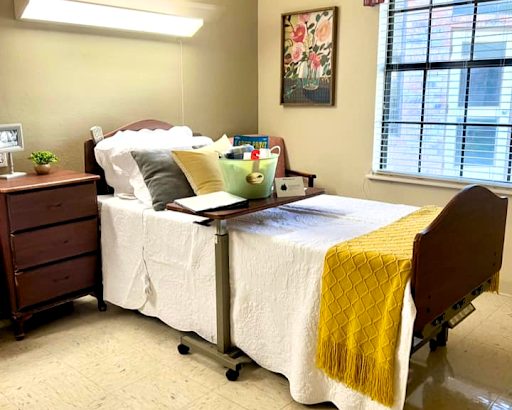
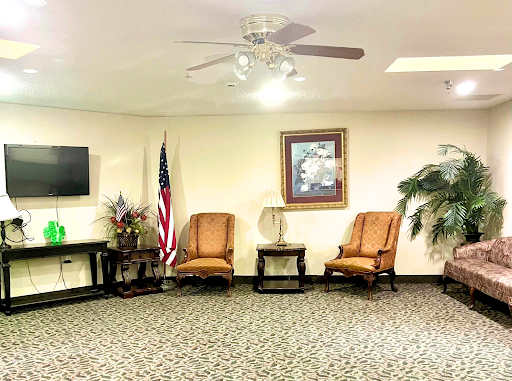
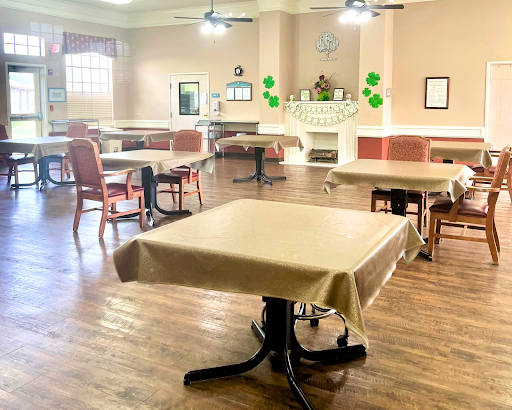
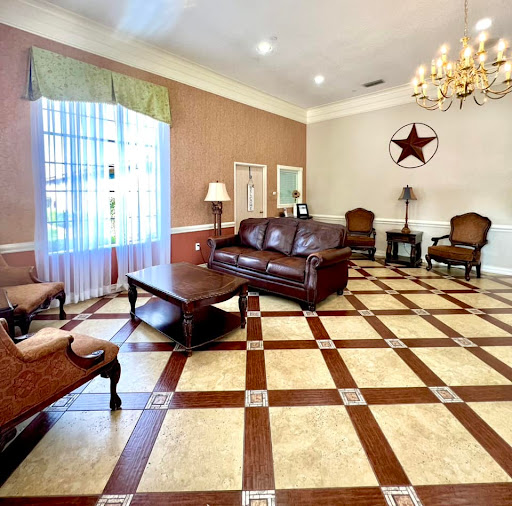
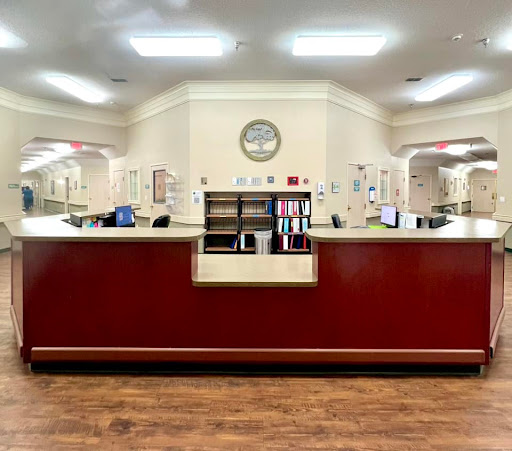
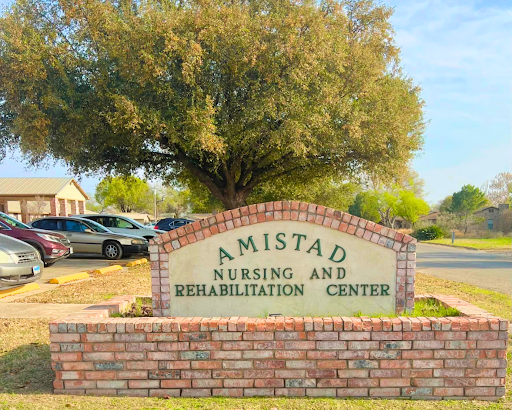
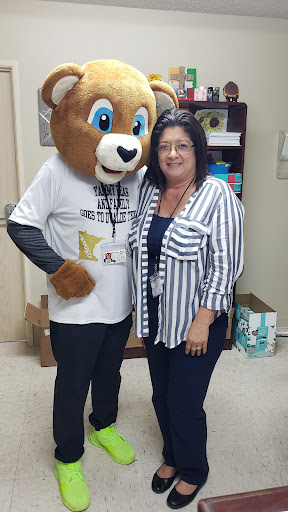
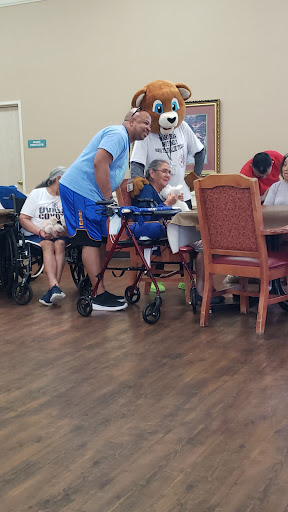
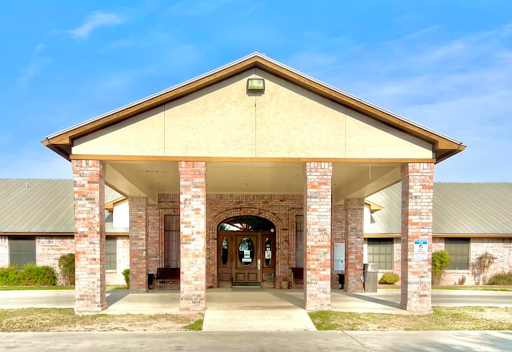
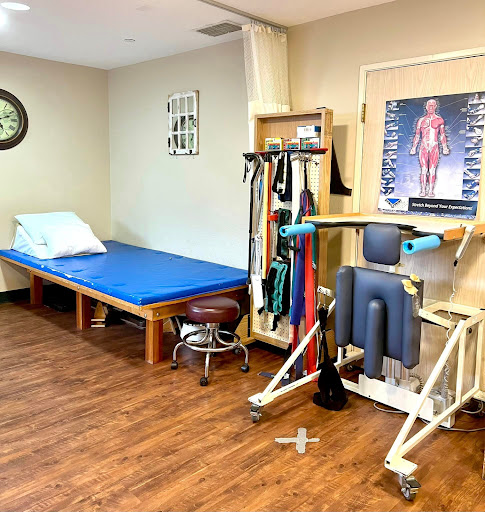
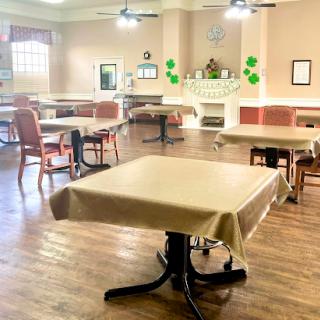
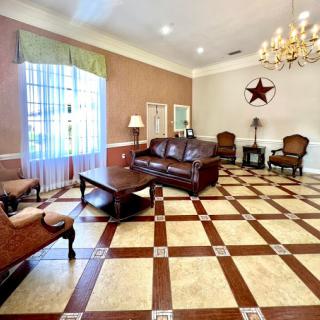
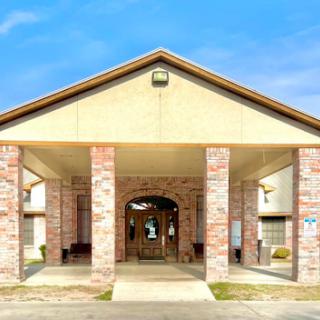
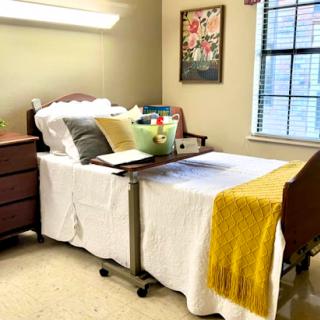
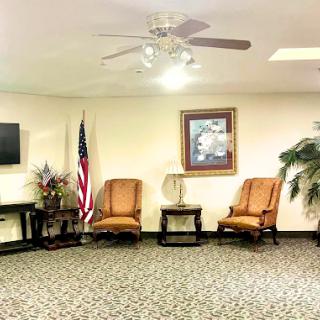
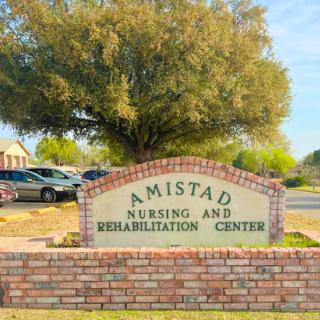
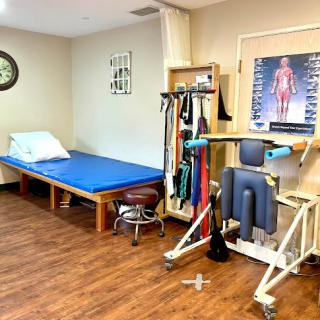
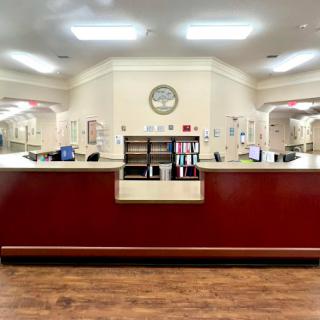
Amistad Nursing And Rehabilitation Center on seniors.fyi includes 13 photos including images showing interior, bedroom, assistance, outdoor, landscaping, healthcare, physical therapy, tree, and more.
Nearby Communities
Amistad Nursing Home Inc
Uvalde, TX
4.4 from 87 reviews
Quality care with easy access to pharmacies, doctors, and nearby amenities.
Uvalde Healthcare And Rehabilitation Center
Uvalde, TX
4.2 from 6 reviews
Beautiful, home-like environment with dedicated staff and strong sense of community.
214 Martin
Uvalde, TX
4.6 from 9 reviews
$2,754 to $3,580 / month
Friendly, caring staff with high-quality meals in a well-remodeled facility.
214 Martin An Assisted Residence
Uvalde, TX
4.5 from 4 reviews
Home-like setting with 24/7 staff, personalized care, meals, and activities.
The Veranda
Uvalde, TX
3.8 from 8 reviews
$2,800 to $3,040 / month
Broad care options with engaging activities.
Cedar Hills Geriatric Center
Camp Wood, TX
4.3 from 3 reviews
Friendly administration with strong family communication, in a clean, peaceful Hill Country setting.
Weight training is vital for seniors to maintain muscle mass, bone density, and overall health, combating age-related declines through customized resistance exercises that enhance balance and well-being. Safe routines should start with realistic goals and proper form, while emphasizing gradual progress and consultations with healthcare providers to ensure safety and effectiveness.
The Sandwich Generation comprises adults managing the dual responsibilities of caring for aging parents and raising children, leading to significant emotional, logistical, and financial challenges. This situation is exacerbated by longer life expectancies and cultural expectations, necessitating effective coping strategies and support resources to alleviate caregiver stress and burnout.
The article highlights eight essential assistive devices that improve the independence and safety of older adults, addressing issues related to mobility, balance, vision, hearing, and dexterity. It emphasizes the importance of proper selection guided by healthcare professionals to enhance seniors' quality of life while allowing them to age in place.
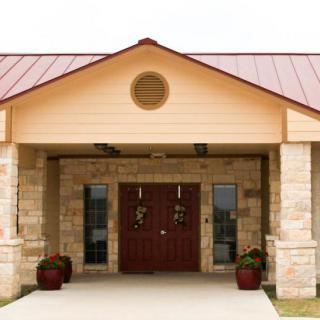
Landscaping, Building, Architecture, Entrance, Exterior, and Brick
Television, Seating Area, and Flag
Outdoor
Exercise Equipment, Rehabilitation, and Physical Therapy
Healthcare, Parking, Tree, and Nursing Home
Office, Waiting Area, and Reception
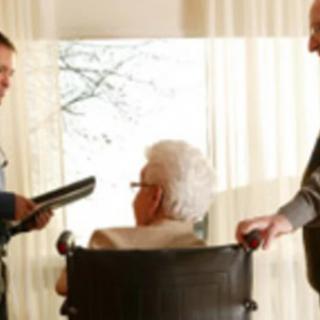
Wheelchair and Caregiver
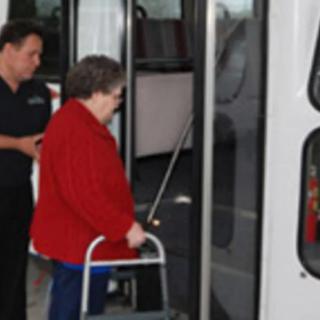
Assistance
Additional Photos
Get PricingAsk A QuestionSchedule A TourContact Senior Advisor
By clicking submit, you agree to our Partner's Terms of Use. You
also consent to receive calls and texts, which may be autodialed, from our Partner. Your consent is not a condition to
using our Partner's service. Please visit our Partner's Privacy Policy for information about their privacy practices.



 200 resident community capacity
 Skilled Nursing Facility
 Air-conditioning
 Beauty salon
 Cable or satellite TV
 Computer center
 Dining room
 Fitness room
 Fully furnished
 Gaming room
 Garden
 Housekeeping services
 Kitchenette
 Move-in coordination
 Outdoor space
 Private bathrooms
 Restaurant-style dining
 Small library
 Telephone
 Wellness center
 Wi-Fi/high-speed internet available
 Community operated transportation
 12-16 hour nursing
 24-hour call system
 Activities of daily living assistance
 Assistance with bathing
 Assistance with dressing
 Assistance with transfers
 Diabetes diet
 Medication management
 Mental wellness program
 Special dietary restrictions
 Concierge services
 Planned day trips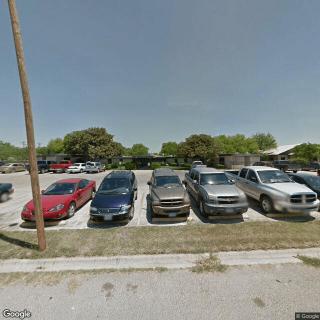
 Quality care with easy access to pharmacies, doctors, and nearby amenities.

 Weight Training for Seniors: Building Strength and Vitality
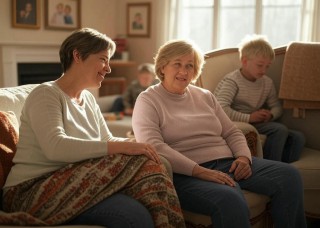 Understanding the Sandwich Generation: Stress and Responsibilities for Multigenerational Caregivers
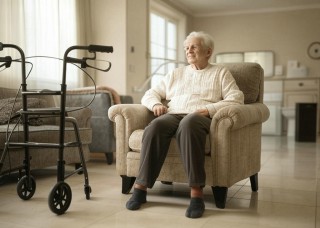 8 Essential Assistive Devices for Older Adults