

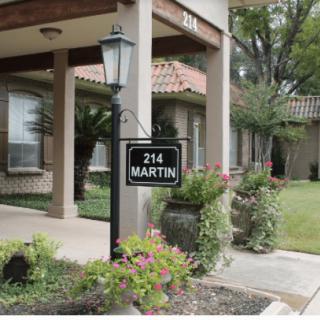

214 Martin St, Uvalde, TX 78801
To contact a resident: (830) 278-1134
For more information about senior living options: (866) 208-4318
214 Martin Costs & Pricing
At 214 Martin, the monthly costs for various room types reveal a competitive pricing structure when compared to both Uvalde County and the broader state of Texas. For semi-private accommodations, residents will find that the cost aligns perfectly with Uvalde County's rate of $2,754, significantly lower than Texas's average of $3,680. When considering private rooms, the pricing at 214 Martin ranges from $3,000 to $3,304, which is more favorable than Uvalde County's typical fee of $3,152 and substantially less than the statewide average of $4,096. Studio apartments are available for $3,580 at 214 Martin - slightly above Uvalde County's average of $3,190 but still competitive compared to Texas's overall average of $3,758. This nuanced pricing strategy positions 214 Martin as an attractive option for prospective residents seeking quality and affordability in their living arrangements.
| Floor plans | 214 Martin | Uvalde County | Texas |
|---|---|---|---|
| Semi-Private | $2,754 | $2,754 | $3,680 |
| Private | $3,000 to $3,304 | $3,152 | $4,096 |
| Studio | $3,580 | $3,190 | $3,758 |
Senior living communities with a similar price nearby
-
About the same
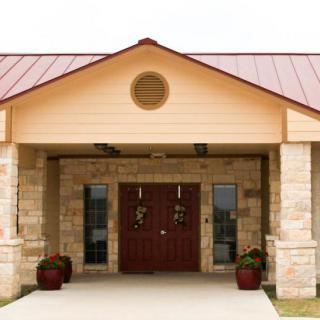
The Veranda
$2,800 to $3,040 / month2.4 miles away
Overall Review of 214 Martin
Pros
 The staff are friendly and caring.
- The meals are superior to hospital and rehab food.
- Residents have their own furniture and bedding, while housekeeping and laundry are provided.
- A small fridge and microwave are provided for independence.
- They can arrange Skype video with Mom on short notice.
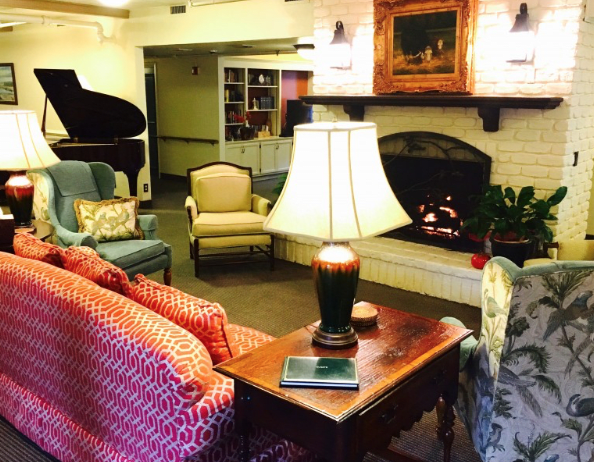
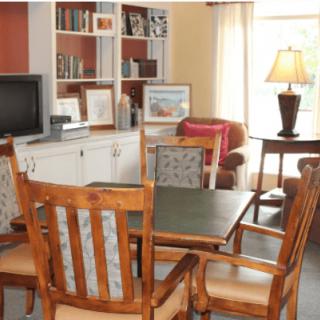
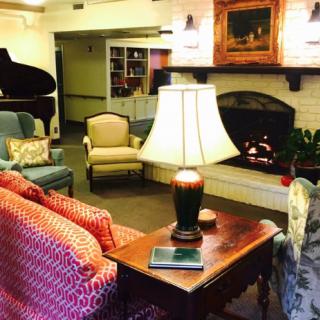
- The home has a warm, home-like atmosphere, with rooms decorated by the residents.
Cons
 Immediately after she moved in, they implemented a very tight quarantine, making the only way to communicate with Mom via her cell phone or prearranged video.
- The isolation policy limits activities and discourages close social interaction until the COVID-19 crisis is under control.
- Their only concern about Mom was her ability to transfer from bed to wheelchair in an emergency.
- One remark questions why it is called “Mom,” noting that it is a nursing home, not a house.
Review
214 Martin in Uvalde, TX is best suited for families seeking a tightly run, intimate assisted-living option where a senior can live in a small, home‑like setting and still receive hands-on, attentive care. With a maximum of 16 residents and a building that began as a city hospital before thoughtful remodeling, the community offers a warm, familiar atmosphere. Residents keep their own furniture and bedding, while housekeeping and laundry are handled on site. All meals are included, and practical touches, such as a personal fridge and microwave, support independent living. Weekly fresh fruit deliveries and the option to connect with family via Skype add a practical layer of comfort and continuity, making it an attractive match for someone who prioritizes closeness, routine, and predictability.
Those considering alternatives should weigh the desire for a more active social calendar or a broader rehabilitation footprint. The town’s other option in Uvalde can feel similar on the surface, but its larger capacity and different layout may deliver more programming and greater mobility support, attributes some families will value. However, reviewers note concerns about transfer readiness in emergencies at that other facility, which can be a deciding factor for residents with evolving mobility needs. For families seeking a clearly home-like feel over a more clinical or nursing-home impression, the contrast matters: one option emphasizes intimate, apartment-style living, while the other leans toward a more traditional facility footprint with different staffing dynamics.
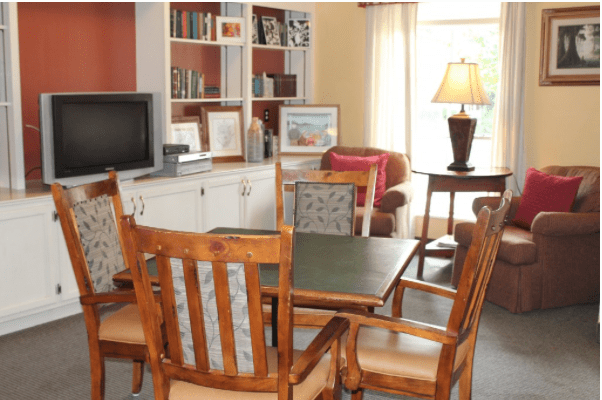
The strongest positives at 214 Martin revolve around its small size and the high level of personal attention it enables. Staff are consistently described as friendly and caring, delivering care that can feel more hands-on than typical assisted living. Meals are rated superior to hospital and rehab fare, and the bundled services, room, meals, housekeeping, and laundry, simplify daily logistics for families. The apartment-style setup, with living rooms, bedrooms, and bathrooms that residents help personalize, reinforces dignity and autonomy. Even those who value privacy will appreciate that the facility accommodates personal preferences, such as keeping personal furniture and the ability to use a fridge and microwave, while still providing daily support when needed.
Yet the same small scale and policy framework create meaningful constraints. A tight isolation policy limits in-person social interactions and group activities beyond a simple community bingo format that researchers might interpret as residence-based engagement. The result is a quieter calendar that suits some seniors perfectly but can feel limiting to those who equate senior living with robust social programming and regular group outings. The building’s age, while thoroughly remodeled, is palpable in day-to-day life, and the tight capacity means openings are not always readily available. Prospective residents must be comfortable with a facility that prioritizes individualized routines over a wide array of organized activities.
Practical comparisons to the competing option in town illuminate the tradeoffs clearly. The other facility’s flat-rate fee structure can appeal to families seeking predictability, but it may mask additional charges for therapies or enhanced services, a detail that requires careful budgeting. Administrative leadership at that facility left a positive impression, but one reviewer flagged potential limitations around mobility transfers from bed to wheelchair; if a resident’s safety during transfers is a critical concern, this point weighs heavily. By contrast, 214 Martin’s small, attentive frame minimizes the risk of being overlooked, but it also risks slower access to optional therapies or specialized programming.
In the end, this community earns a strong recommendation for families prioritizing proximity, a peaceful, home-like atmosphere, and high-touch, personal care within a compact setting. It is a natural fit for a senior who values routine, intimate social contact, and straightforward, all-inclusive living where staff know residents well and act with consistency. It may not satisfy those who demand a bustling activity calendar, rapid access to extensive rehabilitation services, or a facility with abundant outlets and diverse programs every week. For families weighing options, the choice hinges on whether the balance tilts toward intimate, neighborly care and predictable daily life (214 Martin) or toward broader social engagement and a more traditional facility experience (the competing option).
 1-bedroom apartments
 Board and Care Home
 Cats allowed
 Dogs allowed
 Activities off-site
 Air-conditioning
 Beautician on-site
 Cable or satellite TV
 Devotional services off-site
 Handicap accessible
 Indoor common areas
 Outdoor common areas
 Private
 Private bathrooms
 Wheelchair accessible showers
 Wi-Fi/high-speed internet available
 Medication management
 Low / no sodium
 Day trips and outings
 Educational speakers / life long learning
 Forever fit
 Gardening club
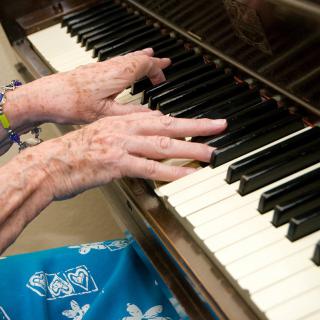
 Live musical performances
 Live well programs


 Powerful Realities of Elder Abuse and the Most Effective Ways to Report It
 Ten Vital Duties of a Senior Caregiver: A Comprehensive Guide
 9 Stimulating Memory Activities for Seniors: Puzzles, Cards, and Much More