710 Highway 55, Camp Wood, TX 78833
For more information about senior living options: (866) 208-4318
Overall Review of Cedar Hills Geriatric Center
Pros
 The social worker is very nice and communicates with families.
- The nurses are very nice.
- The food is fine.
- Sanitation is good.
- The administration is very friendly and helpful, providing a wealth of resources for families of residents.
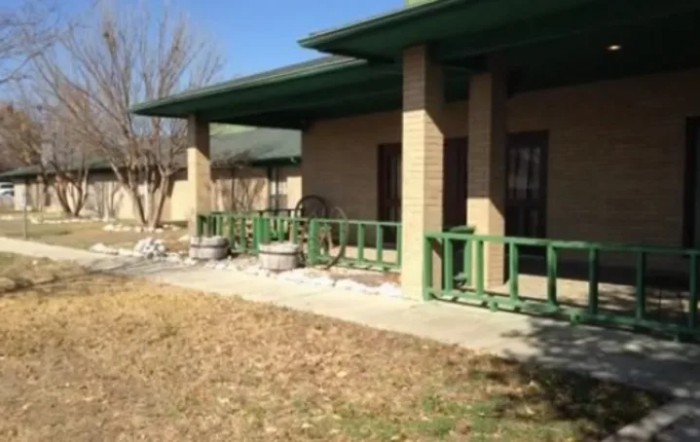
- The facility is located in a beautiful part of the Texas hill country with a quiet and peaceful atmosphere.
- The father-in-law has enjoyed his stay thus far, with minimal complaints.
- The facility is kept nice and clean.
Cons
 The staff have a high turnover rate, and that makes the care spotty from time to time.
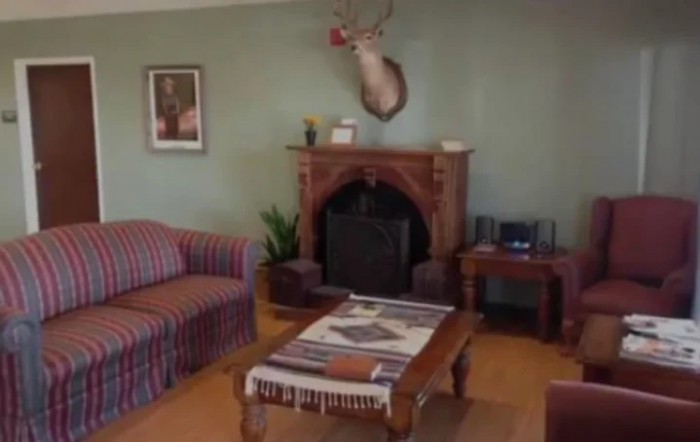
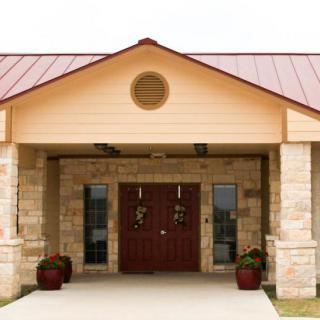
- The facility is not a modern (newer) facility.
Review
Cedar Hills Geriatric Center is best suited for seniors who value a serene, rural Texas Hill Country setting, where quiet, clean spaces and straightforward care routines support a steady daily rhythm. It works well for residents who can engage with attentive family members and rely on a proactive administration to coordinate care. The facility benefits from approachable social workers and nurses who communicate with families, and from a community ethos that emphasizes kindness and a homey atmosphere. It fits individuals who are comfortable in an older building that has been well maintained rather than flashy, and who can tolerate some variability in day-to-day care due to staff turnover. For those who prize unwavering staffing consistency and the latest facilities, alternatives may be wiser.
Alternatives should be considered for residents with high medical complexity or those who expect highly consistent, 24/7 nursing coverage and specialization. The turnover among staff is noted as a real factor that can affect continuity of care. Families seeking the newest facility design, more contemporary décor, or a wide array of on-site services may find Cedar Hills lacking. If accessibility to advanced memory-care programming or cutting-edge rehabilitation amenities is a priority, it makes sense to compare with other communities that market these capabilities more prominently. Those who require highly structured schedules or more robust on-site physicians may want to explore options known for sustained staffing stability and modern infrastructure.
On the plus side, administration stands out for friendliness and resourcefulness. The central leadership provides families with a breadth of information and support, which helps align expectations and care plans. The social worker and nursing staff are praised for communication, so relatives feel informed and involved. The setting itself is a highlight: a beautiful, quiet stretch of hill country that supports a calm daily rhythm. Sanitation and cleanliness are consistently described as solid, and meals are adequate. These elements create a sense of safety and dignity that can offset the facility’s age and its less modern appearance. For many families, those relational anchors matter as much as the bricks and mortar.
Yet the most salient drawback is staff turnover, which can translate into uneven care experiences. When shifts change or new aides step in, continuity can suffer, particularly for residents needing steady routines or evolving medical oversight. The building’s older footprint means fewer wow-factor amenities and possibly outdated conveniences, even as it remains clean and functional. Despite these constraints, the administration’s proactivity and the care teams’ communication can mitigate some disruption by keeping families in the loop and by coordinating care planning in a structured way. The overall environment, a quiet, clean, and scenic habitat, helps ease the sting of these gaps, but it cannot wholly erase the impact of staffing variability on daily care.
Decision-makers should match expectations to realities. For families where independence, comforting familiarity, and reliable administrative support trump the lure of a modern plexus of services, Cedar Hills represents a solid choice. Operationally, it is prudent to request a continuity plan: designate a primary nurse, insist on regular family conferences, and lean on the social worker to coordinate evolving care needs. Prepare for periods when staff turnover might disrupt routines; have contingency plans and involve family in care decisions. If a loved one requires complex medical management, or if a modern, airy environment with high-end amenities is non-negotiable, it is wise to compare with facilities that advertise stronger 24/7 skilled nursing and newer infrastructure. In short, Cedar Hills rewards engagement and patience with dependable administration and a peaceful ambiance, but its value hinges on alignment between expectations and staffing realities.
Bottom line: Cedar Hills Geriatric Center is a practical, no-nonsense home for seniors who want a calm, well-run environment and who are prepared to partner with a care team to manage occasional staffing variability. Its strengths, friendly administration, engaged social workers, clear communication, cleanliness, and a serene Hill Country setting, often outweigh the drawbacks for residents comfortable with a non-updated facility. Families should not overlook the potential for turnover to affect daily care, particularly for those with significant medical needs. For the right match, someone who cherishes steady human connection and a peaceful atmosphere, the community is a prudent, value-forward choice. For others, alternatives with stronger continuity or more modern amenities may be worth pursuing.
 86 resident community capacity
 Memory Care
 Skilled Nursing Facility
 Air-conditioning
 Beauty salon
 Cable or satellite TV
 Computer center
 Dining room
 Fitness room
 Fully furnished
 Gaming room
 Garden
 Housekeeping services
 Kitchenette
 Move-in coordination
 Outdoor space
 Private bathrooms
 Restaurant-style dining
 Small library
 Telephone
 Wellness center
 Wi-Fi/high-speed internet available
 Community operated transportation
 12-16 hour nursing
 24-hour call system
 Activities of daily living assistance
 Assistance with bathing
 Assistance with dressing
 Assistance with transfers
 Diabetes diet
 Medication management
 Mental wellness program
 Special dietary restrictions
 Concierge services
 Planned day trips


 8 Important Indicators That Memory Care May Be Necessary
 Delving into the Inner World of Dementia: Insights into Thoughts and Awareness
 Five Subtle Dementia Indicators to Observe: An In-Depth Guide to Understanding “Does My Mom Have Dementia?”