Residents and visitors frequently mention the facility’s cleanliness and odor control.
Many reviewers say the building felt clean, well-kept, and free of strong unpleasant smells during visits. Several also describe a bright, organized environment and no offensive odors. A smaller set of reviews disagree, describing unpleasant smells and reported pest or cleanliness issues, including roaches or bed-related hygiene concerns.
common12 reviews mention this
Staff friendliness is a frequent theme
A large share of reviewers describe staff as friendly, helpful, and welcoming.
Across positive reviews, families and visitors highlight friendly, attentive staff who respond well to questions and help with needs during visits. Some specifically mention nurses treating residents with respect and gratitude from visitors. Other reviewers report the opposite—describing rude staff, lack of care, or being understaffed—which indicates experiences vary.
common6 reviews mention this
Food quality and dining experience
Dining comes up often, with residents and visitors split on food quality.
Positive mentions describe the food as looking or smelling good and being enjoyable in the dining room. Some reviews praise restaurant-style dining and note tasting samples during a tour. Negative reviews counter that the food can be cold or unfit, and at least one reviewer says meals or snacks were inconsistent.
caveat3 reviews mention this
Communication and phone access vary
Several reviews describe difficulty reaching staff or residents by phone.
Some reviewers say calls go to voicemail or that it takes repeated attempts to get a response. One review describes being unable to speak with a loved one without physically visiting, because residents cannot use phones in rooms. Separately, a negative review ties communication problems to delays with referrals and follow-through on care coordination.
caveat6 reviews mention this
Care consistency and staffing concerns
A number of reviewers raise concerns about care consistency and staffing coverage.
Several critical reviews describe understaffing, limited attention at night, or residents not receiving basic care consistently. Other complaints include hygiene gaps, bed sores, and incidents that reviewers attribute to inadequate supervision or follow-up. In contrast, multiple positive reviews say residents received good medical and daily care and that therapy helped with recovery, suggesting outcomes may differ by resident and situation.
common7 reviews mention this
Activities and rehab programming
Many reviewers highlight active programming through activities and rehabilitation.
Positive reviews frequently mention resident engagement through the activities department, day-to-day programming, and events intended to keep residents involved. Several also praise rehab staff and describe therapy as supportive for recovery. The same set of reviews that emphasize activities and rehab often pair that with comments that residents seem happier and more comfortable.
How we summarize
Counts show how many written reviews mention each theme; a review can touch several themes, and only frequently mentioned themes are displayed.
Linda's caregiving journey for her elderly mother, Joan, is marked by deep love and challenges as she navigates health changes, emotional support, and practical arrangements while learning to prioritize self-care and utilize community resources. Their evolving relationship highlights resilience and the universal themes of empathy and preparedness in caregiver experiences.
The article clarifies common misconceptions about Powers of Attorney (POA), highlighting the necessity of the principal's consent, the limitations on an agent's authority, and the importance of mental capacity when signing. It also distinguishes between various types of POAs, addresses concerns about potential abuse, and emphasizes the need for legal consultation to ensure valid and up-to-date documents.
Senior move management provides specialized support for older adults relocating by assisting with logistics, emotional challenges, and downsizing decisions to ensure a smooth transition to new living environments. These services address the unique needs of seniors and have become increasingly important as baby boomers retire and seek to downsize.
Get PricingAsk A QuestionSchedule A TourContact Senior Advisor
By clicking submit, you agree to our Partner's Terms of Use. You
also consent to receive calls and texts, which may be autodialed, from our Partner. Your consent is not a condition to
using our Partner's service. Please visit our Partner's Privacy Policy for information about their privacy practices.

 76 resident community capacity
 Skilled Nursing Facility
 Air-conditioning
 Beauty salon
 Cable or satellite TV
 Computer center
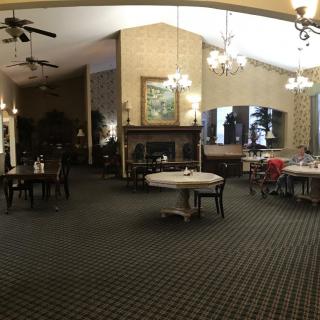
 Dining room
 Fitness room
 Fully furnished
 Gaming room
 Garden
 Housekeeping services
 Kitchenette
 Move-in coordination
 Outdoor space
 Private bathrooms
 Restaurant-style dining
 Small library
 Telephone
 Wellness center
 Wi-Fi/high-speed internet available
 Tyler Pounds (7 miles away)
 Community operated transportation
 12-16 hour nursing
 24-hour call system
 Activities of daily living assistance
 Assistance with bathing
 Assistance with dressing
 Assistance with transfers
 Diabetes diet
 Medication management
 Mental wellness program
 Special dietary restrictions
 Concierge services
 Planned day trips
 Luxurious setting with extensive amenities and 24/7 care support.




 Nurturing Our Elders: Linda's Journey of Supporting Her Mother
 A Comprehensive Exploration of Common Misunderstandings about Powers of Attorney
 Senior Move Management: Understanding the Role, Value, and Associated Costs