
714 South Austin, Tulia, TX 79088
For more information about senior living options: (866) 208-4318
Overall Review of Tulia Health And Rehabilitation Center
Pros
 The facility is a nice, small country home that takes care of seniors.
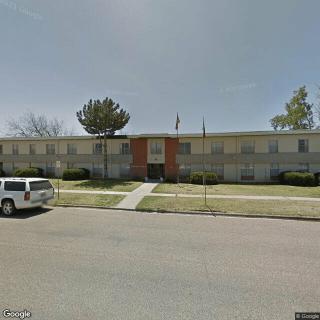
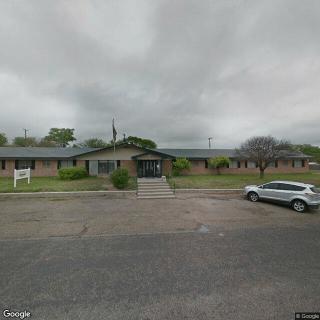
- The building is older but well-maintained.
- The dining area looks pretty good.
- The facility offers activities like bingo, occasional musical visitors, and outings for appointments or shopping.
- The rooms are of fair size and the staff are very nice.
- The staff help residents as needed.
- The staff encourage residents to do what they can on their own and maintain their independence, while being there when needed.
Cons
 A staff member reportedly broke the reviewer’s mother-in-law’s leg during the night shift.
- No action was taken to determine who caused the injury or what happened.
- The injury left the mother-in-law bedridden for two years.
- The reviewer notes that the mother-in-law is no longer at the facility.
Review
Tulia Health and Rehabilitation Center is best suited for seniors who want a small, home-like environment where independence is valued and daily life includes social activities and personal attention. The community conveys a country, village-feel rather than a hospital campus: an older building that is still kept in decent condition, with a dining area that feels welcoming and routines that encourage participation. Families seeking a warm, low-key atmosphere where staff are accessible and residents are supported in their own pace will find this setting appealing. It works especially well for residents who appreciate friendly faces, simple outings, and the sense of belonging that comes from a tight-knit staff and peer group.
Those who should consider alternatives include families prioritizing robust safety oversight, rapid clinical response, or a facility with more modern infrastructure. For seniors with complex medical needs, high fall risk, or cognitive impairment requiring specialized memory care, a smaller operation like this may lack the breadth of on-site medical services and supervision found in larger centers. Also, if the preference is for a more contemporary feel, upgraded amenities, or clearly defined therapy programs with proven outcomes, a larger campus or a facility with dedicated rehab and memory-care wings could be a better match.
On the upside, the strongest draws are the staff and the spirit of independence. Reviews repeatedly describe the aides and caregivers as genuinely kind and approachable, with a philosophy of enabling residents to do as much as possible for themselves while being present when assistance is required. The facility makes an active effort to keep residents engaged through social activities, bingo, visiting performers, and regular outings, so life remains sociable rather than routine-only. Rooms are described as adequately sized, and the overall environment suggests a family-like cadence that can feel comforting to both residents and families seeking proximity and familiarity.
Yet, the most consequential con: safety and accountability. A serious, life-altering incident during the night shift ended with a severe injury to a resident and a perception that no one followed up effectively. While this remains a single report among several positive notes, it cannot be dismissed. Such an event raises legitimate concerns about incident reporting, the depth of staffing during vulnerable hours, and the transparency of investigations. prospective residents should weigh whether they are comfortable with the level of safety oversight in a small operation and should probe specifics like staffing ratios at night, incident response protocols, and the facility’s track record for preventing similar harm.
Taken together, the pros, friendly, attentive staff; encouragement of independence; meaningful social programming; and accessible transport to appointments, do offset a number of the downsides for residents who prioritize connection and autonomy. However, the conspicuous safety blemish, coupled with the building’s age and the lack of explicit data on advanced medical or rehabilitative services, undermines confidence for those whose care needs may intensify. Families must balance the warmth and daily livability against the potential for uneven safety oversight. In many cases, Tulia Health and Rehabilitation Center can be a wonderful home for a self-directed senior who thrives on community life, provided due diligence is performed and the fit is clearly aligned with current and anticipated care needs.
In closing, the decision hinges on risk tolerance and care expectations. For a senior who values a small, neighborly setting, with staff who treat residents like family and who can tolerate occasional constraints of an older facility, Tulia offers a compelling blend of humanity and livability. For those requiring stronger guarantees of safety, faster clinical responsiveness, or more modern amenities, exploring alternatives, larger assisted-living campuses, facilities with dedicated memory-care units, or centers with documented safety protocols, will likely yield a clearer match. A candid, in-person assessment focusing on safety culture, staffing patterns, and the breadth of medical and rehabilitative services will clarify whether this community can be the right long-term home.
 52 resident community capacity
 Skilled Nursing Facility
 Air-conditioning
 Beauty salon
 Cable or satellite TV
 Computer center
 Dining room
 Fitness room
 Fully furnished
 Gaming room
 Garden
 Housekeeping services
 Kitchenette
 Move-in coordination
 Outdoor space
 Private bathrooms
 Restaurant-style dining
 Small library
 Telephone
 Wellness center
 Wi-Fi/high-speed internet available
 Community operated transportation
 12-16 hour nursing
 24-hour call system
 Activities of daily living assistance
 Assistance with bathing
 Assistance with dressing
 Assistance with transfers
 Diabetes diet
 Medication management
 Mental wellness program
 Special dietary restrictions
 Concierge services
 Planned day trips



 Seniors and Modern Transportation: Exploring Uber, Lyft, and Other Ride-Hailing Options
 Comprehensive Guide to Qualifying for Home Health Care Services
 Powerful Realities of Elder Abuse and the Most Effective Ways to Report It