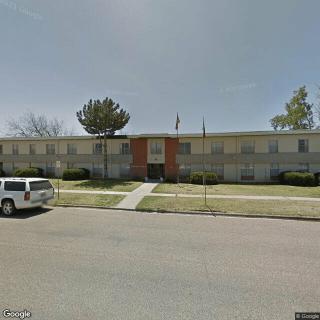
Plainview Healthcare Center is a nursing home community in Plainview, TX.
Information last verified:
2510 West 24Th Street, Plainview, TX 79072
For more information about senior living options: (866) 208-4318
4.6 from 44 reviews
5 stars
39
4 stars
1
3 stars
0
2 stars
1
1 stars
3
Overall Review of Plainview Healthcare Center
common38 reviews mention this
Staff feel genuinely caring
Residents and families repeatedly describe staff as caring and responsive to needs.
Many reviews focus on how staff treat residents with kindness and attentiveness, with frequent mentions of nurses, aides, therapy staff, and other departments working together. Several reviewers also describe staff as willing to listen during difficult moments, and others say call lights were answered quickly and needs were met. A few reviews contrast that experience with reports of negative treatment and verbally hurtful interactions, so it’s worth reading all recent feedback.
common22 reviews mention this
Facility stays clean and well-kept
Cleanliness shows up often, with residents and visitors praising the facility’s upkeep.
A recurring theme is that the building looks clean and well maintained, with reviewers mentioning it feels comfortable and does not have unpleasant odors. Multiple reviews also connect cleanliness to how welcoming the environment feels for both residents and families. This aligns with the community’s offering of housekeeping services and an overall setup that includes private bathrooms and an indoor dining room.
differentiator18 reviews mention this
Rehab and therapy support
Therapy is a standout theme, with many describing progress and strong hands-on support.
Several reviews mention physical therapy and therapy staff as a key part of recovery, including help with mobility and regaining strength. Families and residents also describe therapy working well for both short-term rehab after injury or surgery and longer stays. The community formally offers skilled nursing facility care and includes meal and diabetes-special-diet support, which matches how reviews discuss coordinated daily assistance alongside rehab.
common10 reviews mention this
Food is frequently praised
Meals and snacks come up often, and many reviewers say the food tastes good.
Food is a consistent positive theme in reviews, with comments about meals being tasty, adequate, and served on time. Some reviewers also mention the ability to get alternatives if they don’t like a main dish. While residents describe dining positively, at least one review raises a serious concern about a meal arriving raw, so it’s another area to weigh carefully when reading feedback.
caveat2 reviews mention this
Privacy and respectful care concerns
A small number of reviews report privacy and respectful-care problems.
One review describes the resident experience as verbally abusive and says the family removed their loved one after a short stay. Another review raises concerns about privacy not being honored, including staff interactions overheard in shared areas. These reports stand out compared with the broader pattern of positive care descriptions, but they’re important to consider when making a decision.
How we summarize
Counts show how many written reviews mention each theme; a review can touch several themes, and only frequently mentioned themes are displayed.
Features
Housing
93 resident community capacity
Types of Care
Skilled Nursing Facility
Amenities
Air-conditioning
Beauty salon
Cable or satellite TV
Computer center
Dining room
Fitness room
Fully furnished
Gaming room
Garden
Housekeeping services
Kitchenette
Move-in coordination
Outdoor space
Private bathrooms
Restaurant-style dining
Small library
Telephone
Wellness center
Wi-Fi/high-speed internet available
Transportation
Community operated transportation
Transportation arrangement
Transportation arrangement (non-medical)
Transportation to doctors appointments
Care Services
12-16 hour nursing
24-hour call system
24-hour supervision
Activities of daily living assistance
Assistance with bathing
Assistance with dressing
Assistance with transfers
Diabetes diet
Meal preparation and service
Medication management
Mental wellness program
Special dietary restrictions
Dining
Diabetes diet
Special dietary restrictions
Activities
Community-sponsored activities
Concierge services
Fitness programs
Planned day trips
Resident-run activities
Scheduled daily activities
Nearby Places of Interest
Physicians
Covenant Healthcare Center Plnvw (0.1 miles)
Charest Jessica C MD - Covenant Medical Group (0.1 miles)
Plainview Surgical Care (0.1 miles)
Plainview Orthopaedic (0.1 miles)
Shouse Donald Emergency Department, Covenant Health (0.1 miles)
Covenant Outpatient Clinic (0.1 miles)
Plainview Children's Rural Health Clinic (0.2 miles)
Anticipatory grief is an emotional response to the impending loss of a loved one, characterized by complex emotions such as sadness and anger, and involves navigating stages similar to those identified by Kübler-Ross. Coping strategies are vital for managing this process, emphasizing compassionate communication, self-care, and support groups while recognizing the cultural influences on grieving.
Adult day care programs offer essential support and activities for older adults, yet many hesitate to participate due to concerns about independence and stigma. To alleviate these apprehensions, families should facilitate open discussions, explore financial resources, suggest trial visits, and collaborate with healthcare providers to highlight the benefits of such services for both the participants and their caregivers.
Living wills and advance directives are crucial legal documents that outline an individual's healthcare preferences when they cannot make decisions themselves, enhancing patient autonomy and alleviating family stress during medical crises. The article emphasizes the need for these documents to be personalized, legally valid, and regularly updated, while also encouraging communication about end-of-life wishes among family members and healthcare providers.
Get PricingAsk A QuestionSchedule A TourContact Senior Advisor
By clicking submit, you agree to our Partner's Terms of Use. You
also consent to receive calls and texts, which may be autodialed, from our Partner. Your consent is not a condition to
using our Partner's service. Please visit our Partner's Privacy Policy for information about their privacy practices.

 93 resident community capacity
 Skilled Nursing Facility
 Air-conditioning
 Beauty salon
 Cable or satellite TV
 Computer center
 Dining room
 Fitness room
 Fully furnished
 Gaming room
 Garden
 Housekeeping services
 Kitchenette
 Move-in coordination
 Outdoor space
 Private bathrooms
 Restaurant-style dining
 Small library
 Telephone
 Wellness center
 Wi-Fi/high-speed internet available
 Community operated transportation
 12-16 hour nursing
 24-hour call system
 Activities of daily living assistance
 Assistance with bathing
 Assistance with dressing
 Assistance with transfers
 Diabetes diet
 Medication management
 Mental wellness program
 Special dietary restrictions
 Concierge services
 Planned day trips
 Specialized memory care with trained staff; diabetic care included.

 Recognizing the Journey: Understanding and Navigating Anticipatory Grief
 Encouraging Participation in Adult Day Care: A Guide to Supporting a Hesitant Parent
 Comprehensive Exploration of Living Wills and Other Advance Directives