

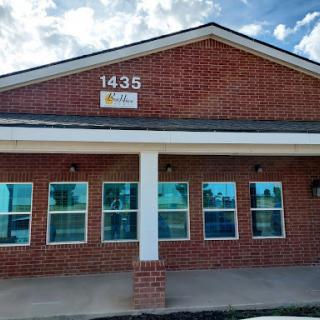
1435 Lometa Dr, Plainview, TX 79072
To contact a resident: (806) 429-1124
For more information about senior living options: (866) 208-4318
BeeHive Homes of Plainview Costs & Pricing
BeeHive Homes of Plainview offers a studio room at a cost of $4,000 per month, which is notably higher than the average rates for Hale County and the broader Texas state. In Hale County, the typical monthly cost for similar accommodations is approximately $3,474, while Texas averages around $3,758 for comparable facilities. This places BeeHive Homes above both local and state averages by a significant margin. While potential residents might find this elevated pricing concerning, it could reflect enhanced amenities or personalized care that distinguish BeeHive Homes as a premium choice in the area.
| Floor plans | BeeHive Homes of Plainview | Hale County | Texas |
|---|---|---|---|
| Studio | $4,000 | $3,474 | $3,758 |
Overall Review of BeeHive Homes of Plainview
Pros
 The staff loves and takes very good care of their residents.
- Great staff and compassionate nurses—this is a place we need more like this.
- Wynette and staff are professional and compassionate caregivers.
- Beehive Homes offers respite and adult care with attentive, caring staff.
- The facility is a great choice for families seeking the best care for their loved ones.
- Beehive Home is beautiful, clean, and feels like a home with excellent staff.
- The manager Terri is professional, compassionate, and hardworking.
- The overall experience at Beehive is highly recommended for loving, attentive care.
Cons
 The care of a family member was very poor.
Review
BeeHive Homes of Plainview in Plainview, Texas is best suited for families seeking a small, home-like assisted living option where caregivers deliver highly personalized attention and family involvement is encouraged. The community’s intimate size and stable staff cultivate strong relationships, offering residents a warm, non-institutional daily life. It is especially suitable for seniors who thrive on predictable routines, personal connections, and the sense of belonging that comes from being cared for as part of a family-oriented home rather than a large campus.
Those needing extensive medical oversight or expansive, campus-style amenities may want alternatives. BeeHive offers respite and memory care within a home setting, but it is essential to confirm that clinical coverage meets specific needs, including on-site nurse availability and individualized care planning. One review notes very poor care of a family member, a reminder that experiences can vary. Due diligence remains vital: tours, conversations with the caregiving team, and clear care protocols should be established before enrollment.
Pros are tangible and consistently positive: staff described as loving, professional, and compassionate; leadership is hands-on; and the home-like environment reduces anxiety by keeping routines familiar. Residents benefit from attentive care and caregivers who know them by name, creating a sense of stability. Meals made from scratch contribute to a comforting, homestyle atmosphere, enhancing overall well-being. The intimate staffing model and family-centered culture translate into meaningful daily moments, customized care plans, and a sense of safety that resonates with families.
Memory care and end-of-life support are integrated in a way many families value, emphasizing continuity of care without hospital transfers. The setting is repeatedly described as beautiful, clean, and well maintained, with residents appearing content and engaged in activities. When Wynette and other staff members are highlighted in accounts, the message is consistent: professional, compassionate care that treats residents with dignity while keeping family members informed and involved. This combination, strong front-line teams, a welcoming environment, and visible leadership, helps the community stand out as a trustworthy option for ongoing caregiving.
From a decision-making standpoint, the best move is a field visit paired with targeted questions: what are the staff-to-resident ratios, how are daily activities structured, how memory care is implemented, and how can families participate in care planning? Request specifics on meals, safety measures, mobility support, and processes for end-of-life care. The overall positive feedback suggests a strong fit for families prioritizing warmth, continuity, and hands-on caregiving; the lone negative review reinforces the need to verify consistency and set clear expectations before committing.
Bottom line: BeeHive Homes of Plainview represents an excellent match for households seeking a warm, caregiver-led environment with a clear memory-care orientation and active family involvement. The potential downside is the possibility that higher medical needs or broader campus-style amenities are better handled elsewhere. With a proven track record of compassionate staff, home-like surroundings, and robust resident engagement, this community deserves serious consideration. A thorough tour, including meetings with Wynette and the care team, will reveal whether the pace, practices, and promises align with the loved one’s needs and the family’s expectations.
 Assisted Living
 Memory Care
 Activities on-site
 Devotional services off-site
 Indoor common areas
 Ambulatory care
 Diabetic care
 Meals provided



 When to Transition from Assisted Living to Memory Care: Key Indicators, Steps, and Finding the Right Community
 Understanding the Distinctions: Assisted Living and Memory Care Explained
 How to Communicate with a Loved One Living with Dementia: 10 Supportive Strategies