
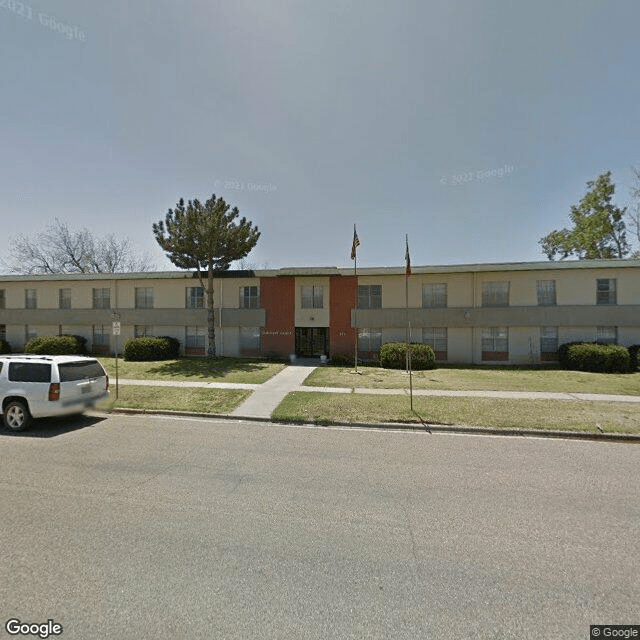
813 W 8th St, Plainview, TX 79072
To contact a resident: (806) 293-2350
For more information about senior living options: (866) 208-4318
Overall Review of Christian Manor Apartments
Pros
 She was extremely happy living in the retirement community for nearly 20 years.
- She could have her own apartment and still receive the necessary help as her needs grew.
- She enjoyed staying independent while also enjoying the company of other residents.
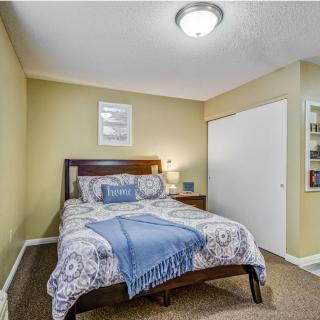
- She had a kitchen, a bedroom, a living room, and cable TV.
- The facility took steps to prevent future incidents and ensure her safety.
- Overall, it was an excellent place for her.
Cons
 The only bad thing that happened was someone tried to break into her room through an outside window one night.
- She eventually got to the point she needed additional care, but still did not want to give up her independence.
Review
Christian Manor Apartments in Plainview, Texas is best suited for seniors who want to maintain true independence within a private apartment while having practical backup support as needs evolve. The layout supports aging in place: a self-contained living space with a kitchen, a bedroom, and a living area, plus accessible design features that accommodate mobility limits. The property emphasizes a sense of community without imposing on autonomy, and the on-site staff is described as capable and responsive. For residents who prize daily routines, a cafeteria option ensures meals without forcing full-time meal planning, while the option to stay connected through in-unit amenities like cable keeps routines familiar. This combination makes it a sensible match for those prioritizing stability and companionship over a larger care campus.
However, potential residents should be clear about boundaries. Those who will require intensive, 24/7 medical oversight, memory-care support, or highly supervised living should look at dedicated assisted living or memory-care facilities. While staff support is praised, the setting remains apartment-style rather than a full-service care campus, which can matter when health needs surge. Security and safety considerations also come into play for families who want stronger controls or more robust property-wide safety systems; though incidents are described as non-major and were addressed, the experience can shape perceptions of risk for highly security-conscious households.
On the flip side, the strongest draws are powerful: clean, accessible apartments; a staff that delivers dependable help without eroding residents’ independence; and social continuity that comes with a resident community. The ability to keep independent living at home while tapping assistance as needs rise reduces the abrupt transition to a higher level of care. The cafeteria adds a practical layer, meals become predictable without the burden of daily cooking, and staff availability tends to translate into timely help with medications, daily tasks, or transportation as needed. Taken together, these pros create a flexible, lower-stress pathway to aging in place that many families value highly.
Nevertheless, the occasional security concern stands out as a real consideration. The review notes a break-in attempt at an exterior window, which underscores the need for ongoing safety improvements in a property that prioritizes independence. While the facility responded to reduce risk, this risk nuance matters for households with a strong emphasis on security. It is not a deal-breaker in many cases, but it does tip the balance for those comparing options against full-serve campuses with enhanced surveillance and 24/7 on-site nursing.
When evaluating this community, families should confirm the scope of care included in the monthly cost, the availability of on-site nurses or aides, and how quickly staff can respond to a rising level of need. Visiting the site to observe how meals are coordinated, what social activities exist, and how privacy and safety are managed will provide clarity. Contracts should spell out what happens when a resident’s independence wanes and when transition to another level of care becomes necessary. In short, this is a practical choice for aging-in-place with ready support, not a substitute for more comprehensive medical supervision.
Overall, Christian Manor Apartments are well-suited for seniors who want to stay in a private, comfortable apartment with reliable staff and accessible design, while retaining the option of assistance when needed. It is less appropriate for those who require constant medical attention, intensive supervision, or memory-care programming. For families prioritizing independence with predictable routines and social engagement, the pros, clean spaces, supportive staff, meal flexibility, and community connections, tend to outweigh the drawbacks. Weigh the safety considerations alongside the cost and the level of care desired, and this community merits serious consideration as part of a thoughtful aging-in-place strategy.
 Independent Living



 Comprehensive Look at Senior Blood Pressure Charts: Normal and Elevated Levels by Age
 Top Canine Companions for Older Adults
 Comprehensive Guide to Blood Pressure Charts for Older Adults: Understanding Normal and High Readings by Age