
451 South El Camino Crossing, San Augustine, TX 75972
For more information about senior living options: (866) 208-4318
Overall Review of Twin Lakes Rehabilitation And Care Center
Pros
 Jana Pate is described as the face of Stonecreek Nursing Home and Rehab and is a wealth of information who gladly shares it with anyone who asks.
- The staff provide great care and are highly recommended for loved ones.
- The dietary supervisor has served for about 19 years and is dedicated to keeping residents fed and pleased.
- Stonecreek cares about its patients, making them feel at home and loved, with an excellent rehab that helps patients get stronger.
- The nursing staff and nurse aides are kind and loving and take excellent care of residents, and the activity director provides plenty of fun activities for residents.
- The facility is described as a really great place with friendly staff who treat residents like family.
- Stonecreek and its staff are praised for compassionate, personalized care, knowing residents on a personal level and interacting with them as a family.
Cons
 A reviewer reports waiting over 20 minutes for assistance for a loved one, after pressing the call button five times, with no help provided.
- Another reviewer describes the quality as poor and suggests it could improve with newer office staff and a few new aides.
- A family member states their granny would not stay there, recounting an aide who refused to give a shower, subpar perineal care, and an odor in the hall; the DON's office staff were snooty and the administrator appeared uninformed.
- The reviewer states they would highly not recommend this facility to anyone.
Review
Twin Lakes Rehabilitation And Care Center in San Augustine, TX is best suited for seniors who want a strong rehabilitation focus paired with a warm, home-like atmosphere. This community tends to work well for residents who value care teams that know individuals well, stay engaged over time, and provide steady nutrition and activity programming. The model is most effective for families seeking hands-on staff who build relationships and can deliver ongoing, personable support, especially for those who prioritize recovery and daily life engagement over a sterile, impersonal environment.
On the positive side, reviewers consistently praise the staff’s dedication and the genuine, family-like tone of care. The rehabilitation program is repeatedly described as robust, with residents gaining strength and mobility under attentive therapy. An activity director who brings variety and energy helps keep daily life meaningful, while the long-tenured dietary supervisor ensures meals stay reliable and resident-focused. Taken together, these elements foster a sense of comfort and trust: residents feel seen, and families often feel reassured that their loved ones are treated with kindness and respect.
However, the picture is not uniformly favorable. Several accounts describe delays in assistance, with call buttons pressed repeatedly before help arrives, which raises safety concerns for anyone who requires prompt response in moments of distress. There are troubling anecdotes about personal care lapses, instances where showers were delayed or not provided and where perineal care and overall hygiene were questioned. Additionally, some reviewers describe portions of the administration and front-office culture as distant or unresponsive, creating a sense that leadership may not be fully engaged in day-to-day care quality. These reports temper the otherwise warm impression with reminders that reliability varies.
Despite these flaws, the core strengths still carry significant weight for decision-making. When staffing is responsive and care plans are followed, residents benefit from the rehab momentum, consistent meal service, and a welcoming daily rhythm that reinforces a sense of home. The continuity of long-tenured staff promotes meaningful relationships, which can translate into better communication with families and clearer understanding of individual needs. The overall culture, centered on warmth, personal attention, and a visible commitment to resident happiness, can offset occasional service gaps, particularly for residents who thrive on stable routines and social engagement.
That said, alternatives deserve serious consideration for anyone where immediate responsiveness or strict hygiene standards are non-negotiable. Families prioritizing near-instant call-light responses, highly proactive management oversight, or consistently clean, well-run environments may find other communities with stronger, steadier performance in these areas. For residents with higher care needs or those who require unwavering, day-to-day reliability, the risk of sporadic responsiveness and perceived administrative distance should prompt a broader comparison of nearby options.
Practical next steps are essential for a well-informed choice. Schedule a thorough tour and push for concrete answers: typical call-light response times by shift and at night, exact staffing ratios, and the process for addressing care lapses when they occur. Request a direct conversation with the administrator and the rehabilitation director, plus copies of the most recent survey results and family feedback. Consider a short-term stay or respite to observe the community’s routines firsthand and gauge whether the environment delivers consistently on its promises. Align expectations with the senior’s goals, and ensure the care plan formalizes both rehab objectives and daily living support in a way that can be monitored over time.
 90 resident community capacity
 Skilled Nursing Facility
 Air-conditioning
 Beauty salon
 Cable or satellite TV
 Computer center
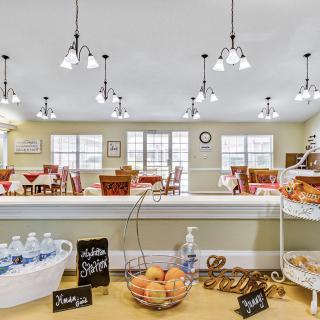
 Dining room
 Fitness room
 Fully furnished
 Gaming room
 Garden
 Housekeeping services
 Kitchenette
 Move-in coordination
 Outdoor space
 Private bathrooms
 Restaurant-style dining
 Small library
 Telephone
 Wellness center
 Wi-Fi/high-speed internet available
 Community operated transportation
 12-16 hour nursing
 24-hour call system
 Activities of daily living assistance
 Assistance with bathing
 Assistance with dressing
 Assistance with transfers
 Diabetes diet
 Medication management
 Mental wellness program
 Special dietary restrictions
 Concierge services
 Planned day trips


 Comprehensive Insights into Palliative Home Care: What It Is and What to Expect
 Skilled Nursing Facilities vs. Nursing Homes: Making Sense of the Differences
 A Detailed Examination of Nursing Home Costs Across the U.S.