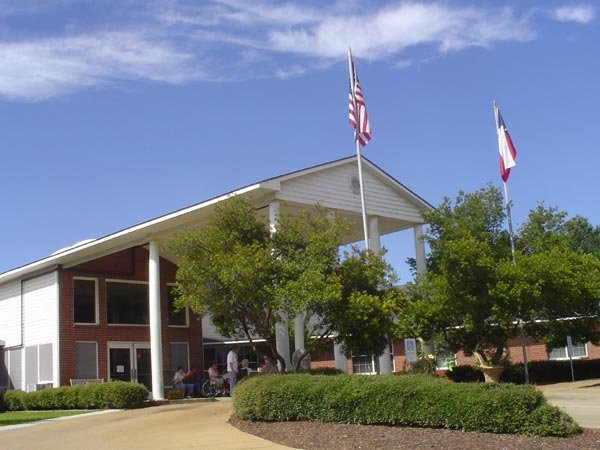





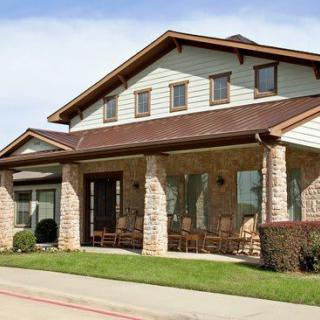
1203 Fm 1277, San Augustine, TX 75972
For more information about senior living options: (866) 208-4318
Overall Review of Colonial Pines Healthcare Center
Pros
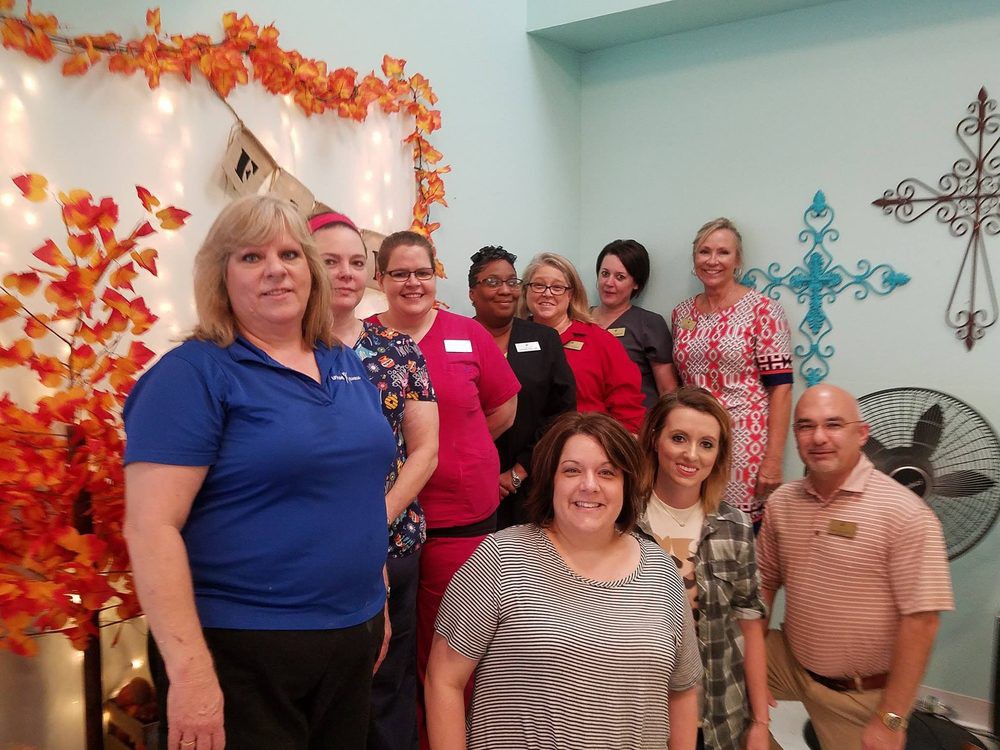
 The nurses, aides, and staff are amazing.
- They consistently keep families informed and go above and beyond in their care.
- The memory care team is completely separate from the male staff, which greatly benefits residents and families.
- The administration and offices are friendly and highly competent.
- They guide families through the entire process, from admission paperwork to Medicare applications and benefits understanding.
- They truly care and create an atmosphere that sets them apart from other facilities.
- The care by the entire staff is outstanding, with residents treated with compassion, dignity, and respect.
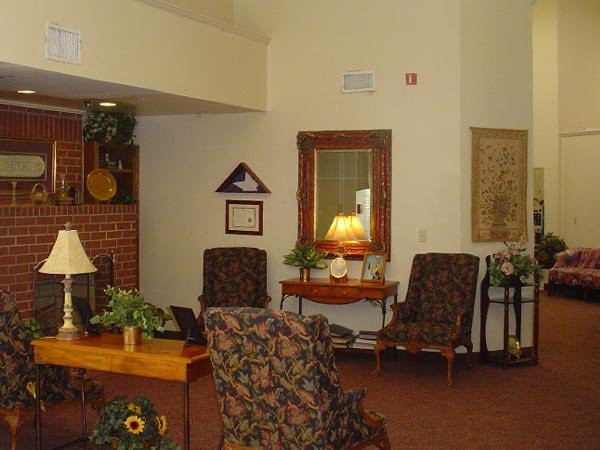
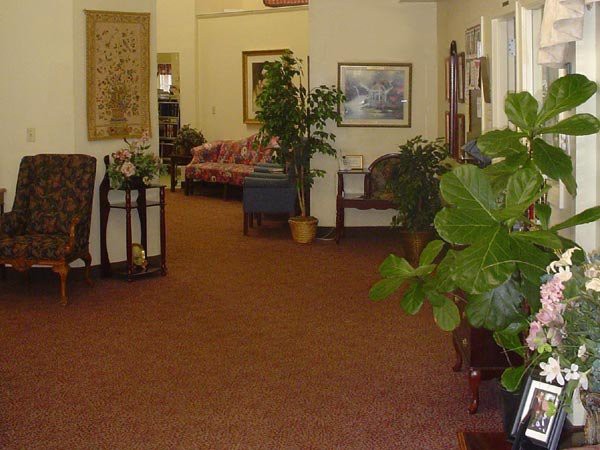
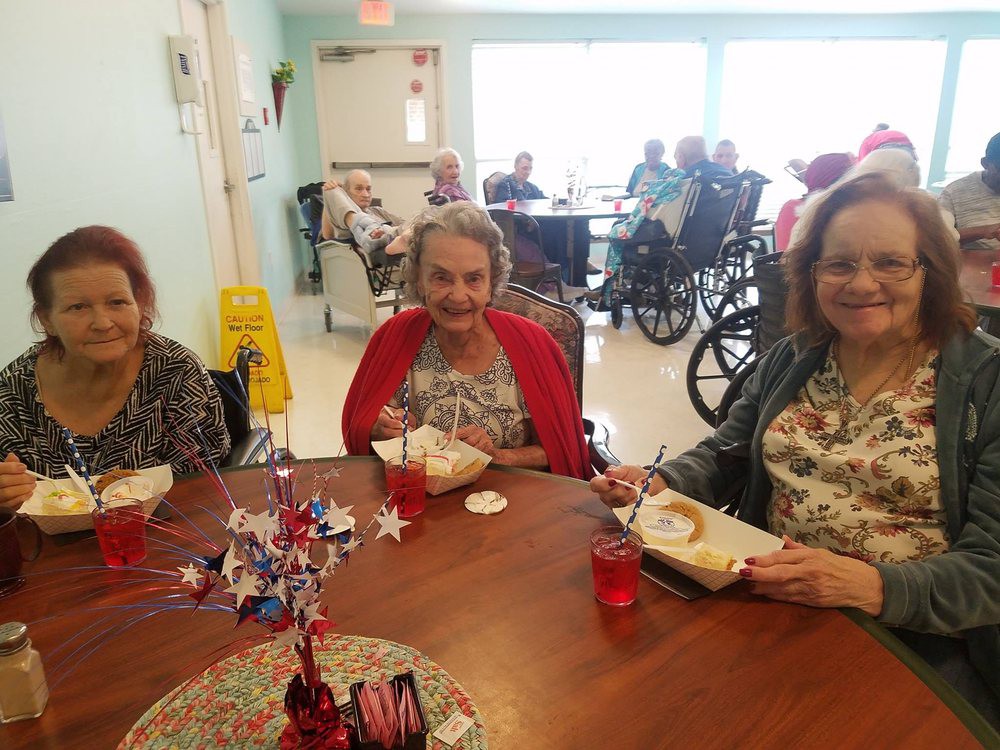
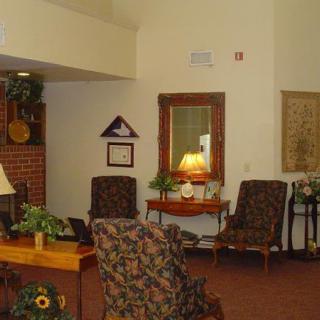
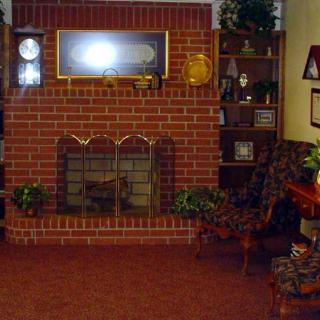
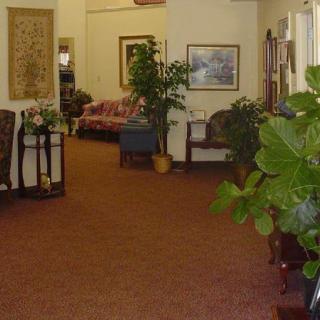
- The facility is friendly and clean, providing a wonderful overall experience.
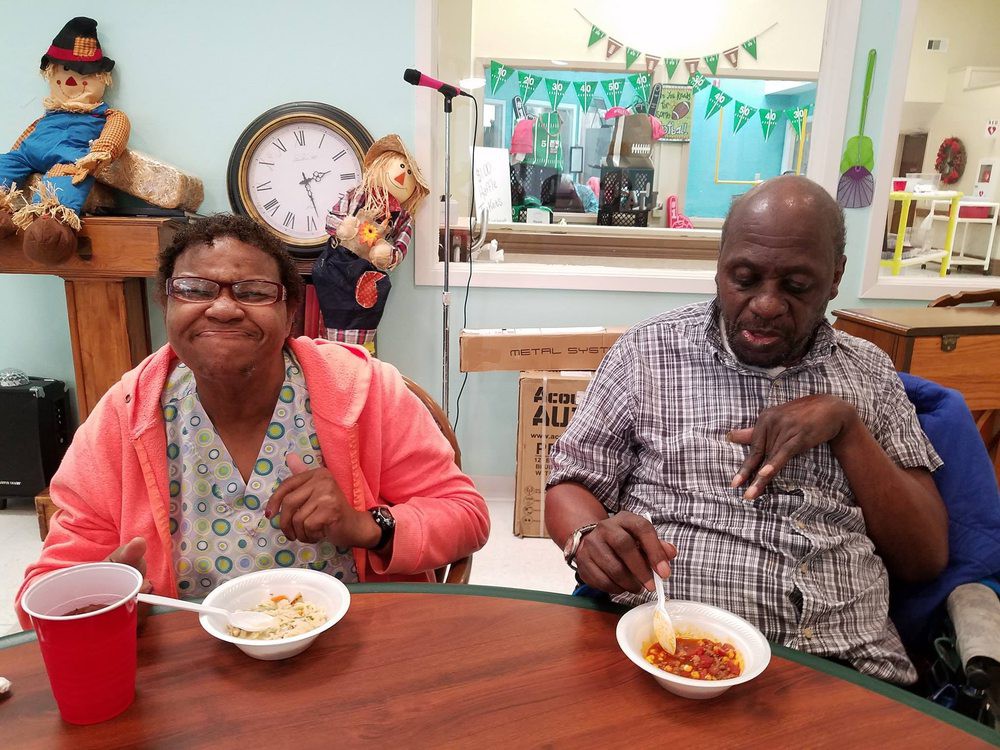
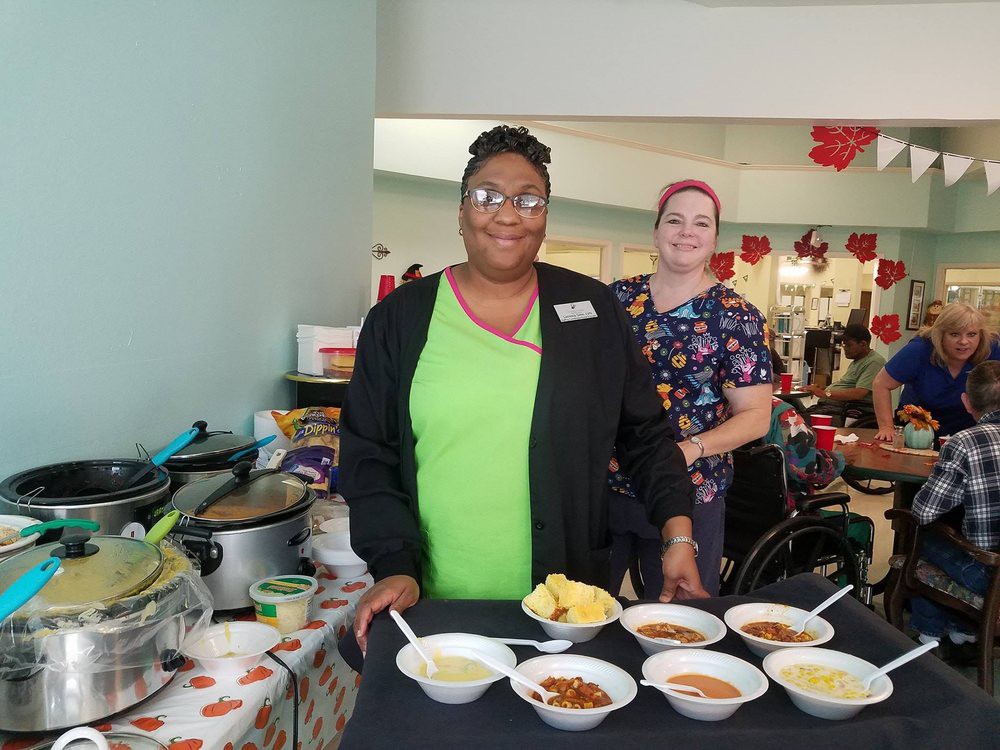
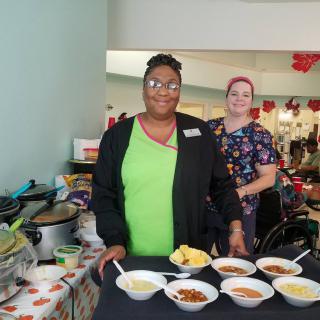
- The food is good.
Cons
 They provided poor care to the grandmother.
- They did not treat her properly.
- The reviewer described the facility as a horrible nursing home and hoped such incidents would not happen again.
- One nurse did not help the grandmother, another told her to use the toilet instead of a potty chair, the patient couldn't walk well, and the food was horrible.
- Trevor hung up on the caller, showing laziness, rudeness, and unprofessionalism.
Review
Colonial Pines Healthcare Center in San Augustine, TX is best suited for families that prioritize a dedicated memory-care environment with visible, proactive staff and a responsive administrative team. The facility’s memory-care hallway is repeatedly cited as a meaningful separation that reduces stress for residents and reassures families, alongside a culture of attentive nursing and aides. For those who want clear guidance through transitions, admissions, benefits, and billing, this community’s leadership is presented as accessible and supportive, reinforcing the sense that a smooth, informed process matters as much as the daily care.
Those who may want to explore alternatives are households where flawless, error-free daily care is non-negotiable, or where proximity to home is a critical factor. A few reviews flag inconsistent moments, care lapses, mixed messages from staff, and a discouraging instance of miscommunication during a call. Families facing severe situtations requiring intensive rehab follow-through or highly specialized medical oversight might find it prudent to compare with other facilities that promise more uniform daily routines or closer geographic convenience. In essence, a best-fit target here is memory-care-minded care with dependable administrative support, not a coronavirus-era cautionary tale translated into present-day complacency.
On balance, the strongest positives revolve around the human touch and the environment. The staff, nurses, aides, and memory-care specialists, are repeatedly described as caring, attentive, and capable, with families feeling informed and involved. Administration is praised for guiding families through the transition and for handling complex eligibility processes and billing in a straightforward way. The campus itself earns trust through cleanliness and a calm, welcoming atmosphere, which many residents and visitors find comforting. Even reviewers who were initially hesitant end up highlighting the peace of mind that comes from knowing a loved one is in a place that values dignity, compassion, and respectful interaction.
Nonetheless, the record does contain notable caveats. A few reviewers report real care failures that color the overall impression: at least one instance of inadequate assistance and conflicting directives about basic mobility aids, plus feedback about food quality not meeting expectations in a separate account. A memoral care patient’s family member recounts incomplete help in a specific moment, underscoring that even well-regarded facilities must maintain vigilance in everyday care delivery. Another negative datapoint centers on a caller experience, where a staff member’s curt response felt dismissive. While these incidents are not the majority, they signal that consistency and staffing reliability warrant careful inquiry before choosing Colonial Pines, especially for families whose loved ones require steady, predictable routines and responsive, low-friction communication.
Despite these concerns, the discernible pros do substantial work offsetting the main drawbacks for many families. The distinct separation of memory care from the rest of the facility, combined with staff attentiveness and transparent family communication, often yields a calmer, more predictable daily life for residents with memory challenges. The administrator’s willingness to assist with admissions, benefits, and ongoing paperwork reduces the burden on families during a stressful transition, and positive rehab and respite experiences demonstrate that the center can deliver meaningful, patient-centered care when needed. Cleanliness and a caregiver culture that values listening to families help sustain trust, particularly for those who must entrust someone with significant cognitive needs.
In practical terms, families evaluating Colonial Pines should plan a focused site visit with a list of questions that probe staffing patterns, caregiver-to-resident ratios on memory-care wings, and the consistency of daily routines. Request to meet the memory-care director and frontline supervisors to hear how they handle unusual days, emergencies, and family updates. Ask to see sample menus and to tour both the memory care area and general living spaces to observe how smiles, responsiveness, and environmental cues align with stated values. For those weighing distance, generate a clear cost-benefit analysis that weighs the emotional payoff of peace of mind against the logistics of a longer commute. If alternatives are being considered, compare them on similar dimensions: memory-care design, staffing stability, family communication, and aftercare or transition support. Ultimately, Colonial Pines offers a compelling package for memory-care-focused families who value attentive staff, administrative partnership, and a calm, clean setting, provided that concerns around consistency and occasional communication lapses are thoroughly addressed upfront.
 107 resident community capacity
 Skilled Nursing Facility
 Air-conditioning
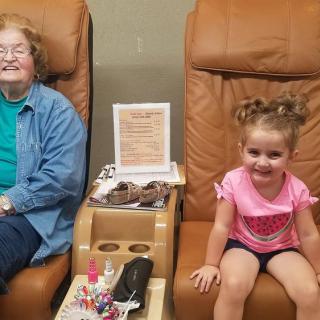
 Beauty salon
 Cable or satellite TV
 Computer center
 Dining room
 Fitness room
 Fully furnished
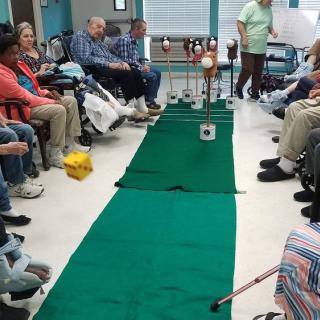
 Gaming room
 Garden
 Housekeeping services
 Kitchenette
 Move-in coordination
 Outdoor space
 Private bathrooms
 Restaurant-style dining
 Small library
 Telephone
 Wellness center
 Wi-Fi/high-speed internet available
 Community operated transportation
 12-16 hour nursing
 24-hour call system
 Activities of daily living assistance
 Assistance with bathing
 Assistance with dressing
 Assistance with transfers
 Diabetes diet
 Medication management
 Mental wellness program
 Special dietary restrictions
 Concierge services
 Planned day trips
 Weight Training for Seniors: Building Strength and Vitality
 Understanding the Sandwich Generation: Stress and Responsibilities for Multigenerational Caregivers
 8 Essential Assistive Devices for Older Adults