Residents and families frequently describe staff as attentive and professional.
Across many reviews, people emphasize that the staff is kind, attentive, and responsive to daily needs. Multiple reviewers also highlight communication and follow-through, including help from nursing and office leadership during admissions and discharge planning. A few negative reviews also mention breakdowns in care, including missed hygiene and medication concerns, which contrasts with the broader “on top of things” theme.
common
Clean, comfortable facility feel
Many reviews mention cleanliness and a comfortable environment.
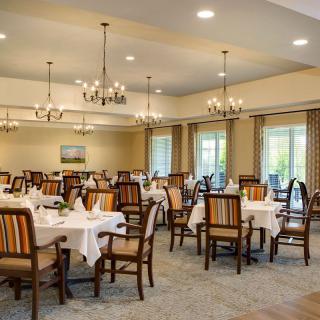
Several reviewers describe the facility as clean, including rooms and common areas, and some specifically comment on it smelling clean. Others call out a warm, home-like feel despite the building being described as older or small. In contrast, a smaller set of reviews raises cleanliness problems such as dirty floors or poor sanitation, which is the main caveat tied to this theme.
differentiator
Smaller building means more hands-on
Residents and families often link the smaller setup to more hands-on care.
A recurring point is that the facility is smaller than many others, and that this translates to more time and personal attention for patients. Some reviews also connect the smaller size with easier availability of staff and more direct support. Negative reviews do not dispute the size, but they focus on care failures rather than the facility being difficult to staff.
common
Activities and therapy keep days full
Reviews frequently mention activities and therapy as part of daily life.
Many reviewers describe structured engagement through activities (including bingo and other resident events) and ongoing rehabilitation therapies. Some families also note therapist availability and the role of therapy in progress after hospitalization or surgery. A few reviews criticize therapy outcomes or that therapy did not match expectations, which is the main downside mentioned alongside this theme.
caveat
Food quality is mixed
Dining gets both praise and complaints from reviewers.
Some reviews say the food is good and that meals are a positive part of the experience, while others describe food as average or institutional quality. There are also a few complaints that meals were insufficient, which aligns with concerns raised in those negative reviews. Overall, dining appears important to residents and families, but experiences vary.
caveat
Room size and hygiene are key risks
Some reviewers raise concerns about room setup and hygiene consistency.
A number of negative reviews focus on basic care gaps, including missed baths and hygiene lapses, along with concerns about communication with outside doctors. Other complaints mention very small shared rooms and difficulty with accessibility, plus issues like hot water availability during shower times. While many positive reviews describe cleanliness and attentive assistance, these negatives are specific enough that they stand out as recurring cautions.
How we summarize
We summarize when many written reviews mention each theme; a review can touch several themes, and only frequently mentioned themes are displayed.
Features
Types of Care
Skilled Nursing Facility
Nearby Places of Interest
This part of Rosenberg, Texas offers a variety of amenities for senior living. There are several cafes and restaurants within close proximity, providing plenty of dining options. Parks such as Sunset Park and George Park offer opportunities for outdoor activities and relaxation. For spiritual needs, there are several places of worship nearby. Additionally, pharmacies and physicians are readily accessible for healthcare needs, with hospitals like Oakbend Medical Center in the area for more serious medical concerns. The presence of theaters like Cinemark Rosenberg 12 provides entertainment options as well. Overall, this area combines convenience and comfort, making it a potentially desirable location for seniors looking to settle down.
Cafes
Starbucks (0.7 miles)
Starbucks (9.8 miles)
Starbucks (11.2 miles)
Restaurants
McDonald's (0.8 miles)
Waffle House (0.9 miles)
Taqueria Taco Palenque (1.1 miles)
Jessy's Ice House (1.5 miles)
Hartz Chicken Buffet (1.5 miles)
Buena Vista Mexican Restaurant & Cantina (1.6 miles)
Seniors benefit from ride-hailing services like Uber and Lyft, which provide convenient and accessible transportation options that promote independence and social engagement, while addressing mobility challenges. These platforms have adapted to meet senior needs with user-friendly features and safety measures, although costs can be a concern; community programs may help subsidize rides for older adults.
The guide outlines the eligibility criteria for home health care services, emphasizing clinical requirements, insurance options, and application processes. It distinguishes between Medicare's strict and Medicaid's flexible qualifications while addressing challenges families may face in securing necessary care at home.
Elder abuse affects many older adults worldwide and includes physical, emotional, neglectful, and financial harm, with about one in six individuals over 60 experiencing abuse annually. Prevention and intervention strategies focus on awareness, support for caregivers, and mandatory reporting, while recovery necessitates comprehensive support for both physical and emotional needs.
Get PricingAsk A QuestionSchedule A TourContact Senior Advisor
By clicking submit, you agree to our Partner's Terms of Use. You
also consent to receive calls and texts, which may be autodialed, from our Partner. Your consent is not a condition to
using our Partner's service. Please visit our Partner's Privacy Policy for information about their privacy practices.

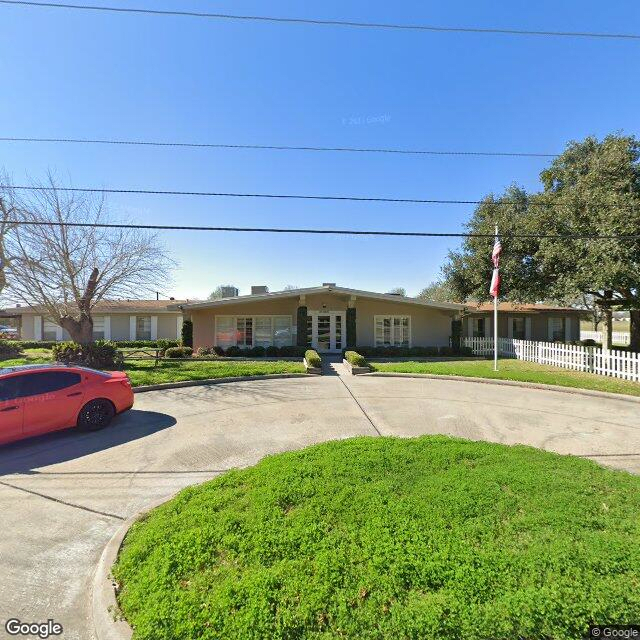
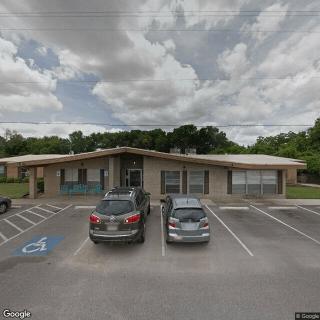
 Skilled Nursing Facility
 Caring staff in a warm, homelike setting with engaging activities.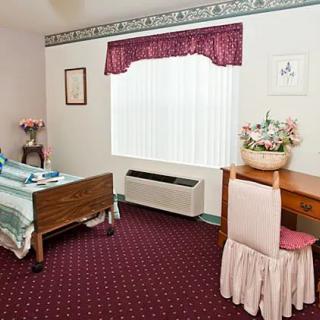





 Seniors and Modern Transportation: Exploring Uber, Lyft, and Other Ride-Hailing Options
 Comprehensive Guide to Qualifying for Home Health Care Services
 Powerful Realities of Elder Abuse and the Most Effective Ways to Report It