Legacy At Town Creek

Save

  • Interior

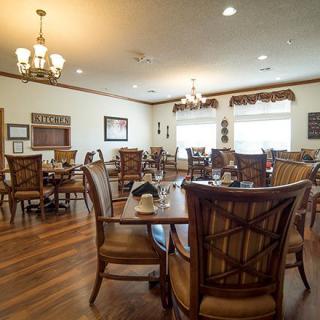
    A cozy living room with large windows, a wooden floor, and comfortable seating.
  • Living Room

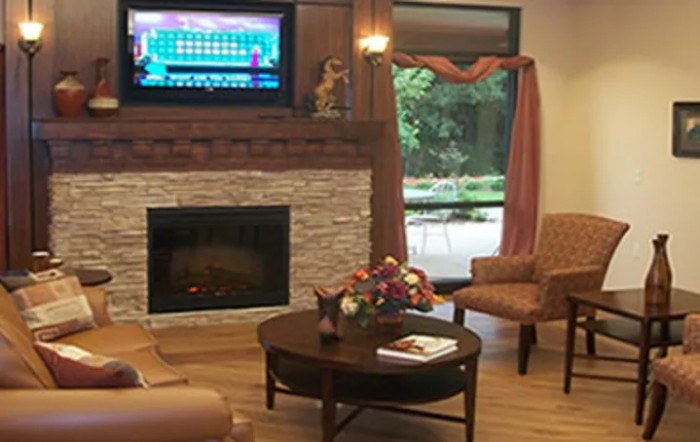
    A cozy living room featuring a fireplace, television, and comfortable seating arrangement.
  • Building

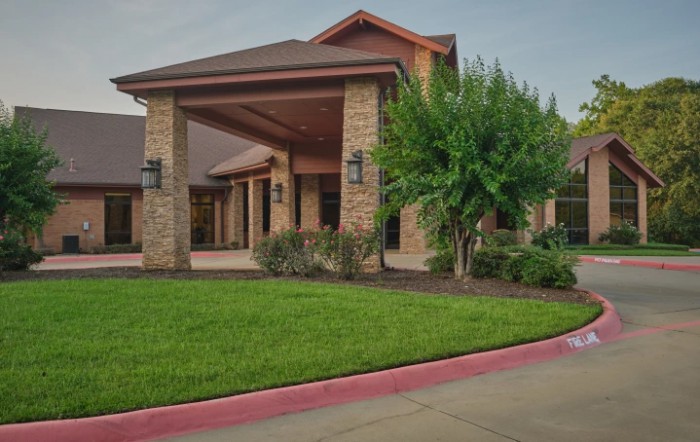
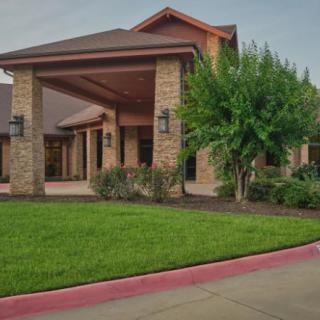
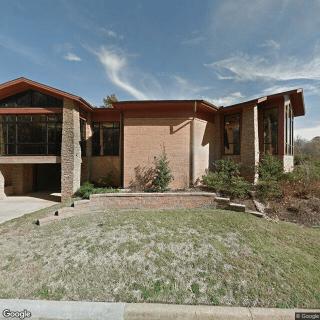
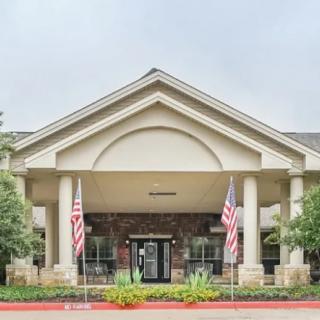
    A well-maintained building entrance with lush landscaping and a covered portal.
  • Dining

    A delicious meal featuring a plate of spaghetti with meat sauce, mixed vegetables, and a cupcake topped with whipped cream and an orange slice.
  • Landscaping

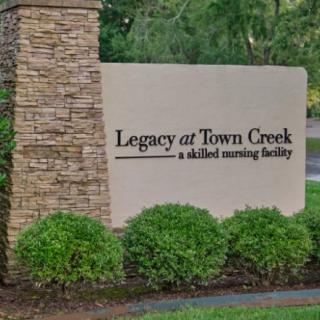
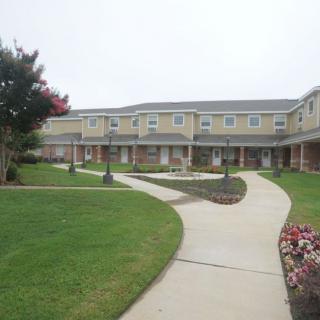
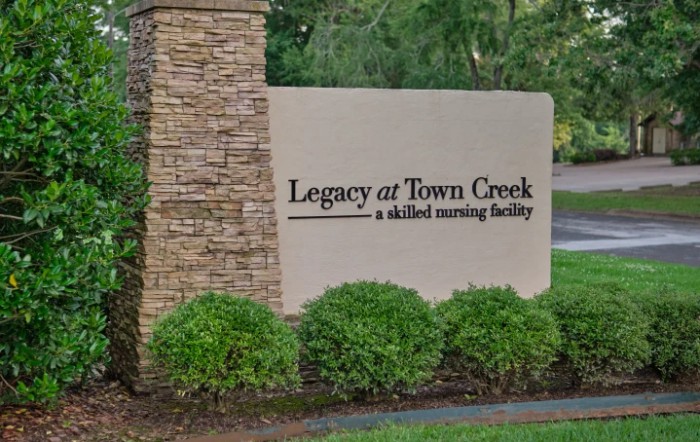
    Sign for Legacy at Town Creek, a skilled nursing facility, surrounded by greenery.
  • Seating Area

    A cozy indoor coffee shop with a small round table and chairs, featuring a beverage machine and cabinets.
  • Bookshelves

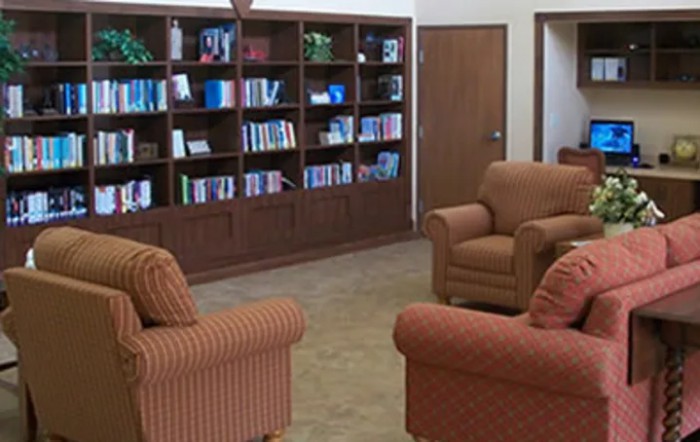
    A cozy reading area with bookshelves and comfortable armchairs.
  • Exercise Equipment

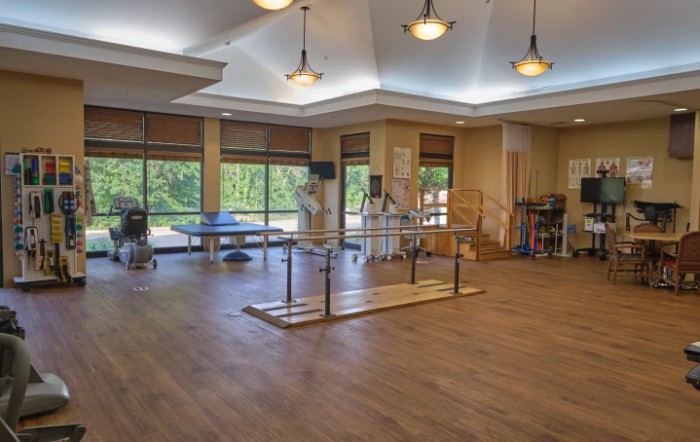
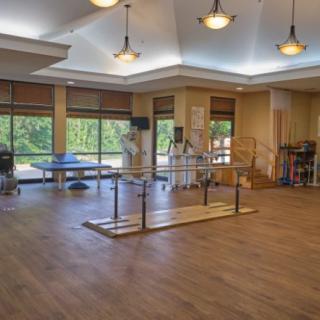
    A spacious physical therapy room equipped with parallel bars and exercise tables.
  • Wheelchair

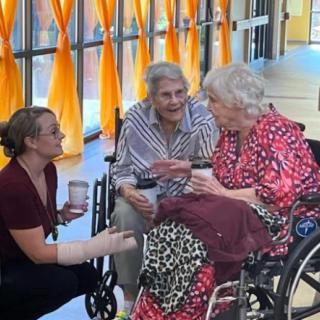
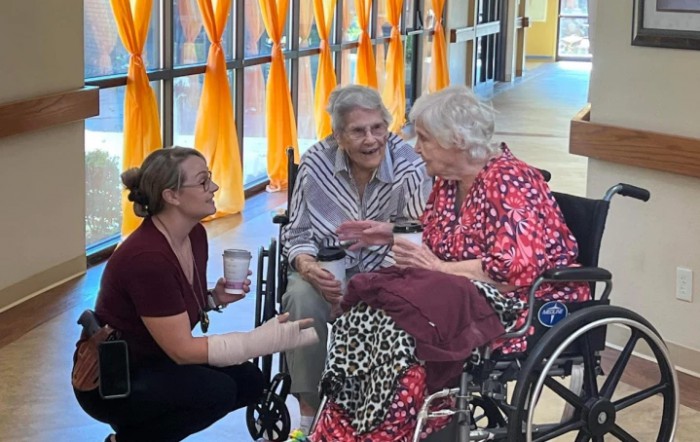
    Three women engage in a warm conversation, two seated in wheelchairs and one kneeling beside them, sharing a moment of companionship indoors.

Legacy At Town Creek

2212 West Reagan Street, Palestine, TX 75801

For more information about senior living options: (844) 490-3973

4.3 from 100 reviews
5 stars
70
4 stars
10
3 stars
6
2 stars
3
1 stars
11

Skilled Nursing Facility

What level of care are you interested in?

Assisted Living

Memory Care

Independent Living

Skilled Nursing Facility

Continuing Care Retirement Community (CCRC)CCRC

Other


Request a tour at Legacy At Town Creek

    Overall Review of Legacy At Town Creek

    Pros

    • pro The rehab facility is described as a great place for recovery, with private rooms, cleanliness, and high?quality care.
    • pro The staff are clean, caring, and attentive, offering nutritious meals and plenty of activities, and they listen to residents to facilitate change.
    • pro The care team is regarded as excellent.
    • pro They hosted a Christmas party and visitors enjoyed the visit.
    • pro The staff were wonderful with residents, including the reviewer's family.
    • pro The staff are friendly and polite, and the building is beautiful.
    • pro Ms. Princess and Ruth the nurse were delightful.
    • pro The staff are very helpful and responsive.
    • pro Check-in staff are friendly, and other staff on Elizabeth Lane are welcoming.
    • pro Chelsie Cagle provides excellent care and is compassionate, organized, warm, and welcoming; the facility is clean and staff are friendly and engaged.
    • pro The facility is clean, neat, and aesthetically pleasing in its decor.
    • pro The atmosphere includes a sense of love and community in gatherings.
    • pro The overall staff are helpful, cordial, warm, friendly, and hospitable.

    Cons

    • pro The kitchen is poorly managed and residents are fed inadequate meals, with complaints ignored.
    • pro A rehab patient felt forgotten, not fed, and had unresponsive call lights and undelivered medications.
    • pro A family reports multiple lapses in care: incorrect medication orders, missing wound care, and delayed nourishment.
    • pro This was described as outright neglect, with a recommendation not to use the facility.
    • pro Price increases were excessive, described as a racket.
    • pro The facility was perceived as disorganized, with administrative communication gaps.
    • pro Insect problems and pests (ants, wasps) were noted on the property and in rooms.
    • pro A resident was forced to eat in the dining room against her diet and did not receive promised dietary options.

    Review

    This collection of reviews paints a picture of a rehab and care facility that many families find to be a place with real strengths, but also a number of significant, recurring concerns. Across the comments, the setting is repeatedly described as clean, well-maintained, and staffed by courteous, caring people. Several reviewers emphasize private rooms, a tidy environment, and cheerful, welcoming atmospheres that feel respectful and dignified for residents. In particular, visitors frequently highlight dedicated nurses and aides who are willing to go the extra mile, as well as a facility that smells pleasant and looks well kept. The praise often centers on individual staff members who make a lasting positive impression when visiting a loved one.

    A second recurring theme is the quality and engagement of the staff. Reviews consistently laud a "great care team" and staff who are described as friendly, helpful, and genuinely invested in residents' well-being. Specific names surface repeatedly in the notes of appreciation: Chelsie Cagle, Ruth the nurse, Ms. Princess, and a nurse named Erica stand out as shining examples of compassionate, attentive care. Families express gratitude for nurses and check-in staff who are informative, organized, warm, and perceptive about how their loved ones are doing. In several accounts, the facility earns praise for not idling at the nurse's station and for maintaining a welcoming, respectful tone during visits. These positive mentions contribute to an overall sense that, when residents receive hands-on, thoughtful care, the experience remains deeply meaningful for families.

    Nutrition and meals emerge as a more complicated story. Some comments speak positively about nutritious meals and the ability of staff to accommodate dietary needs, suggesting that food service can be a strength when it runs smoothly. However, a substantial thread of reviews expresses frustration with the food program, describing a steady decline in quality over time. One particularly troubling account recounts a day when a resident was fed two sandwiches for lunch and dinner, with one sandwich consisting mainly of lettuce and a small amount of bread and tomato, after the resident's documented difficulty with chewing due to lack of teeth. Several reviewers also describe the kitchen staff having to be taught basics like toasting bread, indicating ongoing gaps in the standard of food preparation. The contrast between occasional praise and these repeated grievances suggests a persistent issue with consistency and responsiveness in the kitchen, even as other aspects of care remain commendable.

    Safety, responsiveness, and medical care are the most striking areas of concern for many reviewers. A subset of comments details troubling experiences that critics describe as neglect or unsafe conditions. Instances include call bells going unanswered for long periods, delays in basic care such as feeding or wound management, and reports of medication order errors or missing treatments. One review recounts a knee surgery patient whose wound care orders were missing or incorrect, with the bandaging left off and blood present on the leg, followed by delays in wound care and even a delay in addressing a bed-bound patient's needs. Another review describes a resident not receiving breakfast or adequate coffee, and a visitor who had to intervene to get care for a knee injury. There are also concerns about cleanliness in common areas and hallways, with mentions of loud medication and housekeeping activity in corridors and the need for more consistent infection control and housekeeping upkeep. In several cases, families note that speaking up did lead to improvements, which underscores the importance of advocacy and direct communication with staff and administration.

    Communication with administration and transparency about residents' needs appears as a mixed experience. Some reviewers report difficulty reaching administrative staff, disorganized processes, and unclear or inaccurate information about placement or care plans. A few accounts mention miscommunications that led to frustration, including a feeling that important information was not carefully reviewed or that voicemail systems were not set up as claimed. Others praise administrative staff for responsiveness when concerns were raised, and a number of visitors acknowledge back-and-forth dialogues that eventually addressed their concerns. The overall sentiment suggests that while some families encounter responsive leadership, others encounter barriers to efficient, clear communication, which can heighten stress during already challenging times.

    Cost and value considerations also surface in the feedback. One reviewer characterizes the facility as too expensive, noting a substantial monthly rate increase and labeling the situation as a "racket." This viewpoint highlights the tension between the high expectations many families have for quality care and the financial burden that can accompany long-term rehabilitation or nursing care. It adds a layer of practical concern to the emotional and logistical challenges families already navigate when contemplating care for a loved one. Despite these financial remarks, several posts also emphasize that the value can be found in the compassionate interactions, clean facilities, and positive moments when staff go above and beyond.

    In the more positive moments, the reviews celebrate heartfelt experiences and community events that give residents and their families reasons to smile. Several posts mention holiday gatherings, visits that left participants with good memories, and a sense of camaraderie among residents, families, and staff. Comments about the physical environment - well-maintained interiors, pleasant d?cor, and safe, navigable spaces - contribute to a sense of comfort and stability for many who spend time there. The sentiment that the facility can be a place of dignity, warmth, and connection - especially when personal interactions with nurses and aides are strong - recurs throughout the remarks.

    Taken together, the impressions are deeply nuanced. The facility appears to offer several notable strengths: a clean, well-kept environment; private rooms and pleasant facilities; and a dedicated, compassionate staff in many cases who treat residents with respect and attentiveness. Yet there are persistent, overlapping concerns about food quality and preparation, safety and timely care, consistent medical management, and the clarity and reliability of administrative communication. The most constructive way forward seems to involve ongoing attention to food service standards, robust and reliable care protocols (especially around wound care, medications, and call-light response times), stronger infection control and housekeeping practices, and clear, proactive engagement with families about care plans and placement decisions. For families considering this facility, there is much to value in the human touch and the environment, but also a clear imperative to seek assurances and regular updates on nutrition, safety, and administrative communication to ensure that both the residents and their families feel confident and supported.

    Features

    Housing

    • 160 resident community capacity 160 resident community capacity

    Types of Care

    • Skilled Nursing Facility Skilled Nursing FacilitySkilled Nursing Facilities are crucial for seniors as they provide round-the-clock medical care, rehabilitation services, and assistance with daily activities. These facilities ensure that seniors receive the specialized care they need to maintain their health and well-being as they age.

    Amenities

    • Air-conditioning Air-conditioningAir conditioning is important for seniors as they are more vulnerable to heat-related illnesses and may have underlying health conditions that make it difficult for them to regulate their body temperature. It helps to keep them comfortable, safe, and healthy in hot weather.
    • Beauty salon Beauty salonBeauty salons are important for seniors because they provide a space for them to feel pampered, socialize, and maintain their personal grooming and hygiene. Regular visits to a beauty salon can help boost seniors' self-esteem and overall well-being.
    • Cable or satellite TV Cable or satellite TVCable or satellite TV is important for seniors because it provides entertainment, news, and companionship, helping to combat loneliness and boredom. It also offers a wide range of programming options tailored to different interests and preferences.
    • Computer center Computer centerA computer center is essential for seniors as it provides access to technology, communication tools, and resources that can enhance their daily lives. It allows them to stay connected with loved ones, engage in online activities, and learn new skills, ultimately promoting socialization and mental stimulation.
    • Dining room Dining roomDining rooms are important for seniors as they provide a space for socialization, connection, and nutritious meals. They offer opportunities for residents to bond over shared meals, foster a sense of community, and promote healthy eating habits. Dining rooms also ensure that seniors have access to well-balanced meals tailored to their dietary needs and preferences.
    • Fitness room Fitness roomHaving a fitness room in a senior living community is essential for seniors to stay active, maintain their physical health, and improve their overall well-being. Regular exercise can help prevent falls, reduce the risk of chronic diseases, and promote mental sharpness. It also provides social opportunities for residents to connect with others and enjoy a sense of community.
    • Fully furnished Fully furnishedFully furnished senior living communities are important for seniors because they provide convenience, comfort, and a hassle-free moving experience. Seniors can easily settle into their new living space without the stress of having to buy and move furniture. This allows them to focus on enjoying their new home and community.
    • Gaming room Gaming roomGaming rooms are important for seniors as they provide a fun and engaging environment for socializing, cognitive stimulation, and physical activity. Games can improve memory, problem-solving skills, and overall mental well-being while fostering friendships and reducing feelings of isolation.
    • Garden GardenGardens are important for seniors as they provide a peaceful and therapeutic environment for relaxation, physical activity, and socialization. Being in nature has been shown to reduce stress, improve mood, and promote overall well-being. Gardens also offer opportunities for seniors to engage in gardening activities, which can improve mobility, flexibility, and cognitive function. Additionally, gardens create a sense of community and connection with others who share a passion for plants and outdoor spaces.
    • Housekeeping services Housekeeping servicesHousekeeping services are important for seniors because they help maintain a clean and safe living environment, promote independence, and reduce the risk of accidents or illnesses. Additionally, having assistance with household chores can alleviate physical strain and allow seniors to focus on other aspects of their well-being.
    • Kitchenette KitchenetteKitchenettes are important for seniors living in senior living communities because they provide the convenience and independence of being able to prepare simple meals and snacks in the comfort of their own living space. This can help promote a sense of autonomy and well-being for seniors, allowing them to maintain some level of control over their dietary choices and daily routines.
    • Move-in coordination Move-in coordinationMove-in coordination is important for seniors because it helps ease the transition into their new living environment. It ensures that all logistics, such as packing, organizing movers, and setting up utilities are taken care of, allowing seniors to focus on settling in and adjusting to their new home. Having a smooth move-in process can alleviate stress and anxiety, making the transition smoother and more enjoyable for seniors.
    • Outdoor space Outdoor spaceOutdoor spaces are important for seniors as they provide opportunities for physical activity, social interaction, exposure to natural light and fresh air, and a sense of connection to nature. Having access to outdoor spaces can improve overall well-being and quality of life for older adults living in senior communities.
    • Private bathrooms Private bathroomsPrivate bathrooms are important for seniors in senior living communities because they provide independence, dignity, and comfort. Having a private bathroom allows seniors to maintain their personal hygiene routines without the need for assistance, promoting a sense of autonomy and privacy. Additionally, private bathrooms help prevent the spread of infections and provide a safe and clean environment for seniors to navigate safely.
    • Restaurant-style dining Restaurant-style diningRestaurant-style dining is important for seniors because it allows them to enjoy delicious, nutritious meals in a social and upscale setting. This enhances their dining experience, promotes healthy eating habits, and fosters socialization with fellow residents, ultimately contributing to their overall well-being and quality of life.
    • Small library Small librarySmall libraries are important for seniors as they provide access to a variety of reading materials, including books, newspapers, and magazines. This can help stimulate their minds, keep them engaged, and provide a sense of community through book clubs and other social activities. Additionally, reading has been shown to improve cognitive function and overall mental well-being in older adults.
    • Telephone TelephoneTelephones are important for seniors as they provide a lifeline for communication with loved ones, emergency services, and healthcare providers. They offer a sense of security and independence, enabling seniors to stay connected and access assistance when needed.
    • Wellness center Wellness centerWellness centers are important for seniors because they offer a variety of programs and services that promote physical, mental, and emotional well-being. These centers provide opportunities for exercise, socialization, education, and relaxation, helping seniors maintain their overall health and quality of life.
    • Wi-Fi/high-speed internet available Wi-Fi/high-speed internet availableWi-Fi/high-speed internet is important for seniors to stay connected with loved ones, access online resources, and participate in virtual activities to combat feelings of loneliness and isolation. It also allows them to easily manage healthcare needs, access entertainment, and engage in lifelong learning opportunities.

    Transportation

    • Community operated transportation Community operated transportationCommunity operated transportation is crucial for seniors as it provides them with the means to access essential services, social activities, and medical appointments. It allows seniors to maintain their independence and quality of life by ensuring they can participate in activities outside of their homes. Additionally, community-operated transportation services offer a safe and reliable way for seniors to travel without having to rely on family or friends for assistance.
    • Transportation arrangement Transportation arrangementTransportation arrangements are crucial for seniors as they may face challenges with driving, mobility, or access to public transportation. Having reliable transportation services ensures that seniors can easily attend appointments, social activities, and maintain their independence and quality of life.
    • Transportation arrangement (non-medical) Transportation arrangement (non-medical)Transportation arrangements are essential for seniors as they provide access to essential services, activities, and social interactions outside the home. This service helps maintain independence, mobility, and overall well-being for seniors who may have limited transportation options.
    • Transportation to doctors appointments Transportation to doctors appointmentsTransportation to doctors appointments is crucial for seniors as it ensures they have access to necessary medical care and support, promoting their health and well-being. It allows them to receive timely treatment, monitor existing conditions, and address any new health concerns efficiently. Additionally, transportation services can help seniors maintain their independence and quality of life by enabling them to stay connected with their healthcare providers.

    Care Services

    • 12-16 hour nursing 12-16 hour nursing12-16 hour nursing care is crucial for seniors in order to ensure around-the-clock monitoring, timely medication administration, and prompt response to any health concerns or emergencies. This level of care helps to promote the overall well-being and safety of seniors living in senior living communities.
    • 24-hour call system 24-hour call system24-hour call systems are important for seniors because they provide peace of mind and immediate assistance in case of emergencies. This technology ensures that help is always available, promoting safety and security for elderly individuals living alone or in assisted living facilities.
    • 24-hour supervision 24-hour supervision24-hour supervision is important for seniors to ensure their safety, well-being, and access to immediate assistance in case of emergencies or health issues. This constant support provides peace of mind for both seniors and their loved ones, allowing them to age in place with dignity and security.
    • Activities of daily living assistance Activities of daily living assistanceActivities of daily living assistance are important for seniors because they provide essential support with tasks such as eating, bathing, dressing, and mobility. This assistance helps seniors maintain their independence, dignity, and overall quality of life as they age.
    • Assistance with bathing Assistance with bathingAssistance with bathing is crucial for seniors as it helps maintain personal hygiene, prevents infections, and ensures their overall well-being and comfort. It also provides a sense of dignity and independence for seniors who may struggle with this task on their own.
    • Assistance with dressing Assistance with dressingAssistance with dressing is important for seniors because it helps maintain their independence, promotes personal hygiene, prevents accidents and injuries, and improves overall quality of life. This service ensures that seniors can continue to dress comfortably and confidently, despite any physical limitations they may have.
    • Assistance with transfers Assistance with transfersAssistance with transfers is crucial for seniors as it helps prevent falls and injuries, maintains their independence, and ensures they can safely navigate their living environment. It also provides peace of mind for both seniors and their loved ones.
    • Diabetes diet Diabetes dietA diabetes diet is crucial for seniors as it helps manage blood sugar levels, reduce risks of complications, and improve overall health and well-being. By following a balanced and nutritious diet tailored to their specific needs, seniors can better control their diabetes and enhance their quality of life.
    • Meal preparation and service Meal preparation and serviceMeal preparation and service are crucial for seniors as they may have limited mobility or energy to cook nutritious meals. Having access to healthy and convenient food options can ensure they are getting the proper nutrition needed to maintain their overall health and well-being.
    • Medication management Medication managementMedication management is crucial for seniors to ensure they are taking the right medications at the correct dosages and times. This helps prevent adverse drug interactions, reduces the risk of medication errors, and promotes overall health and well-being. Proactive management also allows for adjustments as needed based on changing health conditions or new prescriptions.
    • Mental wellness program Mental wellness programMental wellness programs are essential for seniors as they promote cognitive stimulation, emotional support, and social engagement. These programs help prevent isolation, depression, and cognitive decline, ultimately enhancing the overall quality of life for older adults.
    • Special dietary restrictions Special dietary restrictionsSpecial dietary restrictions are important for seniors because age-related changes in metabolism and health conditions can make it difficult for their bodies to process certain foods. By following a diet tailored to their specific needs, seniors can maintain their overall health and well-being, manage chronic conditions, and reduce the risk of complications such as malnutrition or food interactions with medications.

    Dining

    • Diabetes diet Diabetes dietA diabetes diet is crucial for seniors as it helps manage blood sugar levels, reduce risks of complications, and improve overall health and well-being. By following a balanced and nutritious diet tailored to their specific needs, seniors can better control their diabetes and enhance their quality of life.
    • Special dietary restrictions Special dietary restrictionsSpecial dietary restrictions are important for seniors because age-related changes in metabolism and health conditions can make it difficult for their bodies to process certain foods. By following a diet tailored to their specific needs, seniors can maintain their overall health and well-being, manage chronic conditions, and reduce the risk of complications such as malnutrition or food interactions with medications.

    Activities

    • Community-sponsored activities Community-sponsored activitiesCommunity-sponsored activities are important for seniors as they provide opportunities for social interaction, mental stimulation, and physical activity. These activities can help improve overall well-being, combat loneliness and isolation, and promote a sense of belonging and purpose among older adults.
    • Concierge services Concierge servicesConcierge services are essential for seniors as they provide assistance with daily tasks and errands, enhance their quality of life by offering convenience and personalized care, and promote a sense of safety and security.
    • Fitness programs Fitness programsFitness programs are crucial for seniors as they help improve strength, flexibility, balance, and overall well-being. Staying active can reduce the risk of chronic diseases, improve mental health, and enhance quality of life in older adults.
    • Planned day trips Planned day tripsPlanned day trips are important for seniors because they offer opportunities for socialization, mental stimulation, and physical activity. They provide a change of scenery and help seniors stay engaged and connected to their community, promoting overall well-being and quality of life.
    • Resident-run activities Resident-run activitiesResident-run activities are important for seniors as they encourage social interaction, creativity, and a sense of autonomy. These activities empower seniors to stay engaged and active in their community while fostering meaningful connections with their peers.
    • Scheduled daily activities Scheduled daily activitiesScheduled daily activities are important for seniors because they provide structure, socialization, mental stimulation, and physical activity. Engaging in regular activities can improve overall well-being and quality of life for seniors living in a community setting.

    Description

    Legacy At Town Creek in Palestine, TX is an exceptional assisted living community that offers a wide range of amenities and care services to ensure the comfort and well-being of its residents.

    The community boasts a variety of amenities including a beauty salon, cable or satellite TV, a computer center, and a gaming room. Residents can also enjoy the beautiful outdoor space and gardens, perfect for relaxation and socializing. The dining room provides restaurant-style dining with delicious meals prepared by the staff. There is also a small library where residents can indulge in their love for reading.

    Care services at Legacy At Town Creek are top-notch, with 24-hour supervision and assistance available for activities of daily living such as bathing and dressing. The staff also provides medication management and special dietary restrictions to accommodate individual needs. Additionally, there is a mental wellness program in place to support the emotional well-being of residents.

    Residents have access to various activities designed to engage and entertain them. The community offers fitness programs, planned day trips, and resident-run activities to promote an active lifestyle. Scheduled daily activities ensure that there is always something exciting happening for everyone to participate in.

    Legacy At Town Creek is conveniently located near essential amenities such as cafes, parks, pharmacies, physicians' offices, restaurants, transportation options, places of worship, and hospitals. This ensures that residents have easy access to necessary services outside the community.

    With its comprehensive amenities, excellent care services,and convenient location near various amenities, Legacy At Town Creek is the ideal choice for seniors looking for an enriching assisted living experience in Palestine,TX.

    Videos

    Nearby Places of Interest

    Hospitals

    • East Texas Family Medicine Pa - Martin Klein MD (0.1 miles)
    • Palestine Regional EMS (0.4 miles)
    • East Texas Physicians Alliance PA (0.5 miles)
    • Palestine Regional Rehabilitation Hospital (1.4 miles)
    • Memorial Mother Francis Hospital (1.4 miles)
    • Palestine Dialysis Center (1.6 miles)
    • Wound Care Center (2.4 miles)

    Physicians

    • East Texas Family Medicine, PA (0.1 miles)
    • Tyler Cardiovascular Consultants PA (0.2 miles)
    • Brown Wayne L DO (0.5 miles)
    • Jerry Newton, MD (0.7 miles)
    • Willow Creek Surgery Center (0.8 miles)
    • Texas Oncology-Palestine Cancer Center (0.9 miles)
    • Texas Oncology (0.9 miles)

    Restaurants

    • Little Mexico (0.4 miles)
    • Village Seafood (0.6 miles)
    • KFC (0.6 miles)
    • Taco Casa (0.6 miles)
    • Jocelyn's Donuts (0.7 miles)
    • Wing Street (0.8 miles)
    • Taqueria San Luis (1.3 miles)

    Transportation

    • U-Haul Neighborhood Dealer (0.4 miles)
    • U-Haul (0.5 miles)
    • Taxi Palestine (1.5 miles)
    • U-Haul Neighborhood Dealer (2.2 miles)

    Pharmacies

    • Bratton's Pharmacy (0.5 miles)
    • Hometown Pharmacy (1.5 miles)
    • Kroger Pharmacy (1.7 miles)
    • Walmart Pharmacy (1.9 miles)
    • Walgreens (2.1 miles)
    • Brookshire's Pharmacy (2.2 miles)
    • CVS Pharmacy (2.3 miles)

    Places of Worship

    • Salt Works Rd Church of Christ (0.7 miles)
    • Pilgrim Rest Baptist Church (0.7 miles)
    • Palestine Seventh-Day Adventist Company (1 miles)
    • Faith Tabernacle Ministries (1 miles)
    • Court Drive Church Of Christ (1 miles)
    • Palestine Full Gospel Church (1.1 miles)
    • First United Methodist Church (1.4 miles)

    Parks

    • Veterans Memorial Park (1.3 miles)
    • Palestine Parks & Recreation (2 miles)

    Cafes

    • Cream and Coffee at Wells Creek (1.7 miles)
    • Crepes and Coffee (2.3 miles)

    Frequently Asked Questions

    Where is Legacy At Town Creek?
    What photos are available for Legacy At Town Creek in Palestine, Texas?

    Nearby Communities

    Related Resources

    • does medicare cover home health careNavigating Medicare Coverage for In-Home Care Services

      Medicare covers in-home health care services, which are medical and provided by licensed professionals under a physician's supervision, whereas non-medical personal assistance is generally not covered unless part of a broader skilled care plan. Eligibility for benefits depends on being homebound and needing intermittent skilled services from a Medicare-certified agency, with specific coverage limitations and additional resources available for navigating options.

    • how much does private home care cost per hourIn-Home Care Costs in 2025: A Detailed State-by-State Exploration

      In-home care is increasingly sought after by older adults for maintaining independence, with average private home care rates in 2025 varying by state and service type, reflecting geographical and local labor market influences. As demand rises, families are considering funding options like Medicaid waivers and long-term care insurance to manage costs effectively while ensuring quality care.

    • what is home health careUnderstanding Home Health Care: A Comprehensive Guide
      Home health care has become essential for supporting independence among the aging population, offering diverse services such as skilled nursing and rehabilitation in familiar environments, while also incorporating technology for personalized care. Despite its benefits, including improved recovery rates and emotional well-being, challenges like safety, staff availability, and insurance navigation must be managed for effective implementation.


    Get Pricing Ask A Question Schedule A Tour Contact Senior Advisor