
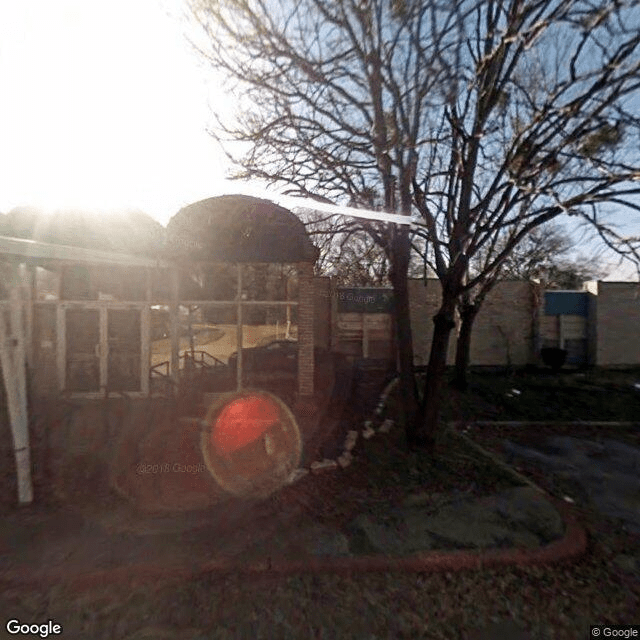
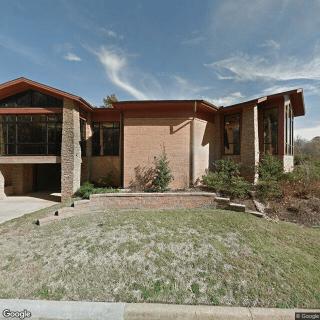
505 S Sylvan Ave, Palestine, TX 75801
To contact a resident: (903) 729-1412
For more information about senior living options: (866) 208-4318
Overall Review of Quality Care & Rehabilitation
Pros
 The nurses are very nice.
- The True Care staff was absolutely a God send.
- The staff were very good to the mother.
- The staff let the family stay with the mother as long as they wanted.
- The care the mother received while living there was great.
- The staff were very caring to residents.
- The place is the very best for those needing help with a loved one.
Cons
 The nurse director is rude.
- They would not recommend the facility.
- No attention was given to Mike’s water for a week.
- There was no attention given to either cup.
- The large cup was not a good choice for most residents.
- The care center was closed to the public.
- The facility smelled like old people.
Review
Quality Care & Rehabilitation in Palestine, TX is best suited for families confronting dementia or advanced elderly care needs who want genuinely caring staff and a setting that accommodates hands-on family involvement. The most persuasive strengths lie in the way caregivers respond to residents with Alzheimer’s and related conditions, and in the ability of the facility to support families during difficult moments. Several residents benefited from attentive, compassionate treatment, and families note that staff members were a “God send” for a loved one and that care extended to meaningful gestures, such as allowing relatives to stay with a resident during end-of-life moments. For families prioritizing warmth, personalized attention, and a home-like atmosphere, this community stands out as a trustworthy option.
But certain realities warrant careful consideration. Prospective residents should be aware that not all reviews align on every interaction, and administrative conduct can color the overall experience. One review flags a nurse director as blunt or rude, signaling that leadership demeanor may affect day-to-day morale and responsiveness. Hydration and basic care logistics also surface as a concern in at least one account: inconsistent attention to a resident’s water intake, paired with hall-specific staffing misalignment, left a family member feeling neglected at times. A separate observation , a sensory downside described as a smell in the facility , underscores potential issues with environment maintenance. Combined, these factors suggest that while care quality can be strong, operational consistency and facility upkeep require a closer look.
The core strengths, compassionate nursing, patient recognition of Alzheimer’s needs, and a culture that honors family presence, offer clear counterweights to the drawbacks. Staff kindness translates into tangible benefits for residents with memory impairment, including attentive routines, reassurance during changes in condition, and the practical support families value when stepping in for caregiving. The ability to stay with a loved one after death speaks volumes about the facility’s respect for families and the dignity afforded at life’s end. When care teams align on communicating with families and prioritizing residents’ comfort, the positives markedly offset concerns about occasional miscommunication or lapses in routine.
Another meaningful advantage is demonstrated generosity toward family involvement. Accounts describe caregivers who welcome family presence and foster a sense of partnership in ongoing care planning. This openness can significantly reduce caregiver stress and improve transitions between in-house care and home settings, which matters deeply for those navigating dementia trajectories. The willingness of staff to coordinate with families, whether for transport, routine updates, or help with daily routines, emerges as a practical differentiator. In environments where trust between families and staff is cultivated, even imperfect logistics can be managed with frank communication and proactive problem-solving.
To make the most informed decision, families should verify several practical details before committing. Tour the facility with specific questions about hydration protocols and how staff monitor fluid intake across shifts and halls. Observe the odor and overall cleanliness, kitchen and dining areas, and how meals are served, because sensory comfort matters as much as clinical care. Ask to meet the leadership team, especially the nurse director, to gauge accessibility, responsiveness, and willingness to address concerns in real time. Inquire about visitor policies, room layout, and private spaces for family interactions, ensuring that the environment supports both resident comfort and family involvement without undue restrictions.
Ultimately, this community presents a clear value for families seeking dementia-focused care delivered with genuine compassion and a family-first orientation. It excels when staff establish trusting relationships, provide patient-centered attention, and allow ongoing family participation in care decisions. It is less ideal for those who require impeccable, universal adherence to hydration protocols across all halls, or for families who place a premium on a consistently neutral administrative tone and a uniformly odor-controlled environment. For those with these heightened expectations, exploring alternatives that emphasize tighter staffing patterns, stricter operational protocols, and a more consistently controlled environment may be warranted. The choice should hinge on whether the balance of heartfelt care and family access aligns with the specific needs and expectations of the resident and their loved ones.
 Skilled Nursing Facility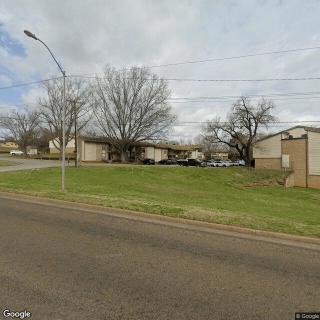

 Understanding Home Health Care: A Comprehensive Guide
 Home Health Care Demystified: A Comprehensive Guide for Families and Caregivers
 Seniors and Modern Transportation: Exploring Uber, Lyft, and Other Ride-Hailing Options