
2000 North Main, Midland, TX 79705
For more information about senior living options: (866) 208-4318
Rockwood Manor Costs & Pricing
At Rockwood Manor, the monthly costs for accommodations reflect a premium experience in comparison to both Midland County and the broader Texas state averages. The price for a semi-private room at Rockwood Manor is set at $5,405, which significantly surpasses the county's average of $3,904 and the state's average of $3,680. For those seeking more privacy, a private room at Rockwood Manor is priced at $6,950 - again well above the local rate of $4,623 and the state benchmark of $4,096. These figures suggest that while Rockwood Manor may command higher fees than its regional counterparts, they likely offer enhanced amenities and personalized care that justify this difference in cost.
| Floor plans | Rockwood Manor | Midland County | Texas |
|---|---|---|---|
| Semi-Private | $5,405 | $3,904 | $3,680 |
| Private | $6,950 | $4,623 | $4,096 |
Overall Review of Rockwood Manor
Cons
 The facility is infested with roaches and rats, and the management shows a clear lack of care for its elderly residents.
- The nursing staff is not reliable or of good quality.
- A nurse allegedly told a resident to stop ringing the desk to avoid waking others.
- The rooms lack individual air conditioning or heating, and the windows leak cold air in winter.
- Reporting issues to management or the state reportedly results in dismissal, and good nurses are fired.
- Former employees claim the facility changed its name to "Rock."
- The staff are described as flirting while neglecting patients, with management ignoring concerns.
- A relative on life support suffered due to improper care and lack of cleaning.
- The reviewer would not recommend this facility and would like it shut down.
- It is portrayed as a terrible facility with terrible staff.
Review
Rockwood Manor in Midland, Texas is best suited for families facing few viable options and prepared to assume substantial oversight duties, tolerating serious care gaps in exchange for a lower price. It is not a fit for seniors who depend on reliable medical attention, clean living conditions, or consistent staffing. The decision here hinges on accepting frequent turnover, visible sanitation concerns, and a management approach that resists escalation of problems. In practical terms, this community works only for families willing to monitor daily operations closely, intervene quickly, and weigh safety risks against cost.
Those who should look elsewhere are families prioritizing safety, infection control, or respectful, dependable caregiving. If a loved one requires timely assistance, reliable wound and septic care, or a clean, well-maintained environment, this facility raises too many red flags. Alternatives should include facilities with robust staffing, transparent management, and proven track records in inspections and patient outcomes. When feasible, home health or assisted living in a different building often offers greater accountability and fewer alarming conditions.
On balance, any marginal advantages are not enough to offset the dominant concerns. Occasional mentions of a “good nurse” exist, but turnover and firing patterns undermine continuity of care and trust. Infestations and ongoing sanitation issues, coupled with rooms lacking climate control and windows that leak cold air, create a basic environment antithetical to comfort and recovery. The reported pressure to avoid reporting problems and the perceived retaliation for voicing concerns erode safety culture. In such a setting, the positives become statistical noise beside the immediate threats to wellbeing.
For families evaluating this community, a disciplined on-site assessment is essential. Before deciding, demand recent state survey results and the facility’s response plan for citations. Observe how quickly staff acknowledge calls for help, and whether personnel appear stretched or distracted. Inspect rooms for temperature control, cleanliness, and the functionality of heating and cooling. Speak with current residents and family members about consistency of care and any patterns of staff turnover. Request documentation of infection control practices, cleaning schedules, and maintenance logs. If anything feels informal, disorganized, or punitive toward whistleblowers, that is a clear red flag.
Financial and risk realities must be weighed carefully. A low price tag cannot compensate for repeated health and safety incidents. If family involvement is constant, quantify the time and emotional toll; if not, the risk increases dramatically. Consider consulting a senior-care attorney or ombudsman to review contracts, transfer arrangements, and any potential liability. Proactively prepare for escalation to regulatory bodies if conditions persist, and document every incident to build a clear record. Given the severity of concerns reported, there is a real need to act quickly if choosing to stay.
Bottom line: Rockwood Manor is a last-resort option rather than a first choice. It may be the only viable option for a family with no alternatives and a willingness to supervise relentlessly, but for most seniors the calculus points strongly toward seeking other providers or in-home care. If the decision is made to pursue care here, establish strict expectations, insist on immediate remediation plans, and maintain vigilant oversight to catch problems early. The priority remains safety, cleanliness, and dependable caregiving, standards this community struggles to meet.
 112 resident community capacity
 Skilled Nursing Facility
 Air-conditioning
 Beauty salon
 Cable or satellite TV
 Computer center
 Dining room
 Fitness room
 Fully furnished
 Gaming room
 Garden
 Housekeeping services
 Kitchenette
 Move-in coordination
 Outdoor space
 Private bathrooms
 Restaurant-style dining
 Small library
 Telephone
 Wellness center
 Wi-Fi/high-speed internet available
 Midland International (9 miles away)
 Community operated transportation
 12-16 hour nursing
 24-hour call system
 Activities of daily living assistance
 Assistance with bathing
 Assistance with dressing
 Assistance with transfers
 Diabetes diet
 Medication management
 Mental wellness program
 Special dietary restrictions
 Concierge services
 Planned day trips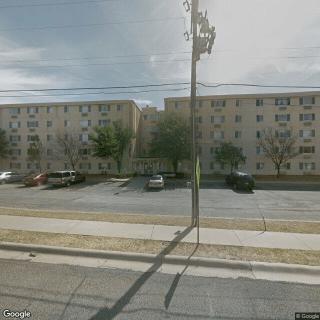
 Diabetic care and engaging on-site activities in a supportive assisted living setting.




 In-Home Care Costs in 2025: A Detailed State-by-State Exploration
 Understanding Home Health Care: A Comprehensive Guide
 Home Health Care Demystified: A Comprehensive Guide for Families and Caregivers