
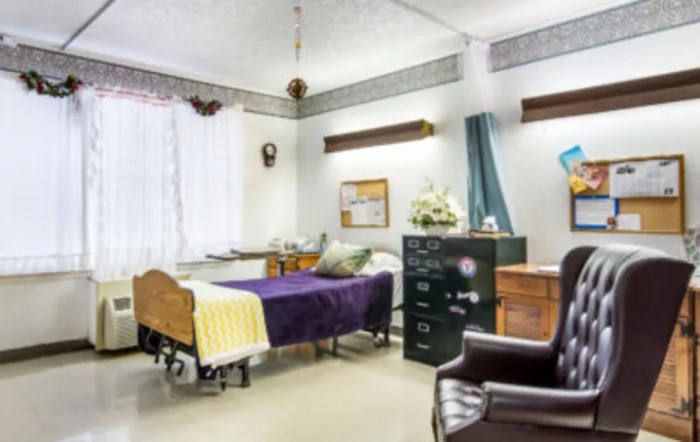
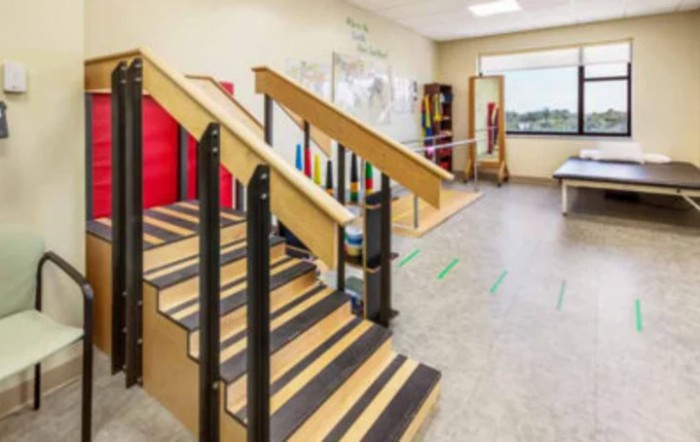
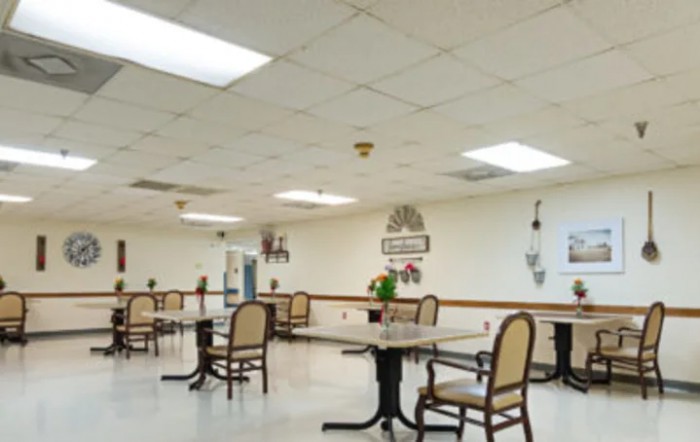
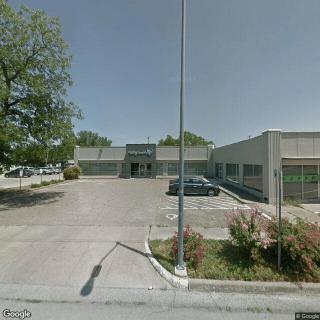
318 Chambers Street, Marlin, TX 76661
For more information about senior living options: (866) 208-4318
Golden Years Nursing And Rehabilitation Center Costs & Pricing
Golden Years Nursing and Rehabilitation Center offers competitive pricing for its services, with private room accommodations priced at $3,245 per month. This rate aligns with the average monthly cost in Falls County, which is also $3,245. Notably, this figure is significantly more affordable than the statewide average for Texas, where private room costs can reach approximately $4,096 per month. By maintaining a price point consistent with local rates while being lower than the broader state averages, Golden Years provides both accessibility and quality care for its residents in a comfortable environment.
| Floor plans | Golden Years Nursing And Rehabilitation Center | Falls County | Texas |
|---|---|---|---|
| Private | $3,245 | $3,245 | $4,096 |
Skilled Nursing Facilities with a similar price nearby
-
from -$579 / mo
Providence Village
$2,666 to $4,138 / month22.8 miles away
Overall Review of Golden Years Nursing And Rehabilitation Center
Pros
 The staff at Golden Years Nursing and Rehab are friendly and caring.
- Management is great.
- Wonderful care, even during a city water crisis.
- Therapists are dedicated to helping patients recover.
- Therapy services are amazing, and the aides and most nurses are terrific.
- The staff truly cares about residents and makes them feel at home.
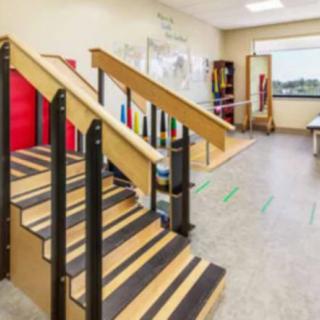
- The physical therapy department is wonderful and helps residents become more mobile.
- Golden Years is a great place to go for rehab.
Cons
 It is highly unusual for every door in the facility to be locked, restricting families from entering or exiting as needed.
- Visitors are routinely monitored by surveillance cameras for extended periods before anyone responds to grant entry, creating an unwelcoming atmosphere.
- There are widespread claims of mistreatment of residents, with many not being treated with dignity and respect.
- The assistant Director of Nursing is consistently rude and unprofessional in interactions with residents and family members.
- There is a push for accountability, with concerns to be escalated to regulators and actions including possible license revocation if warranted.
- The environment is described as dead and low-energy, with extreme rudeness toward residents.
- The administrator is blamed for the absence of a DON in the building, accused of smiling to faces while lying behind their backs.
Review
Golden Years Nursing and Rehabilitation Center in Marlin, TX appears best suited for short-term rehabilitation patients who prioritize a strong, hands-on therapy team and generally warm, attentive staff, even when leadership or facility culture feels uneven. The reviews consistently flag therapy as a major strength, with therapists described as dedicated, skilled, and effective at restoring function. Families seeking concrete progress toward mobility and independence will find that aspect compelling. However, this is counterbalanced by concerns about leadership demeanor and the overall atmosphere, which can feel tense or unwelcoming at times. For families that expect a consistently courteous climate, transparent communication, and unimpeded family access, alternatives should be considered.
Pros that hold significant weight include the rehab program itself and the people delivering it. Several reviewers highlight therapy departments that are “absolutely wonderful,” with individuals like Gayle or Gail singled out for their effort and impact. The consistency and earnestness of aides, nurses, and house staff are repeatedly praised, producing tangible improvements in patient function and a faster return home. In addition, the facility earns kudos for its care quality during recovery, with multiple reposts of positive, respectful treatment and a sense of being treated with kindness. Food quality, often a make-or-break for post-acute stays, is described as notably better than hospital fare, contributing to a more tolerable experience during rehabilitation. The net effect is a credible, results-oriented rehab environment supported by pragmatic, frontline care.
Yet the drawbacks raised by several reviews are nontrivial and must be weighed heavily. The most troubling observations involve access control and the surrounding atmosphere. Reports of nearly every door being locked, and visitors routinely monitored by cameras before entry is granted, create a barrier between families and loved ones that feels hostile and opaque. Such restrictions undermine trust and can amplify anxiety for families who depend on timely, open communication about a resident’s status. Compounding this are accounts of mistreatment or disrespect toward residents, which strike at the core of what families expect from any care setting. The tone of interactions, particularly involving the assistant Director of Nursing, is described as rude or unprofessional by some, eroding confidence in daily care and in the facility’s governance. When leadership behavior is perceived as disingenuous or defensive, it calls into question every compassionate moment witnessed on the patient floor.
These tensions between durable rehabilitative strengths and fragile administrative culture create a challenging balance. The positive indicators, therapists who are skilled and invested, caregivers who are consistently described as caring and efficient, and a level of clinical competence that helps residents regain function, do offset some risk, but not all. For families prioritizing outcomes and practical recovery, Golden Years can deliver meaningful progress with minimal friction when the care team operates smoothly. However, the episodes and patterns cited around accessibility, documentation, and staff diplomacy are not easily dismissed; they can undermine daily routines, impede timely updates, and erode the sense of safety that families require to feel comfortable.
To move forward with confidence, families should enter conversations with a clear checklist. First, verify visitation policies and insist on predictable, reasonable access to loved ones, with a documented process for admissions, discharges, and daily updates. Second, request direct opportunities to meet with both therapy leadership and the administrator, and ask for specific examples of how resident dignity is upheld in routine interactions. Third, observe the care environment during a routine shift to gauge whether the atmosphere feels welcoming, whether residents are addressed respectfully, and whether staff respond promptly to requests. Fourth, seek out independent feedback on the alleged “no DON in the building” concern and inquire about the facility’s formal complaint and escalation channels, including how investigations are conducted and how results are communicated. Finally, review plans for ongoing quality improvement, training, supervision, and accountability measures that demonstrate a commitment to consistent, professional conduct at all levels.
The bottom line is practical and precise. Golden Years offers a robust rehab-centric track record with dedicated therapy teams and generally favorable daily care, which is a strong draw for short-term recovery and functional gains. That strength, however, is tempered by serious concerns about leadership demeanor, open accessibility, and a climate that some families perceive as unwelcoming or punitive. For families whose top priority is tangible rehabilitation outcomes and a compassionate, hands-on therapy staff, this community can deliver solid results. For those who cannot tolerate potential lapses in respectful treatment, restricted access, or a leadership tone that undermines trust, it is prudent to explore alternatives that place greater emphasis on transparent governance and an consistently hospitable environment. In the decision calculus, Golden Years makes sense as a rehab-forward choice, provided due diligence confirms that the care team and administration are aligned in delivering both excellent therapy and trustworthy, dignified daily care.
 94 resident community capacity
 Skilled Nursing Facility
 Air-conditioning
 Beauty salon
 Cable or satellite TV
 Computer center
 Dining room
 Fitness room
 Fully furnished
 Gaming room
 Garden
 Housekeeping services
 Kitchenette
 Move-in coordination
 Outdoor space
 Private bathrooms
 Restaurant-style dining
 Small library
 Telephone
 Wellness center
 Wi-Fi/high-speed internet available
 Community operated transportation
 12-16 hour nursing
 24-hour call system
 Activities of daily living assistance
 Assistance with bathing
 Assistance with dressing
 Assistance with transfers
 Diabetes diet
 Medication management
 Mental wellness program
 Special dietary restrictions
 Concierge services
 Planned day trips






 Fecal Incontinence in Older Adults: A Comprehensive Guide
 Recognizing the Journey: Understanding and Navigating Anticipatory Grief
 Encouraging Participation in Adult Day Care: A Guide to Supporting a Hesitant Parent