

6016 West Lake Creek Road, Riesel, TX 76682
For more information about senior living options: (866) 208-4318
Crystal Manor Assisted Living Costs & Pricing
Crystal Manor Assisted Living offers competitive pricing for its accommodations when compared to both McLennan County and the broader Texas market. For instance, a semi-private room at Crystal Manor is priced at $2,500 per month, significantly lower than the county's average of $4,099 and the state average of $3,680. Similarly, the cost for a private room at Crystal Manor is set at $3,500, which remains more affordable than the county's rate of $4,254 and the state's average of $4,096. This positioning not only underscores Crystal Manor's commitment to providing accessible care but also highlights its value within the local assisted living landscape.
| Floor plans | Crystal Manor Assisted Living | McLennan County | Texas |
|---|---|---|---|
| Semi-Private | $2,500 | $4,099 | $3,680 |
| Private | $3,500 | $4,254 | $4,096 |
Assisted Living communities with a similar price nearby
-
from +$383 / mo

The Delaney at Lake Waco
$2,883 to $5,350 / month12.9 miles away -
from +$166 / mo
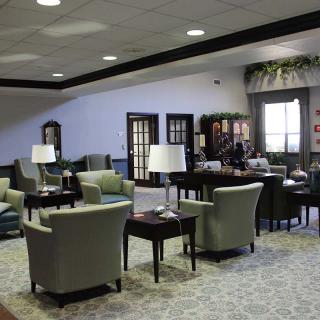
Providence Village
$2,666 to $4,138 / month11.6 miles away -
from -$310 / mo
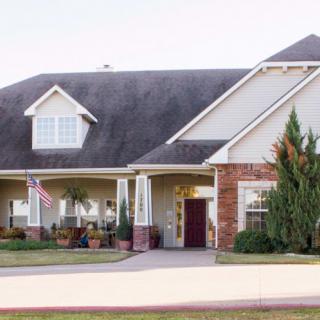
Brookdale Lakeshore
$2,190 to $4,130 / month12.8 miles away -
from -$200 / mo

Connie's Assisted Living Home of Ben Hur
$2,300 / month15.9 miles away
Overall Review of Crystal Manor Assisted Living
Pros
 They loved the guineas and the view of the pasture.
- There was room for a garden and animals.
Cons
 It was somewhat crowded, had a dark feeling, and a cluttered kitchen.
- There was no privacy, with limited parking and outdoor seating space.
- There was no signage.
- It was not what they were looking for.
Review
Crystal Manor Assisted Living in Riesel is best suited for residents who prize a rural, nature-forward setting and a straightforward, homelike atmosphere. The property’s strongest appeal lies in outdoor space, gardening opportunities and even small animals, and in pastoral views that can steady nerves and evoke a sense of place. This is not a glossy, hospital-like campus; it is a compact, country property where daily life may be shaped by guineas, horses, and pasture rather than sweeping modern amenities. Families considering this community should recognize that it works best when privacy and sophisticated interior design are not top criteria, and when the priority is a slower, outdoors-connected lifestyle rather than a bustling urban feel.
From a functional standpoint, the current layout and condition present meaningful drawbacks. The space feels somewhat crowded, with a dark ambience that can undermine comfort during long afternoons or evenings. Kitchen clutter signals a lived-in, homey environment but also signals maintenance concerns and potential safety issues. Privacy is limited, and parking along with outdoor seating options are tight, making arrivals, visits, and outdoor time more cumbersome. The absence of clear signage can create navigation headaches for new residents and guests, diminishing safety and independence for those who rely on self-direction.
Yet the pastoral setup has tangible, value-add elements. Room for a garden and the possibility of small animals appeals to residents who value purposeful activity, sensory engagement, and exposure to a rural atmosphere. The presence of guineas and pasture views hints at a slower pace, where residents can observe wildlife and enjoy open skies when weather permits. For residents with moderate care needs who still want regular outdoor time, these features can enrich daily routines, contribute to mood stability, and provide meaningful talking points for family visits.
How the positives stack up against the negatives comes down to personal priorities. If outdoor time, garden activity, and a rustic ambience trump interior polish, Crystal Manor can be a good fit, especially for those who do not require intensive privacy or room-to-room seclusion. The pastoral charm competes with the crowded, dark common areas; it may still deliver a sense of home, but will not satisfy those seeking quiet, well-lit spaces, and clearly defined private zones. Limited parking and outdoor seating also limit opportunities for social visits, impromptu family gatherings, and strolls, factors that often drive satisfaction in assisted living.
For families weighing options, alternatives should be considered for residents who put privacy, bright interiors, ample social gathering spaces, and straightforward navigation at the top of the list. Look for facilities with larger campuses, clearer wayfinding signage, more robust parking, and dedicated common areas that invite intimate conversations and group activities. If exploring similar rural settings, verify whether there are enhanced outdoor amenities, better natural lighting, and a schedule that minimizes crowding in shared spaces to ensure a smoother daily rhythm.
Bottom line: Crystal Manor offers a rustic, nature-connected option that can support daily living for a specific subset of residents, those who welcome garden time, animal companionship, and a pastoral backdrop over modern polish. It is not the choice for families prioritizing privacy, contemporary interiors, and ample private outdoor seating. Prospective residents should schedule a guided visit to assess room sizes, outdoor access, parking, and how staff manage common-area congestion. If these align with the resident’s preferences and care needs, Crystal Manor can be a comforting home; if not, alternatives in the region are likely to deliver a sharper fit for privacy, light, and social space.
 16 resident community capacity
 Assisted Living
 Board and Care Home
 Activities off-site
 Bath tubs
 Cable or satellite TV
 Devotional services off-site
 Dining room
 Fully furnished
 Garden
 Housekeeping services
 Indoor common areas
 Move-in coordination
 Outdoor common areas
 Private
 Telephone
 Wi-Fi/high-speed internet available
 Waco Regional (16 miles away)
 24-hour supervision
 Ambulatory care
 Assistance with bathing
 Assistance with dressing
 Assistance with transfers
 Diabetes diet
 Diabetic care
 Incontinence care
 Meal preparation and service
 Medication management
 Special dietary restrictions
 Transportation arrangement (medical)
 Transportation to doctors appointments


 Comprehensive Residential Support and Assisted Living Solutions for Individuals with Disabilities
 Comprehensive Supportive Living Arrangements for Adults with Disabilities
 Funding and Affording Assisted Living: A Thorough Overview