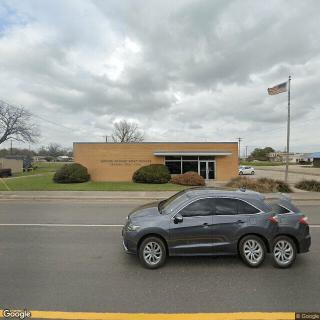
211 North Main, Bremond, TX 76629
For more information about senior living options: (866) 208-4318
Overall Review of Bremond Nursing And Rehabilitation Center
Pros
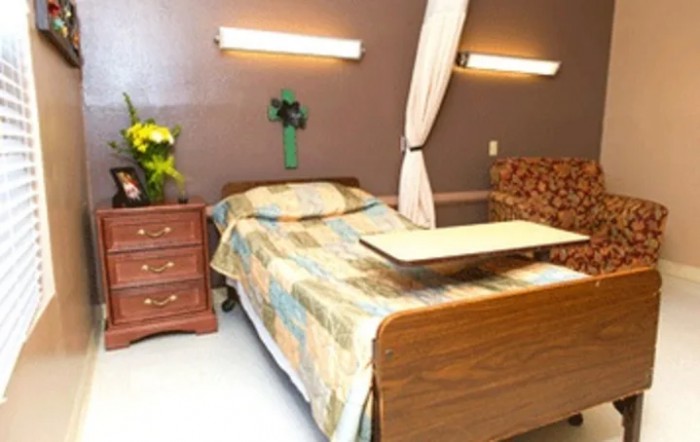
 The facility has the most caring staff and a very clean environment.
- The food is very good, and the kitchen staff are always willing to substitute.
- The staff ensure residents have good meals each day and can provide meals in rooms upon request.
- The small size of the home allows more one-on-one interactions with patients.
- The activity director is very caring, and residents enjoy bingo, music activities, and other events.
- The center offers engaging features such as a resident dog, birds, and fish, contributing to a lively atmosphere.
- The care quality and attention to patients set Bremond apart from other places.
Cons
 The facility is very old.
- They didn't have very good coffee.
Review
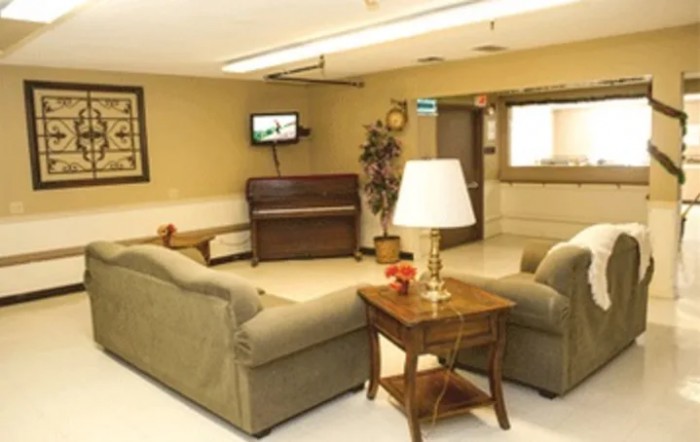
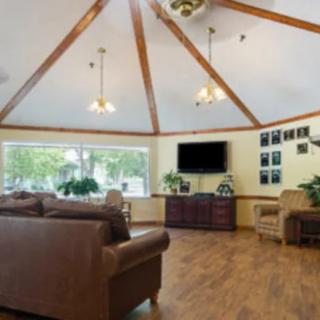
Bremond Nursing and Rehabilitation Center is best suited for families seeking a small, community-focused option in a rural setting where personal attention from staff and consistently good meals matter more than campus size or grand amenities. This is a place where residents appear to receive very hands-on care, with a responsive kitchen team that can substitute dishes and a caregiving crew that prioritizes daily comfort. The environment is described as clean and homey, with a kitchen-driven culture that keeps meals at the center of daily life. For families evaluating rehab or long-term care in a modest footprint, Bremond offers a compelling balance of warmth, practicality, and cost.
Those who may want to consider alternatives are the families confronting heavier medical complexity, the need for a larger, more modern facility, or specialized memory or rehabilitative programs that require expansive campuses. The building itself is noted as old, which can translate into fewer contemporary design features or newer technology. If a modern aesthetic, extensive on-site medical resources, or high-capacity programming is non-negotiable, Bremond’s smaller, country-area profile may feel limiting. In short, for care intensity beyond routine nursing and rehab, exploring other options is prudent.
The front-rank advantages revolve around staff engagement, cleanliness, and real meals that confer daily reassurance. Reviews highlight a notably caring staff, where workers are attentive and approachable, and where the kitchen staff treat meals as a service to residents, often substituting dishes to accommodate preferences. The cleanliness is repeatedly emphasized, reinforcing a reliable sense of sanitary care. The dining experience extends beyond the plate, with the option for meals in the resident’s room and a culture of one-on-one attention from those preparing and serving food. These factors transform everyday care into a predictable, dignified routine, which can be decisive for families prioritizing comfort and stability.
Activity programming and personal connections round out the practical strengths. An active director who genuinely cares helps sustain a rhythm of engagement, bingo, music, and a lively calendar of happenings, along with companionship opportunities from a resident dog, birds, and fish. Such elements cultivate social wellness and a sense of belonging that often translate into better overall satisfaction for long-term residents. Coupled with affordability relative to neighboring facilities, Bremond becomes a sensible pick for families who value consistency, routine, and a home-like atmosphere more than orchestration of high-end amenities.
The main trade-off to weigh is the age and scale of the facility against its heartfelt care. An older building may lack some modern conveniences, and the absence of lavish features could matter to families who equate newer surroundings with enhanced safety or comfort. Yet the strength of Bremond lies in the people and the daily lived experience, the way meals are tailored, how care plans are implemented with visible attentiveness, and how meaningful activity can be. For many residents, those factors offset the physical datedness by delivering a reliable, affectionate environment that keeps everyday life predictable and meaningful.
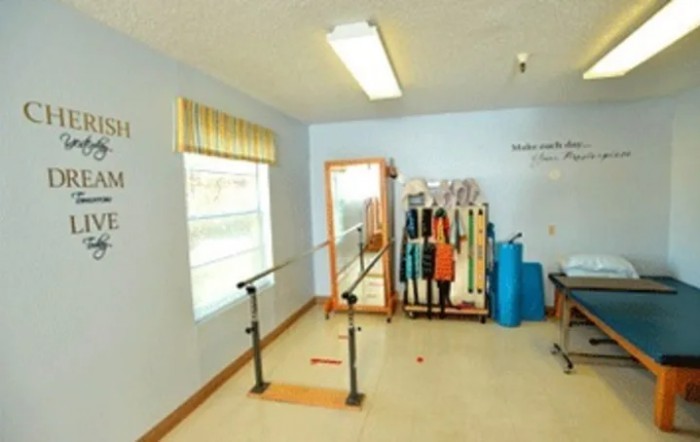
In making a decision, families should press for specifics that match practical needs: speak with the activity director about schedules and potential for specialized programming, sample a meal, and ask about dining flexibility and substitutions. Assess staffing responsiveness during visits, request a tour of resident rooms and the kitchen, and inquire about how rehab services are coordinated, including timelines and discharge planning. If cost is a critical driver, request a transparent breakdown and compare it against similarly sized rural facilities that offer comparable care. Bremond stands out for people who prize care, cleanliness, and a genuine sense of community over the polish of a newer campus. For those prioritizing cutting-edge facilities or high-acuity medical support, alternatives deserve serious consideration.
 37 resident community capacity
 Skilled Nursing Facility
 Beauty salon
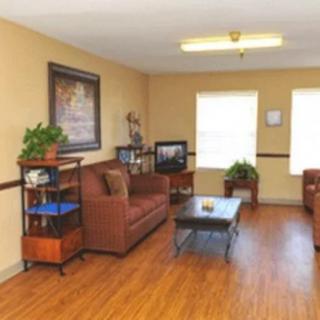
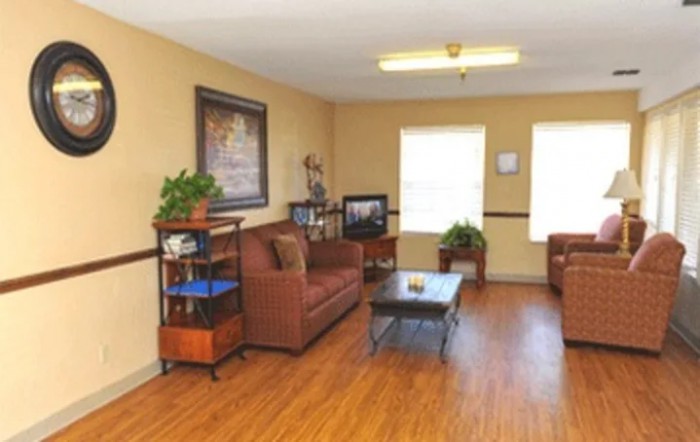
 Cable or satellite TV
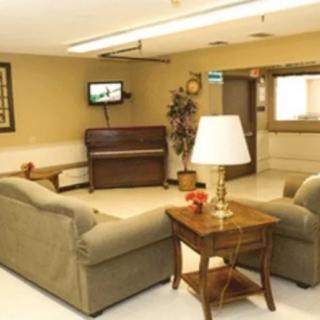
 Dining room
 Fully furnished
 Garden
 Housekeeping services
 Kitchenette
 Move-in coordination
 Outdoor space
 Restaurant-style dining
 Small library
 Telephone
 Wi-Fi/high-speed internet available
 24-hour call system
 Activities of daily living assistance
 Assistance with bathing
 Assistance with dressing
 Assistance with transfers
 Diabetes diet
 Medication management
 Mental wellness program
 Special dietary restrictions


 Ten Vital Duties of a Senior Caregiver: A Comprehensive Guide
 9 Stimulating Memory Activities for Seniors: Puzzles, Cards, and Much More
 Managing Nursing Home Expenses After Medicare Coverage Ends