For more information about senior living options: (866) 208-4318
4.2 from 70 reviews
5 stars
51
4 stars
4
3 stars
2
2 stars
2
1 stars
11
Overall Review of Colonial Nursing & Rehabilitation Center
differentiator24 reviews mention this
Nursing support is responsive
Residents and families describe attentive nursing communication and quick follow-through.
A recurring theme is that nursing staff stay engaged with residents and keep families informed about changes and concerns. Multiple reviewers also point to named nursing leadership as someone they could reach when issues came up. The community also offers medication management and assistance with daily living, which lines up with the kinds of care families describe needing day to day.
common29 reviews mention this
Staff friendliness and professionalism
Reviewers consistently describe staff as kind, professional, and easy to work with.
Across reviews, families repeatedly say staff are welcoming, respectful, and motivated to help. Several also mention smooth admissions and someone available to coordinate next steps when they were trying to place a loved one. Even where people note problems, many still single out particular employees and departments for respectful treatment.
common12 reviews mention this
Therapy and rehab feel strong
Physical therapy and rehab get frequent praise for being skilled and engaging.
Many reviewers describe rehab as a standout part of the stay, especially physical therapy. Several families say therapy helped residents make progress with walking and overall recovery, and they credit therapists by name. A few reviewers contrast this with weaker experiences in other areas, but therapy itself is repeatedly mentioned positively.
common7 reviews mention this
Activity programming keeps residents engaged
Families like that residents have an active schedule and things to do.
Reviews frequently mention planned daily activities, resident-run options, and day trips that help residents stay busy. Some reviewers say their loved ones seemed happier or more motivated because of the activity mix. The community also lists multiple wellness and fitness offerings, which supports the idea that days are structured rather than passive.
caveat6 reviews mention this
Understaffing and slow response
Some reviewers say they experienced delays getting help or calls answered.
While many families praise staff responsiveness, several reviewers report difficulty reaching someone by phone after hours or on weekends. There are also complaints about understaffing and delays for aides to respond to call buttons. One reviewer says concerns were not always handled promptly, even though others describe the opposite experience.
caveat7 reviews mention this
Cleanliness concerns appear in some reviews
Some reviews mention unpleasant odors and problems with day-to-day cleanliness.
A subset of reviewers describe strong negative experiences related to smells in the hallways and bathrooms that stayed unclean. Others specifically say they never noticed bad odors and that rooms stayed clean, so impressions vary by stay. When issues came up, it was usually tied to cleanliness rather than the overall care approach.
common1 reviews mention this
Nearby care and services are close
Medical and pharmacy options are nearby.
Reviewers donā€™t emphasize location in the same way as staffing and care, but the area around the community includes nearby dental and clinic offices as well as pharmacy stops. That can make routine appointments and prescriptions easier to handle while a loved one is receiving skilled nursing care.
How we summarize
Counts show how many written reviews mention each theme; a review can touch several themes, and only frequently mentioned themes are displayed.
Features
Housing
66 resident community capacity
Types of Care
Skilled Nursing Facility
Amenities
Air-conditioning
Beauty salon
Cable or satellite TV
Computer center
Dining room
Fitness room
Fully furnished
Gaming room
Garden
Housekeeping services
Kitchenette
Move-in coordination
Outdoor space
Private bathrooms
Restaurant-style dining
Small library
Telephone
Wellness center
Wi-Fi/high-speed internet available
Transportation
Tyler Pounds (11 miles away)
Community operated transportation
Transportation arrangement
Transportation arrangement (non-medical)
Transportation to doctors appointments
Care Services
12-16 hour nursing
24-hour call system
24-hour supervision
Activities of daily living assistance
Assistance with bathing
Assistance with dressing
Assistance with transfers
Diabetes diet
Meal preparation and service
Medication management
Mental wellness program
Special dietary restrictions
Dining
Diabetes diet
Special dietary restrictions
Activities
Community-sponsored activities
Concierge services
Fitness programs
Planned day trips
Resident-run activities
Scheduled daily activities
Nearby Places of Interest
Physicians
The Center for Implant & General Dentistry (0.2 miles)
Lindale Medical Clinic (0.5 miles)
East Texas Hearing Solutions (0.8 miles)
Etmc Frist Physicians (1.9 miles)
Etmc First Physicians (2 miles)
James Durrett MD (2 miles)
Etmc First Physicians (3.9 miles)
Pharmacies
CORNER Drug (0.3 miles)
CVS Pharmacy (0.3 miles)
Brookshire's Pharmacy (0.3 miles)
Eagle Pharmacy (0.6 miles)
Hawkins Pharmacy (10.1 miles)
Woody Weaver Pharmacy (10.6 miles)
Omnicare (11.2 miles)
Cafes
The Deli and Bakery (0.5 miles)
Starbucks (3.2 miles)
Anchorage Cafe at Mercy Ships (7.3 miles)
Distant Lands Coffee (10.9 miles)
Starbucks (11.4 miles)
The Works Caffeine Window (11.5 miles)
Brewhaha's Coffee Shop (11.6 miles)
Places of Worship
Walnut Springs Baptist Church (1.1 miles)
Grace Community Church (1.6 miles)
Fellowship of Prairie Creek (1.9 miles)
Belize Outreach (2.3 miles)
Tyler Metro Church (6 miles)
Duck Creek Baptist Church (7.4 miles)
Southern Baptist Convention (7.6 miles)
Restaurants
Lindale Donuts (1.8 miles)
Cinco De Mayo (2.2 miles)
Domino's Pizza (2.3 miles)
Posados Cafe (2.6 miles)
Sonic Drive-In (2.7 miles)
Pizza Hut (2.8 miles)
Taco Bell (2.9 miles)
Transportation
U-Haul Neighborhood Dealer (3.7 miles)
Mineola Train Station (11.5 miles)
Amtrak MIN (11.5 miles)
Parks
Old Sabine Bottom Wildlife Management Area (6.8 miles)
Tyler State Park (7.3 miles)
Mineola Nature Preserve (11.6 miles)
Hospitals
West Tyler Dialysis Center (11.6 miles)
Renal Care Group Of Mineola (12.3 miles)
University Of Texas Health Science Center At Tyler (12.5 miles)
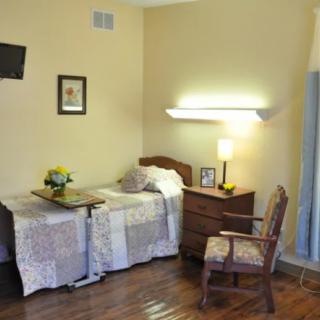
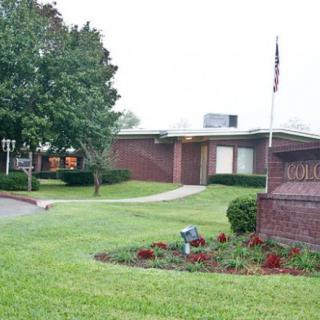
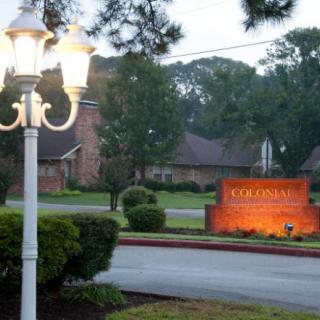
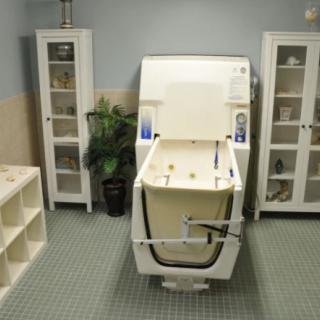
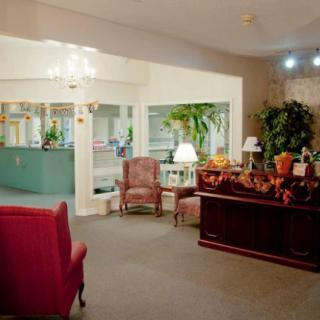
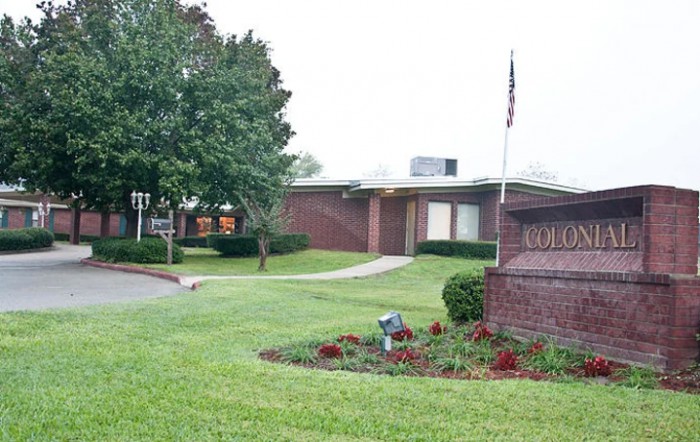
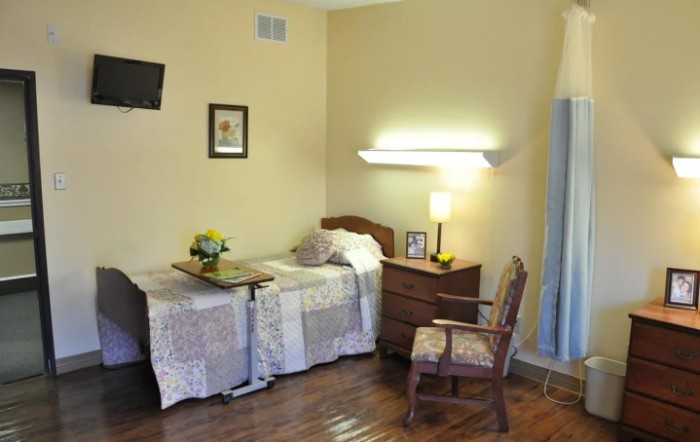
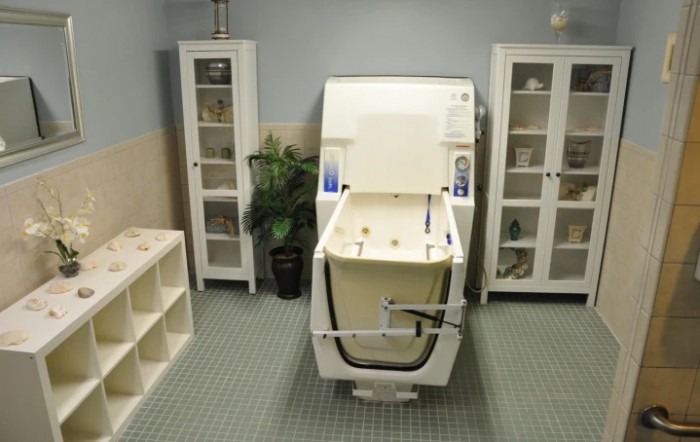
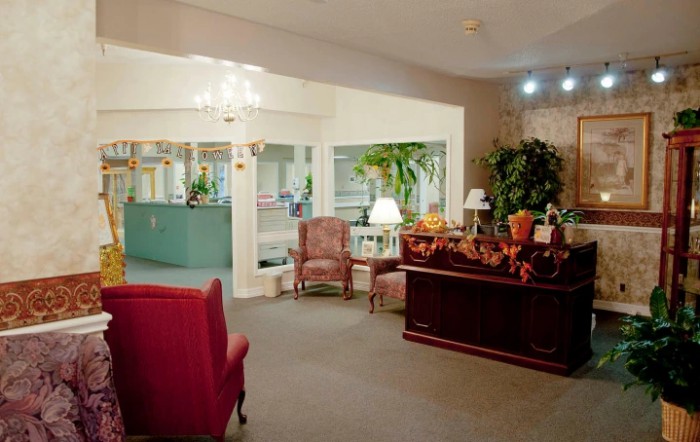
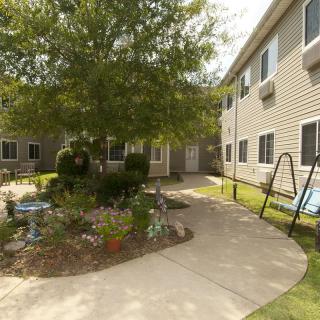
Colonial Nursing & Rehabilitation Center on seniors.fyi includes 5 photos including images showing landscaping, trees, bedroom, interior, bathroom, therapy room, waiting area, reception, and more.
Nearby Communities
Colonial Nursing Ctr
Lindale, TX
4.2 from 71 reviews
Warm, family-like care with compassionate staff and effective PT/OT.
Wesley House of Lindale
Lindale, TX
4.1 from 30 reviews
$3,425 to $4,325 / month
Caring, family-owned staff in a warm, community-focused setting with engaging activities.
Wesley House Lindale
Lindale, TX
4 from 6 reviews
Broad amenities and care options, including respite care, 24-hour supervision, transportation, and restaurant-style dining.
Lindale Healthcare Center
Lindale, TX
3.7 from 42 reviews
24-hour supervision with personalized care and restaurant-style dining.
The Oaks Assisted Living
Tyler, TX
4.6 from 69 reviews
Strong memory-care with attentive, compassionate staff.
Villa Of Tyler Building 4
Tyler, TX
Fully furnished accommodations with housekeeping, meals, medication management, and daily activities.
The Gardens At Hawkins
Hawkins, TX
2.5 from 10 reviews
$3,200 / month
Attentive staff and larger rooms in a quiet, rural setting.
Reunion Inn Assisted Living
Tyler, TX
3.4 from 11 reviews
$2,800 to $3,500 / month
Genuine care from owners and staff in a warm, affordable setting with included transportation and housekeeping.
Garden Estates of Tyler
Tyler, TX
4.5 from 137 reviews
$2,295 to $3,695 / month
Friendly, professional staff with clean, spacious apartments and a warm community.
Adult day care programs offer essential support and activities for older adults, yet many hesitate to participate due to concerns about independence and stigma. To alleviate these apprehensions, families should facilitate open discussions, explore financial resources, suggest trial visits, and collaborate with healthcare providers to highlight the benefits of such services for both the participants and their caregivers.
Living wills and advance directives are crucial legal documents that outline an individual's healthcare preferences when they cannot make decisions themselves, enhancing patient autonomy and alleviating family stress during medical crises. The article emphasizes the need for these documents to be personalized, legally valid, and regularly updated, while also encouraging communication about end-of-life wishes among family members and healthcare providers.
The article examines living wills and advance directives, highlighting their significance in expressing healthcare preferences for those unable to communicate due to illness or incapacity. It discusses their historical development, legal components, limitations, practical drafting advice, and the importance of clear communication among families and healthcare professionals regarding end-of-life decisions.
Get PricingAsk A QuestionSchedule A TourContact Senior Advisor
By clicking submit, you agree to our Partner's Terms of Use. You
also consent to receive calls and texts, which may be autodialed, from our Partner. Your consent is not a condition to
using our Partner's service. Please visit our Partner's Privacy Policy for information about their privacy practices.


 66 resident community capacity
 Skilled Nursing Facility
 Air-conditioning
 Beauty salon
 Cable or satellite TV
 Computer center
 Dining room
 Fitness room
 Fully furnished
 Gaming room
 Garden
 Housekeeping services
 Kitchenette
 Move-in coordination
 Outdoor space
 Private bathrooms
 Restaurant-style dining
 Small library
 Telephone
 Wellness center
 Wi-Fi/high-speed internet available
 Tyler Pounds (11 miles away)
 Community operated transportation
 12-16 hour nursing
 24-hour call system
 Activities of daily living assistance
 Assistance with bathing
 Assistance with dressing
 Assistance with transfers
 Diabetes diet
 Medication management
 Mental wellness program
 Special dietary restrictions
 Concierge services
 Planned day trips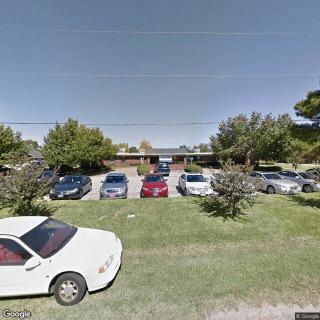
 Warm, family-like care with compassionate staff and effective PT/OT.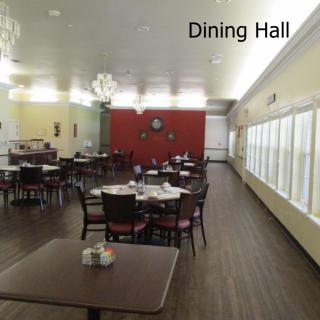




 Encouraging Participation in Adult Day Care: A Guide to Supporting a Hesitant Parent
 Comprehensive Exploration of Living Wills and Other Advance Directives
 A Detailed Exploration of Living Wills and Advance Directives