
840 North Beaulah Street, Hawkins, TX 75765
For more information about senior living options: (866) 208-4318
The Gardens At Hawkins Costs & Pricing
The Gardens At Hawkins offers a competitive pricing structure for its one-bedroom accommodations, with a monthly cost of $3,200. This rate is notably lower than both the average costs in Wood County, which stands at $3,975, and the broader state average in Texas at $3,761. By providing a more affordable option without compromising on quality or services, The Gardens At Hawkins positions itself as an appealing choice for individuals seeking comfortable and cost-effective living arrangements in the region.
| Floor plans | The Gardens At Hawkins | Wood County | Texas |
|---|---|---|---|
| 1 Bedroom | $3,200 | $3,975 | $3,761 |
Assisted Living communities with a similar price nearby
-
from -$200 / mo

Parkview on Hollybrook
$3,000 to $5,850 / month24.9 miles away -
from -$400 / mo

Primrose of Tyler
$2,800 / month24.1 miles away -
About the same

Prestige Estates Assisted Living and Memory Care
$3,200 to $4,875 / month22.8 miles away -
from -$105 / mo
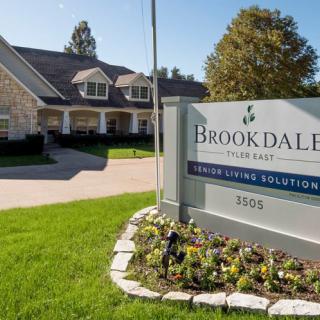
Brookdale Tyler East
$3,095 to $3,460 / month19.9 miles away -
from +$195 / mo
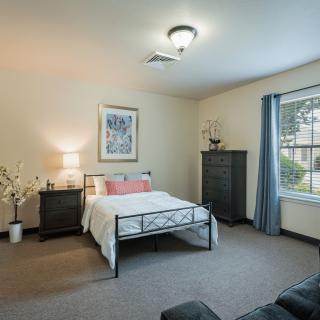
Trinity Timbers Assisted Living
$3,395 / month24.3 miles away
Overall Review of The Gardens At Hawkins
Pros
 The staff were described as very friendly during visits.
- The residents who lived there were both very pleased with the care they received.
- The Gardens is an excellent option for those who cannot afford a high-priced assisted living environment.
- The rooms are rather large for an assisted living facility.
- The Gardens is located in a quiet rural area, appealing to those who enjoy country living.
- Some staff members are described as pretty great people.
Cons
 The facility is poorly run.
- The staff are undertrained.
- The facility is run down and has bugs.
- There are no activities, therapies, or other amenities offered.
- A grandmother sat in her chair for days before anyone realized.
- She was bruised, her belongings were stolen, and she was neglected.
- They moved her as soon as they learned she had been treated so badly.
- Medications have not been given in a timely manner, causing problems.
- The management is unprofessional.
- A stepson was kicked out with only two days' notice due to a paperwork snafu.
- The management's cooperation with families has been terrible.
- It is located about 30-40 minutes from the nearest hospital.
Review
This community is best suited for families seeking a budget-conscious assisted-living option in a rural setting, where Medicaid is acceptable and luxury is not the expectation. It serves residents who can manage with a straightforward care plan and lower-cost accommodations, rather than those needing high-end amenities or intensive, hospital-like medical oversight. For couples or individuals who prioritize a simple, country atmosphere and price stability over polish, this may be a workable fit. Those with higher acuity, complex medical needs, or a strong desire for robust on-site programming will want to look elsewhere.
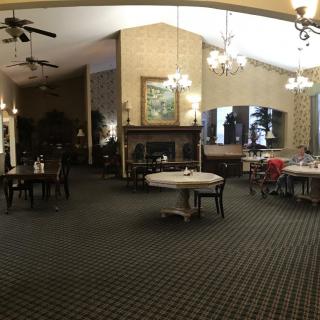
The Gardens At Hawkins does offer some meaningful operational strengths on paper. It is a Type B facility and accepts Medicaid, which broadens access for families constrained by budget. The rooms tend to be larger than typical assisted-living spaces, a plus for residents who value personal space. Several reviewers note that the location’s quiet rural character can be a real plus for seniors who prefer a calmer, less urban environment. In the best moments, staff members who engage with residents directly can make a tangible difference, and some residents or families describe care experiences that feel attentive and compassionate.
However, the most troubling headlines from the community’s feedback revolve around management and day-to-day execution. Recurrent complaints describe the facility as poorly managed and understaffed, with reports of delays in medication administration and inconsistent follow-through on resident needs. Several accounts allege neglect and safety concerns, including a family’s experience of a grandparent who suffered a stroke without timely response. The sense of frustration is reinforced by anecdotes of staff who appear rude or uncaring, and by conflicts with families over communication and documentation. The absence of reliable programming, few activities or therapies, further compounds concerns about the overall quality of life for residents.
These significant drawbacks do not disappear behind a veneer of affordability. The pros, lower cost, Medicaid access, room size, and a quiet rural setting, do not fully offset the chief risks highlighted by most reviews. When care is inconsistent, medications are delayed, or meals and daily routines are not reliably supported, the basic advantages quickly lose their value. In practice, affordability becomes most meaningful only if the facility delivers steady, respectful, timely care; with the current mixed-to-poor feedback, families must weigh whether reliable oversight and proactive management can be achieved through careful monitoring and advocacy, or if alternative communities would deliver a more predictable standard of care.
Those evaluating options should seriously consider alternatives if critical needs are present: strong, consistent management; timely medication administration; engaging daily activities and structured therapies; and a hospital proximally reachable for emergencies. If a loved one requires more intensive medical attention, frequent clinician involvement, or a community with a proven track record of reliable operations, nearby facilities with stronger reputations or in-town options with higher staffing levels and more robust programming will likely offer more peace of mind. For families prioritizing Medicaid access and a modest lifestyle rather than a polished environment, The Gardens can be worth a closer look, provided expectations are aligned with the reality reflected in current management and staffing performance.
Practical next steps include arranging visits at different times to observe staff dynamics, asking pointed questions about staffing ratios and med-pass procedures, and speaking directly with current residents and families about day-to-day experiences. Request a tour of meal service areas, activities, and any available therapy spaces to gauge the quality and frequency of programming. Verify current management stability and a concrete plan for addressing delays in care or medication, and explore whether any recent improvements have been implemented. Finally, benchmark costs against nearby options that offer stronger clinical oversight or more consistent programming, ensuring the choice aligns with both budget and the required level of daily support.
 16 resident community capacity
 Assisted Living
 Independent Living
 Activities on-site
 Cable or satellite TV
 Devotional services off-site
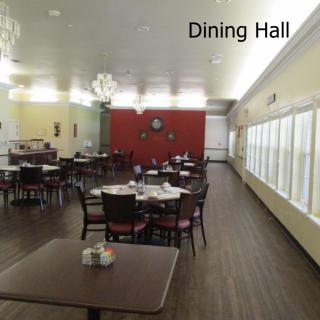
 Dining room
 Fully furnished
 Garden
 Housekeeping services
 Indoor common areas
 Move-in coordination
 Outdoor space
 Telephone
 Wi-Fi/high-speed internet available
 Tyler Pounds (20 miles away)
 24-hour supervision
 Ambulatory care
 Assistance with bathing
 Assistance with dressing
 Assistance with transfers
 Diabetes diet
 Diabetic care
 Incontinence care
 Meal preparation and service
 Medication management
 Special dietary restrictions
 Transportation arrangement (medical)
 Transportation to doctors appointments




 Securing Financial Support for Assisted Living: A Comprehensive Overview
 Social Security Benefits and Assisted Living: Navigating Options Across the U.S.
 An Extensive Exploration of the VA Aid and Attendance Benefit