Westridge Nursing And Rehabilitation

1241 Westridge Avenue, Lancaster, TX 75146

For more information about senior living options: (844) 490-3973

3.7 from 49 reviews
5 stars
31
4 stars
1
3 stars
1
2 stars
1
1 stars
15

Skilled Nursing Facility

What level of care are you interested in?

Assisted Living

Memory Care

Independent Living

Skilled Nursing Facility

Continuing Care Retirement Community (CCRC)CCRC

Other


Request a tour at Westridge Nursing And Rehabilitation

    Overall Review of Westridge Nursing And Rehabilitation

    Pros

    • pro Tara encouraged patients and believed in their potential, often saying, "You can do it."
    • pro The PT staff is awesome and helped the patient regain strength after major back surgery.
    • pro The food is awesome.
    • pro Ms. Felisha Walton is very professional, helpful, and goes above and beyond for residents.
    • pro Felisha Walton is informative, knowledgeable, and has a generous heart.
    • pro The social worker Ms. Walton is professional and makes visits welcoming and pleasant.
    • pro The food is outstanding and makes residents feel at home.
    • pro The staff treats residents like family and takes pride in their work.

    Cons

    • pro The administrator Naquita was described as extremely terrible at her job, lacking compassion, not accountable, defensive, and untrustworthy.
    • pro The reviewer claimed the facility hindered discontinuation of excessive sedative medications, misleading about the providers' wishes.
    • pro It was alleged that a resident with dementia was medicated three times daily with multiple psychotropic medications, effectively chemically restraining them.
    • pro The nursing staff and aides were described as rude and lacking interpersonal skills, especially in the lockdown unit.
    • pro Meals were described as terrible and often cold.
    • pro The facility was described as old and in disrepair, with leaky closets and walls and no recent renovations.
    • pro The building was depicted as small and overcrowded, with multiple residents in a single room.
    • pro The air conditioning did not work properly, making the environment uncomfortably hot.
    • pro Residents were reportedly left in bed soaked in urine, and incontinent supplies were insufficient with family members asked to provide pads.
    • pro A large portion of clothing (about 70%) was missing, even with name labels.
    • pro The facility was described as dirty and lacking structure, with phones often unanswered and slow to respond to concerns.
    • pro Some staff were said to talk to patients abusively and to refuse transferring calls to administration.
    • pro One review stated there was a COVID case and questioned how the loved one was being cared for and informed.
    • pro A volunteer experience was described as negative, with a receptionist refusing volunteer work and hanging up.
    • pro Overall, the place was labeled as awful and a joke by the reviewer.

    Review

    This collection of experiences paints a complex picture of Westridge Nursing Home and Rehabilitation, showing a facility that can feel like a home and a place of care for some, while for others it has fallen short in crucial ways. The reviews span a wide range of times and voices, including patients, family members, staff, and even a volunteer perspective, and they repeatedly circle around a few core themes: compassionate personal interactions and quality therapy on one hand, and administrative shortcomings, safety concerns, and facility conditions on the other.

    On the positive side, several reviewers highlight the human touch and the progress they or their loved ones experienced during care. Tara, a therapist, stands out as a beacon of encouragement, repeatedly telling the patient, "You can do it." For many weeks, Tara and the rehabilitation team helped achieve meaningful goals after major surgeries, with day shifts (6am?2pm) praised as particularly effective. The therapy staff is described as a strong backbone of the facility, with PT staff especially credited for rebuilding strength after major back surgery. The front office and general staff are also repeatedly described as kind and approachable, contributing to an atmosphere that felt welcoming and supportive to families and residents alike. One reviewer notes that the food is "awesome," and several stories emphasize the overall pleasant experience of visiting, with the social workers and nursing aides playing essential roles in making residents feel cared for. In several testimonials, Felisha Walton, the social worker, is singled out as professional, energetic, knowledgeable, and genuinely invested in residents' well-being, often described as going "above and beyond" and being a source of comfort and clear information for families. Ashley, a CNA, is also praised for her care, with remarks about hair styling, grooming, and keeping residents engaged and cheerful. The sense that staff treat residents "like family" repeatedly surfaces, reinforcing a core impression of warmth and commitment from many team members.

    A thread of the reviews also celebrates positive changes and a sense of renewed trust in the facility. Several comments reference a transition to new management and a noticeable difference as a result. One reviewer calls out Deon for contributing to a "significant difference," expressing gratitude that the center is "a great place to put our trust in again." The overall tone in these notes is that, with leadership and staff who are dedicated to compassionate care, residents can feel safe, supported, and well-cared-for. Supportive statements from residents and families about the dining experience - framed as "The Food is Outstanding, makes you feel like you're at home" - and the sense of being part of a caring community reinforce that there is genuine pride in the work being done. Another reviewer even describes cooking at the facility for years and sees the staff as part of a family environment, underscoring the culture of care that some residents experience.

    Still another strand of praise centers on how the facility's atmosphere has evolved with leadership changes. Several reviews emphasize the staff's pride in their work and a deliberate effort to make residents feel at home "away from home." In this vision, the facility is seen as clean, with staff who are courteous, caring, and attentive to resident needs. A common thread is the belief that, when management is aligned with a care-centered mission, residents receive thoughtful attention from social workers, nurses, and aides who understand the residents' histories, preferences, and personal routines. In these accounts, the facility's strengths lie in the interpersonal connections, the quality of rehabilitation services, and the apparent willingness of some staff to go the extra mile to reassure families.

    Yet amid the affirming narratives, there are equally strong and detailed criticisms that cast long shadows over the facility. Several reviewers express deep concerns about administrative leadership and the treatment of residents with dementia. The most pointed critique centers on an administrator named Naquita, described as having "extremely terrible at her job," lacking compassion, and being overly defensive and untrustworthy. The reviewers accuse her of blocking the discontinuation of excessive sedative medications and of pressuring for continued use of high-dose sedatives and narcotics, even when families requested that providers reassess the regimen. These accounts describe a troubling pattern of oversedation that allegedly left a loved one sleepy and unable to participate in physical therapy, with multiple falls, difficulty sitting upright, and missed opportunities for rehabilitation. The language used is strong, with terms like "chemically restraining" appearing in the critique, underscoring a fear for resident safety and autonomy.

    Beyond sedation concerns, the negative reviews paint a picture of pervasive staff strain and quality problems. Several accounts describe rude or frustrated behavior by nurses and aides, a lack of interpersonal skills, and poor responsiveness - especially in what some reviewers call the lockdown unit. The dining experience is also criticized in tandem with broader care concerns, with reports of meals that are often cold and of a general decline in the facility's upkeep. Additional details include residents left in bed, sometimes soaked in urine, and repeated mentions of missing clothing, despite name labeling. Facility maintenance issues are highlighted as well - an old building with leaking walls, insufficient room space, and problems with air conditioning and general upkeep, all of which contribute to an impression of inadequate infrastructure to support resident wellbeing.

    Communication and transparency emerge as another major area of concern in the negative reviews. Reviewers recount difficulty in reaching administration or getting timely responses when they call the facility to check on a loved one. There are stories of calls not being answered for long periods, reluctance to transfer calls to administrators, and even a fear of retaliation when speaking up about conditions. One reviewer notes a COVID-19 case and expresses a desire to know how their loved one is doing, highlighting the anxiety that stems from poor phone access and perceived barriers to information. There's also a separate voice lamenting that a volunteer inquiry was met with a firm "no," followed by a terse exit, which adds to the sense of a clinic or facility that is not open to community involvement at times.

    In aggregate, the reviews present a facility with simultaneous strengths and vulnerabilities. On one end, compassionate therapists, engaged social workers, capable nursing aides, and a dining staff that residents and families praise for quality and hominess create a sense of genuine care and community. On the other end, concerns about leadership, resident safety, sedation practices, facility maintenance, and communication gaps point to real and significant problems that could undermine residents' wellbeing if left unaddressed. Several reviewers explicitly urge potential families to proceed with caution, reminding readers that every resident deserves a better home and that a facility can feel like a loving community in some moments and a place needing critical TLC in others. The mix of praise and critique suggests that improvements are both possible and ongoing, and that the experiences of residents and families will continue to vary depending on shifts, leadership, and day-to-day conditions.

    Features

    Housing

    • 110 resident community capacity 110 resident community capacity

    Types of Care

    • Skilled Nursing Facility Skilled Nursing FacilitySkilled Nursing Facilities are crucial for seniors as they provide round-the-clock medical care, rehabilitation services, and assistance with daily activities. These facilities ensure that seniors receive the specialized care they need to maintain their health and well-being as they age.

    Amenities

    • Air-conditioning Air-conditioningAir conditioning is important for seniors as they are more vulnerable to heat-related illnesses and may have underlying health conditions that make it difficult for them to regulate their body temperature. It helps to keep them comfortable, safe, and healthy in hot weather.
    • Beauty salon Beauty salonBeauty salons are important for seniors because they provide a space for them to feel pampered, socialize, and maintain their personal grooming and hygiene. Regular visits to a beauty salon can help boost seniors' self-esteem and overall well-being.
    • Cable or satellite TV Cable or satellite TVCable or satellite TV is important for seniors because it provides entertainment, news, and companionship, helping to combat loneliness and boredom. It also offers a wide range of programming options tailored to different interests and preferences.
    • Computer center Computer centerA computer center is essential for seniors as it provides access to technology, communication tools, and resources that can enhance their daily lives. It allows them to stay connected with loved ones, engage in online activities, and learn new skills, ultimately promoting socialization and mental stimulation.
    • Dining room Dining roomDining rooms are important for seniors as they provide a space for socialization, connection, and nutritious meals. They offer opportunities for residents to bond over shared meals, foster a sense of community, and promote healthy eating habits. Dining rooms also ensure that seniors have access to well-balanced meals tailored to their dietary needs and preferences.
    • Fitness room Fitness roomHaving a fitness room in a senior living community is essential for seniors to stay active, maintain their physical health, and improve their overall well-being. Regular exercise can help prevent falls, reduce the risk of chronic diseases, and promote mental sharpness. It also provides social opportunities for residents to connect with others and enjoy a sense of community.
    • Fully furnished Fully furnishedFully furnished senior living communities are important for seniors because they provide convenience, comfort, and a hassle-free moving experience. Seniors can easily settle into their new living space without the stress of having to buy and move furniture. This allows them to focus on enjoying their new home and community.
    • Gaming room Gaming roomGaming rooms are important for seniors as they provide a fun and engaging environment for socializing, cognitive stimulation, and physical activity. Games can improve memory, problem-solving skills, and overall mental well-being while fostering friendships and reducing feelings of isolation.
    • Garden GardenGardens are important for seniors as they provide a peaceful and therapeutic environment for relaxation, physical activity, and socialization. Being in nature has been shown to reduce stress, improve mood, and promote overall well-being. Gardens also offer opportunities for seniors to engage in gardening activities, which can improve mobility, flexibility, and cognitive function. Additionally, gardens create a sense of community and connection with others who share a passion for plants and outdoor spaces.
    • Housekeeping services Housekeeping servicesHousekeeping services are important for seniors because they help maintain a clean and safe living environment, promote independence, and reduce the risk of accidents or illnesses. Additionally, having assistance with household chores can alleviate physical strain and allow seniors to focus on other aspects of their well-being.
    • Kitchenette KitchenetteKitchenettes are important for seniors living in senior living communities because they provide the convenience and independence of being able to prepare simple meals and snacks in the comfort of their own living space. This can help promote a sense of autonomy and well-being for seniors, allowing them to maintain some level of control over their dietary choices and daily routines.
    • Move-in coordination Move-in coordinationMove-in coordination is important for seniors because it helps ease the transition into their new living environment. It ensures that all logistics, such as packing, organizing movers, and setting up utilities are taken care of, allowing seniors to focus on settling in and adjusting to their new home. Having a smooth move-in process can alleviate stress and anxiety, making the transition smoother and more enjoyable for seniors.
    • Outdoor space Outdoor spaceOutdoor spaces are important for seniors as they provide opportunities for physical activity, social interaction, exposure to natural light and fresh air, and a sense of connection to nature. Having access to outdoor spaces can improve overall well-being and quality of life for older adults living in senior communities.
    • Private bathrooms Private bathroomsPrivate bathrooms are important for seniors in senior living communities because they provide independence, dignity, and comfort. Having a private bathroom allows seniors to maintain their personal hygiene routines without the need for assistance, promoting a sense of autonomy and privacy. Additionally, private bathrooms help prevent the spread of infections and provide a safe and clean environment for seniors to navigate safely.
    • Restaurant-style dining Restaurant-style diningRestaurant-style dining is important for seniors because it allows them to enjoy delicious, nutritious meals in a social and upscale setting. This enhances their dining experience, promotes healthy eating habits, and fosters socialization with fellow residents, ultimately contributing to their overall well-being and quality of life.
    • Small library Small librarySmall libraries are important for seniors as they provide access to a variety of reading materials, including books, newspapers, and magazines. This can help stimulate their minds, keep them engaged, and provide a sense of community through book clubs and other social activities. Additionally, reading has been shown to improve cognitive function and overall mental well-being in older adults.
    • Telephone TelephoneTelephones are important for seniors as they provide a lifeline for communication with loved ones, emergency services, and healthcare providers. They offer a sense of security and independence, enabling seniors to stay connected and access assistance when needed.
    • Wellness center Wellness centerWellness centers are important for seniors because they offer a variety of programs and services that promote physical, mental, and emotional well-being. These centers provide opportunities for exercise, socialization, education, and relaxation, helping seniors maintain their overall health and quality of life.
    • Wi-Fi/high-speed internet available Wi-Fi/high-speed internet availableWi-Fi/high-speed internet is important for seniors to stay connected with loved ones, access online resources, and participate in virtual activities to combat feelings of loneliness and isolation. It also allows them to easily manage healthcare needs, access entertainment, and engage in lifelong learning opportunities.

    Transportation

    • Dallas Love (17 miles away) Dallas Love (17 miles away)
    • Community operated transportation Community operated transportationCommunity operated transportation is crucial for seniors as it provides them with the means to access essential services, social activities, and medical appointments. It allows seniors to maintain their independence and quality of life by ensuring they can participate in activities outside of their homes. Additionally, community-operated transportation services offer a safe and reliable way for seniors to travel without having to rely on family or friends for assistance.
    • Transportation arrangement Transportation arrangementTransportation arrangements are crucial for seniors as they may face challenges with driving, mobility, or access to public transportation. Having reliable transportation services ensures that seniors can easily attend appointments, social activities, and maintain their independence and quality of life.
    • Transportation arrangement (non-medical) Transportation arrangement (non-medical)Transportation arrangements are essential for seniors as they provide access to essential services, activities, and social interactions outside the home. This service helps maintain independence, mobility, and overall well-being for seniors who may have limited transportation options.
    • Transportation to doctors appointments Transportation to doctors appointmentsTransportation to doctors appointments is crucial for seniors as it ensures they have access to necessary medical care and support, promoting their health and well-being. It allows them to receive timely treatment, monitor existing conditions, and address any new health concerns efficiently. Additionally, transportation services can help seniors maintain their independence and quality of life by enabling them to stay connected with their healthcare providers.

    Care Services

    • 12-16 hour nursing 12-16 hour nursing12-16 hour nursing care is crucial for seniors in order to ensure around-the-clock monitoring, timely medication administration, and prompt response to any health concerns or emergencies. This level of care helps to promote the overall well-being and safety of seniors living in senior living communities.
    • 24-hour call system 24-hour call system24-hour call systems are important for seniors because they provide peace of mind and immediate assistance in case of emergencies. This technology ensures that help is always available, promoting safety and security for elderly individuals living alone or in assisted living facilities.
    • 24-hour supervision 24-hour supervision24-hour supervision is important for seniors to ensure their safety, well-being, and access to immediate assistance in case of emergencies or health issues. This constant support provides peace of mind for both seniors and their loved ones, allowing them to age in place with dignity and security.
    • Activities of daily living assistance Activities of daily living assistanceActivities of daily living assistance are important for seniors because they provide essential support with tasks such as eating, bathing, dressing, and mobility. This assistance helps seniors maintain their independence, dignity, and overall quality of life as they age.
    • Assistance with bathing Assistance with bathingAssistance with bathing is crucial for seniors as it helps maintain personal hygiene, prevents infections, and ensures their overall well-being and comfort. It also provides a sense of dignity and independence for seniors who may struggle with this task on their own.
    • Assistance with dressing Assistance with dressingAssistance with dressing is important for seniors because it helps maintain their independence, promotes personal hygiene, prevents accidents and injuries, and improves overall quality of life. This service ensures that seniors can continue to dress comfortably and confidently, despite any physical limitations they may have.
    • Assistance with transfers Assistance with transfersAssistance with transfers is crucial for seniors as it helps prevent falls and injuries, maintains their independence, and ensures they can safely navigate their living environment. It also provides peace of mind for both seniors and their loved ones.
    • Diabetes diet Diabetes dietA diabetes diet is crucial for seniors as it helps manage blood sugar levels, reduce risks of complications, and improve overall health and well-being. By following a balanced and nutritious diet tailored to their specific needs, seniors can better control their diabetes and enhance their quality of life.
    • Meal preparation and service Meal preparation and serviceMeal preparation and service are crucial for seniors as they may have limited mobility or energy to cook nutritious meals. Having access to healthy and convenient food options can ensure they are getting the proper nutrition needed to maintain their overall health and well-being.
    • Medication management Medication managementMedication management is crucial for seniors to ensure they are taking the right medications at the correct dosages and times. This helps prevent adverse drug interactions, reduces the risk of medication errors, and promotes overall health and well-being. Proactive management also allows for adjustments as needed based on changing health conditions or new prescriptions.
    • Mental wellness program Mental wellness programMental wellness programs are essential for seniors as they promote cognitive stimulation, emotional support, and social engagement. These programs help prevent isolation, depression, and cognitive decline, ultimately enhancing the overall quality of life for older adults.
    • Special dietary restrictions Special dietary restrictionsSpecial dietary restrictions are important for seniors because age-related changes in metabolism and health conditions can make it difficult for their bodies to process certain foods. By following a diet tailored to their specific needs, seniors can maintain their overall health and well-being, manage chronic conditions, and reduce the risk of complications such as malnutrition or food interactions with medications.

    Dining

    • Diabetes diet Diabetes dietA diabetes diet is crucial for seniors as it helps manage blood sugar levels, reduce risks of complications, and improve overall health and well-being. By following a balanced and nutritious diet tailored to their specific needs, seniors can better control their diabetes and enhance their quality of life.
    • Special dietary restrictions Special dietary restrictionsSpecial dietary restrictions are important for seniors because age-related changes in metabolism and health conditions can make it difficult for their bodies to process certain foods. By following a diet tailored to their specific needs, seniors can maintain their overall health and well-being, manage chronic conditions, and reduce the risk of complications such as malnutrition or food interactions with medications.

    Activities

    • Community-sponsored activities Community-sponsored activitiesCommunity-sponsored activities are important for seniors as they provide opportunities for social interaction, mental stimulation, and physical activity. These activities can help improve overall well-being, combat loneliness and isolation, and promote a sense of belonging and purpose among older adults.
    • Concierge services Concierge servicesConcierge services are essential for seniors as they provide assistance with daily tasks and errands, enhance their quality of life by offering convenience and personalized care, and promote a sense of safety and security.
    • Fitness programs Fitness programsFitness programs are crucial for seniors as they help improve strength, flexibility, balance, and overall well-being. Staying active can reduce the risk of chronic diseases, improve mental health, and enhance quality of life in older adults.
    • Planned day trips Planned day tripsPlanned day trips are important for seniors because they offer opportunities for socialization, mental stimulation, and physical activity. They provide a change of scenery and help seniors stay engaged and connected to their community, promoting overall well-being and quality of life.
    • Resident-run activities Resident-run activitiesResident-run activities are important for seniors as they encourage social interaction, creativity, and a sense of autonomy. These activities empower seniors to stay engaged and active in their community while fostering meaningful connections with their peers.
    • Scheduled daily activities Scheduled daily activitiesScheduled daily activities are important for seniors because they provide structure, socialization, mental stimulation, and physical activity. Engaging in regular activities can improve overall well-being and quality of life for seniors living in a community setting.

    Description

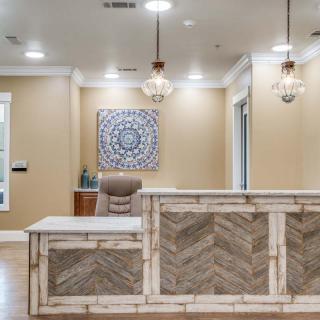
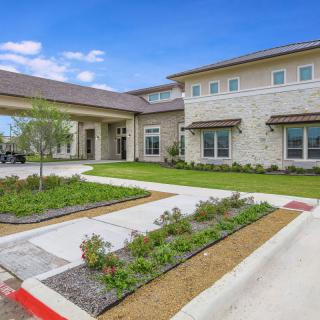
    Westridge Nursing and Rehabilitation in Lancaster, TX is an assisted living community that offers a wide range of amenities and care services to meet the needs of its residents. The community provides a comfortable and nurturing environment where seniors can enjoy their golden years.

    The amenities at Westridge Nursing and Rehabilitation are designed to enhance the overall quality of life for the residents. A beauty salon is available on-site for all grooming and hair care needs. Residents can also enjoy watching their favorite shows on cable or satellite TV. Community-operated transportation makes it easy for residents to access local shops, attractions, and medical appointments. A computer center is provided for those who wish to stay connected digitally. The dining room offers restaurant-style dining with delicious meals prepared by experienced chefs. Housekeeping services ensure that residents enjoy a clean and organized living space. For leisure activities, there is a gaming room, small library, and outdoor space for relaxation. Wi-Fi/high-speed internet connectivity is available throughout the premises for convenient access to online resources.

    In terms of care services, Westridge Nursing and Rehabilitation ensures that residents receive 24-hour supervision with a call system readily available whenever assistance is required. Trained staff members provide assistance with activities of daily living such as bathing, dressing, and transfers. Special dietary restrictions, including diabetes diets, are accommodated in meal preparation and service plans. Medication management promotes wellness by providing timely administration of medications as prescribed by healthcare professionals.

    To promote mental well-being, Westridge Nursing and Rehabilitation has a dedicated mental wellness program in place. Additionally, transportation arrangements can be made for non-medical purposes or doctors' appointments.

    The community also focuses on providing engaging activities for its residents. Concierge services are available to assist with any requests or arrangements needed by the residents. Fitness programs help maintain physical health while planned day trips allow for exploration outside the community's premises. Resident-run activities encourage social interaction among peers while scheduled daily activities offer variety in leisure options.

    Westridge Nursing and Rehabilitation is conveniently located with cafes, pharmacies, physicians, restaurants, and hospitals nearby for easy access to everyday essentials and medical services. Overall, this assisted living community offers a welcoming and supportive environment where seniors can enjoy a fulfilling lifestyle while receiving the care they need.

    Videos

    Nearby Places of Interest

    Pharmacies

    • CVS Pharmacy (1.1 miles)
    • Walgreens (1.2 miles)
    • Walmart Pharmacy (1.4 miles)
    • Walgreens (4.2 miles)
    • Redbird Pharmacy (5.3 miles)
    • Red Oak Drug (5.7 miles)
    • Walgreens (5.8 miles)

    Hospitals

    • Medical Center At Lancaster (2.5 miles)
    • Methodist Rehabilitation Hospital (6.6 miles)

    Restaurants

    • McDonald's (3 miles)
    • In-N-Out Burger (3.1 miles)
    • Taco Cabana (3.1 miles)
    • McDonald's (3.2 miles)
    • Whataburger (3.2 miles)
    • Cracker Barrel (3.3 miles)
    • Pollo Regio - 200 (5.2 miles)

    Cafes

    • Starbucks (3.2 miles)
    • Starbucks (7.5 miles)
    • Starbucks (8.2 miles)
    • Tops Cafe (8.5 miles)
    • Panera Bread (9.7 miles)
    • Starbucks (9.7 miles)
    • Manhattan Project Beer Company (12.1 miles)

    Physicians

    • My Eyelab (3.2 miles)
    • POA Happy Teeth Today (5.1 miles)
    • MomPremier Eye Institute (5.2 miles)
    • Touchstone Imaging Red Oak (5.4 miles)
    • Baylor Family Medical Center (5.5 miles)
    • CareNow (6.4 miles)
    • Dallas VA Medical Center Nuclear Medicine (6.4 miles)

    Places of Worship

    • Greater Mount Hebron Baptist Church (5.8 miles)
    • Southern Baptist Convention (9.1 miles)
    • Rockett Christian Church (9.3 miles)

    Parks

    • Kiest Park (9.1 miles)
    • Kidd Springs Park (11 miles)
    • Kessler Parkway Trail (11.9 miles)

    Theaters

    • Alamo Drafthouse Cedars (11.6 miles)

    Frequently Asked Questions

    Where is Westridge Nursing And Rehabilitation?

    Nearby Communities

    Related Resources

    • living will definitionA Detailed Exploration of Living Wills and Advance Directives

      The article examines living wills and advance directives, highlighting their significance in expressing healthcare preferences for those unable to communicate due to illness or incapacity. It discusses their historical development, legal components, limitations, practical drafting advice, and the importance of clear communication among families and healthcare professionals regarding end-of-life decisions.

    • does medicare cover hospiceComprehensive Guide to Medicare Coverage for Hospice Care

      Hospice care focuses on providing comfort and support for individuals nearing the end of life, with Medicare Part A covering services like nursing care and counseling for patients with a terminal illness and a life expectancy of six months or less. While most hospice services are low-cost for eligible patients, families should be aware that certain expenses, such as room and board, may not be covered.

    • caregiver burnoutCaring for Those Who Care: Recognizing, Understanding, and Overcoming Caregiver Burnout

      Caregiver burnout is a common issue resulting from the intense physical, emotional, and mental demands of caregiving, leading to symptoms like fatigue and social withdrawal. To prevent burnout, caregivers should recognize early warning signs and implement self-care strategies, seek support, and prioritize their own well-being alongside that of those they care for.


    Get Pricing Ask A Question Schedule A Tour Contact Senior Advisor