

107 N Stewart Avenue, Lancaster, TX 75146
To contact a resident: (214) 315-0130
For more information about senior living options: (866) 208-4318
Brixton Village for the Elderly Costs & Pricing
Brixton Village for the Elderly offers competitive pricing for its semi-private rooms at $2,000 per month, which is significantly lower than the average costs in Ellis County and the state of Texas. In Ellis County, similar accommodations can cost around $3,343 per month, while the state average rises to approximately $3,680. This notable difference not only highlights Brixton Village's commitment to affordability but also positions it as an attractive option for families seeking quality care without straining their budgets. The competitive rates combined with a focus on providing a nurturing environment make Brixton Village an appealing choice for elderly residents in need of supportive living arrangements.
| Floor plans | Brixton Village for the Elderly | Ellis County | Texas |
|---|---|---|---|
| Semi-Private | $2,000 | $3,343 | $3,680 |
Assisted Living communities with a similar price nearby
-
from +$100 / mo

Only the Strong Survive
$2,100 to $2,500 / month19.1 miles away -
About the same
Silver Creek Assisted Living Garland
$1,995 to $3,675 / month21.4 miles away -
from +$90 / mo

Truewood by Merrill, Park Central
$2,090 to $2,795 / month22.8 miles away -
from +$250 / mo

Meadow Creek Senior Living
$2,250 to $2,750 / month2.9 miles away -
About the same

The Reserve at North Dallas
$2,015 to $3,500 / month22.4 miles away
Overall Review of Brixton Village for the Elderly
Pros
 The reviewer notes that the management is the best they've ever seen, with top-notch client care that feels like home.
- The reviewer describes Mr. Paul as the kindest man, showing that all things can be fixed with God's hands and guiding others to overcome a storm.
Cons
 They would not refer anyone to them.
- The reviewer noted there were no accommodations for wheelchair users.
- The furniture was horrible.
- It was tacky, and the overall presentation was horrible.
- The beds weren't made and the drawers were falling out of the dressers.
- The doorways weren't very wide, and one had to take a big step up to get into the tub.
- They wouldn't take anybody there.
- The dad wouldn't put a monkey in there, according to the reviewer.
Review
Brixton Village for the Elderly in Lancaster, Texas is best suited for seniors who prize deeply attentive, hands-on management and a home-like, spiritually supportive environment. The leadership here emphasizes personal contact, consistent care, and staff who appear to anticipate residents’ needs. In this setting, residents receive steady emotional and social reinforcement, with caregivers who seem invested in daily routines and well-being. It is a strong choice for families seeking a warm, human-centric approach to care, provided the expectation is not for a glossy, hospital-grade facility. Those who require modern, fully accessible interiors or ultra-polished presentation should consider other options.
On the flip side, the primary strengths lie in management quality and client care. Reviewers describe a top-tier level of attention to individual needs and a home-like atmosphere that offers reassurance and stability. A staff member named Mr. Paul is singled out for exceptional kindness and spiritual support, illustrating a caregiving culture that emphasizes compassion and personal connection. For residents who value predictable routines, responsive staff, and a sense that caregivers know their histories, these factors translate into meaningful daily comfort and trust.
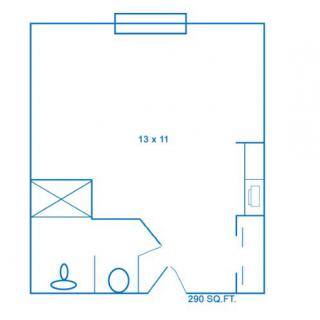
However, compelling downsides cannot be ignored. The most glaring concern centers on accessibility and upkeep: no accommodations for a wheelchair, narrow doorways, and a tub with a heavy step pose real barriers for mobility-impaired residents. The furniture and room presentation are described as subpar, with beds left unmade and drawers, misaligned or failing hardware. One reviewer labeled the overall environment tacky, questioning whether the move-in experience truly reflects value. Even with ample room in each unit, these physical limitations undermine independence and safety for potential residents who rely on assistive design and reliable maintenance.
In weighing pros against cons, the caregiving strengths still matter deeply for residents who are relatively mobile or who rely primarily on staff for companionship, encouragement, and spiritual support. The commitment of management and the home-like feel can offset some frustrations about upkeep, particularly for families prioritizing emotional security and day-to-day warmth over pristine interiors. But when mobility needs shift from manageable to demanding, or when the expectation includes barrier-free access and consistently polished spaces, the drawbacks become hard to overlook. The facility’s current state may end up driving compromise decisions for those with high accessibility requirements.
Practical due diligence is essential. Prospective movers should request detailed accessibility information, room layouts, and confirmation of ADA-compliant features, including wide doorways and accessible bathrooms. A tour should include a hands-on check of furniture condition, linen service, and housekeeping rhythms, with attention to whether rooms are routinely maintained and beds are properly made. Clarify move-in costs, what they cover, and whether upgrades are planned for interiors. Engage with current residents or families about daily routines, responsiveness of staff, and how emergencies are handled. These steps ensure that the warmth of leadership does not mask ongoing functional gaps.
The bottom line is clear: Brixton Village excels at care-focused, person-first operation and a homey, faith-embracing atmosphere. For families prioritizing devoted management and meaningful human connection, the community can deliver comfort and stability that outweighs some drawbacks. However, those needing true wheelchair-accessible design, modern furnishings, or consistently high presentation should explore alternatives. The decision hinges on balancing the value of personal, compassionate care against the imperative of accessible, well-maintained surroundings.
 6 resident community capacity
 Assisted Living
 Board and Care Home
 Respite Care
 Cats allowed
 Dogs allowed
 Activities off-site
 Cable or satellite TV
 Devotional services off-site
 Dining room
 Fully furnished
 Garden
 Housekeeping services
 Indoor common areas
 Move-in coordination
 Outdoor common areas
 Telephone
 Wheelchair accessible showers
 Wi-Fi/high-speed internet available
 Dallas Love (18 miles away)
 24-hour supervision
 Ambulatory care
 Assistance with bathing
 Assistance with dressing
 Assistance with transfers
 Diabetes diet
 Diabetic care
 Incontinence care
 Meal preparation and service
 Medication management
 Special dietary restrictions
 Transportation arrangement (medical)
 Transportation to doctors appointments
 Christian services




 8 Key Indicators That Suggest It May Be Time to Transition from Assisted Living to Skilled Nursing Care
 Vibrant Senior Living: A Comprehensive Guide for Active Older Adults
 When to Transition from Assisted Living to Memory Care: Key Indicators, Steps, and Finding the Right Community