
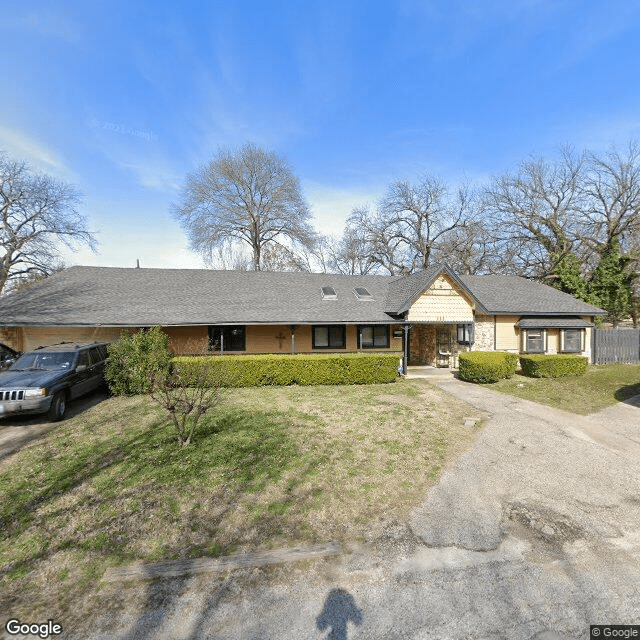
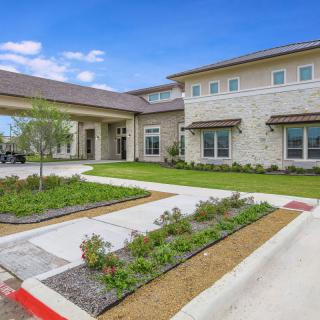
111 Hackberry Street, Lancaster, TX 75146
For more information about senior living options: (866) 208-4318
Hackberry House Costs & Pricing
Hackberry House offers competitive pricing for its accommodations, with monthly costs significantly lower than both the county and state averages. For a semi-private room, Hackberry House charges $1,500, which is well below Ellis County's average of $3,343 and Texas's statewide average of $3,680. Similarly, the cost of a private room at Hackberry House is $2,500 - again more economical compared to Ellis County's average of $3,222 and Texas's overall average of $4,096. This pricing structure not only reflects Hackberry House's commitment to affordability but also provides residents with high-quality care in a supportive environment.
| Floor plans | Hackberry House | Ellis County | Texas |
|---|---|---|---|
| Semi-Private | $1,500 | $3,343 | $3,680 |
| Private | $2,500 | $3,222 | $4,096 |
Assisted Living communities with a similar price nearby
-
from -$100 / mo
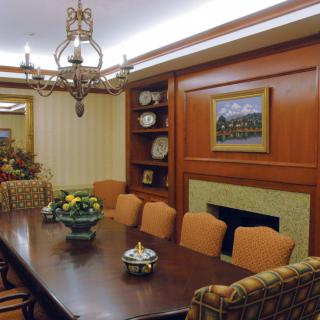
The Villages of Dallas
$1,400 to $2,900 / month8.1 miles away -
from +$95 / mo
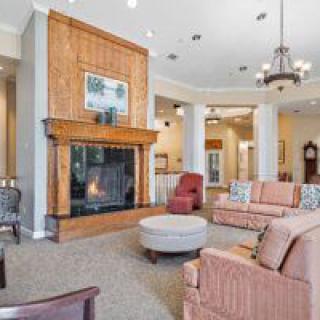
Morada Cedar Hill
$1,595 to $2,820 / month11.3 miles away -
from +$100 / mo
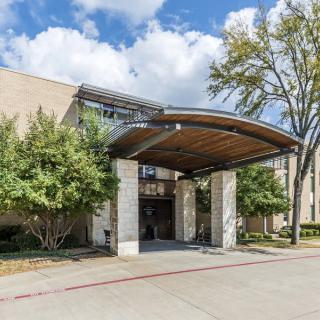
Autumn Leaves
$1,600 to $3,200 / month16.9 miles away -
from -$250 / mo

St Joseph's Residence
$1,250 / month11.2 miles away -
About the same
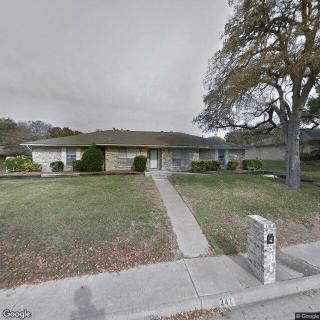
Pinnacle Assisted Living
$1,500 to $2,500 / month6.5 miles away
Overall Review of Hackberry House
Pros
 The reviewer believed Hackberry House would be a safe place for his brother.
- They felt they were in good hands and that his brother would be well cared for at Hackberry House.
- The staff at Hackberry House had consistently shown his brother compassion and dignity through many health crises.
- They believed God was looking out for them when they found the facility.
Cons
 The brother had been in a facility that had severely mistreated him.
Review
Hackberry House in Lancaster, TX is best suited for families confronting a safety-critical transition where humane, person-centered care is non-negotiable. The two independent reviews describe a move from a previously abusive setting to a place where the resident is looked after with steady compassion and dignity through multiple health crises. This is a practical, caregiving-first option for relatives who need reliable guardianship and assurance that a loved one will be seen as a person, not a task. For families who fear repetition of mistreatment and seek a facility with a calm, steady caregiving culture, Hackberry House offers a concrete path to peace of mind.
Those who should consider alternatives are families prioritizing extensive medical programming, specialized memory-care protocols, or a broader array of amenities and services. The reviews emphasize warmth and dignity but do not outline deep clinical subspecialties, sophisticated rehab offerings, or expansive activity calendars. If a loved one requires aggressive wound care, complex polypharmacy management, or highly structured cognitive therapies, a larger campus with more pronounced medical staffing could be a better fit. In short, Hackberry House delivers exceptional humane care, while other communities may deliver more extensive clinical depth and launchpad programs.
On balance, the strongest pros, consistency in compassionate behavior, protection, and a respectful approach to care during health upheavals, largely offset the absence of information about additional program features. The care ethos conveyed by the reviewers signals a trustworthy environment where residents are treated with dignity during vulnerable moments. That caregiving foundation directly addresses the central family concern after a bad experience: can dependable, humane care be counted on? In this regard, the essential value proposition is clear and compelling for those who value relational warmth and reliable support above all else.
The narrative, however, leaves practical questions unanswered. Priorities like daily activities, dining, transportation, rehab services, and transparent pricing aren’t described in the reviews. Prospective movers should verify how much independence residents retain day-to-day, what a typical day looks like, and how much structure or flexibility is offered. Care planning processes, family communication, and the cadence of updates during health events are important details that require confirmation. The absence of these specifics isn’t a fatal flaw, but it is a necessary line of inquiry to ensure the fit aligns with expectations and financial planning.
For decision-making, approach Hackberry House with a focused due diligence plan. Begin with an in-person tour to observe interactions between staff and residents and to gauge the atmosphere and pace. Inquire about caregiver-to-resident ratios, onboarding procedures, and how care plans are developed, implemented, and adjusted in response to changing conditions. Speak with current residents or their families if possible, and insist on recent references. Clarify hospital-to-home coordination, post-acute rehab options, and what is included in the price. A clear understanding of contracts, billing, and included services will transform trust into a solid, defendable choice.
In practical terms, Hackberry House stands out for families who prize safety, compassionate leadership, and a steady, dignity-focused approach to care in the wake of a troubling prior placement. The reviews suggest a dependable, person-centered model capable of navigating complex health events without sacrificing humanity. For residents with higher medical acuity, specialized memory-care demands, or a desire for a broader menu of clinical services, exploring alternatives with deeper medical infrastructure is prudent. The decisive takeaway is that Hackberry House represents a confident, grounded option for those prioritizing humane care and reliable protection above all else, with the caveat that some families will want to verify the breadth of clinical offerings before committing.
 12 resident community capacity
 Assisted Living
 Board and Care Home
 Dogs allowed
 Activities off-site
 Bath tubs
 Cable or satellite TV
 Devotional services off-site
 Dining room
 Fully furnished
 Garden
 Housekeeping services
 Indoor common areas
 Move-in coordination
 Outdoor common areas
 Outdoor patio
 Private
 Respite or short term stays offered
 Swimming pool / hot tub
 Telephone
 Wi-Fi/high-speed internet available
 Dallas Love (19 miles away)
 Transportation arrangement (non-medical)
 24-hour supervision
 Accept incoming residents on hospice
 Ambulatory care
 Assistance with bathing
 Assistance with dressing
 Assistance with transfers
 Care with behavioral issues
 Diabetes diet
 Diabetic care
 Incontinence care
 Meal preparation and service
 Medication management
 Mild cognitive impairment
 Special dietary restrictions
 Transportation arrangement (medical)


 Understanding Medicaid Coverage for Assisted Living: A Comprehensive Guide
 How and When Medicaid May Cover Assisted Living Costs
 A Detailed Exploration of Assisted Living Medicaid Waivers Across the United States