Woodwind Lakes Health And Rehabilitation Center Costs & Pricing
Woodwind Lakes Health and Rehabilitation Center offers competitive pricing for its services, with private rooms available at $3,000 per month. This rate is significantly lower than the average costs in Harris County, which stands at approximately $3,784, and even more favorable compared to the state average of $4,096 in Texas. Such pricing not only reflects a commitment to accessibility but also positions Woodwind Lakes as an attractive option for individuals seeking quality rehabilitation and long-term care without compromising on value.
Floor plans
Woodwind Lakes Health And Rehabilitation Center
Harris County
Texas
Private
$3,000
$3,784
$4,096
Skilled Nursing Facilities with a similar price nearby
Overall Review of Woodwind Lakes Health And Rehabilitation Center
common18 reviews mention this
Staff care is often praised
Residents and families frequently describe caring, attentive staff who communicate and help with day-to-day needs.
A large share of reviews say the staff is kind, welcoming, and respectful, with several people calling out specific team members by name. Families also mention being updated and feeling reassured about safety, and some residents describe getting help with meals, medications, and settling in. Even some less favorable reviews still acknowledge that parts of the team can be pleasant, while others focus on missed care.
caveat12 reviews mention this
Cleanliness and odors are mixed
Cleanliness stands out as a recurring point, with both positive “clean” comments and repeated complaints about strong odors.
Some reviewers describe the building as clean, well kept, and even as having a “clean” smell when you walk in. Others report persistent bad smells—often described as urine—and say rooms are dirty, never cleaned, or left with trash. A few accounts connect the environment to discomfort or illness risk, while the overall feedback on cleanliness is clearly inconsistent from one review to another.
caveat8 reviews mention this
Food quality and timing come up
Dining quality and meal timing are frequent concerns, alongside a few positive notes about good food.
Several reviews criticize meals being cold, late, or of decreased quality, and some say residents skip meals or refuse trays. A few also describe food not matching dietary needs, or food arriving without needed items like drinks or basic condiments. On the other hand, some reviewers call the food excellent or good, and one mentions enjoying the salad bar during a visit.
caveat10 reviews mention this
Response and staffing quality vary
Reviews describe both acceptable care and serious lapses, including delayed responses and understaffing.
Some residents describe care as adequate and say call buttons are answered, with assistants checking on them and helping with skin care. Other reviewers report long waits for help, call buttons not working, and situations where care felt unsafe or residents were left unattended for extended periods. Several negative reviews also mention short staffing and missed follow-through on medical needs, including therapy scheduling and transport coordination during discharge.
How we summarize
Counts show how many written reviews mention each theme; a review can touch several themes, and only frequently mentioned themes are displayed.
Woodwind Lakes Health and Rehabilitation Center offers competitive pricing for its services, with private rooms available at $3,000 per month. This rate is significantly lower than the average costs in Harris County, which stands at approximately $3,784, and even more favorable compared to the state average of $4,096 in Texas. Such pricing not only reflects a commitment to accessibility but also positions Woodwind Lakes as an attractive option for individuals seeking quality rehabilitation and long-term care without compromising on value.
The overview of blood pressure management for seniors emphasizes the importance of monitoring and interpreting blood pressure readings, noting that normal ranges can vary due to age-related factors and individual health conditions. It highlights tailored guidelines for systolic and diastolic levels, the necessity of early detection and consistent management to prevent serious health complications, and advocates for personalized care strategies that incorporate lifestyle changes and medication adherence.
Dogs can greatly improve the lives of older adults by offering emotional support and encouraging physical activity, with factors such as size, temperament, and grooming needs being crucial in selecting a suitable breed. Senior dogs often make ideal companions for this demographic, promoting social connections and requiring care routines that align with seniors' capabilities.
The guide on blood pressure charts for older adults stresses the importance of understanding normal and high blood pressure readings influenced by age, genetics, and lifestyle, while emphasizing regular monitoring and lifestyle modifications to prevent serious health issues. It provides insights into blood pressure categories, dietary recommendations, medication considerations, and the role of caregivers in supporting healthy habits.
Get PricingAsk A QuestionSchedule A TourContact Senior Advisor
By clicking submit, you agree to our Partner's Terms of Use. You
also consent to receive calls and texts, which may be autodialed, from our Partner. Your consent is not a condition to
using our Partner's service. Please visit our Partner's Privacy Policy for information about their privacy practices.



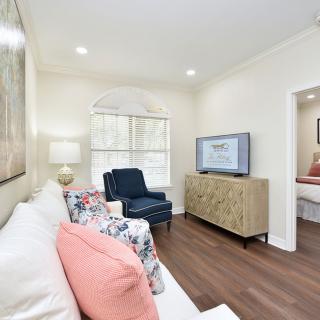

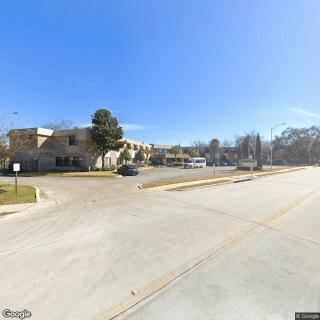
 180 resident community capacity
 Skilled Nursing Facility
 Air-conditioning
 Beauty salon
 Cable or satellite TV
 Computer center
 Dining room
 Fitness room
 Fully furnished
 Gaming room
 Garden
 Housekeeping services
 Kitchenette
 Move-in coordination
 Outdoor space
 Private bathrooms
 Restaurant-style dining
 Small library
 Telephone
 Wellness center
 Wi-Fi/high-speed internet available
 George Bush Intercontinental (14 miles away)
 Community operated transportation
 12-16 hour nursing
 24-hour call system
 Activities of daily living assistance
 Assistance with bathing
 Assistance with dressing
 Assistance with transfers
 Diabetes diet
 Medication management
 Mental wellness program
 Special dietary restrictions
 Concierge services
 Planned day trips
 Convenient access to nearby amenities (cafes, parks, pharmacies, restaurants, places of worship).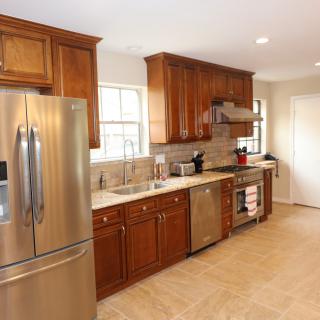




 Comprehensive Look at Senior Blood Pressure Charts: Normal and Elevated Levels by Age
 Top Canine Companions for Older Adults
 Comprehensive Guide to Blood Pressure Charts for Older Adults: Understanding Normal and High Readings by Age