

1638 Vz Cr 1803, Grand Saline, TX 75140
For more information about senior living options: (866) 208-4318
Overall Review of Country Trails Wellness & Rehabilitation Center
Pros
 The staff are kind and attentive to residents.
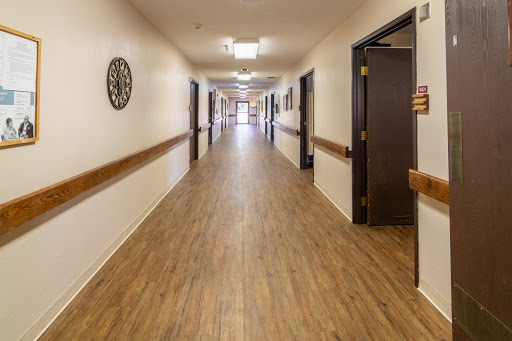
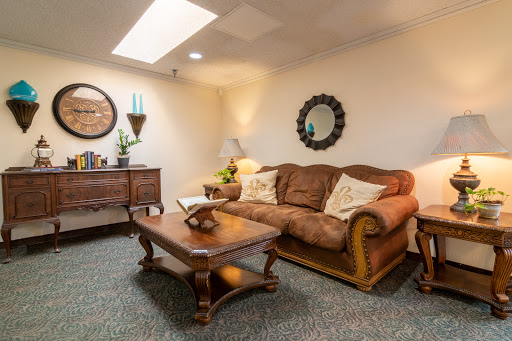
- The facility is clean and well-maintained.
- The care provided is excellent, with staff who go above and beyond.
- Residents enjoy a variety of activities that bring smiles.
- The therapy team is well-regarded and contributes to residents’ health improvements.
- Meals are enjoyed by residents and staff provide assistance as needed.
- Families would highly recommend the facility for those needing extra care or rehabilitation.
Cons
 The place is described as the worst, being understaffed, nasty, and dirty with mold everywhere.
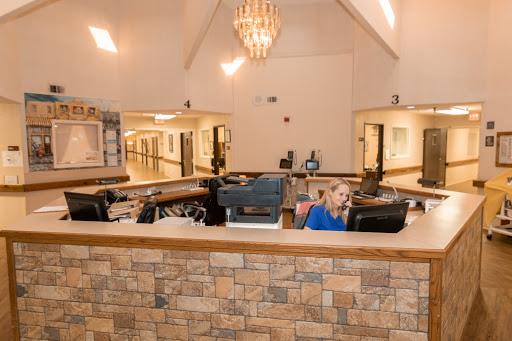
- The facility is understaffed at night and on weekends.
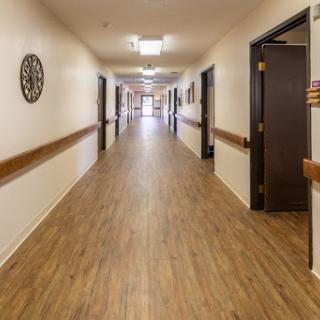
- The building is not cleaned properly.
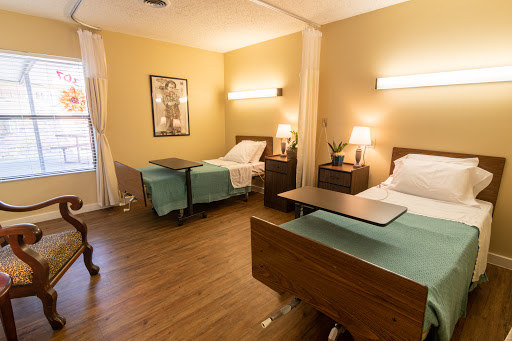
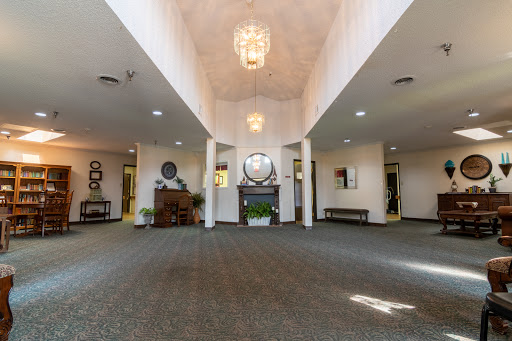
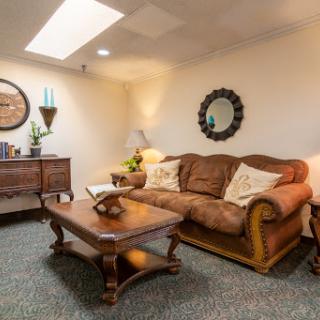
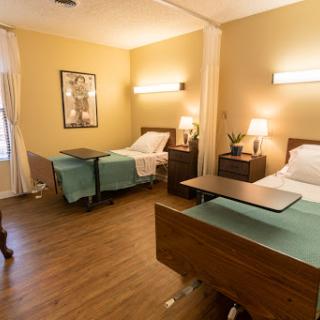
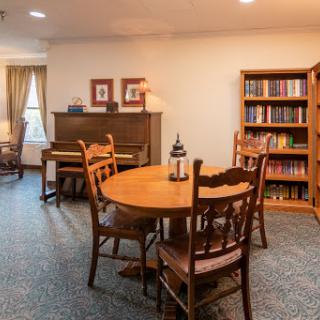
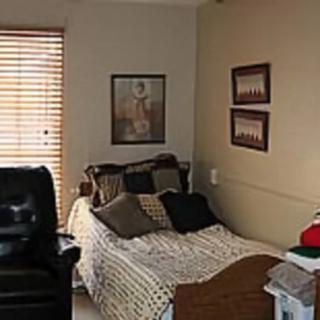
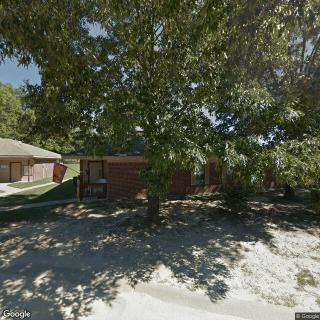
- The facility is old and the resident rooms are small and could be cleaner.
- The food could be much better and is not very appetizing.
- The reviewer states that the grandfather has been neglected and is facing death due to neglect.
Review
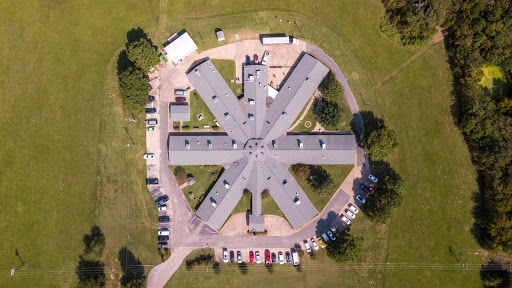
Country Trails Wellness & Rehabilitation Center in Grand Saline, TX is best suited for older adults who need hands-on daily care with a solid rehabilitation component and for families that prioritize attentive staff and structured, socially engaging routines. It’s a practical fit for residents who value genuine kindness from caregivers, consistent help with activities of daily living, and a therapy-focused approach aimed at real improvement. Those seeking a sleek, modern campus with expansive private rooms and high-end finishes may want alternatives, as the facility shows its age in footprint and amenities. For families where 24/7 oversight and pristine, odor-free environments are non-negotiable, other options should be explored.
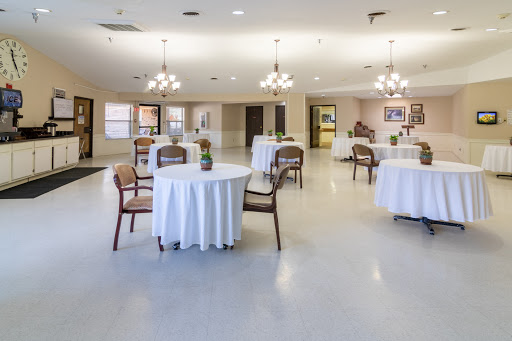
The strongest case for Country Trails rests on the consistency and warmth of the caregiving staff, and on a therapy team that residents often praise for progress and encouragement. Families frequently report that aides and nurses are attentive, personable, and responsive to both routine needs and more serious health concerns. The rehab side is cited as notably effective, with residents sometimes making meaningful gains in mobility and health, and even the dining experience can be a bright spot when a relative enjoys a particular meal. The atmosphere in activities and daily life tends to feel purposeful, with programs designed to bring smiles and engagement to residents who participate.
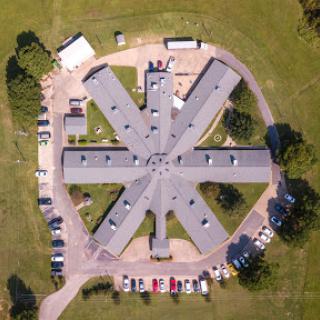
Yet serious cautions shadow those strengths. A recurring thread centers on staffing gaps, especially at night and on weekends, which can translate into delayed assistance and fraught moments for residents on call-light systems. Several firsthand accounts describe situations where urgent needs went unmet for a time, leading to frustration and fear of slipping through the cracks. On the physical side, the campus is described as old with small rooms; cleanliness and upkeep are not uniformly reassuring, and a few reviewers allege mold or lingering odor, points that matter to families prioritizing a pristine, homelike environment. Food quality also emerges as inconsistent, with some residents enjoying meals while others find options uninspiring.
These competing realities force a clear accounting of whether the positives can offset the cons. When rehab and daily support are the priorities, the genuine kindness of staff and the structured activity calendar can deliver reliable, tangible advantages. If a resident’s progress hinges on regular therapy and someone consistently looking out for safety and comfort, Country Trails can be a sound accelerator, provided staffing levels are predictable and adequate. The major counterweight is safety risk: without confident night-and-weekend coverage and a consistently clean, well-maintained setting, the facility’s earned goodwill can fray quickly. Families should press for concrete guarantees on nurse availability, response times, and an actionable plan to address cleanliness and room upgrades before committing long-term.
For families weighing options, the move hinges on how critical 24/7 supervision and a modern-feel environment are to the loved one. Those who value a calm, engaged rehab milieu and are prepared to tolerate an older campus with small rooms and variable daily upkeep may find Country Trails a practical, competent choice. Others, especially those who saw red flags around neglected call lights, mold concerns, or inconsistent food quality, would be wise to compare nearby facilities with stronger staffing guarantees and newer facilities. Conducting site visits at different times, asking specific questions about nighttime nurse ratios, maintenance schedules, and the current status of dining and housekeeping, will reveal whether Country Trails aligns with the specific safety and comfort thresholds required.
In the final assessment, Country Trails offers a dependable option for families prioritizing compassionate caregiving and meaningful rehabilitation, tempered by clear vulnerabilities in staffing consistency and facility condition. It is not a misfit for the right resident, but it is not the best choice for those needing unwavering 24/7 coverage, pristine surroundings, and uniformly high dining standards. If these latter criteria define the decision, explore alternatives with stronger staffing models and more contemporary amenities. For other families, a candid plan that emphasizes staffing assurances, ongoing quality checks, and a structured activity-forward routine can make Country Trails a pragmatic, effective path to steady living, recovery, and daily reassurance.
 84 resident community capacity
 Skilled Nursing Facility
 Air-conditioning
 Beauty salon
 Cable or satellite TV
 Computer center
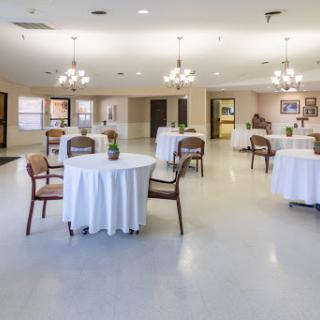
 Dining room
 Fitness room
 Fully furnished
 Gaming room
 Garden
 Housekeeping services
 Kitchenette
 Move-in coordination
 Outdoor space
 Private bathrooms
 Restaurant-style dining
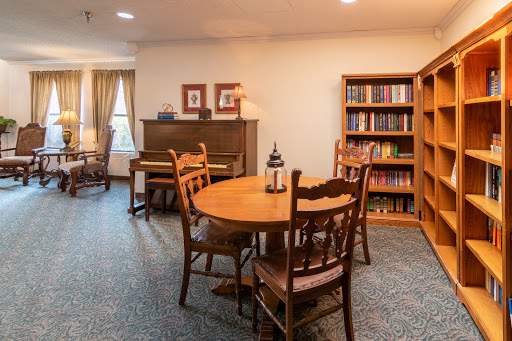
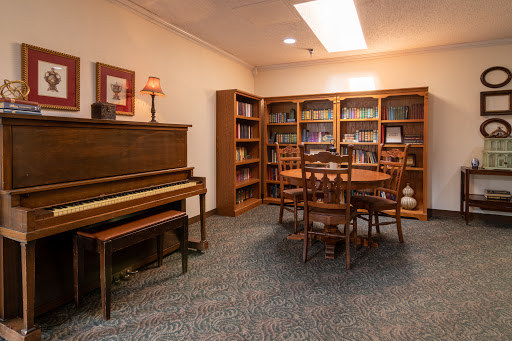
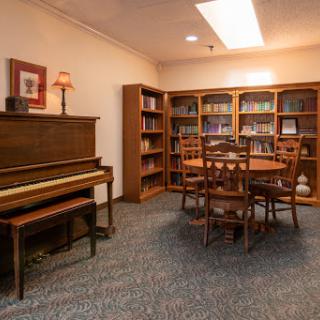
 Small library
 Telephone
 Wellness center
 Wi-Fi/high-speed internet available
 Community operated transportation
 12-16 hour nursing
 24-hour call system
 Activities of daily living assistance
 Assistance with bathing
 Assistance with dressing
 Assistance with transfers
 Diabetes diet
 Medication management
 Mental wellness program
 Special dietary restrictions
 Concierge services
 Planned day trips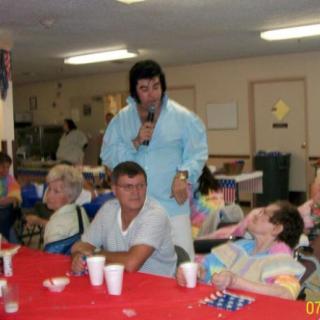





 Essential Knowledge on Pneumonia in Older Adults
 Exploring Palliative Care in the Home: A Comprehensive Overview
 Comprehensive Insights into Palliative Home Care: What It Is and What to Expect