Anderson Nursing Center in Grand Saline, TX

Save
Anderson Nursing Center

Anderson Nursing Center in Grand Saline, TX

520 Bradburn Road, Grand Saline, TX 75140

For more information about senior living options: (844) 490-3973

4 from 6 reviews
5 stars
3
4 stars
1
3 stars
1
2 stars
1
1 stars
0

Skilled Nursing Facility

Overall Review of Anderson Nursing Center

Pros

  • pro The staff loved him and took good care of him.
  • pro The staff were very lovely and sweet to talk with.
  • pro The staff are the friendliest people and provide great care.
  • pro The staff have been there forever.
  • pro The experience couldn't have gone better.

Cons

  • pro The reviewer notes that staff may blow off a family member who can't visit.
  • pro The reviewer's brother has been hospitalized four times in under a year and is bedridden.

Review

Anderson Nursing Center in Grand Saline, TX is best suited for seniors who value a warm, community-oriented setting with a stable, long-tenured care team. The right resident is someone who benefits from personal connections with caregivers, appreciates a friendly, neighborly atmosphere, and can rely on family involvement to help guide daily routines and care planning. This does not read as a high-acuity medical facility; it shines as a smaller, relationship-first environment where staff know residents' preferences and histories. Those who expect frequent, aggressive medical management or who cannot commit to regular family participation should consider alternatives that offer stronger on-site medical oversight and structured family engagement.

Pros that stand out in these reviews center on human-to-human warmth. Residents and families repeatedly highlight the staff's kindness, approachability, and willingness to engage in conversation. The care is described as "great" and the people as "friendliest," underscoring a culture where staff continuity matters. Long-tenured caregivers translate into familiarity with individual routines, preferences, and idiosyncrasies, which can translate into smoother days, fewer conflicts, and a more reassuring sense of security for residents who prize consistent, personable attention. The combination of warmth and stability creates a daily life where social interaction and dignity feel prioritized.

Yet, red flags appear in the mix of experiences. One account notes significant medical fragility: a resident who became bedridden and experienced multiple hospitalizations within a short window, raising questions about how the facility handles advanced medical needs and rapid changes in health status. Another review points to potential gaps in responsiveness when family members cannot visit, suggesting that the care dynamic may shift depending on family involvement. Taken together, these signals imply that while daily care and companionship can be strong, the center may be less equipped for high-acuity conditions or consistent advocacy from absent family members.

These strengths do not vanish under scrutiny; they simply shift the calculus for decision makers. For residents who are moderately dependent - requiring assistance with daily activities but not frequent hospital-level care - the established rapport with staff can offset some operational gaps. The stability of the caregiving team often means fewer revolving-door staff experiences, which helps residents feel known and valued. In practical terms, this environment rewards predictability: familiar faces, steady routines, and a culture of courtesy that can reduce confusion and anxiety for those who thrive when plans stay consistent.

For families weighing options, a clear checklist matters. Schedule time to observe interactions during peak activity periods and ask staff to describe how care plans are developed, revised, and communicated, especially for residents who become acutely ill or bedbound. Probe hospital readmission patterns and whether there is on-site access to skilled nursing, wound care, IV therapy, or therapy services. Seek specifics on how often a nurse or physician reviews each resident's status and how a discharge plan is coordinated with outside providers. If medical complexity is projections rather than rarity, or if family involvement cannot be sustained, alternatives with stronger medical supports or more formal family engagement policies may offer greater peace of mind.

Bottom line: Anderson Nursing Center delivers a genuinely person-centered, warm living environment with dedicated staff and a sense of community that can be a real boon for residents who do not require intensive medical management. The key caveat is medical fragility and the degree to which family members can participate in daily care decisions. For seniors with higher medical needs, or for families unable to visit and advocate regularly, it is prudent to explore other options that provide more robust clinical oversight and a more consistent care continuum. In practical terms, this center excels when care is balanced - moderate needs met with steady, personal attention - and falls short if the resident's health trajectory points toward frequent hospital-level care.

Features

Housing

  • 50 resident community capacity 50 resident community capacity

Types of Care

  • Skilled Nursing Facility Skilled Nursing FacilitySkilled Nursing Facilities are crucial for seniors as they provide round-the-clock medical care, rehabilitation services, and assistance with daily activities. These facilities ensure that seniors receive the specialized care they need to maintain their health and well-being as they age.

Amenities

  • Beauty salon Beauty salonBeauty salons are important for seniors because they provide a space for them to feel pampered, socialize, and maintain their personal grooming and hygiene. Regular visits to a beauty salon can help boost seniors' self-esteem and overall well-being.
  • Cable or satellite TV Cable or satellite TVCable or satellite TV is important for seniors because it provides entertainment, news, and companionship, helping to combat loneliness and boredom. It also offers a wide range of programming options tailored to different interests and preferences.
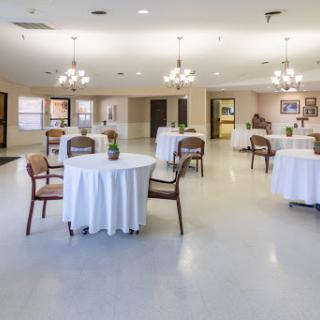
  • Dining room Dining roomDining rooms are important for seniors as they provide a space for socialization, connection, and nutritious meals. They offer opportunities for residents to bond over shared meals, foster a sense of community, and promote healthy eating habits. Dining rooms also ensure that seniors have access to well-balanced meals tailored to their dietary needs and preferences.
  • Fully furnished Fully furnishedFully furnished senior living communities are important for seniors because they provide convenience, comfort, and a hassle-free moving experience. Seniors can easily settle into their new living space without the stress of having to buy and move furniture. This allows them to focus on enjoying their new home and community.
  • Garden GardenGardens are important for seniors as they provide a peaceful and therapeutic environment for relaxation, physical activity, and socialization. Being in nature has been shown to reduce stress, improve mood, and promote overall well-being. Gardens also offer opportunities for seniors to engage in gardening activities, which can improve mobility, flexibility, and cognitive function. Additionally, gardens create a sense of community and connection with others who share a passion for plants and outdoor spaces.
  • Housekeeping services Housekeeping servicesHousekeeping services are important for seniors because they help maintain a clean and safe living environment, promote independence, and reduce the risk of accidents or illnesses. Additionally, having assistance with household chores can alleviate physical strain and allow seniors to focus on other aspects of their well-being.
  • Kitchenette KitchenetteKitchenettes are important for seniors living in senior living communities because they provide the convenience and independence of being able to prepare simple meals and snacks in the comfort of their own living space. This can help promote a sense of autonomy and well-being for seniors, allowing them to maintain some level of control over their dietary choices and daily routines.
  • Move-in coordination Move-in coordinationMove-in coordination is important for seniors because it helps ease the transition into their new living environment. It ensures that all logistics, such as packing, organizing movers, and setting up utilities are taken care of, allowing seniors to focus on settling in and adjusting to their new home. Having a smooth move-in process can alleviate stress and anxiety, making the transition smoother and more enjoyable for seniors.
  • Outdoor space Outdoor spaceOutdoor spaces are important for seniors as they provide opportunities for physical activity, social interaction, exposure to natural light and fresh air, and a sense of connection to nature. Having access to outdoor spaces can improve overall well-being and quality of life for older adults living in senior communities.
  • Restaurant-style dining Restaurant-style diningRestaurant-style dining is important for seniors because it allows them to enjoy delicious, nutritious meals in a social and upscale setting. This enhances their dining experience, promotes healthy eating habits, and fosters socialization with fellow residents, ultimately contributing to their overall well-being and quality of life.
  • Small library Small librarySmall libraries are important for seniors as they provide access to a variety of reading materials, including books, newspapers, and magazines. This can help stimulate their minds, keep them engaged, and provide a sense of community through book clubs and other social activities. Additionally, reading has been shown to improve cognitive function and overall mental well-being in older adults.
  • Telephone TelephoneTelephones are important for seniors as they provide a lifeline for communication with loved ones, emergency services, and healthcare providers. They offer a sense of security and independence, enabling seniors to stay connected and access assistance when needed.
  • Wi-Fi/high-speed internet available Wi-Fi/high-speed internet availableWi-Fi/high-speed internet is important for seniors to stay connected with loved ones, access online resources, and participate in virtual activities to combat feelings of loneliness and isolation. It also allows them to easily manage healthcare needs, access entertainment, and engage in lifelong learning opportunities.

Care Services

  • 24-hour call system 24-hour call system24-hour call systems are important for seniors because they provide peace of mind and immediate assistance in case of emergencies. This technology ensures that help is always available, promoting safety and security for elderly individuals living alone or in assisted living facilities.
  • 24-hour supervision 24-hour supervision24-hour supervision is important for seniors to ensure their safety, well-being, and access to immediate assistance in case of emergencies or health issues. This constant support provides peace of mind for both seniors and their loved ones, allowing them to age in place with dignity and security.
  • Activities of daily living assistance Activities of daily living assistanceActivities of daily living assistance are important for seniors because they provide essential support with tasks such as eating, bathing, dressing, and mobility. This assistance helps seniors maintain their independence, dignity, and overall quality of life as they age.
  • Assistance with bathing Assistance with bathingAssistance with bathing is crucial for seniors as it helps maintain personal hygiene, prevents infections, and ensures their overall well-being and comfort. It also provides a sense of dignity and independence for seniors who may struggle with this task on their own.
  • Assistance with dressing Assistance with dressingAssistance with dressing is important for seniors because it helps maintain their independence, promotes personal hygiene, prevents accidents and injuries, and improves overall quality of life. This service ensures that seniors can continue to dress comfortably and confidently, despite any physical limitations they may have.
  • Assistance with transfers Assistance with transfersAssistance with transfers is crucial for seniors as it helps prevent falls and injuries, maintains their independence, and ensures they can safely navigate their living environment. It also provides peace of mind for both seniors and their loved ones.
  • Diabetes diet Diabetes dietA diabetes diet is crucial for seniors as it helps manage blood sugar levels, reduce risks of complications, and improve overall health and well-being. By following a balanced and nutritious diet tailored to their specific needs, seniors can better control their diabetes and enhance their quality of life.
  • Meal preparation and service Meal preparation and serviceMeal preparation and service are crucial for seniors as they may have limited mobility or energy to cook nutritious meals. Having access to healthy and convenient food options can ensure they are getting the proper nutrition needed to maintain their overall health and well-being.
  • Medication management Medication managementMedication management is crucial for seniors to ensure they are taking the right medications at the correct dosages and times. This helps prevent adverse drug interactions, reduces the risk of medication errors, and promotes overall health and well-being. Proactive management also allows for adjustments as needed based on changing health conditions or new prescriptions.
  • Mental wellness program Mental wellness programMental wellness programs are essential for seniors as they promote cognitive stimulation, emotional support, and social engagement. These programs help prevent isolation, depression, and cognitive decline, ultimately enhancing the overall quality of life for older adults.
  • Special dietary restrictions Special dietary restrictionsSpecial dietary restrictions are important for seniors because age-related changes in metabolism and health conditions can make it difficult for their bodies to process certain foods. By following a diet tailored to their specific needs, seniors can maintain their overall health and well-being, manage chronic conditions, and reduce the risk of complications such as malnutrition or food interactions with medications.
Dining

  • Diabetes diet Diabetes dietA diabetes diet is crucial for seniors as it helps manage blood sugar levels, reduce risks of complications, and improve overall health and well-being. By following a balanced and nutritious diet tailored to their specific needs, seniors can better control their diabetes and enhance their quality of life.
  • Special dietary restrictions Special dietary restrictionsSpecial dietary restrictions are important for seniors because age-related changes in metabolism and health conditions can make it difficult for their bodies to process certain foods. By following a diet tailored to their specific needs, seniors can maintain their overall health and well-being, manage chronic conditions, and reduce the risk of complications such as malnutrition or food interactions with medications.

Activities

  • Community-sponsored activities Community-sponsored activitiesCommunity-sponsored activities are important for seniors as they provide opportunities for social interaction, mental stimulation, and physical activity. These activities can help improve overall well-being, combat loneliness and isolation, and promote a sense of belonging and purpose among older adults.
  • Resident-run activities Resident-run activitiesResident-run activities are important for seniors as they encourage social interaction, creativity, and a sense of autonomy. These activities empower seniors to stay engaged and active in their community while fostering meaningful connections with their peers.
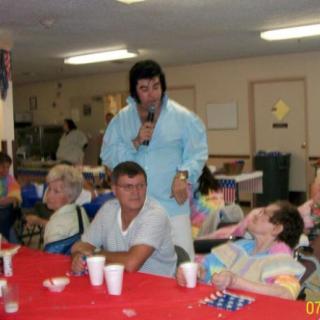
  • Scheduled daily activities Scheduled daily activitiesScheduled daily activities are important for seniors because they provide structure, socialization, mental stimulation, and physical activity. Engaging in regular activities can improve overall well-being and quality of life for seniors living in a community setting.

Description

Anderson Nursing Center in Grand Saline, TX is an assisted living community that offers a wide range of amenities and care services to ensure the comfort and well-being of its residents.

The community provides fully furnished living spaces with cable or satellite TV, Wi-Fi/high-speed internet, and telephone services. Residents can enjoy delicious meals in the dining room with restaurant-style dining options and special dietary restrictions are taken into consideration. For those who prefer to cook their own meals, there is a kitchenette available.

Anderson Nursing Center also offers various recreational activities to keep residents engaged and active. Resident-run activities and scheduled daily activities are organized for entertainment and socialization purposes. There is also a small library where residents can indulge in reading and expand their knowledge.

In terms of care services, the community provides 24-hour supervision to ensure the safety of its residents. Assistance with daily living tasks such as bathing, dressing, and transfers is available as needed. The staff at Anderson Nursing Center also offer medication management services for those who require it. A mental wellness program is in place to support the emotional well-being of residents.

Move-in coordination services are provided to assist with the transition into the community, making it as smooth as possible for new residents. Housekeeping services are available to maintain cleanliness and tidiness within each living space.

Located conveniently near parks, pharmacies, physicians, restaurants, places of worship, and hospitals, Anderson Nursing Center ensures that residents have easy access to essential amenities and healthcare facilities.

Overall, Anderson Nursing Center is a well-equipped assisted living community that prioritizes the comfort, care, and happiness of its residents while providing them with a welcoming environment where they can live independently yet receive assistance when needed.

Nearby Places of Interest

Pharmacies

  • Economy Drug (0.3 miles)
  • Brookshire Food & Pharmacy (0.7 miles)
  • Brookshire's Pharmacy (0.7 miles)
  • Edgewood Drug (10.8 miles)
  • Brookshire's (11.1 miles)
  • Advanced Pharmacy (11.5 miles)
  • Kelly Drug (12.4 miles)

Parks

  • Depot Plaza Park (0.6 miles)
  • Edgewood City Park (10.6 miles)
  • Dog Town (12.4 miles)
  • Mineola Nature Preserve (12.5 miles)

Physicians

  • Chesnut's Hearing Aid Center (0.6 miles)
  • Grand Saline Clinic (1.2 miles)
  • East TX Medical Center-Carthage (1.2 miles)
  • Avada Hearing Care Center (12.4 miles)
  • Bankhead Medical Clinic (12.4 miles)
  • Avada Audiology & Hearing Care (12.5 miles)
  • CHRISTUS Trinity Clinic - DeHaven Eye Center Mineola (12.5 miles)

Hospitals

  • Texas General Hospital (1.2 miles)
  • Cozby-Germany Hospital (1.2 miles)
  • Renal Care Group Of Mineola (12.4 miles)

Restaurants

  • Sonic Drive-In (1.2 miles)
  • La Cabana Mexican Restaurant (8.6 miles)
  • Connie's Place (8.6 miles)
  • Hamigua's Asian Fusion (10.6 miles)
  • Taco Man (10.6 miles)
  • Stoney's Dinner Bell (11.3 miles)
  • Panda Express (11.3 miles)

Places of Worship

  • Sand Flat Mssnry Baptist Ch (4.5 miles)
  • Church of Christ (5.1 miles)
  • First Fruitvale (6 miles)
  • Cottonwood Assembly of God (6.8 miles)
  • Pilgrims Rest Number 2 Church (8.8 miles)
  • Willow Springs Mennonite Church (9.7 miles)
  • Bethlehem Baptist Church (11 miles)

Cafes

  • Alba Cafe (8.6 miles)
  • Connies Cafe (8.6 miles)
  • Lumberyard Cafe (10.2 miles)
  • Brewhaha's Coffee Shop (12.4 miles)
  • The Works Caffeine Window (12.5 miles)
  • Latham Bakery (12.7 miles)

Transportation

  • Tailwind Airpark (10.6 miles)
  • Canton Airport (11.7 miles)
  • U-Haul Neighborhood Dealer (11.8 miles)
  • Amtrak MIN (12.4 miles)
  • Mineola Train Station (12.4 miles)

Frequently Asked Questions

Where is Anderson Nursing Center?

Nearby Communities

  • Azalea Trail Nursing And Rehabilitation Center

    Azalea Trail Nursing And Rehabilitation Center

    Grand Saline, TX

    4.2 from 19 reviews
     

    pro Clean, well-kept facility with ample amenities and engaging activities.

  • Country Trails Wellness & Rehabilitation Center

    Country Trails Wellness & Rehabilitation Center

    Grand Saline, TX

    3.9 from 22 reviews
     

    pro Competent caregivers with responsive management

  • Edgewood Seniors Community

    Edgewood Seniors Community

    Edgewood, TX

    3.3 from 3 reviews
     

  • Van Healthcare

    Van Healthcare

    Van, TX

    3.5 from 12 reviews
     

    pro Compact, intimate community with 24/7 care, diabetes and mental wellness programs, plus restaurant-style dining.

  • Wood Memorial Nursing And Rehabilitation Center

    Wood Memorial Nursing And Rehabilitation Center

    Mineola, TX


    pro Extensive on-site amenities and 24/7 supervision.

  • Mineola Senior Communities

    Mineola Senior Communities

    Mineola, TX

    4.5 from 6 reviews
     

    pro Nearby amenities and healthcare access; serene setting.

  • Country Place Senior Living

    Country Place Senior Living

    Canton, TX


    pro 24-hour supervision with ADL assistance and medication management.

  • Canton Oaks

    Canton Oaks

    Canton, TX

    4.2 from 68 reviews
     

    pro Caring, attentive staff with strong physical therapy and a clean, well-maintained environment.

  • The Gardens At Hawkins

    The Gardens At Hawkins

    Hawkins, TX

    2.5 from 10 reviews
    $3,200 / month

    pro Attentive staff and larger rooms in a quiet, rural setting.

Skilled Nursing Facility in Nearby Cities

Related Resources

  • memory games for seniors9 Stimulating Memory Activities for Seniors: Puzzles, Cards, and Much More

    The article highlights nine memory-boosting activities for seniors that enhance cognitive health and social interaction, including puzzles, trivia quizzes, and storytelling, while emphasizing the importance of adapting these activities to individual preferences to maximize enjoyment and engagement. Consistent mental engagement is linked to improved cognitive function and emotional well-being in older adults.

  • what happens when medicare stops paying for nursing home careManaging Nursing Home Expenses After Medicare Coverage Ends

    Medicare provides limited coverage for skilled nursing home care, covering full benefits for the first 20 days and partial benefits up to 100 days under certain conditions, after which families must explore alternative funding options like Medicaid or long-term care insurance to manage potentially high costs. Proactive planning is essential to navigate the complexities of financing ongoing care once Medicare coverage ends.

  • geriatric care managerIs a Geriatric Care Manager the Right Choice for Your Family?

    Geriatric care managers create personalized care plans for older adults, addressing their medical, social, financial, and psychological needs while coordinating services and advocating for their well-being. They help families navigate caregiving challenges but may be hindered by high costs and a shortage of qualified professionals.