
320 Greenville Highway, Mineola, TX 75773
For more information about senior living options: (866) 208-4318
Overall Review of Wood Memorial Nursing And Rehabilitation Center
Pros
 Clean facility with caring staff and administration.
- It is a nice place, and the staff are always nice and friendly.
- The manager was very helpful when they first made contact.
- The care provided has been impressive; the home is clean and well maintained; staff are friendly and respectful.
- They are happy with their decision to move a beloved family member there.
Cons
 The facility is understaffed and not a nice place.
- The entire facility smells like urine, and the grandmother was neglected; the staff were not upfront or honest, and inappropriate medication was given to her.
- The staff are lazy and rude, and the place smells horrible; it would not be recommended.
- The staff are lazy, inconsiderate, and very rude; the place is filthy, and one would not trust a loved one to them.
- Staff did not speak to the family as the mother was dying, not even the administrator.
- They short-staff the facility and overload a single aide with 50 residents, like it’s a hospital.
- The nurse knew nothing about the patient’s situation; staff were very rude; it felt like a prison and the elder was miserable; it was the worst nursing home seen.
Review
Wood Memorial Nursing and Rehabilitation Center in Mineola is best suited for families who need a budget-conscious option and are prepared to supervise care closely. It can serve residents who do not require intensive, around-the-clock medical oversight and who can benefit from a clean, orderly environment when operations are running smoothly. The facility may work for short-term rehab or transitional scenarios where relatives can visit frequently, ask pointed questions, and demand consistent accountability from leadership. In those moments when staffing aligns and administration is proactive, care experiences can feel competent and respectful. But that level of reliability appears intermittent, meaning this option is most appropriate for families who are ready to stay engaged, manage expectations, and intervene as needed rather than passively rely on routine care.
Explicitly, those with strong tolerance for variability in day-to-day care may want to consider alternatives. The reviews reveal persistent concerns about staffing levels and the pace of assistance, which translate into real risks for residents who need timely help with mobility, toileting, or daily activities. In addition, multiple accounts allege neglect and unethical practices, including inappropriate medication handling, which undermines safety and trust. For a loved one with complex medical needs, fragile health, or a history of falls, the potential gaps in coverage and communication make other facilities a more prudent choice. Families seeking predictable routines, consistent staff presence, and transparent, immediate problem-solving will likely find more reliable options elsewhere.
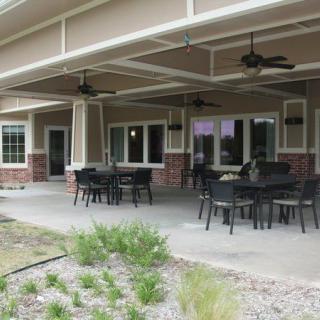
On the plus side, the strongest positives point to a clean facility with periods of cordial, capable administration and staff. When staffing is sufficient and the care team is engaged, reviewers describe pleasant interactions, timely communication with families, and a sense that the environment is well maintained. This suggests that the infrastructure and the core team can deliver decent care under the right conditions. The administrator’s responsiveness in initial contacts and certain care experiences also indicates a potential for solid oversight and a respectful tone toward residents and families. These favorable moments demonstrate that Wood Memorial is not inherently unworkable; rather, its performance hinges heavily on consistent leadership, reliable staffing, and ongoing attention to day-to-day operations.
However, the bottom-line reality across reviews is that the cons often overwhelm the pros. Understaffing is a recurring theme, with complaints that one aide handles too many residents and that staff are overwhelmed, lazy, or rude. Odors, cleanliness dips, and shortages of essential supplies like adult diapers and bed pads recur in several accounts, painting a picture of a facility that cannot reliably meet basic daily needs. Reports of miscommunication or withholding information, and even accusations of unethical discharge practices, dumping residents at hospitals and not reclaiming them, deeply erode trust and raise serious safety concerns. At least one account frames the environment as prison-like, underscoring a perceived loss of dignity and autonomy for residents. Taken together, these factors push the balance toward caution for families weighing risk against cost.
For families that still lean toward exploring this community, a practical, action-oriented approach should guide the process. Begin with an on-site tour that includes direct observation of aides assisting residents and unfiltered conversations with front-line staff, the charge nurse, and the administrator. Require a written, current care plan that details medications, therapies, mobility support, wound care, and escalation procedures. Probe staffing patterns by shift, insist on real-world response times for call lights, and demand transparent documentation around medication administration and incident reporting. Request recent quality metrics, inspection results, and any history of penalties or corrective action plans. Ask about the policy on readmissions and transfers, and confirm a clear, trackable process for addressing complaints with timely leadership responses.
The verdict remains that Wood Memorial is not universally suitable. It can be a workable option only for families willing to engage aggressively, demand consistency, and accept the risk that care quality may fluctuate. For many families, the combination of staffing instability, gaps in daily care, and concerns about safety and ethics makes alternatives more compelling. If choosing this facility, proceed with a concrete oversight framework: scheduled family check-ins, explicit expectations in writing, rapid escalation pathways, and a readiness to move to a different setting if care does not meet agreed-upon standards. In practical terms, this community demands vigilance, and only those prepared to maintain rigorous oversight will find a measure of reassurance amid the mixed track record.
 115 resident community capacity
 Skilled Nursing Facility
 Air-conditioning
 Beauty salon
 Cable or satellite TV
 Computer center
 Dining room
 Fitness room
 Fully furnished
 Gaming room
 Garden
 Housekeeping services
 Kitchenette
 Move-in coordination
 Outdoor space
 Private bathrooms
 Restaurant-style dining
 Small library
 Telephone
 Wellness center
 Wi-Fi/high-speed internet available
 Tyler Pounds (23 miles away)
 Community operated transportation
 12-16 hour nursing
 24-hour call system
 Activities of daily living assistance
 Assistance with bathing
 Assistance with dressing
 Assistance with transfers
 Diabetes diet
 Medication management
 Mental wellness program
 Special dietary restrictions
 Concierge services
 Planned day trips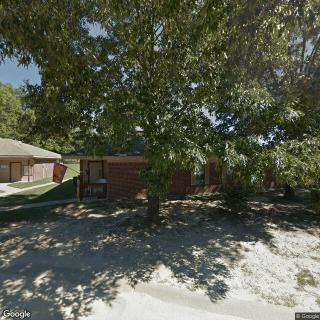





 Fecal Incontinence in Older Adults: A Comprehensive Guide
 Recognizing the Journey: Understanding and Navigating Anticipatory Grief
 Encouraging Participation in Adult Day Care: A Guide to Supporting a Hesitant Parent