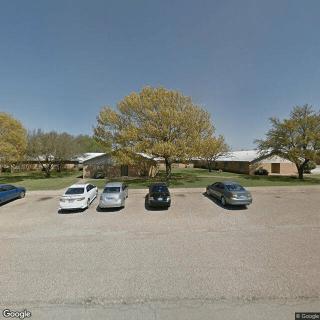
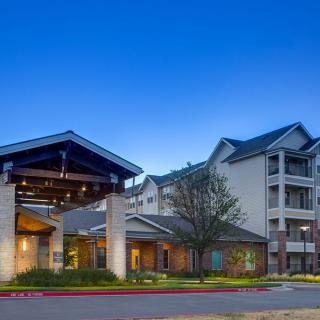
The Meadows

Save

The Meadows

110 Chicktown Road, Gatesville, TX 76528

For more information about senior living options: (844) 490-3973

2.9 from 97 reviews
5 stars
36
4 stars
7
3 stars
6
2 stars
4
1 stars
44

Skilled Nursing Facility

What level of care are you interested in?

Assisted Living

Memory Care

Independent Living

Skilled Nursing Facility

Continuing Care Retirement Community (CCRC)CCRC

Other


Request a tour at The Meadows

    Overall Review of The Meadows

    Pros

    • pro Staff across the hospital were described as absolutely amazing with consistently caring, high-quality care.
    • pro Dr. Bawduniak and his team were praised as organized and professional, and the colonoscopy was smooth with clear information.
    • pro The ER to hospitalization experience was called amazing, with the team described as caring and the facility conveniently close to home.
    • pro The front-line staff were noted as nice, understanding, and able to keep children calm and comfortable during emergencies.
    • pro Dr. Matli is regarded as the best by this patient.
    • pro The care team helped the patient get through a really rough patch.

    Cons

    • pro The reviewer alleges that Landon Belcher lied about checking for calcium oxalate crystals and never performed the test.
    • pro Sabri Zooper allegedly left the patient in severe pain by not prescribing a medication that could help and was described as unprofessional and confrontational.
    • pro The hospital is criticized for prioritizing inmates over locals and for discriminatory policies.
    • pro Billing practices are described as confusing or incorrect, including colonoscopy coding and copayment disputes.
    • pro The ER staff are accused of dismissing the patient's ozone exposure symptoms and failing to respond appropriately.
    • pro Quick Care reportedly refused to see three sick children due to a PCP error, which is deemed wrong.
    • pro Home health services are described as unprofessional, with yelling and poor communication, leading to inadequate care.
    • pro Doctors are accused of ignoring the patient's pain and being reluctant to provide effective pain medication.

    Review

    A spanning set of patient voices paints a sharply divided picture of experiences at this hospital. On one end of the spectrum are accounts that frame encounters with certain clinicians as troubling or even accusatory, with claims of neglect or miscommunication that left patients feeling unheard and mistreated. On the other end are stories of compassionate care and professionalism that persist despite the same system's acknowledged flaws. Taken together, these experiences outline a complex reality in which medical care and patient advocacy sometimes align - and other times clash in ways that leave lasting impressions about trust, respect, and reliability.

    Several patients describe specific confrontations with physicians that have left them feeling betrayed or dismissed. One recurring claim centers on a physician named Landon Belcher, MD. A reviewer asserts that Dr. Belcher "lied to me when I asked him to check for calcium oxalate crystals in my urine," insisting that the doctor claimed the crystals were not found even though the test was never performed. The reviewer contends that without any documentation of the test in the results, it would be impossible for the physician to know the outcome. The same narrative uses strong language, alleging that "Mr. Belcher lied to my face" and criticizing the physician for failing to listen or test appropriately. The implication drawn is that such conduct undermines a patient's ability to manage a chronic condition like secondary hyperoxaluria and raises questions about accountability and communication in the clinical encounter.

    A related critique targets another physician, Sabri Zooper, MD. In a sequence of remarks that appear to come directly from the patient's notes, the reviewer recounts a moment when Dr. Zooper asked, "Has any doctor put you on the medication to counter the calcium oxalate crystals in your urine?" and then prescribed nothing. The patient expresses deep frustration that information about a treatment option was offered but not acted upon, leaving them "in severe pain." The reviewer characterizes Dr. Zooper as unhelpful and describes a pattern of confrontation rather than problem-solving, accusing her of bullying and unprofessional behavior. The combination of information given and the lack of subsequent action is portrayed as a failure to connect with and support the patient's needs.

    Beyond individual clinicians, broader concerns are voiced about how care is administered and who gets priority. A recurring sentiment is that patients feel they must fight to be heard, and that some staff may distance themselves from patients who do not fit certain expectations. A narrative highlights an impression of power dynamics at play - "These doctors refuse to see the crystals via my urine because they refuse to look/test. This is an abuse of power." The sense of being dismissed - especially when discussing a medically recognized condition like hyperoxaluria - contributes to a broader impression of a system that doesn't always respond to patient concerns with clarity or compassion. The emotional toll of such experiences is underscored by descriptions of ever-increasing frustration and a paradoxical sense of invisibility within the care setting.

    Amid these criticisms, there are also voices of gratitude that acknowledge positive experiences within the same facility. Several reviewers recount moments of relief and appreciation after being admitted or treated by hospital staff. One patient describes feeling supported and safe as the team "got me through a really rough patch," expressing thanks to the doctors, nurses, staff, and all support personnel who made the hospital feel "safe and comfortable." Others recount encounters with compassionate ER staff or clinicians who listened and took the time to explain procedures, contributing to a sense that, when functioning at its best, the facility can provide high-quality, patient-centered care.

    Practical and administrative irritants emerge in multiple reviews, complicating the clinical experience even when care itself is competent. Billing and scheduling issues are recurring themes. One account describes a billing discrepancy after a colonoscopy, with confusing codes and refunds that left the patient feeling shortchanged and frustrated about payment expectations. Another entry reflects confusion over whether a preventive procedure was performed for the right reasons and notes misalignment between patient history and insurance coverage. In another scenario, a parent brings a child to urgent care, only to be told the visit could not be accommodated due to a PCP-related error, despite active insurance. These stories collectively highlight how administrative friction can amplify the stress of medical concerns and erode trust in the system as a whole.

    There are also stark accounts of less familiar or more alarming events that reflect gaps in both knowledge and responsiveness. One patient describes an ER visit involving an ozone therapy device encountered in a travel trailer. The patient reports immediate distress - tachycardia, severe coughing, and neuropathy - and explains that the ER staff did not recognize the device, leaving the patient to seek guidance from poison control. The exchange underscores a tension between patient expertise and staff familiarity with emerging or unconventional therapies, suggesting a need for better rapid-access consultation and toxicology resources in acute settings.

    Despite the varied and often harsh feedback, there are testimonials that emphasize the human elements of care. A number highlight the empathy, patience, and professionalism of caregivers in moments of need. Some reviewers speak warmly about colleagues who listened, provided explanations, and offered reassurance, even as others in the same facility may have fallen short. The overarching narrative is not simply about individual triumphs or failures; it's about a system that contains both enabling and obstructive forces. The resulting picture is one of a health care environment capable of excellent, compassionate care when it works well, yet prone to communication gaps, administrative hurdles, and interpersonal friction that can erode trust and compounding frustration for patients already navigating serious health concerns.

    Taken together, these accounts sketch a hospital experience that is deeply contingent on who is involved, how information is conveyed, and how administrative processes align with medical needs. For some patients, the care they received - whether in an ER, during admission, or through outpatient services - left a lasting impression of relief, competence, and gratitude. For others, the same environment felt adversarial: miscommunications, perceived dismissiveness, and missed opportunities for treatment or relief that could have meaningfully altered outcomes. The common thread is a call for clearer communication, consistent follow-through on treatment discussions, and a more patient-centered approach that respects both medical expertise and the lived experience of those seeking care.

    Features

    Housing

    • 90 resident community capacity 90 resident community capacity

    Types of Care

    • Skilled Nursing Facility Skilled Nursing FacilitySkilled Nursing Facilities are crucial for seniors as they provide round-the-clock medical care, rehabilitation services, and assistance with daily activities. These facilities ensure that seniors receive the specialized care they need to maintain their health and well-being as they age.

    Amenities

    • Air-conditioning Air-conditioningAir conditioning is important for seniors as they are more vulnerable to heat-related illnesses and may have underlying health conditions that make it difficult for them to regulate their body temperature. It helps to keep them comfortable, safe, and healthy in hot weather.
    • Beauty salon Beauty salonBeauty salons are important for seniors because they provide a space for them to feel pampered, socialize, and maintain their personal grooming and hygiene. Regular visits to a beauty salon can help boost seniors' self-esteem and overall well-being.
    • Cable or satellite TV Cable or satellite TVCable or satellite TV is important for seniors because it provides entertainment, news, and companionship, helping to combat loneliness and boredom. It also offers a wide range of programming options tailored to different interests and preferences.
    • Computer center Computer centerA computer center is essential for seniors as it provides access to technology, communication tools, and resources that can enhance their daily lives. It allows them to stay connected with loved ones, engage in online activities, and learn new skills, ultimately promoting socialization and mental stimulation.
    • Dining room Dining roomDining rooms are important for seniors as they provide a space for socialization, connection, and nutritious meals. They offer opportunities for residents to bond over shared meals, foster a sense of community, and promote healthy eating habits. Dining rooms also ensure that seniors have access to well-balanced meals tailored to their dietary needs and preferences.
    • Fitness room Fitness roomHaving a fitness room in a senior living community is essential for seniors to stay active, maintain their physical health, and improve their overall well-being. Regular exercise can help prevent falls, reduce the risk of chronic diseases, and promote mental sharpness. It also provides social opportunities for residents to connect with others and enjoy a sense of community.
    • Fully furnished Fully furnishedFully furnished senior living communities are important for seniors because they provide convenience, comfort, and a hassle-free moving experience. Seniors can easily settle into their new living space without the stress of having to buy and move furniture. This allows them to focus on enjoying their new home and community.
    • Gaming room Gaming roomGaming rooms are important for seniors as they provide a fun and engaging environment for socializing, cognitive stimulation, and physical activity. Games can improve memory, problem-solving skills, and overall mental well-being while fostering friendships and reducing feelings of isolation.
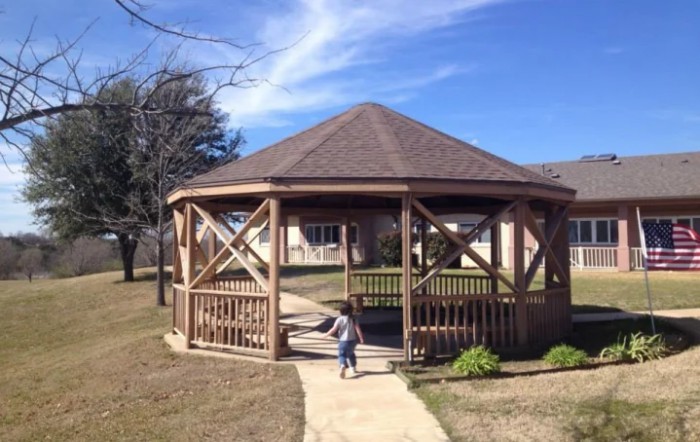
    • Garden GardenGardens are important for seniors as they provide a peaceful and therapeutic environment for relaxation, physical activity, and socialization. Being in nature has been shown to reduce stress, improve mood, and promote overall well-being. Gardens also offer opportunities for seniors to engage in gardening activities, which can improve mobility, flexibility, and cognitive function. Additionally, gardens create a sense of community and connection with others who share a passion for plants and outdoor spaces.
    • Housekeeping services Housekeeping servicesHousekeeping services are important for seniors because they help maintain a clean and safe living environment, promote independence, and reduce the risk of accidents or illnesses. Additionally, having assistance with household chores can alleviate physical strain and allow seniors to focus on other aspects of their well-being.
    • Kitchenette KitchenetteKitchenettes are important for seniors living in senior living communities because they provide the convenience and independence of being able to prepare simple meals and snacks in the comfort of their own living space. This can help promote a sense of autonomy and well-being for seniors, allowing them to maintain some level of control over their dietary choices and daily routines.
    • Move-in coordination Move-in coordinationMove-in coordination is important for seniors because it helps ease the transition into their new living environment. It ensures that all logistics, such as packing, organizing movers, and setting up utilities are taken care of, allowing seniors to focus on settling in and adjusting to their new home. Having a smooth move-in process can alleviate stress and anxiety, making the transition smoother and more enjoyable for seniors.
    • Outdoor space Outdoor spaceOutdoor spaces are important for seniors as they provide opportunities for physical activity, social interaction, exposure to natural light and fresh air, and a sense of connection to nature. Having access to outdoor spaces can improve overall well-being and quality of life for older adults living in senior communities.
    • Private bathrooms Private bathroomsPrivate bathrooms are important for seniors in senior living communities because they provide independence, dignity, and comfort. Having a private bathroom allows seniors to maintain their personal hygiene routines without the need for assistance, promoting a sense of autonomy and privacy. Additionally, private bathrooms help prevent the spread of infections and provide a safe and clean environment for seniors to navigate safely.
    • Restaurant-style dining Restaurant-style diningRestaurant-style dining is important for seniors because it allows them to enjoy delicious, nutritious meals in a social and upscale setting. This enhances their dining experience, promotes healthy eating habits, and fosters socialization with fellow residents, ultimately contributing to their overall well-being and quality of life.
    • Small library Small librarySmall libraries are important for seniors as they provide access to a variety of reading materials, including books, newspapers, and magazines. This can help stimulate their minds, keep them engaged, and provide a sense of community through book clubs and other social activities. Additionally, reading has been shown to improve cognitive function and overall mental well-being in older adults.
    • Telephone TelephoneTelephones are important for seniors as they provide a lifeline for communication with loved ones, emergency services, and healthcare providers. They offer a sense of security and independence, enabling seniors to stay connected and access assistance when needed.
    • Wellness center Wellness centerWellness centers are important for seniors because they offer a variety of programs and services that promote physical, mental, and emotional well-being. These centers provide opportunities for exercise, socialization, education, and relaxation, helping seniors maintain their overall health and quality of life.
    • Wi-Fi/high-speed internet available Wi-Fi/high-speed internet availableWi-Fi/high-speed internet is important for seniors to stay connected with loved ones, access online resources, and participate in virtual activities to combat feelings of loneliness and isolation. It also allows them to easily manage healthcare needs, access entertainment, and engage in lifelong learning opportunities.

    Transportation

    • Community operated transportation Community operated transportationCommunity operated transportation is crucial for seniors as it provides them with the means to access essential services, social activities, and medical appointments. It allows seniors to maintain their independence and quality of life by ensuring they can participate in activities outside of their homes. Additionally, community-operated transportation services offer a safe and reliable way for seniors to travel without having to rely on family or friends for assistance.
    • Transportation arrangement Transportation arrangementTransportation arrangements are crucial for seniors as they may face challenges with driving, mobility, or access to public transportation. Having reliable transportation services ensures that seniors can easily attend appointments, social activities, and maintain their independence and quality of life.
    • Transportation arrangement (non-medical) Transportation arrangement (non-medical)Transportation arrangements are essential for seniors as they provide access to essential services, activities, and social interactions outside the home. This service helps maintain independence, mobility, and overall well-being for seniors who may have limited transportation options.
    • Transportation to doctors appointments Transportation to doctors appointmentsTransportation to doctors appointments is crucial for seniors as it ensures they have access to necessary medical care and support, promoting their health and well-being. It allows them to receive timely treatment, monitor existing conditions, and address any new health concerns efficiently. Additionally, transportation services can help seniors maintain their independence and quality of life by enabling them to stay connected with their healthcare providers.

    Care Services

    • 12-16 hour nursing 12-16 hour nursing12-16 hour nursing care is crucial for seniors in order to ensure around-the-clock monitoring, timely medication administration, and prompt response to any health concerns or emergencies. This level of care helps to promote the overall well-being and safety of seniors living in senior living communities.
    • 24-hour call system 24-hour call system24-hour call systems are important for seniors because they provide peace of mind and immediate assistance in case of emergencies. This technology ensures that help is always available, promoting safety and security for elderly individuals living alone or in assisted living facilities.
    • 24-hour supervision 24-hour supervision24-hour supervision is important for seniors to ensure their safety, well-being, and access to immediate assistance in case of emergencies or health issues. This constant support provides peace of mind for both seniors and their loved ones, allowing them to age in place with dignity and security.
    • Activities of daily living assistance Activities of daily living assistanceActivities of daily living assistance are important for seniors because they provide essential support with tasks such as eating, bathing, dressing, and mobility. This assistance helps seniors maintain their independence, dignity, and overall quality of life as they age.
    • Assistance with bathing Assistance with bathingAssistance with bathing is crucial for seniors as it helps maintain personal hygiene, prevents infections, and ensures their overall well-being and comfort. It also provides a sense of dignity and independence for seniors who may struggle with this task on their own.
    • Assistance with dressing Assistance with dressingAssistance with dressing is important for seniors because it helps maintain their independence, promotes personal hygiene, prevents accidents and injuries, and improves overall quality of life. This service ensures that seniors can continue to dress comfortably and confidently, despite any physical limitations they may have.
    • Assistance with transfers Assistance with transfersAssistance with transfers is crucial for seniors as it helps prevent falls and injuries, maintains their independence, and ensures they can safely navigate their living environment. It also provides peace of mind for both seniors and their loved ones.
    • Diabetes diet Diabetes dietA diabetes diet is crucial for seniors as it helps manage blood sugar levels, reduce risks of complications, and improve overall health and well-being. By following a balanced and nutritious diet tailored to their specific needs, seniors can better control their diabetes and enhance their quality of life.
    • Meal preparation and service Meal preparation and serviceMeal preparation and service are crucial for seniors as they may have limited mobility or energy to cook nutritious meals. Having access to healthy and convenient food options can ensure they are getting the proper nutrition needed to maintain their overall health and well-being.
    • Medication management Medication managementMedication management is crucial for seniors to ensure they are taking the right medications at the correct dosages and times. This helps prevent adverse drug interactions, reduces the risk of medication errors, and promotes overall health and well-being. Proactive management also allows for adjustments as needed based on changing health conditions or new prescriptions.
    • Mental wellness program Mental wellness programMental wellness programs are essential for seniors as they promote cognitive stimulation, emotional support, and social engagement. These programs help prevent isolation, depression, and cognitive decline, ultimately enhancing the overall quality of life for older adults.
    • Special dietary restrictions Special dietary restrictionsSpecial dietary restrictions are important for seniors because age-related changes in metabolism and health conditions can make it difficult for their bodies to process certain foods. By following a diet tailored to their specific needs, seniors can maintain their overall health and well-being, manage chronic conditions, and reduce the risk of complications such as malnutrition or food interactions with medications.

    Dining

    • Diabetes diet Diabetes dietA diabetes diet is crucial for seniors as it helps manage blood sugar levels, reduce risks of complications, and improve overall health and well-being. By following a balanced and nutritious diet tailored to their specific needs, seniors can better control their diabetes and enhance their quality of life.
    • Special dietary restrictions Special dietary restrictionsSpecial dietary restrictions are important for seniors because age-related changes in metabolism and health conditions can make it difficult for their bodies to process certain foods. By following a diet tailored to their specific needs, seniors can maintain their overall health and well-being, manage chronic conditions, and reduce the risk of complications such as malnutrition or food interactions with medications.

    Activities

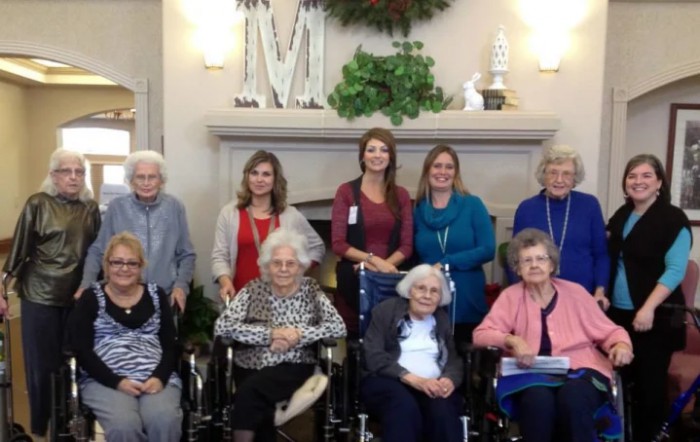
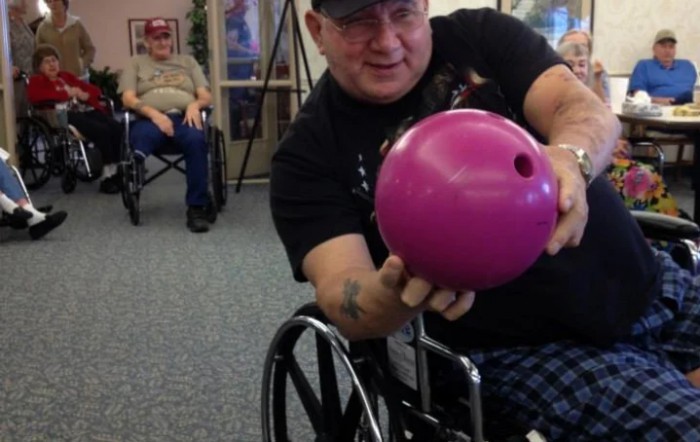
    • Community-sponsored activities Community-sponsored activitiesCommunity-sponsored activities are important for seniors as they provide opportunities for social interaction, mental stimulation, and physical activity. These activities can help improve overall well-being, combat loneliness and isolation, and promote a sense of belonging and purpose among older adults.
    • Concierge services Concierge servicesConcierge services are essential for seniors as they provide assistance with daily tasks and errands, enhance their quality of life by offering convenience and personalized care, and promote a sense of safety and security.
    • Fitness programs Fitness programsFitness programs are crucial for seniors as they help improve strength, flexibility, balance, and overall well-being. Staying active can reduce the risk of chronic diseases, improve mental health, and enhance quality of life in older adults.
    • Planned day trips Planned day tripsPlanned day trips are important for seniors because they offer opportunities for socialization, mental stimulation, and physical activity. They provide a change of scenery and help seniors stay engaged and connected to their community, promoting overall well-being and quality of life.
    • Resident-run activities Resident-run activitiesResident-run activities are important for seniors as they encourage social interaction, creativity, and a sense of autonomy. These activities empower seniors to stay engaged and active in their community while fostering meaningful connections with their peers.
    • Scheduled daily activities Scheduled daily activitiesScheduled daily activities are important for seniors because they provide structure, socialization, mental stimulation, and physical activity. Engaging in regular activities can improve overall well-being and quality of life for seniors living in a community setting.

    Description

    The Meadows in Gatesville, TX is a premier assisted living community that offers a wide range of amenities and care services to meet the unique needs of its residents. The community provides a comfortable and home-like environment where seniors can live independently while receiving the assistance they need.

    The amenities at The Meadows are designed to enhance the quality of life for residents. A beauty salon is available for pampering and grooming needs, and there is also access to cable or satellite TV for entertainment. Community operated transportation ensures that residents have easy access to nearby destinations such as shopping centers or cultural events. A computer center allows seniors to stay connected with loved ones through email or social media, while Wi-Fi/high-speed internet ensures seamless connectivity throughout the community.

    Residents can enjoy delicious meals in the dining room with restaurant-style dining that accommodates special dietary restrictions. For those who prefer more privacy, kitchenettes are available in the fully furnished apartments, allowing residents to prepare their own meals. Housekeeping services ensure that apartments are kept clean and tidy at all times.

    The Meadows also provides ample opportunities for recreation and socialization. A fitness room encourages physical activity and wellness, while gaming rooms offer entertainment options like card games or board games. Outdoor spaces including gardens provide a serene environment for relaxation or strolls. The small library appeals to avid readers, offering a quiet space for reading and learning.

    Care services at The Meadows are tailored to individual needs, with 24-hour call systems and supervision providing peace of mind for both residents and their families. Assistance with activities of daily living such as bathing, dressing, and transfers help seniors maintain their independence while receiving necessary support. Medication management ensures that medications are taken on time and correctly.

    Transportation arrangements are available for non-medical purposes like shopping trips or social outings, as well as transportation to doctors' appointments when needed. Move-in coordination assists new residents in settling into their new home seamlessly.

    In terms of nearby conveniences, The Meadows is surrounded by parks, pharmacies, physicians' offices, restaurants, places of worship, theaters, and hospitals. This ensures that residents have easy access to various services and entertainment options.

    The Meadows in Gatesville, TX offers a vibrant and supportive community where seniors can live comfortably and enjoy a high quality of life. With a range of amenities and care services, residents can receive the assistance they need while maintaining their independence and engaging in fulfilling activities.

    Nearby Places of Interest

    Places of Worship

    • Southern Baptist Convention (0 miles)
    • First Baptist Church (0.2 miles)
    • Grace Assembly Christain Church (0.2 miles)
    • Harvesting Souls International Church (0.3 miles)
    • Disciples Of The Rock Ministry (0.7 miles)
    • Tabernacle of Praise (0.8 miles)
    • Church of Christ Main St (0.8 miles)

    Restaurants

    • Donuts To Go (0 miles)
    • Super Buffet (0.2 miles)
    • El Tapatio (0.2 miles)
    • Park Street Burgers (0.2 miles)
    • The Knife & Cork (0.3 miles)
    • The Feed Mill (0.3 miles)
    • County Line Pizza (0.4 miles)

    Parks

    • Raby Park (0.3 miles)
    • Faunt Leroy Park (0.6 miles)
    • Fauntleroy Park (0.8 miles)
    • Amsler Park (19.5 miles)
    • Playground (20.8 miles)
    • Long Branch Park (22.3 miles)

    Transportation

    • U-Haul Neighborhood Dealer (0.7 miles)
    • U-Haul Neighborhood Dealer (2.3 miles)
    • Gatesville Municipal Arprt-Gop (3.2 miles)

    Pharmacies

    • Gatesville Drug (0.8 miles)
    • Walgreens (1.7 miles)
    • Walmart Pharmacy (1.9 miles)
    • Brookshire Brothers Pharmacy (19.2 miles)
    • Fred's Pharmacy (20.1 miles)
    • Clear Creek Pharmacy (21.5 miles)

    Physicians

    • Bealka Jr, Neil M, MD (0.9 miles)
    • Rowe Russell S Real Skin Dermatology Gatesville (2.1 miles)
    • Coryell Medical Clinic (2.1 miles)
    • Central Texas Sport & Spine Center (22.5 miles)
    • Metroplex Health System Rehabilitation Center (22.6 miles)
    • Family & Children's Clinic (22.6 miles)
    • Roderick C. Hunter Jr Dpm - Metroplex Clini (22.6 miles)

    Theaters

    • Gatesville Drive-In (1.9 miles)
    • Cinema-N-Video (2 miles)

    Hospitals

    • Coryell Memorial Hospital (2.1 miles)

    Frequently Asked Questions

    Where is The Meadows?
    What photos are available for The Meadows in Gatesville, Texas?

    Nearby Communities

    Skilled Nursing Facility in Nearby Cities

    Related Resources

    • anticipatory griefRecognizing the Journey: Understanding and Navigating Anticipatory Grief

      Anticipatory grief is an emotional response to the impending loss of a loved one, characterized by complex emotions such as sadness and anger, and involves navigating stages similar to those identified by Kübler-Ross. Coping strategies are vital for managing this process, emphasizing compassionate communication, self-care, and support groups while recognizing the cultural influences on grieving.

    • adult day careEncouraging Participation in Adult Day Care: A Guide to Supporting a Hesitant Parent

      Adult day care programs offer essential support and activities for older adults, yet many hesitate to participate due to concerns about independence and stigma. To alleviate these apprehensions, families should facilitate open discussions, explore financial resources, suggest trial visits, and collaborate with healthcare providers to highlight the benefits of such services for both the participants and their caregivers.

    • living will definitionComprehensive Exploration of Living Wills and Other Advance Directives

      Living wills and advance directives are crucial legal documents that outline an individual's healthcare preferences when they cannot make decisions themselves, enhancing patient autonomy and alleviating family stress during medical crises. The article emphasizes the need for these documents to be personalized, legally valid, and regularly updated, while also encouraging communication about end-of-life wishes among family members and healthcare providers.


    Get Pricing Ask A Question Schedule A Tour Contact Senior Advisor