
Immanuel's Healthcare

Save

  • Interior

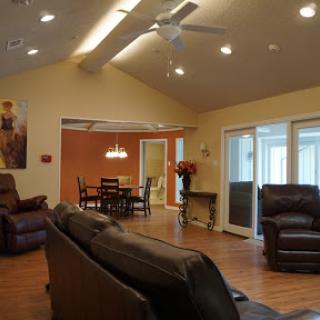
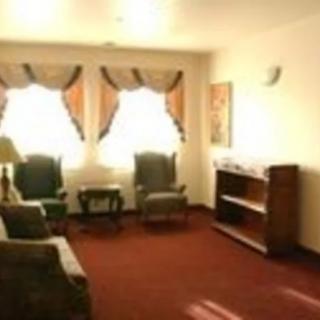
    A cozy living room with armchairs, a small table, and windows adorned with curtains.
  • Decor

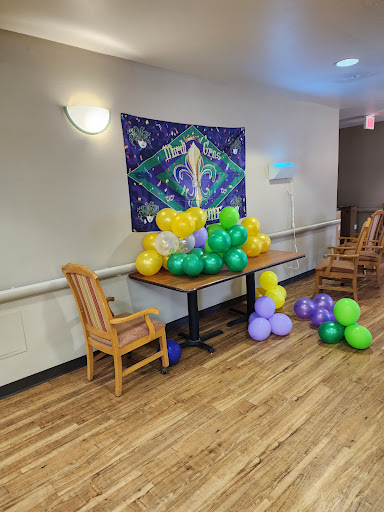
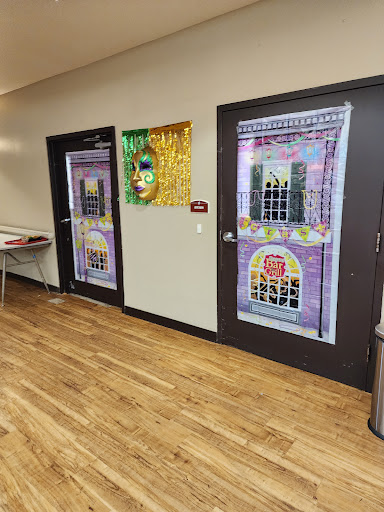
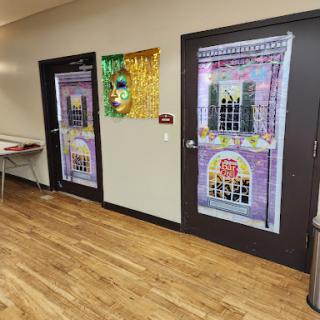
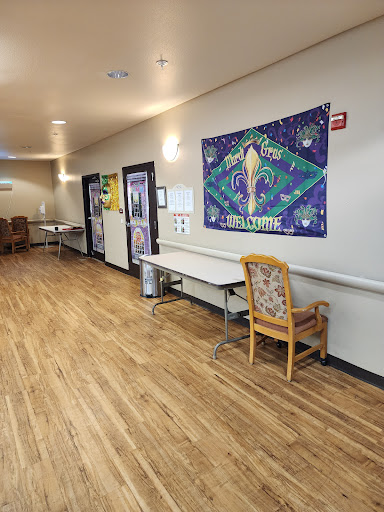
    A festive interior featuring decorated doors with a Mardi Gras theme.
  • Bedroom

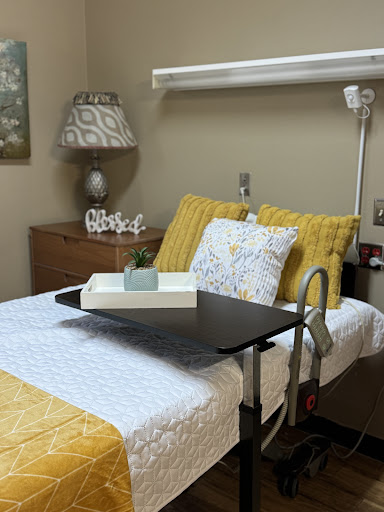
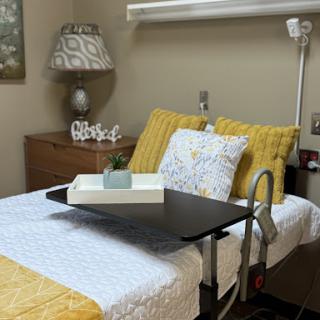
    A cozy hospital room featuring a neatly made bed with yellow and white bedding, accompanied by a bedside lamp and a table tray.
  • Windows

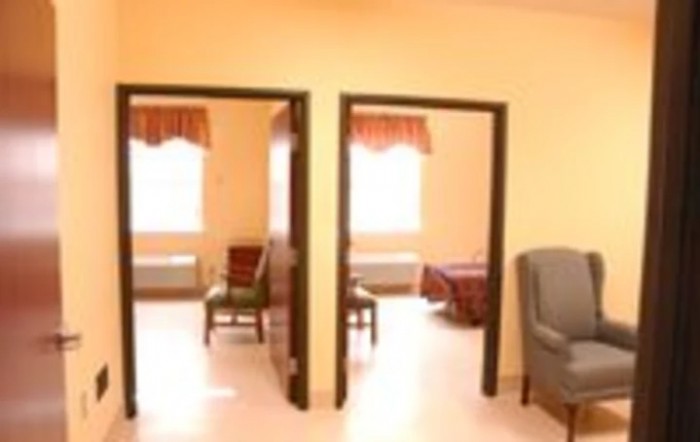
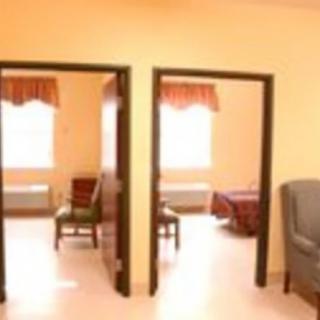
    A view of two rooms with open doors and furniture inside, including chairs and a window.
  • Dining

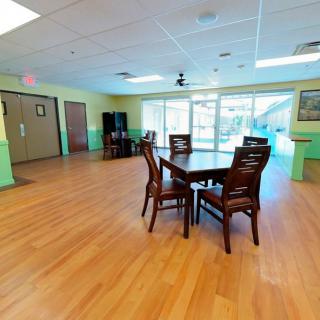
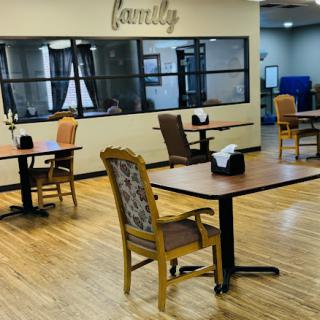
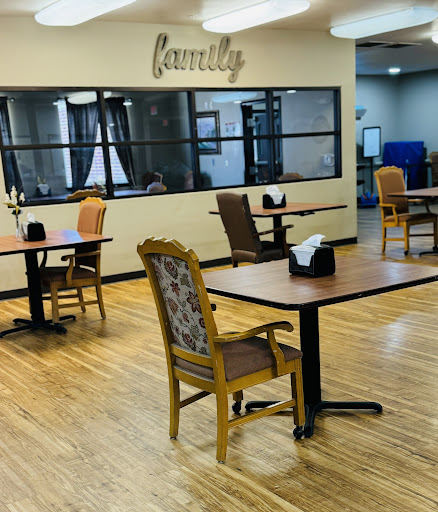
    A spacious dining area designed for family gatherings, featuring empty tables and comfortable chairs.
  • Lighting

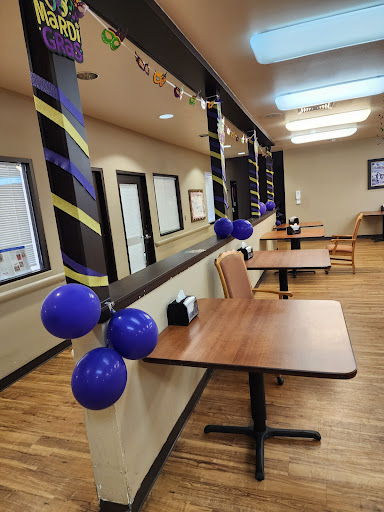
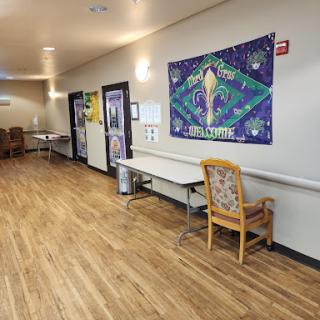
    A well-lit hallway featuring decorated walls, with tables and chairs arranged alongside.
  • Outdoor Seating

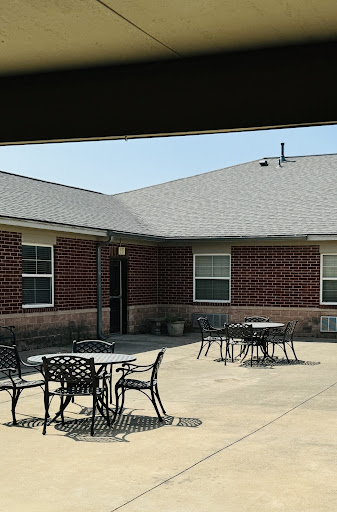
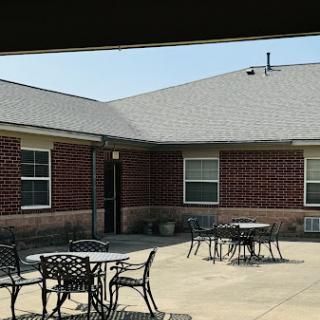
    A view of a courtyard featuring outdoor tables and a brick building under clear skies.
  • Office

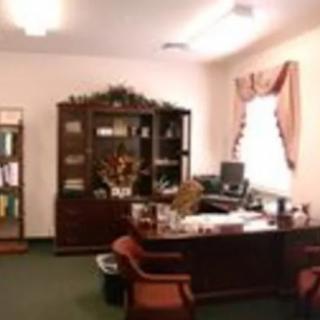
    A well-organized office with a desk, computer, and bookshelf.
  • Healthcare

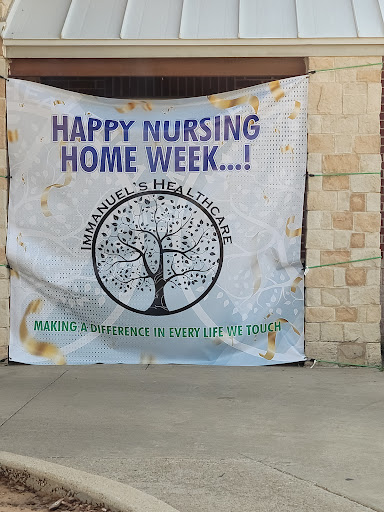
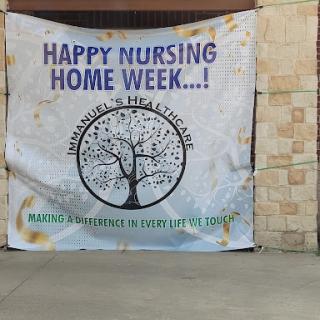
    A banner celebrating Nursing Home Week, promoting gratitude and recognition for caregivers.
  • Meeting Room

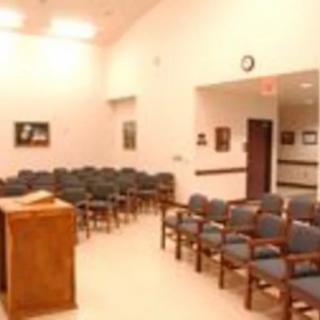
    An empty meeting room with arranged chairs and a podium.

Immanuel's Healthcare

4515 Village Creek Road, Fort Worth, TX 76119

For more information about senior living options: (844) 490-3973

3.8 from 18 reviews
5 stars
12
4 stars
0
3 stars
1
2 stars
0
1 stars
5

Skilled Nursing Facility

What level of care are you interested in?

Assisted Living

Memory Care

Independent Living

Skilled Nursing Facility

Continuing Care Retirement Community (CCRC)CCRC

Other


Request a tour at Immanuel's Healthcare

    Overall Review of Immanuel's Healthcare

    Pros

    • pro The facility was clean and staff friendly.
    • pro A talented activity director delivers exceptional musical events and outside community activities.
    • pro The physical therapy provides outstanding services.
    • pro An amazing housekeeping staff provides a clean environment.
    • pro The chef offers great meal options with daily refreshments.
    • pro Great care.
    • pro Wonderful staff.
    • pro They highly recommend Immanuel Healthcare.
    • pro Immanuel Care Center is a great place to stay.

    Cons

    • pro The service was horrible due to staffing shortages.
    • pro The adjoining bathroom was filthy and the trash in the resident's room was full and overflowing.
    • pro Housekeeping was not on duty in the afternoon, leaving cleaning tasks unaddressed.
    • pro The front desk staff spoke to a visitor rudely, implying residents are not treated with respect.
    • pro A resident sustained burns on both legs after physical therapy, attributed to an incompetent doctor.
    • pro Discharge records had to be purchased because discharge papers were not provided, suggesting the facility cares more about money than patient care.
    • pro During Christmas Eve visits, many residents were in bed, there was the smell of urine and feces, and residents were crying, indicating inadequate care.
    • pro Some reviewers call the facility the worst place ever and advise against placing loved ones there.

    Review

    The reviews about Immanuel Care Center present a landscape of strong positives interwoven with serious concerns, giving a picture of a facility that can offer meaningful care and engaging programs for residents, but struggles with staffing, consistency, and responsiveness that some families find unacceptable. On the bright side, several accounts highlight dedicated people and well-run aspects of the operation, while other voices describe situations that feel far from acceptable and even dangerous. Taken together, the material reads like a facility with potential that is, at times, undermined by operational gaps.

    Many reviewers praise specific departments and roles within the center. A number of posts commend the activity programming, noting a "talented activity Director delivering exceptional musical events, and outside community activities." The therapeutic side of the operation is also highlighted: "Physical therapy provides outstanding services," and there are repeated compliments for the housekeeping team and the food program. One reviewer emphasizes the cleanliness of the environment and lauds the housekeeping staff for maintaining a clean facility, while another points to the chef offering "great meal options with daily refreshments." In short, there is a thread of appreciation for tangible, patient-centered elements - recreational engagement, rehab services, and everyday upkeep - that contribute to a sense of quality care when those services are functioning well.

    However, several reviews switch the light to persistent concerns that cast doubt on the facility's reliability, especially during busy times or moments when staffing is thin. A recurring theme is the impact of staffing shortages on patient care. One reviewer notes that while shortages are understood, "patient neglect is unacceptable," with reports of waiting times over an hour for someone to check on patients. The sentiment is that staffing levels directly affect responsiveness and safety, and that the experience can deteriorate when responsibilities pile up on overworked staff.

    There are specific, alarming anecdotes about sanitation and facility upkeep that deepen worries about daily operations. One family recounts entering a bathroom adjoining a resident's room that was in "terrible filthy condition" and finding the trash overflowing, only to be told that housekeeping was already gone for the day around mid-afternoon. The customer explicitly argues that "a housekeeper should be on duty at a nursing home" because accidents happen and cleanliness is a core safety concern. Stories like this illustrate a gap between the facility's cleanliness reputation and reported day-to-day conditions in some units, underscoring the tension between ideal standards and on-the-ground realities.

    Interaction quality at the front desk also emerges as a point of contention. In one case, a visitor described being greeted by an older female staff member who looked at them as if they "weren't supposed to be there," followed by a sharp, dismissive reply. The reviewer states they would be reporting the incident after the holiday, signaling concerns about respect, professionalism, and the potential for negative patient or family experiences based on the demeanor of frontline personnel. This kind of interaction matters in a setting where families are navigating complicated emotions and decisions about a loved one's care.

    We also glimpse a broader spectrum of experiences that range from genuinely favorable to starkly negative, implying that the facility's performance can vary by incident, time, and perhaps location within the building. Several reviewers recount positive, even glowing experiences, such as praise for the care their loved ones received and the facility's overall environment. One note refers to a family member's positive experience and the hope that others will visit and tour for themselves, while another line references a grandmother whose stay at the center in 2017 ended with a death in the family's life but with "amazing" care during the prior period. An overall sense from these messages is that there are indeed people who have connected with compassionate staff and seen good outcomes.

    Yet not all feedback aligns with the above optimism. There is a strong negative thread that paints the facility as disorganized and profit-driven at times. One reviewer asserts that they would not place a loved one there, citing "the only thing they care about is the money," and expressing willingness to accept a negative rating because "1 is still too high." Another recounts a severe incident in which a patient sustained burns on both legs from an incompetent doctor during physical therapy, and describes difficulties obtaining discharge records, stating that copies had to be purchased because the social worker claimed discharge papers would not be provided. These accounts present a stark contrast to the more positive reviews and raise questions about safety, transparency, and the facility's commitment to patient welfare when problems arise.

    The Christmas Eve visit described by one family adds another layer to the narrative: the residents were largely in bed in the early afternoon, and the hallways carried a strong odor of urine and feces; many residents were crying, and the overall sense was that care in healthcare was not being delivered to the standard families expected at a time meant for connection and joy. This vignette emphasizes the emotional weight families carry when they witness what they perceive as neglect or insufficient attention to basic comfort and dignity.

    Taken together, the collection of reviews suggests a facility with a tangible set of strengths and a potentially troubling set of recurring problems. On one hand, the center appears to offer meaningful programming, effective therapy services, and a level of cleanliness and hospitality in several spaces that can make a real difference to residents' quality of life. On the other hand, recurring anecdotes of delayed responses, substandard sanitation in some areas, difficult interactions with staff, and serious consequences tied to care decisions or record handling indicate that there is substantial room for improvement. Families evaluating Immanuel Care Center would likely benefit from visiting, asking pointed questions about staffing coverage, cleanliness protocols, and discharge documentation practices, and seeking clarity about how the facility addresses incidents of neglect or safety concerns when they arise.

    In the end, the impressions offered by these reviews converge on a single, nuanced takeaway: Immanuel Care Center has the potential to be a strong, caring environment for many residents, but that potential is sometimes compromised by operational gaps, inconsistent front-line experiences, and serious concerns around safety and responsiveness. For families, this means weighing the positive personal experiences - the engagement, the specialized therapy, the clean spaces, and the dedicated staff - against the harder lessons about delays, communication challenges, and the kinds of incidents that understandably shake trust. If you're considering this facility, it would be prudent to tour with questions in hand, observe staffing patterns, speak with multiple staff members and residents, and verify the latest processes around housekeeping schedules, patient rounds, and discharge documentation to ensure that your loved one's needs can be met consistently.

    Features

    Housing

    • 84 resident community capacity 84 resident community capacity

    Types of Care

    • Skilled Nursing Facility Skilled Nursing FacilitySkilled Nursing Facilities are crucial for seniors as they provide round-the-clock medical care, rehabilitation services, and assistance with daily activities. These facilities ensure that seniors receive the specialized care they need to maintain their health and well-being as they age.

    Amenities

    • Air-conditioning Air-conditioningAir conditioning is important for seniors as they are more vulnerable to heat-related illnesses and may have underlying health conditions that make it difficult for them to regulate their body temperature. It helps to keep them comfortable, safe, and healthy in hot weather.
    • Beauty salon Beauty salonBeauty salons are important for seniors because they provide a space for them to feel pampered, socialize, and maintain their personal grooming and hygiene. Regular visits to a beauty salon can help boost seniors' self-esteem and overall well-being.
    • Cable or satellite TV Cable or satellite TVCable or satellite TV is important for seniors because it provides entertainment, news, and companionship, helping to combat loneliness and boredom. It also offers a wide range of programming options tailored to different interests and preferences.
    • Computer center Computer centerA computer center is essential for seniors as it provides access to technology, communication tools, and resources that can enhance their daily lives. It allows them to stay connected with loved ones, engage in online activities, and learn new skills, ultimately promoting socialization and mental stimulation.
    • Dining room Dining roomDining rooms are important for seniors as they provide a space for socialization, connection, and nutritious meals. They offer opportunities for residents to bond over shared meals, foster a sense of community, and promote healthy eating habits. Dining rooms also ensure that seniors have access to well-balanced meals tailored to their dietary needs and preferences.
    • Fitness room Fitness roomHaving a fitness room in a senior living community is essential for seniors to stay active, maintain their physical health, and improve their overall well-being. Regular exercise can help prevent falls, reduce the risk of chronic diseases, and promote mental sharpness. It also provides social opportunities for residents to connect with others and enjoy a sense of community.
    • Fully furnished Fully furnishedFully furnished senior living communities are important for seniors because they provide convenience, comfort, and a hassle-free moving experience. Seniors can easily settle into their new living space without the stress of having to buy and move furniture. This allows them to focus on enjoying their new home and community.
    • Gaming room Gaming roomGaming rooms are important for seniors as they provide a fun and engaging environment for socializing, cognitive stimulation, and physical activity. Games can improve memory, problem-solving skills, and overall mental well-being while fostering friendships and reducing feelings of isolation.
    • Garden GardenGardens are important for seniors as they provide a peaceful and therapeutic environment for relaxation, physical activity, and socialization. Being in nature has been shown to reduce stress, improve mood, and promote overall well-being. Gardens also offer opportunities for seniors to engage in gardening activities, which can improve mobility, flexibility, and cognitive function. Additionally, gardens create a sense of community and connection with others who share a passion for plants and outdoor spaces.
    • Housekeeping services Housekeeping servicesHousekeeping services are important for seniors because they help maintain a clean and safe living environment, promote independence, and reduce the risk of accidents or illnesses. Additionally, having assistance with household chores can alleviate physical strain and allow seniors to focus on other aspects of their well-being.
    • Kitchenette KitchenetteKitchenettes are important for seniors living in senior living communities because they provide the convenience and independence of being able to prepare simple meals and snacks in the comfort of their own living space. This can help promote a sense of autonomy and well-being for seniors, allowing them to maintain some level of control over their dietary choices and daily routines.
    • Move-in coordination Move-in coordinationMove-in coordination is important for seniors because it helps ease the transition into their new living environment. It ensures that all logistics, such as packing, organizing movers, and setting up utilities are taken care of, allowing seniors to focus on settling in and adjusting to their new home. Having a smooth move-in process can alleviate stress and anxiety, making the transition smoother and more enjoyable for seniors.
    • Outdoor space Outdoor spaceOutdoor spaces are important for seniors as they provide opportunities for physical activity, social interaction, exposure to natural light and fresh air, and a sense of connection to nature. Having access to outdoor spaces can improve overall well-being and quality of life for older adults living in senior communities.
    • Private bathrooms Private bathroomsPrivate bathrooms are important for seniors in senior living communities because they provide independence, dignity, and comfort. Having a private bathroom allows seniors to maintain their personal hygiene routines without the need for assistance, promoting a sense of autonomy and privacy. Additionally, private bathrooms help prevent the spread of infections and provide a safe and clean environment for seniors to navigate safely.
    • Restaurant-style dining Restaurant-style diningRestaurant-style dining is important for seniors because it allows them to enjoy delicious, nutritious meals in a social and upscale setting. This enhances their dining experience, promotes healthy eating habits, and fosters socialization with fellow residents, ultimately contributing to their overall well-being and quality of life.
    • Small library Small librarySmall libraries are important for seniors as they provide access to a variety of reading materials, including books, newspapers, and magazines. This can help stimulate their minds, keep them engaged, and provide a sense of community through book clubs and other social activities. Additionally, reading has been shown to improve cognitive function and overall mental well-being in older adults.
    • Telephone TelephoneTelephones are important for seniors as they provide a lifeline for communication with loved ones, emergency services, and healthcare providers. They offer a sense of security and independence, enabling seniors to stay connected and access assistance when needed.
    • Wellness center Wellness centerWellness centers are important for seniors because they offer a variety of programs and services that promote physical, mental, and emotional well-being. These centers provide opportunities for exercise, socialization, education, and relaxation, helping seniors maintain their overall health and quality of life.
    • Wi-Fi/high-speed internet available Wi-Fi/high-speed internet availableWi-Fi/high-speed internet is important for seniors to stay connected with loved ones, access online resources, and participate in virtual activities to combat feelings of loneliness and isolation. It also allows them to easily manage healthcare needs, access entertainment, and engage in lifelong learning opportunities.

    Transportation

    • Dallas-Fort Worth International (18 miles away) Dallas-Fort Worth International (18 miles away)
    • Community operated transportation Community operated transportationCommunity operated transportation is crucial for seniors as it provides them with the means to access essential services, social activities, and medical appointments. It allows seniors to maintain their independence and quality of life by ensuring they can participate in activities outside of their homes. Additionally, community-operated transportation services offer a safe and reliable way for seniors to travel without having to rely on family or friends for assistance.
    • Transportation arrangement Transportation arrangementTransportation arrangements are crucial for seniors as they may face challenges with driving, mobility, or access to public transportation. Having reliable transportation services ensures that seniors can easily attend appointments, social activities, and maintain their independence and quality of life.
    • Transportation arrangement (non-medical) Transportation arrangement (non-medical)Transportation arrangements are essential for seniors as they provide access to essential services, activities, and social interactions outside the home. This service helps maintain independence, mobility, and overall well-being for seniors who may have limited transportation options.
    • Transportation to doctors appointments Transportation to doctors appointmentsTransportation to doctors appointments is crucial for seniors as it ensures they have access to necessary medical care and support, promoting their health and well-being. It allows them to receive timely treatment, monitor existing conditions, and address any new health concerns efficiently. Additionally, transportation services can help seniors maintain their independence and quality of life by enabling them to stay connected with their healthcare providers.

    Care Services

    • 12-16 hour nursing 12-16 hour nursing12-16 hour nursing care is crucial for seniors in order to ensure around-the-clock monitoring, timely medication administration, and prompt response to any health concerns or emergencies. This level of care helps to promote the overall well-being and safety of seniors living in senior living communities.
    • 24-hour call system 24-hour call system24-hour call systems are important for seniors because they provide peace of mind and immediate assistance in case of emergencies. This technology ensures that help is always available, promoting safety and security for elderly individuals living alone or in assisted living facilities.
    • 24-hour supervision 24-hour supervision24-hour supervision is important for seniors to ensure their safety, well-being, and access to immediate assistance in case of emergencies or health issues. This constant support provides peace of mind for both seniors and their loved ones, allowing them to age in place with dignity and security.
    • Activities of daily living assistance Activities of daily living assistanceActivities of daily living assistance are important for seniors because they provide essential support with tasks such as eating, bathing, dressing, and mobility. This assistance helps seniors maintain their independence, dignity, and overall quality of life as they age.
    • Assistance with bathing Assistance with bathingAssistance with bathing is crucial for seniors as it helps maintain personal hygiene, prevents infections, and ensures their overall well-being and comfort. It also provides a sense of dignity and independence for seniors who may struggle with this task on their own.
    • Assistance with dressing Assistance with dressingAssistance with dressing is important for seniors because it helps maintain their independence, promotes personal hygiene, prevents accidents and injuries, and improves overall quality of life. This service ensures that seniors can continue to dress comfortably and confidently, despite any physical limitations they may have.
    • Assistance with transfers Assistance with transfersAssistance with transfers is crucial for seniors as it helps prevent falls and injuries, maintains their independence, and ensures they can safely navigate their living environment. It also provides peace of mind for both seniors and their loved ones.
    • Diabetes diet Diabetes dietA diabetes diet is crucial for seniors as it helps manage blood sugar levels, reduce risks of complications, and improve overall health and well-being. By following a balanced and nutritious diet tailored to their specific needs, seniors can better control their diabetes and enhance their quality of life.
    • Meal preparation and service Meal preparation and serviceMeal preparation and service are crucial for seniors as they may have limited mobility or energy to cook nutritious meals. Having access to healthy and convenient food options can ensure they are getting the proper nutrition needed to maintain their overall health and well-being.
    • Medication management Medication managementMedication management is crucial for seniors to ensure they are taking the right medications at the correct dosages and times. This helps prevent adverse drug interactions, reduces the risk of medication errors, and promotes overall health and well-being. Proactive management also allows for adjustments as needed based on changing health conditions or new prescriptions.
    • Mental wellness program Mental wellness programMental wellness programs are essential for seniors as they promote cognitive stimulation, emotional support, and social engagement. These programs help prevent isolation, depression, and cognitive decline, ultimately enhancing the overall quality of life for older adults.
    • Special dietary restrictions Special dietary restrictionsSpecial dietary restrictions are important for seniors because age-related changes in metabolism and health conditions can make it difficult for their bodies to process certain foods. By following a diet tailored to their specific needs, seniors can maintain their overall health and well-being, manage chronic conditions, and reduce the risk of complications such as malnutrition or food interactions with medications.

    Dining

    • Diabetes diet Diabetes dietA diabetes diet is crucial for seniors as it helps manage blood sugar levels, reduce risks of complications, and improve overall health and well-being. By following a balanced and nutritious diet tailored to their specific needs, seniors can better control their diabetes and enhance their quality of life.
    • Special dietary restrictions Special dietary restrictionsSpecial dietary restrictions are important for seniors because age-related changes in metabolism and health conditions can make it difficult for their bodies to process certain foods. By following a diet tailored to their specific needs, seniors can maintain their overall health and well-being, manage chronic conditions, and reduce the risk of complications such as malnutrition or food interactions with medications.

    Activities

    • Community-sponsored activities Community-sponsored activitiesCommunity-sponsored activities are important for seniors as they provide opportunities for social interaction, mental stimulation, and physical activity. These activities can help improve overall well-being, combat loneliness and isolation, and promote a sense of belonging and purpose among older adults.
    • Concierge services Concierge servicesConcierge services are essential for seniors as they provide assistance with daily tasks and errands, enhance their quality of life by offering convenience and personalized care, and promote a sense of safety and security.
    • Fitness programs Fitness programsFitness programs are crucial for seniors as they help improve strength, flexibility, balance, and overall well-being. Staying active can reduce the risk of chronic diseases, improve mental health, and enhance quality of life in older adults.
    • Planned day trips Planned day tripsPlanned day trips are important for seniors because they offer opportunities for socialization, mental stimulation, and physical activity. They provide a change of scenery and help seniors stay engaged and connected to their community, promoting overall well-being and quality of life.
    • Resident-run activities Resident-run activitiesResident-run activities are important for seniors as they encourage social interaction, creativity, and a sense of autonomy. These activities empower seniors to stay engaged and active in their community while fostering meaningful connections with their peers.
    • Scheduled daily activities Scheduled daily activitiesScheduled daily activities are important for seniors because they provide structure, socialization, mental stimulation, and physical activity. Engaging in regular activities can improve overall well-being and quality of life for seniors living in a community setting.

    Description

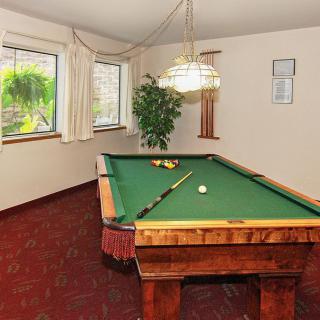
    Immanuel's Healthcare in Fort Worth, TX, offers a vibrant and supportive assisted living community designed to enhance the quality of life for its residents. With a comprehensive range of amenities, residents can enjoy a comfortable and engaging environment that caters to their every need. The community features a beauty salon, fitness room, gaming room, and cozy outdoor spaces where residents can relax or socialize. Enjoy restaurant-style dining and a variety of special dietary options in the elegant dining room.

    The facility is equipped with modern conveniences such as cable or satellite TV, Wi-Fi/high-speed internet access, and a computer center to keep residents connected and entertained. Housekeeping services ensure that living spaces are maintained to the highest standards, while private bathrooms add an extra touch of comfort.

    Care services at Immanuel's Healthcare are tailored to meet individual needs, including 24-hour supervision, assistance with daily activities such as bathing and dressing, medication management, and specialized programs for mental wellness and dietary requirements. Transportation arrangements are available for both medical appointments and non-medical needs.

    Residents can partake in a variety of activities designed to foster engagement and socialization. From fitness programs to planned day trips and resident-run activities, there is always something happening within the community. The concierge services provide an additional layer of support for planning outings or accessing local resources.

    Conveniently located near four pharmacies, physicians' offices, restaurants, and places of worship, Immanuel's Healthcare is committed to ensuring its residents receive exceptional care within a welcoming environment. With its focus on promoting well-being through community engagement and personalized assistance, this assisted living facility is an ideal choice for those seeking independence coupled with support.

    Nearby Places of Interest

    Physicians

    • Stop Six Sunrise Edition (1.2 miles)
    • Cook Children's Neighborhood Clinic (2.6 miles)
    • Moonhee Lee (3.3 miles)
    • Occupational Health Solutions (4.4 miles)
    • Sideline Orthopedics and Sports - Park Springs Blvd (5.1 miles)
    • Texas Medical Diagnostics (5.7 miles)
    • Texas Health Care, Otolaryngology & Facial Plastic Surgey Associates (5.8 miles)

    Pharmacies

    • Walmart Pharmacy (2.2 miles)
    • CVS Pharmacy (3.2 miles)
    • Walgreens (3.4 miles)
    • CVS Pharmacy (5 miles)
    • CVS Pharmacy (5.4 miles)
    • Walgreens (5.8 miles)
    • CVS Pharmacy (6.1 miles)

    Restaurants

    • Scooters Sports Bar and Grill (3.2 miles)
    • Chick-Fil-A (3.2 miles)
    • Cesar's Tacos (4.5 miles)
    • McDonald's (4.5 miles)
    • Chick-Fil-A (5 miles)
    • Sonic Drive-In (5.2 miles)
    • Rahr & Sons Brewing Co (5.3 miles)

    Places of Worship

    • Lake Arlington Baptist Church (3.8 miles)
    • St Stephen Presbyterian Church (6.3 miles)
    • First United Methodist Church of Fort Worth (6.4 miles)
    • St John the Apostle United Methodist Church (6.9 miles)
    • Cornerstone Baptist Church (8.3 miles)

    Hospitals

    • JPS Hospital (5 miles)
    • Klabzuba Tower / Texas Health Resources (5.9 miles)
    • Texas Health Harris Methodist Hospital Fort Worth (6 miles)
    • Baylor Scott & White Hospital Medicine - All Saints (6.1 miles)
    • Baylor Surgical Center (6.1 miles)
    • Texas Rehabilitation Hospital of Fort Worth (6.2 miles)
    • Medical Center of Arlington (7.9 miles)

    Cafes

    • Roots Coffeehouse (5.4 miles)
    • Starbucks (7.6 miles)
    • Starbucks (7.7 miles)

    Parks

    • Fort Worth Water Gardens (5.7 miles)
    • Linwood Park (7.5 miles)
    • Overton Park (7.8 miles)

    Transportation

    • Fort Worth Intermodal Transportation Center (5.9 miles)

    Theaters

    • AMC The Parks At Arlington 18 (7.1 miles)

    Frequently Asked Questions

    Where is Immanuel's Healthcare?
    What photos are available for Immanuel's Healthcare in Fort Worth, Texas?

    Nearby Communities

    Related Resources

    • what is elder abusePowerful Realities of Elder Abuse and the Most Effective Ways to Report It

      Elder abuse affects many older adults worldwide and includes physical, emotional, neglectful, and financial harm, with about one in six individuals over 60 experiencing abuse annually. Prevention and intervention strategies focus on awareness, support for caregivers, and mandatory reporting, while recovery necessitates comprehensive support for both physical and emotional needs.

    • caregiver dutiesTen Vital Duties of a Senior Caregiver: A Comprehensive Guide

      The guide details ten essential responsibilities of senior caregivers, including personal care, mobility assistance, medication management, and emotional support, while emphasizing the importance of safety, nutrition, and maintaining a safe living environment to enhance seniors' quality of life and independence.

    • memory games for seniors9 Stimulating Memory Activities for Seniors: Puzzles, Cards, and Much More
      The article highlights nine memory-boosting activities for seniors that enhance cognitive health and social interaction, including puzzles, trivia quizzes, and storytelling, while emphasizing the importance of adapting these activities to individual preferences to maximize enjoyment and engagement. Consistent mental engagement is linked to improved cognitive function and emotional well-being in older adults.


    Get Pricing Ask A Question Schedule A Tour Contact Senior Advisor