





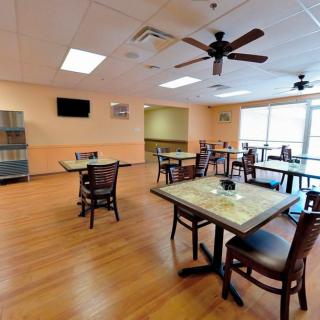
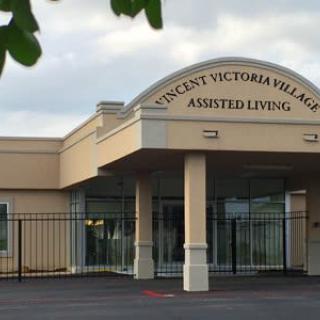
4607 East California Parkway, Fort Worth, TX 76119
For more information about senior living options: (866) 208-4318
Vincent Victoria Village Costs & Pricing
Vincent Victoria Village offers competitive pricing for its accommodations, with a monthly rate of $3,000 for a one-bedroom unit. This rate is notably lower than the average costs in Tarrant County and across Texas, which stand at $3,741 and $3,761 respectively. Such pricing makes Vincent Victoria Village an appealing option for those seeking quality living without straining their budgets, reflecting a commitment to providing value while maintaining high standards of comfort and community engagement.
| Floor plans | Vincent Victoria Village | Tarrant County | Texas |
|---|---|---|---|
| 1 Bedroom | $3,000 | $3,741 | $3,761 |
Assisted Living communities with a similar price nearby
-
from +$400 / mo

Highlands Village Senior Living of Mansfield
$3,400 to $4,695 / month11.2 miles away -
from +$350 / mo
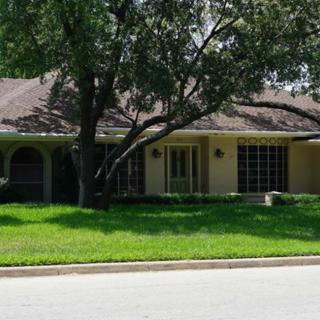
Sparks Assisted Living
$3,350 to $4,250 / month7.5 miles away -
About the same
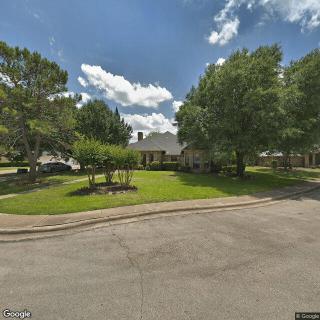
Professional Care Facility 3
$3,000 to $4,000 / month23.9 miles away -
from -$500 / mo

Halo Residential Care Homes
$2,500 to $3,000 / month11.7 miles away -
from +$510 / mo

Santa Fe Trails Assisted Living and Memory Care
$3,510 to $5,645 / month24.4 miles away
Overall Review of Vincent Victoria Village
Pros
 Vincent Victoria is the place to be, with good hospitality and great employees.
- The dad said his stay was excellent and that everyone made him feel welcome.
- He rated the place more than five stars.
Cons
 Some employees are rude to residents and do not care for them.
- They yell at residents, call them names, and let residents walk out.
- Personal belongings and medications are stolen from residents.
- The place is described as very ghetto, and half the residents are better off somewhere else for proper care.
- Employees sometimes fall asleep on the couch and do not lock the doors at night.
- A front-desk worker was sleeping, preventing a tenant from entering at night.
- The place is unprofessional, with a board of directors and staff who do not speak English, and they only care about dollar signs.
Review
Vincent Victoria Village in Fort Worth is best suited for seniors who prize a warm, welcoming atmosphere and for families willing to actively vet staffing quality. The strongest selling point is hospitality, the sense that residents are treated with kindness and that staff on shift can be engaging and responsive when care is solid. Those who can tolerate variability in day-to-day care, and who can verify staffing consistency during tours and move-ins, will likely appreciate the social environment and approachable staff. For families needing steady, high-level clinical oversight, this community presents a notable risk and should be approached with caution.
Several accounts praise the personal warmth and the effort of many employees, and some residents or their families describe stays that felt outstanding. When the right caregivers are present, residents experience a welcoming culture and meaningful interaction. That emotional tone matters for daily life and can offset some inconveniences in the short term. The drawback is that the warmth is not universal, and experiences can swing from genuinely positive to deeply troubling depending on who is on duty.
Bottom-line concerns revolve around staffing reliability and conduct. Reports describe staff who yell at residents, speak rudely, or fail to protect personal belongings and medications. Nighttime supervision is called into question when employees reportedly fall asleep or do not secure doors. A subset of reviews allege unprofessional governance and language barriers among leadership, with a sense that financial goals take precedence over care quality. Taken together, these issues create real safety and trust gaps for families considering long-term placement.
Prospective residents can capitalize on the positive, relational side of care when staffing is stable and communicative, but the weight of the negatives cannot be ignored. The good days become meaningful only if safety, privacy, and dignity are consistently protected. To test reliability, families should request a direct tour of the night shift, ask to speak with current residents or families about ongoing concerns, and review incident and medication-handling procedures. Confirm English-language proficiency in leadership and front-line staff, and ask for explicit policies on monitoring, medication storage, and incident reporting.
Given the mixed experiences, families needing dependable clinical oversight or memory-care support should look at facilities with stronger, transparent staffing and governance. Seek communities with clearly documented staffing ratios, routine English-speaking supervision, comprehensive activity schedules, and evidence of proactive governance. If cost, proximity, and social opportunities are decisive, Vincent Victoria can fit, but only with careful verification of staffing quality and security.
In short, Vincent Victoria Village is a viable option for those prioritizing warmth and social engagement, provided due diligence confirms staffing reliability and safety. For families unwilling to navigate inconsistent care, alternatives with steadier staffing and stronger oversight are the prudent path. Schedule a thorough on-site evaluation, demand conversations with several staff shifts, pull regulatory and survey history, and check references from multiple residents before deciding.
 80 resident community capacity
 Assisted Living
 Respite Care
 Activities on-site
 Air-conditioning
 Beautician on-site
 Cable or satellite TV
 Computer center
 Devotional services off-site
 Dining room
 Fitness room
 Fully furnished
 Gaming room
 Garden
 Ground floor units
 Handicap accessible
 Housekeeping services
 Indoor common areas
 Kitchenette
 Move-in coordination
 Outdoor common areas
 Private bathrooms
 Restaurant-style dining
 Small library
 Telephone
 Wellness center
 Wheelchair accessible showers
 Wi-Fi/high-speed internet available
 Dallas-Fort Worth International (21 miles away)
 Community operated transportation
 12-16 hour nursing
 24-hour call system
 Ambulatory care
 Assistance with bathing
 Assistance with dressing
 Assistance with transfers
 Diabetes diet
 Diabetic care
 Medication management
 Mental wellness program
 Special dietary restrictions
 BBQs or picnics
 Birthday parties
 Brain fitness
 Concierge services
 Karaoke
 Live dance or theater performances
 Live musical performances
 Planned day trips
 Trivia games







 Comprehensive Insights into Activities of Daily Living (ADLs) and Their Assessment
 Medicare Coverage for Assisted Living: An In-Depth Exploration
 Choosing the Right Senior Care: A Detailed Exploration of Assisted Living and Nursing Homes