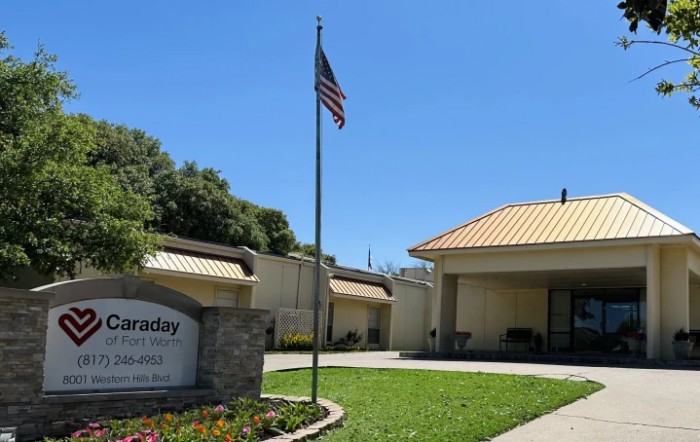




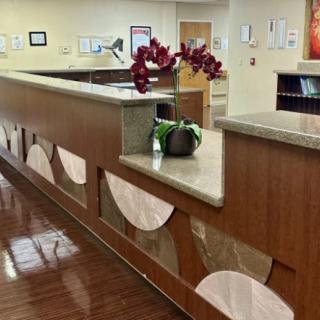

8001 Western Hills Blvd, White Settlement, TX 76108
To contact a resident: (817) 246-4953
For more information about senior living options: (866) 208-4318
Overall Review of Caraday of Fort Worth
Pros
 They always put residents first and stay engaged with them in all weather.
- The activities department led by Marvin Hall and Della Blevins is dedicated and compassionate.
- The nurses are awesome, very patient and understanding.
- The facility is clean and odor-free, with staff providing comforting care.
- The staff are friendly and attentive, making residents feel well cared for.
- The director, Allen Ford, is supportive and leads with appreciation for his team.
Cons
 It’s not a good place.
- It is not safe to even visit here.
- Caraday is not a good place at all.
- This facility is a complete disaster.
- The facility is falling apart.
- A dead rat was seen on the sidewalk in front of the building.
- The facility doesn’t pay its vendors.
- The facility is run by unprofessional ADON and DON.
Review
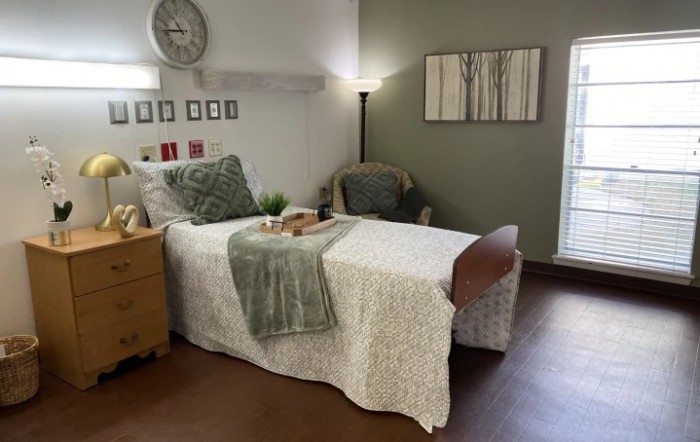
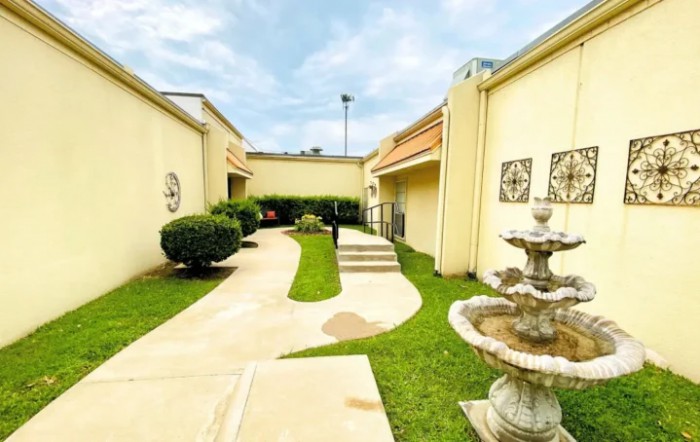
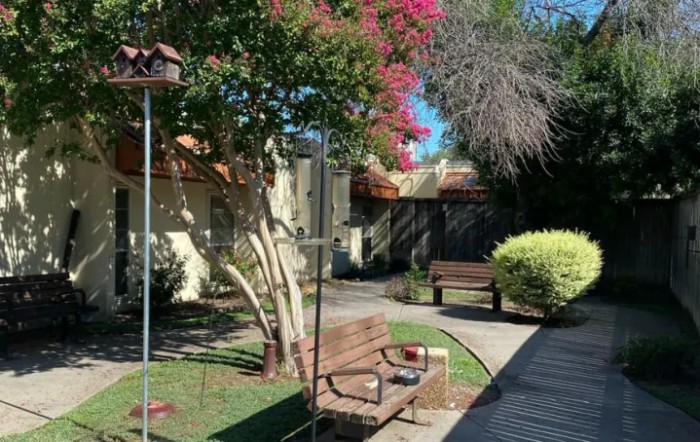
Caraday of Fort Worth is best suited for families that prize devoted, hands-on caregiving and active daily life for an aging loved one, especially those navigating memory care or the need for short-term respite. The strongest case is made by the staff-driven culture: attentive nurses, patient aides, and an activities team that keeps residents engaged regardless of weather or mood. The building may feel its age, but several reviews highlight clean rooms, clear routines, and a warmth that makes residents feel watched over. For families who want a facility with a tangible, people-first approach and a calendar full of assisted activities, this community often delivers.
That said, potential residents should consider alternatives if operating transparency and rock-solid safety are non-negotiables. Multiple reviewers flag concerns about management tone and decision-making, including alleged unilateral transfers and dialogues that raise questions about authorization and communication. A few accounts describe aggressive moments in the memory unit and inconsistent leadership touchpoints. For families that demand meticulous oversight, consistent hot-water reliability, and a history of clean incident reporting, these are legitimate red flags. Prospective residents with high safety or governance expectations may want to shop other campuses with steadier reputations on these fronts.
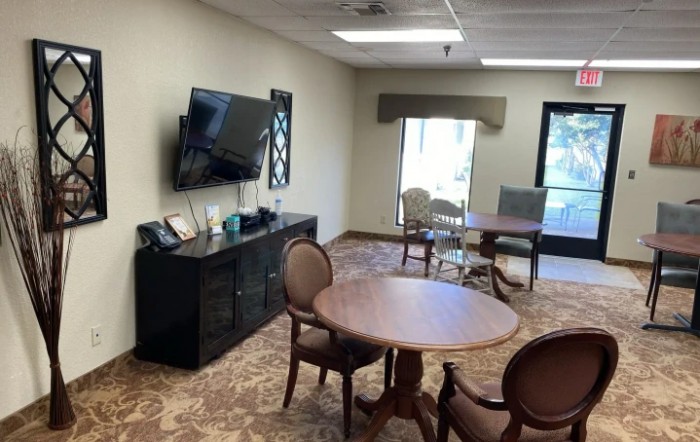
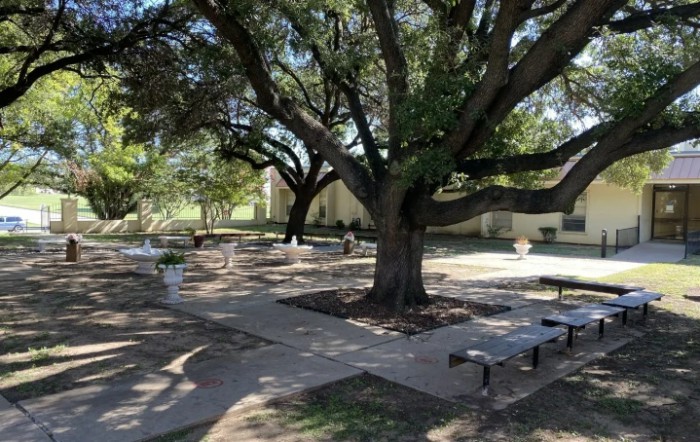
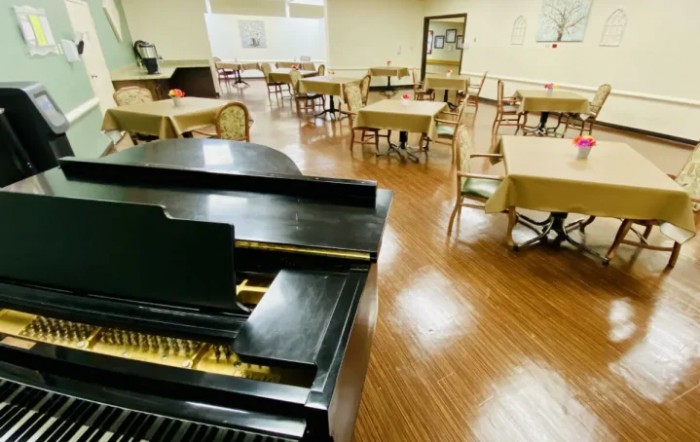
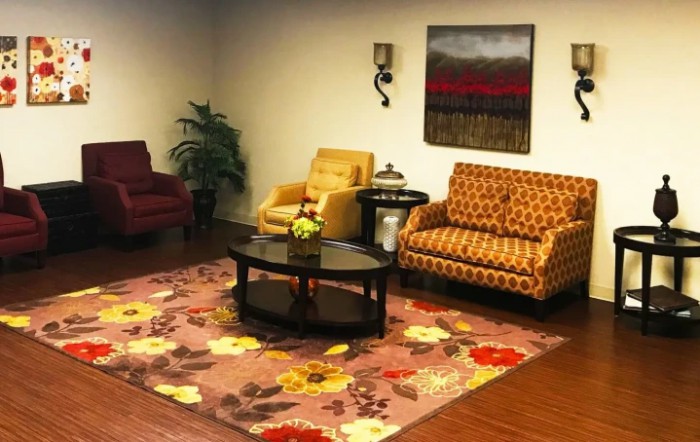
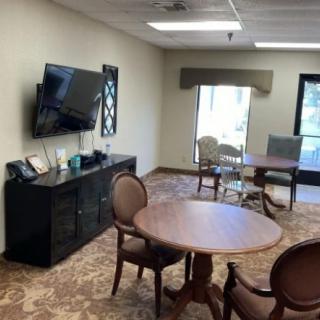
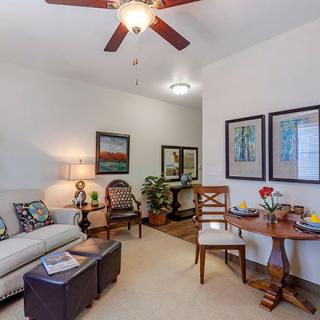
On the upside, the most convincing pros center on people. The activities department earns standout plaudits for dedication and creative engagement, often described as a lifeline for residents who crave purpose and social connection. Across many testimonials, nurses and aides are praised for patience and adaptability, with several residents and families noting improved mood, steadier routines, and a sense of genuine care. The facility’s communal areas and dining experience are frequently described as comfortable, with staff consistently going the extra mile to make transitions smoother, including during admissions and during short-term stays.
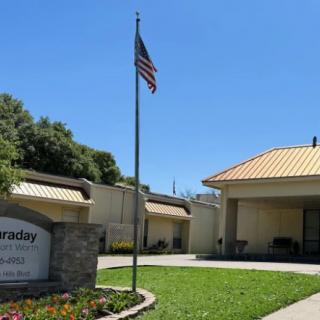
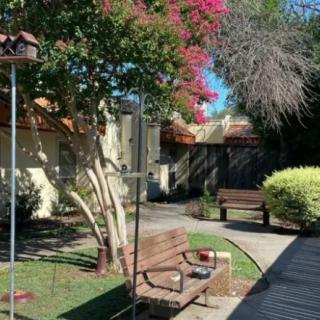
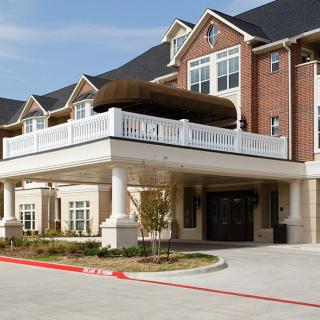
Yet the negatives cannot be ignored. Several reviews recount distressing safety concerns, an attempted memory-care transfer without proper authorization, observed yelling by a nurse, and personal items going missing in a memory unit. The building is repeatedly described as older and not particularly pristine in every detail, with issues like a dead rat spotted outside and hot-water problems raised by some residents or families. Financial strains also surface, with one account accusing unpaid vendors, which, if true, could signal broader administrational fragility. A caregiver labeled as stern or mean toward patients further complicates the picture for families weighing trust and harmony.
These strengths and weaknesses interact in meaningful ways. The robust, compassionate staff and purposeful activities can offset a great deal for families prioritizing daily quality of life and meaningful engagement, especially for memory care residents who respond well to consistent human contact. Conversely, the more serious safety and governance concerns tip the scales toward caution: if a family cannot tolerate potential missteps in authorization, incident handling, or facility upkeep, these red flags become decisive. The value proposition, therefore, hinges on the resident profile, calm, communicative memory care patients and respite guests may thrive under the right staff, while risk-averse families may prefer a facility with a more documented track record of oversight and facility reliability.
For families moving toward a decision, the practical path is clear. Schedule time with leadership to meet the ADON and DON, request a transparent tour of the memory-care area, and press for a detailed incident-history and remediation plan. Talk specifically about how transfers are authorized, how staff respond to complaints, and how housekeeping and maintenance issues are tracked and resolved. Interview current residents and families about daily life, meal quality, and responsiveness during night and weekend hours. If the aim is a balance of warmth, engaged programming, and reliable operations, Caraday can be a good fit, but only when there is confidence in governance, clear communication, and consistent safety practices. For those with stricter needs in any of these areas, alternatives may offer greater peace of mind.
 Skilled Nursing Facility


 Financing Long-Term Nursing Home Care Through Social Security: A Thorough Exploration
 Essential Knowledge on Pneumonia in Older Adults
 Exploring Palliative Care in the Home: A Comprehensive Overview