
8001 Western Hills Boulevard, Fort Worth, TX 76108
For more information about senior living options: (866) 208-4318
Overall Review of The Oaks At White Settlement
Pros
 Marvin Hall and Della Blevins are dedicated, putting residents first and staying engaged with them in all weather.
- The staff are friendly, helpful, and attentive.
- Tammy Moss answered questions in detail and made admissions pleasant.
- The memory care nurses are awesome, very patient and understanding.
- The facility has amazing and caring staff who make transitions smooth, and the grandmother loves the place.
- The director Allen Ford is appreciated by the staff for his leadership.
Cons
 It is not a good place.
- The facility is a complete disaster.
- The facility is falling apart and had a dead rat on the sidewalk.
- There were safety concerns including an unauthorized transfer that caused distress and an ER visit.
- A nurse yelled at a patient, and a staff member was described as a snake by the reviewer.
- The food is not good.
Review
The Oaks At White Settlement is best suited for families that want a warm, active environment with hands-on, attentive caregiving and a clearly engaged activities staff. When residents thrive on daily interaction, structured programming, and a sense of routine, this community delivers, often showcased by dedicated teams that include activity professionals who stay connected with residents regardless of weather or day of the week. The building itself is older, but many families report a clean, comfortable mood inside and staff who consistently make residents feel seen and cared for. This combination can translate into meaningful days for seniors who prioritize companionship, social engagement, and reliable daily care over showroom finishes or ultra-modern amenities.
Those who should consider alternatives are families prioritizing pristine facilities, cutting-edge design, or highly predictable safety records in memory care. Some reviews document troubling issues that are hard to overlook: reports of safety lapses, aggressive or inconsistent interactions with staff, and tangible signs of facility strain such as missing personal items, a dead rodent outside, or questions about governance and vendor payments. For memory care in particular, experiences vary widely; one family describes the memory unit as a dangerous space with falls and mismanagement, while others praise patient staff and gentle caregiving there. Prospective residents with heightened concerns about safety, incident transparency, or discipline in memory care will want to compare these patterns against other options with stronger, more consistent safety histories.
The strongest upsides are the people and the day-to-day care culture. Several reviews highlight a compassionate, resident-first attitude from caregivers, nurses, and the leadership team, with particular emphasis on responsive communication and a genuine commitment to residents’ comfort. Activities staff are repeatedly singled out for their energy and devotion, providing engagement that helps residents stay social, occupied, and connected to the community. Family members also point to respite and short-stay care as reliable, with staff who help transitions go smoothly. In practical terms, these strengths translate into steadier moods, better daily satisfaction for many residents, and a sense of trust in the core caregiving function even when the building’s look or some processes aren’t flawless.
Yet the downside story cannot be ignored. A pattern of safety and governance concerns surfaces in several reviews: unauthorized transfers without consent, aggressive or unprofessional staff interactions, and questions about how incidents and concerns are communicated to families. Personal items have gone missing in some memory-care experiences, and maintenance or operational hiccups, such as hot-water questions or other basic services, appear in the record. The consequence is a tension between a heartfelt caregiving culture and a fragile risk-management profile. For families with loved ones who require very high levels of oversight, or for those who need transparent, consistently safe operations day in and day out, this is a red flag that warrants careful investigation.
From a decision-making standpoint, the key question is whether the Oaks’ human-focused strengths outweigh the operational concerns for a given loved one. If the priority is daily engagement, approachable staff, and a homey atmosphere where caregivers go the extra mile to connect with residents, this community can deliver. The positives, clinical attentiveness from nurses, a robust activities program, and a caregiving team that many families describe as reliable and compassionate, are meaningful and repeatable benefits when paired with a proactive, thorough intake and ongoing oversight. On the other hand, if the family cannot tolerate reports of unauthorized transfers, inconsistent safety handling, or doubts about accountability in memory care, it is wise to look elsewhere and compare with facilities with a cleaner safety and governance track record.
In the end, the Oaks At White Settlement represents a realistic, practical choice for families who value human warmth and daily activity over modern aesthetics and flawless safety metrics. It is well worth a visit with a comprehensive set of questions: request a detailed tour of the memory care unit, ask for incident histories and remediation steps, verify staffing ratios, and speak with several frontline caregivers. Compare experiences from multiple residents’ families, and cross-check state inspection records and third-party reviews. For suitable matches, this community can feel like a true home, just proceed with a candid appraisal of safety, governance, and memory-care robustness to ensure alignment with a loved one’s needs and a family’s comfort level.
 265 resident community capacity
 Skilled Nursing Facility
 Air-conditioning
 Beauty salon
 Cable or satellite TV
 Computer center
 Dining room
 Fitness room
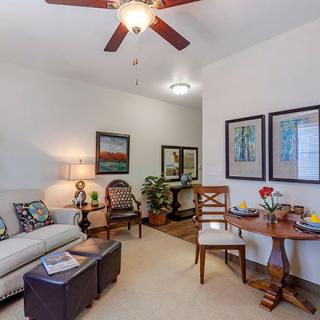
 Fully furnished
 Gaming room
 Garden
 Housekeeping services
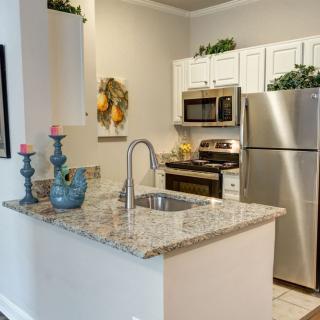
 Kitchenette
 Move-in coordination
 Outdoor space
 Private bathrooms
 Restaurant-style dining
 Small library
 Telephone
 Wellness center
 Wi-Fi/high-speed internet available
 Community operated transportation
 12-16 hour nursing
 24-hour call system
 Activities of daily living assistance
 Assistance with bathing
 Assistance with dressing
 Assistance with transfers
 Diabetes diet
 Medication management
 Mental wellness program
 Special dietary restrictions
 Concierge services
 Planned day trips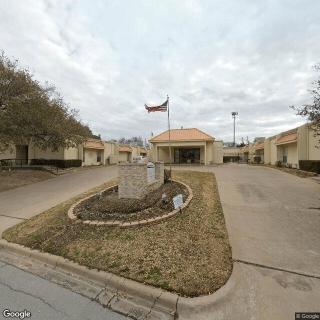






 Home Health Care Aides: Understanding Their Role and Supporting Your Family
 Urinary Tract Infections in Older Adults: Comprehensive Insights on Symptoms, Treatment, and Prevention
 California's Form 602A: An In-Depth Examination of Senior Care Assessment