For more information about senior living options: (866) 208-4318
3 from 95 reviews
5 stars
39
4 stars
6
3 stars
5
2 stars
3
1 stars
42
Benbrook Nursing & Rehabilitation Center Costs & Pricing
Benbrook Nursing & Rehabilitation Center offers competitive pricing for its private rooms, with a monthly cost of $2,850. This rate is significantly lower than the average costs in Tarrant County, which stands at $3,704, and even more so compared to the state average of $4,096 in Texas. This pricing structure positions Benbrook as an attractive option for individuals seeking quality nursing care without the hefty price tag often associated with other facilities in the region. By providing a financially accessible choice, Benbrook demonstrates its commitment to serving the community while maintaining high standards of care.
Floor plans
Benbrook Nursing & Rehabilitation Center
Tarrant County
Texas
Private
$2,850
$3,704
$4,096
Skilled Nursing Facilities with a similar price nearby
Overall Review of Benbrook Nursing & Rehabilitation Center
caveat8 reviews mention this
Communication issues are recurring
Multiple reviewers say they struggled to reach the facility by phone and did not get timely callbacks.
Several reviews describe unanswered phones or long delays when calling for nurses, administration, or follow-up. A few reviewers also say they were told calls would be forwarded, but they still could not get help when needed. One reviewer says they kept calling for days without a response, and another says no one answers in the afternoons.
caveat7 reviews mention this
Hygiene and odor concerns
Reviewers frequently report unsanitary conditions, including urine odor and dirty or poorly maintained rooms.
Residents and families describe the building as filthy or having a strong urine smell, with examples including dusty surfaces and bathrooms not being cleaned. Some mention laundry mix-ups, beds not being changed regularly, and personal belongings being removed or returned inconsistently. There are also complaints about pests and limited extermination in at least one review.
common10 reviews mention this
Staff quality is mixed
Reviews about staff range from warm, helpful care to serious complaints about responsiveness.
On the positive side, multiple reviewers describe staff as kind, helpful, and professional, including nursing management and CNAs who greet visitors and jump in when needed. Other reviews raise concerns about neglect, poor follow-through, and disrespect, including complaints that phones and call systems are not answered. The overall picture is that staff experiences vary widely depending on shift and individual circumstances described in the reviews.
caveat5 reviews mention this
Food quality draws complaints
Several reviewers criticize meals as unappetizing or not meeting basic expectations.
Some reviews call the food disgusting or describe meals as cold, with examples like limited or unacceptable meal selections. Others say residents had trouble getting pain or nausea medications promptly, and one review specifically questions whether meals were balanced. A separate review notes the food can vary, suggesting inconsistent dining experiences.
caveat3 reviews mention this
Staffing and supervision get questioned
Multiple reviewers report understaffing or lack of supervision affecting care.
A few reviewers describe limited staffing, including concerns about weekends and shifts where call lights were not answered. One review cites a high number of patients assigned per nurse and says pain medication requests require repeated follow-ups. Another review connects the staffing issue to residents not receiving timely help when needed.
How we summarize
Counts show how many written reviews mention each theme; a review can touch several themes, and only frequently mentioned themes are displayed.
Features
Housing
115 resident community capacity
Types of Care
Skilled Nursing Facility
Amenities
Air-conditioning
Beauty salon
Cable or satellite TV
Computer center
Dining room
Fitness room
Fully furnished
Gaming room
Garden
Housekeeping services
Kitchenette
Move-in coordination
Outdoor space
Private bathrooms
Restaurant-style dining
Small library
Telephone
Wellness center
Wi-Fi/high-speed internet available
Transportation
Community operated transportation
Transportation arrangement
Transportation arrangement (non-medical)
Transportation to doctors appointments
Care Services
12-16 hour nursing
24-hour call system
24-hour supervision
Activities of daily living assistance
Assistance with bathing
Assistance with dressing
Assistance with transfers
Diabetes diet
Meal preparation and service
Medication management
Mental wellness program
Special dietary restrictions
Dining
Diabetes diet
Special dietary restrictions
Activities
Community-sponsored activities
Concierge services
Fitness programs
Planned day trips
Resident-run activities
Scheduled daily activities
Nearby Places of Interest
Restaurants
Braum's (0.2 miles)
Whataburger (0.4 miles)
Chick-Fil-A (2.9 miles)
BoomerJack's Grill & Bar (2.9 miles)
Whataburger (3.3 miles)
Braum's (3.3 miles)
Jason's Deli (3.5 miles)
Pharmacies
Walgreens (0.2 miles)
CVS Pharmacy (2.6 miles)
Perrone Legend Pharmacy (2.7 miles)
Walgreens (2.9 miles)
Walgreens (3.3 miles)
CVS Pharmacy (3.4 miles)
Walgreens (3.8 miles)
Physicians
Benbrook Family Practice 2 (0.4 miles)
Pedro Steven D MD (2.4 miles)
Diabetes & Thyroid Center of Fort Worth (2.4 miles)
Prime Diagnostic Imaging (2.7 miles)
Psymed Solutions (2.8 miles)
Baylor Family Medical Center At Southwest Fort Worth (3 miles)
Texas Oncology Pa (3 miles)
Hospitals
Pcu 4 (2.9 miles)
Texas Health Harris Methodist Hospital Southwest Fort Worth (2.9 miles)
Benbrook Nursing & Rehabilitation Center offers competitive pricing for its private rooms, with a monthly cost of $2,850. This rate is significantly lower than the average costs in Tarrant County, which stands at $3,704, and even more so compared to the state average of $4,096 in Texas. This pricing structure positions Benbrook as an attractive option for individuals seeking quality nursing care without the hefty price tag often associated with other facilities in the region. By providing a financially accessible choice, Benbrook demonstrates its commitment to serving the community while maintaining high standards of care.
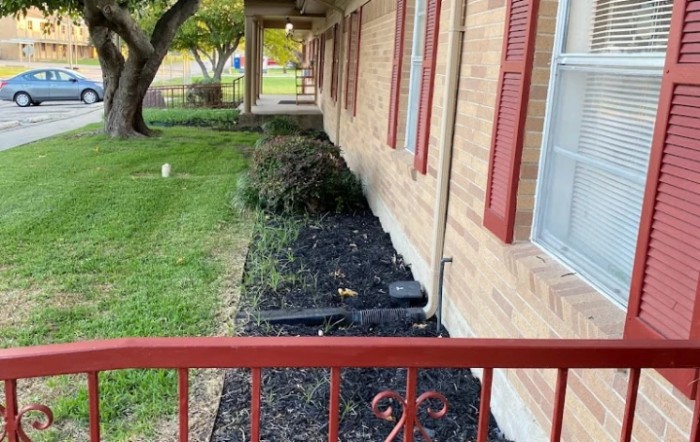
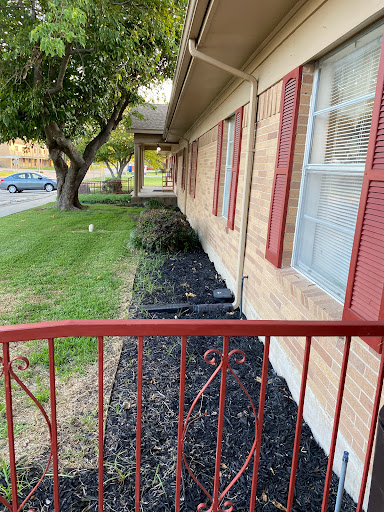
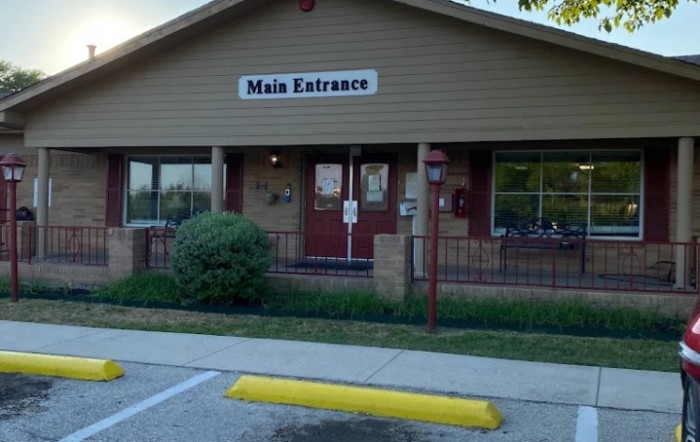
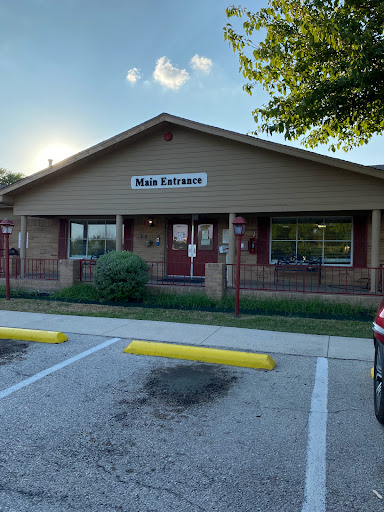
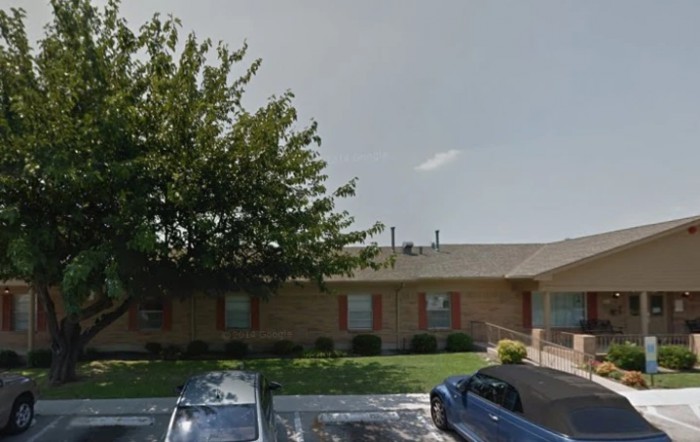
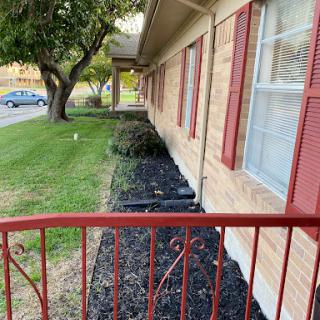
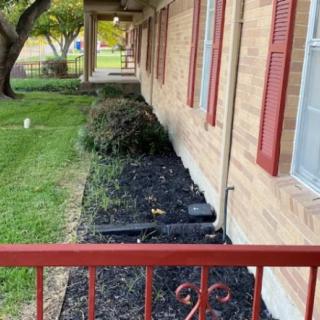
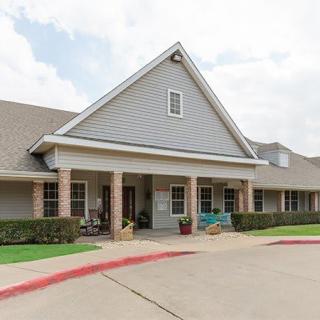
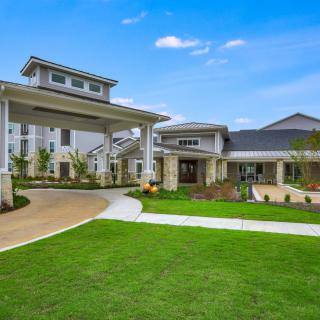
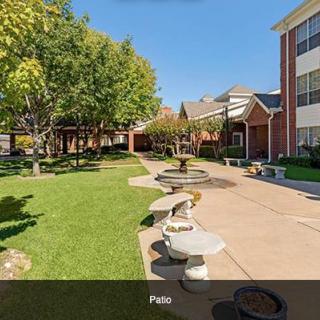
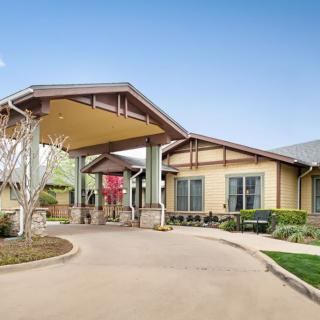
Benbrook Nursing & Rehabilitation Center on seniors.fyi includes 6 photos including images showing landscaping, building, exterior, entrance, trees, architecture, grass, windows, and more.
Nearby Communities
Fundamental - Mira Vista
Fort Worth, TX
4 from 68 reviews
Clean, airy environment with friendly staff and strong rehab therapy.
Cns-Highland Meadow
Fort Worth, TX
All-inclusive assisted living with furnished apartments, meals, housekeeping, ADL support, and transportation coordination.
Greenbriar Mansion
Fort Worth, TX
1 from 1 review
24/7 supervision with comprehensive care, meals, meds, transportation to appointments, and daily activities.
The Vantage at Cityview
Fort Worth, TX
4.7 from 197 reviews
$3,500 to $4,860 / month
Friendly staff, beautiful, spacious apartments, and strong amenities with flexible care options.
Garden Terrace Alzheimer's Center Of Excellence - Fort Worth
Fort Worth, TX
4.4 from 137 reviews
Caring staff and engaging activities in a clean, quiet environment.
Sunrise of Fort Worth
Fort Worth, TX
4.7 from 180 reviews
$3,000 to $4,500 / month
Warm, attentive staff; clean, spacious apartments; active social life and attractive grounds.
The Vantage at Cityview
Fort Worth, TX
4.6 from 183 reviews
$4,550 to $6,645 / month
Friendly staff and engaging activities.
Cityview Nursing And Rehabilitation Center
Fort Worth, TX
4 from 125 reviews
Extensive on-site amenities and care services (24-hour supervision, meals with special diets, transportation, activities, and wellness programs).
The Watermark At Broadway Cityview
Fort Worth, TX
4.3 from 166 reviews
$2,515 to $3,728 / month
Active community with engaging activities, quality dining, and spacious private apartments.
Geriatric care managers create personalized care plans for older adults, addressing their medical, social, financial, and psychological needs while coordinating services and advocating for their well-being. They help families navigate caregiving challenges but may be hindered by high costs and a shortage of qualified professionals.
The article highlights the importance of empathy and open communication when comforting someone who is grieving, noting that grief is unique to each individual and emphasizing the need for sincere expressions of condolence, active listening, and ongoing support. It also addresses cultural differences in mourning practices and encourages tailored approaches to provide effective comfort.
Home health care aides provide vital medical and non-medical support to individuals at home, assisting with daily living activities and promoting emotional well-being, while the demand for these services increases due to an aging population. Families benefit from in-home care's flexibility and cost-effectiveness but face challenges like scheduling consistency and caregiver turnover.
Get PricingAsk A QuestionSchedule A TourContact Senior Advisor
By clicking submit, you agree to our Partner's Terms of Use. You
also consent to receive calls and texts, which may be autodialed, from our Partner. Your consent is not a condition to
using our Partner's service. Please visit our Partner's Privacy Policy for information about their privacy practices.





 115 resident community capacity
 Skilled Nursing Facility
 Air-conditioning
 Beauty salon
 Cable or satellite TV
 Computer center
 Dining room
 Fitness room
 Fully furnished
 Gaming room
 Garden
 Housekeeping services
 Kitchenette
 Move-in coordination
 Outdoor space
 Private bathrooms
 Restaurant-style dining
 Small library
 Telephone
 Wellness center
 Wi-Fi/high-speed internet available
 Community operated transportation
 12-16 hour nursing
 24-hour call system
 Activities of daily living assistance
 Assistance with bathing
 Assistance with dressing
 Assistance with transfers
 Diabetes diet
 Medication management
 Mental wellness program
 Special dietary restrictions
 Concierge services
 Planned day trips
 Clean, airy environment with friendly staff and strong rehab therapy.



 Is a Geriatric Care Manager the Right Choice for Your Family?
 Compassionate Conversations: How to Comfort Someone Who Is Grieving
 Home Health Care Aides: Understanding Their Role and Supporting Your Family