Overall Review of Frank M Tejeda Texas State Veterans Home
differentiator2 reviews mention this
Check-in feels secure
Face-based check-in is described as working reliably and adds a sense of safety.
Residents and visitors mention a face-recognition check-in that they say is always working. One visitor also says the system keeps the visitor’s faces on file, which they interpret as supporting safety.
common18 reviews mention this
Cleanliness is repeatedly praised
A spotless, well-kept environment is one of the most consistent observations in the reviews.
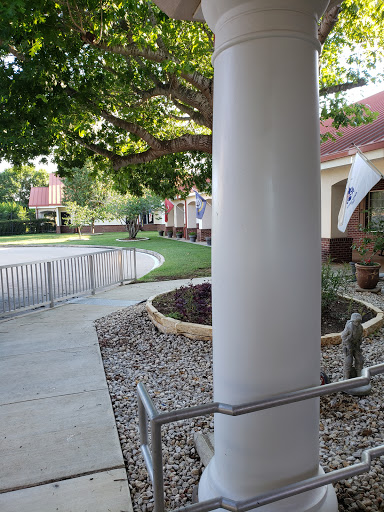
Multiple reviewers describe the facility as spotless, very clean, and well organized, often adding that it does not smell. Several comments also mention residents being able to spend time outside in cared-for outdoor areas, alongside the overall cleanliness indoors.
common34 reviews mention this
Staff care and bedside manner stand out
Residents and families describe staff as friendly, attentive, and reassuring in daily care.
Across reviews, families say staff are helpful, courteous, and show good bedside manner, with many describing communication and responsiveness as a strength. Some reviewers also describe nursing staff knowing their loved one, walking them to where they needed to go, and treating residents with respect and compassion.
caveat5 reviews mention this
Food quality gets mixed feedback
Food receives both positive notes and clear complaints about inconsistency or appearance.
Some reviewers report that meals are good or “almost home cooked,” and others mention snacks being provided. However, at least a few reviews say the food is the downside, including comments about meals not looking right or being hard to tell what it is.
common8 reviews mention this
Activities help keep residents engaged
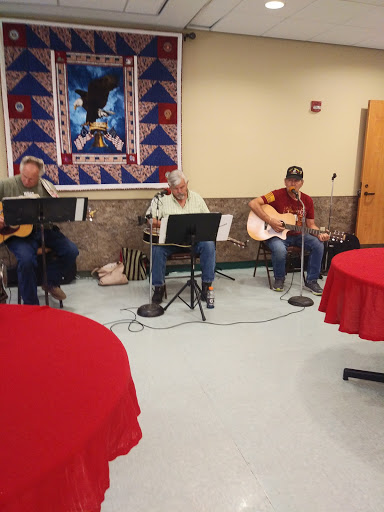
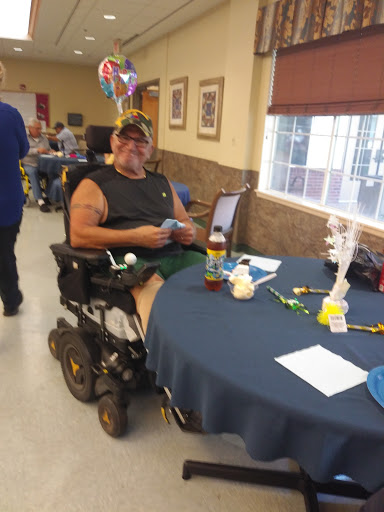
Residents are described as having ongoing activities and opportunities to socialize.
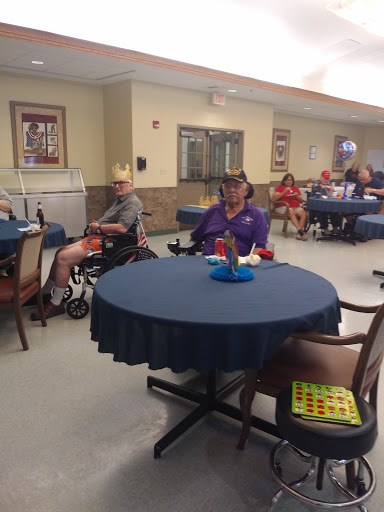
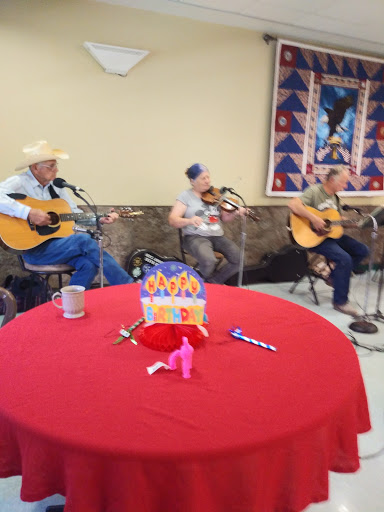
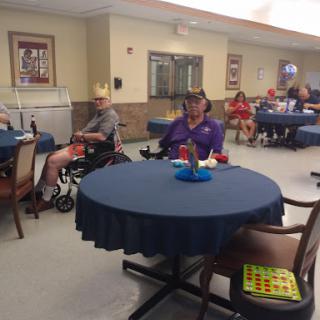
Reviews mention frequent activities, entertainment, and day-to-day programming, including outings and resident-focused events. Some families specifically describe their loved ones being entertained and staying socially connected through shared dining and group activities.
caveat7 reviews mention this
Staffing and coordination concerns recur
Some reviewers describe problems with staffing levels and care coordination.
Several critical reviews mention short staffing or low staff-to-resident support, making it difficult to get help when problems arise. Others describe breakdowns in transportation to appointments, communication delays, and concerns about what happens when a resident becomes ill or needs urgent support.
How we summarize
Counts show how many written reviews mention each theme; a review can touch several themes, and only frequently mentioned themes are displayed.
Features
Housing
160 resident community capacity
Types of Care
Skilled Nursing Facility
Amenities
Air-conditioning
Beauty salon
Cable or satellite TV
Computer center
Dining room
Fitness room
Fully furnished
Gaming room
Garden
Housekeeping services
Kitchenette
Move-in coordination
Outdoor space
Private bathrooms
Restaurant-style dining
Small library
Telephone
Wellness center
Wi-Fi/high-speed internet available
Transportation
Community operated transportation
Transportation arrangement
Transportation arrangement (non-medical)
Transportation to doctors appointments
Care Services
12-16 hour nursing
24-hour call system
24-hour supervision
Activities of daily living assistance
Assistance with bathing
Assistance with dressing
Assistance with transfers
Diabetes diet
High acuity care
Meal preparation and service
Medication management
Mental wellness program
Special dietary restrictions
Dining
Diabetes diet
Special dietary restrictions
Activities
Community-sponsored activities
Concierge services
Fitness programs
Planned day trips
Resident-run activities
Scheduled daily activities
Nearby Places of Interest
Hospitals
Wilson Memorial Home Health Services (0.2 miles)
Connally Memorial Medical Center (2.6 miles)
Alaquinez, Jacklyn O.D. (2.7 miles)
Places of Worship
First Lutheran Church (0.7 miles)
First Baptist Church (0.8 miles)
St Vincent De Paul Society (1.1 miles)
Southern Baptist Convention (1.2 miles)
Wilson County Seventh Day Adventist (1.2 miles)
Glory of Faith Church (5.5 miles)
St Johns Lutheran Church (5.6 miles)
Restaurants
Kickin Asian Grill & Noodles (0.7 miles)
Old Fashion Donuts (0.7 miles)
Oliva's Mexican Restaurant (0.8 miles)
Fluff's White House Cafe (0.8 miles)
Sonic Drive-In (0.9 miles)
Whataburger (1.1 miles)
Taqueria Veliz (1.2 miles)
Physicians
Elmer, Edward Elmer Orthopaedics (0.7 miles)
Floresville Family Health Center (1.9 miles)
Atascosa Health Center (2.1 miles)
Conviva Care Center Floresville (2.5 miles)
Allied Institute of Medicine (2.5 miles)
Nayak, Devraj Connally Memorial Medical Center Cardiology (2.7 miles)
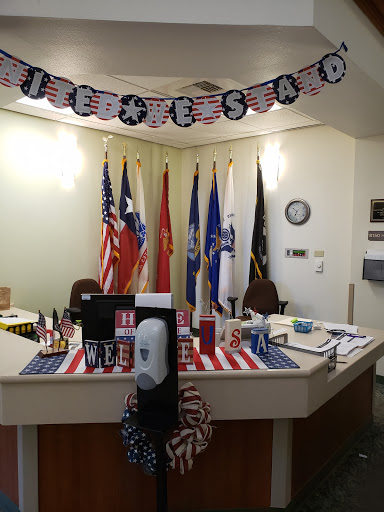
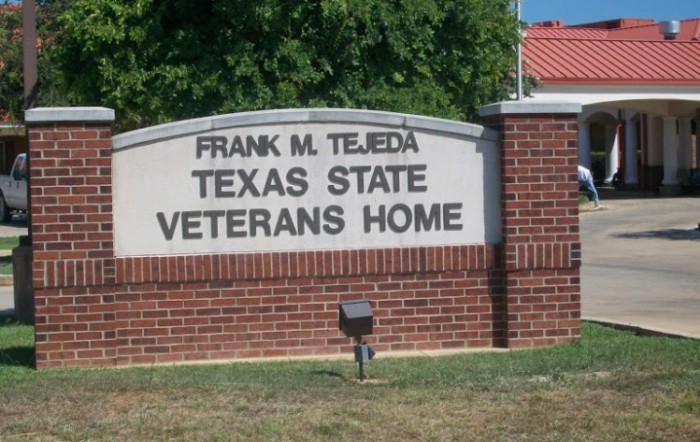
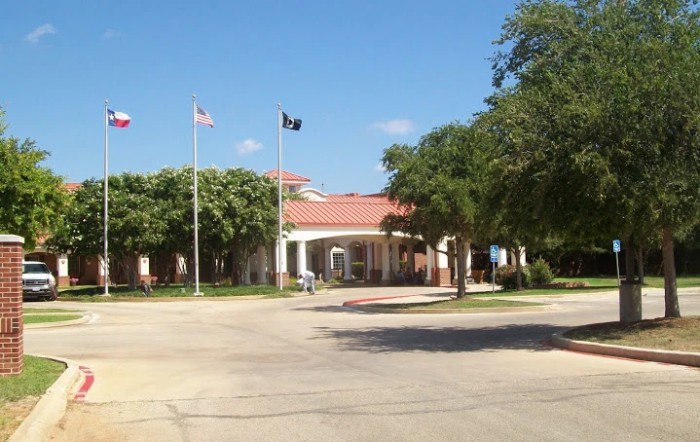
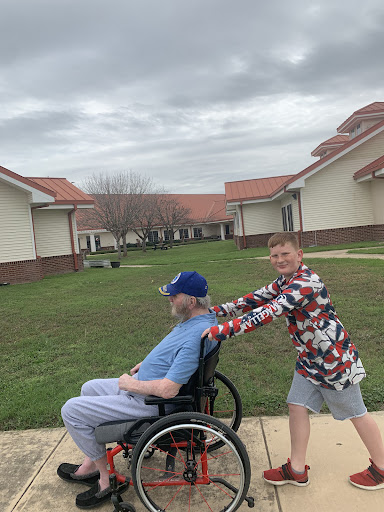
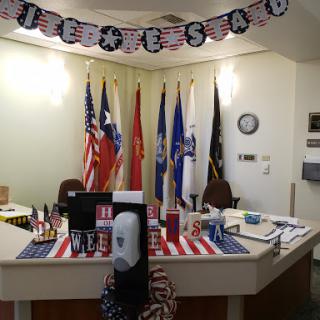
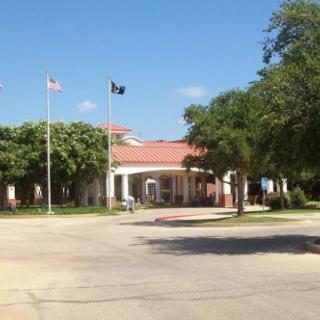
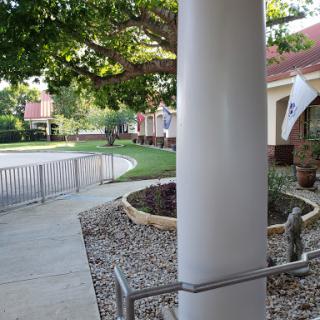
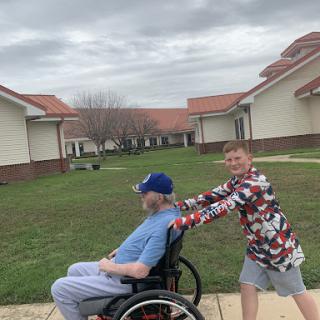
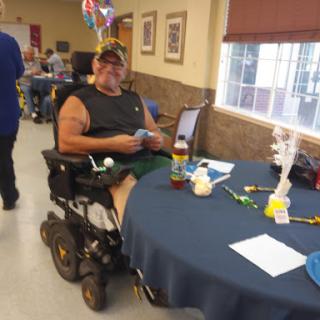
Frank M Tejeda Texas State Veterans Home on seniors.fyi includes 9 photos including images showing building, flag, interior, wheelchair, outdoor, landscaping, office, decor, and more.
Nearby Communities
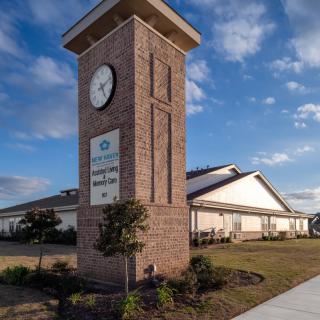
New Haven Assisted Living Of Floresville
Floresville, TX
4.8 from 12 reviews
Fully furnished apartments with comprehensive care, meals, housekeeping, and move-in coordination.
New Haven Assisted Living Of Floresville
Floresville, TX
4.8 from 12 reviews
Small, intimate assisted living with 24-hour supervision and comprehensive services.
Floresville Residence And Rehabilitation Center
Floresville, TX
4.5 from 38 reviews
Comprehensive amenities and 24/7 care with transportation and wellness services.
Regency Manor Nursing And Rehabilitation
Floresville, TX
Spacious, well-equipped facility with comprehensive care and abundant amenities.
New Haven Assisted Living & Memory Care of Floresville
Floresville, TX
4.7 from 35 reviews
$4,000 / month
Intimate, home-like setting enabling personalized care and strong family communication.
Stockdale Residence And Rehabilitation Center
Stockdale, TX
5 from 2 reviews
Extensive amenities and 24/7 care.
Indian Hills Mobile Home Park
San Antonio, TX
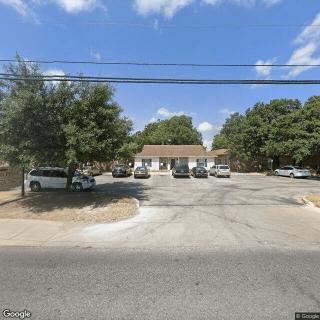
Convenient access to a wide range of nearby amenities (cafes, pharmacies, restaurants, places of worship, and hospitals).
Union Pines Apartments
San Antonio, TX
2.8 from 51 reviews
Strong access to healthcare, dining, and parks nearby.
The Towers on Park Lane
San Antonio, TX
4.3 from 124 reviews
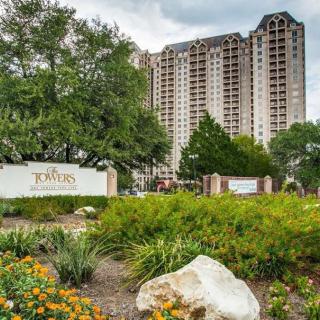
Well-built, clean facility with extensive amenities and caring staff.
Geriatric care managers create personalized care plans for older adults, addressing their medical, social, financial, and psychological needs while coordinating services and advocating for their well-being. They help families navigate caregiving challenges but may be hindered by high costs and a shortage of qualified professionals.
The article highlights the importance of empathy and open communication when comforting someone who is grieving, noting that grief is unique to each individual and emphasizing the need for sincere expressions of condolence, active listening, and ongoing support. It also addresses cultural differences in mourning practices and encourages tailored approaches to provide effective comfort.
Home health care aides provide vital medical and non-medical support to individuals at home, assisting with daily living activities and promoting emotional well-being, while the demand for these services increases due to an aging population. Families benefit from in-home care's flexibility and cost-effectiveness but face challenges like scheduling consistency and caregiver turnover.
Get PricingAsk A QuestionSchedule A TourContact Senior Advisor
By clicking submit, you agree to our Partner's Terms of Use. You
also consent to receive calls and texts, which may be autodialed, from our Partner. Your consent is not a condition to
using our Partner's service. Please visit our Partner's Privacy Policy for information about their privacy practices.




 160 resident community capacity
 Skilled Nursing Facility
 Air-conditioning
 Beauty salon
 Cable or satellite TV
 Computer center
 Dining room
 Fitness room
 Fully furnished
 Gaming room
 Garden
 Housekeeping services
 Kitchenette
 Move-in coordination
 Outdoor space
 Private bathrooms
 Restaurant-style dining
 Small library
 Telephone
 Wellness center
 Wi-Fi/high-speed internet available
 Community operated transportation
 12-16 hour nursing
 24-hour call system
 Activities of daily living assistance
 Assistance with bathing
 Assistance with dressing
 Assistance with transfers
 Diabetes diet
 High acuity care
 Medication management
 Mental wellness program
 Special dietary restrictions
 Concierge services
 Planned day trips
 Fully furnished apartments with comprehensive care, meals, housekeeping, and move-in coordination.


 Is a Geriatric Care Manager the Right Choice for Your Family?
 Compassionate Conversations: How to Comfort Someone Who Is Grieving
 Home Health Care Aides: Understanding Their Role and Supporting Your Family